
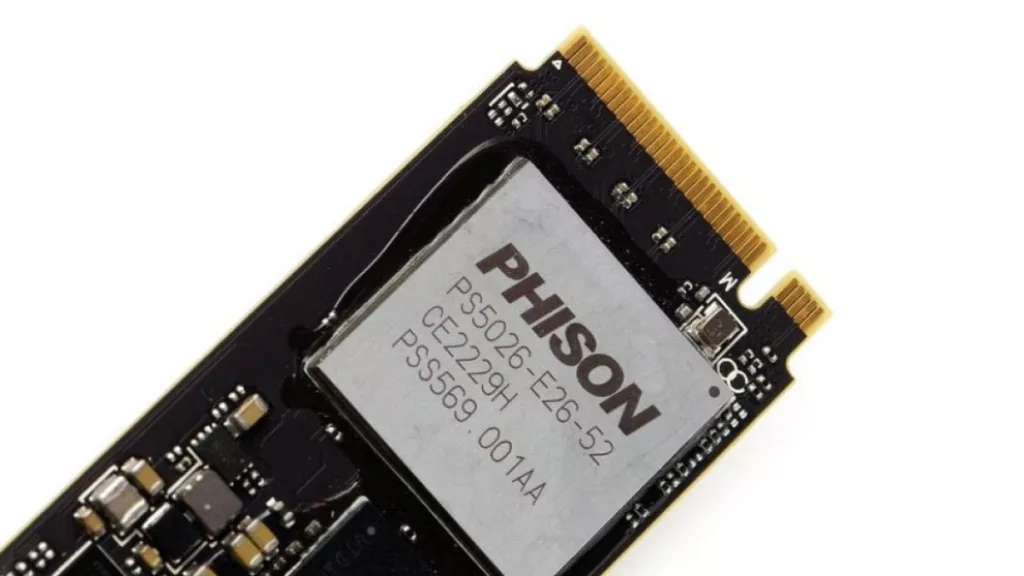
Yet another industry executive is warning of potential harmful side effects of the current memory chip shortage on the electronics industry. Phison founder and CEO Pua Khein-Seng recently attended the ChenTalkShow, where he stated that AI demand is just beginning to explode and unprecedented conditions now exist, which have created a strong seller market. He says that things have reached a point where sellers are now requiring buyers to provide payment for orders three years in advance. It’s also claimed that manufacturers are expecting current conditions to last at least until 2030, and possibly span up to a decade from now.
As if those predictions are not gloomy enough, it gets worse. The exec also explains how these circumstances will lead many system integrators and electronics companies to close up shop this year due to an inability to secure needed components. Not only that, but mobile phone shipments are expected to decline by roughly 200-250 million units globally due to rising memory costs. One example provided is that 8 GB eMMC (used in laptops, smartphones, tablets, automotive, and other low-cost applications) has risen from $1.50 to $20 and currently remains unavailable to purchase. Another example, NVIDIA, which is said to be shipping tens of millions of its Vera Rubin chips, each is paired with a 20+ TB SSD, a quantity that is reportedly 20% of 2025’s global non-data storage NAND supply. The following has been machine translated from a transcription on QQ-Timmy:
“A large number of consumer electronics companies will fail. From the end of this year to 2026, many system integrators will go bankrupt or exit product lines due to insufficient memory supply.”
– Pua Khein-Seng, CEO Phison Electronics
The Phison CEO is not the only industry exec to be sounding the alarm bells, as ADATA chairman Chen Lebai made similar claims last fall. He also stated that the market had reached an unprecedented crossroad, with all of the major memory chip manufacturers now prioritizing AI needs over consumer orders, thus leading to a smaller supply for the consumer market, combined with higher costs. Meanwhile, Pua adds, “Samsung, Micron, SK Hynix, Kioxia, Yangtze Memory, and other companies have invested, but it takes at least 2 years from announcement to production, and the equipment is in high demand.”