
Motherboard Performance
Testing the GIGABYTE X870E AERO X3D WOOD was accomplished using the benchmarks below. The following components were used: AMD Ryzen 7 7700X, Corsair Vengeance DDR5 32GB at 6000MT/s (CMH32G5M2D6000C36), ADATA Legend 970 Pro Gen5 NVME, and the XFX Swift Radeon RX 9070 XT White Gaming Edition graphics card. Comparison results are discussed from the recent reviews of the MSI MAG X870E GAMING PLUS MAX WiFi motherboard, as that board was equally outfitted.
Below you will find a gallery of result screenshots from our testing protocol and a brief discussion of the results compared to the other motherboard with the same or similar components.
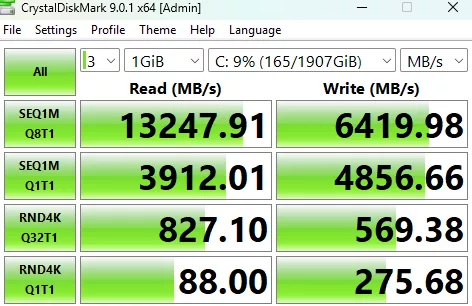
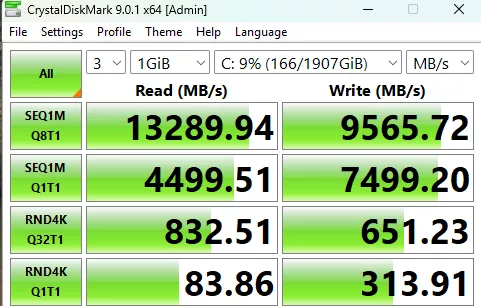
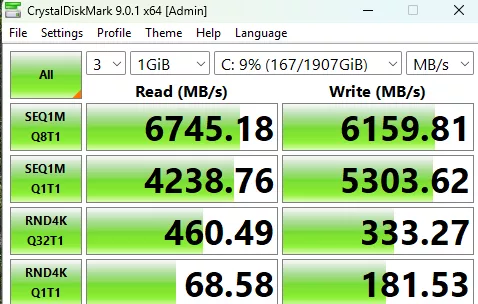
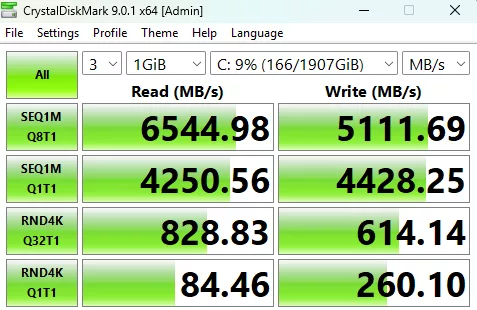
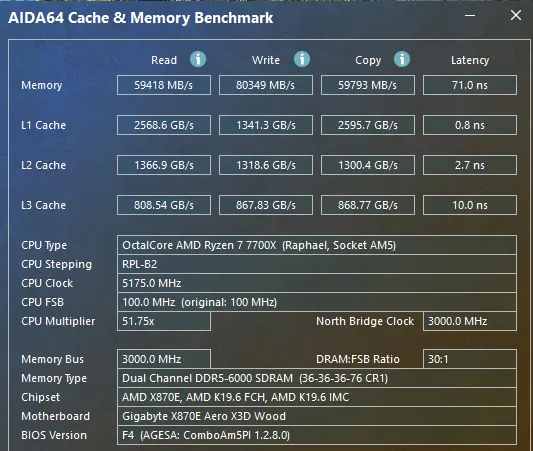

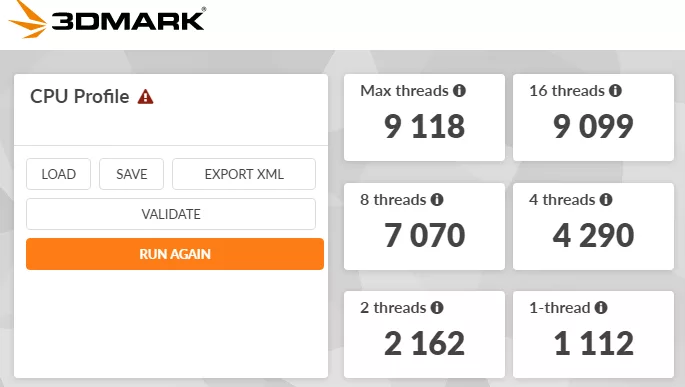
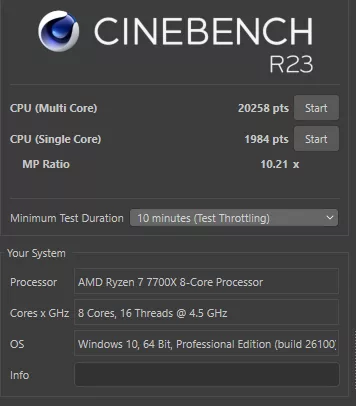
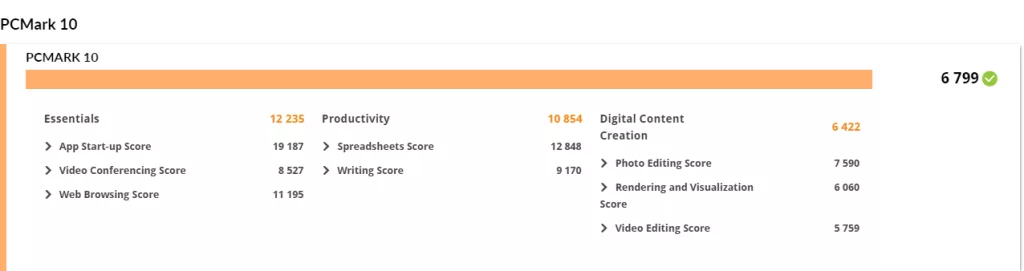
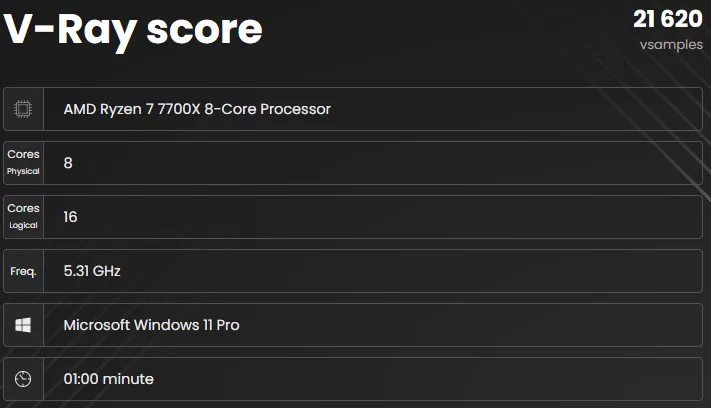
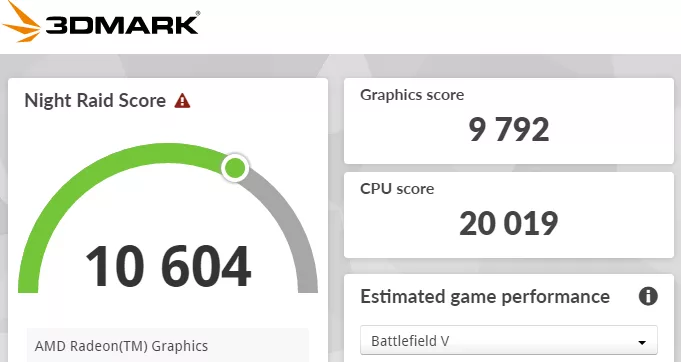
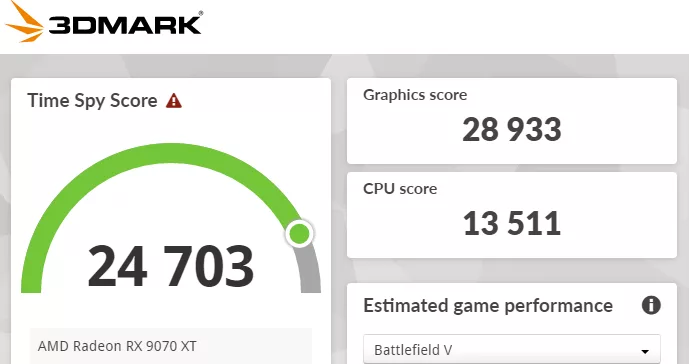
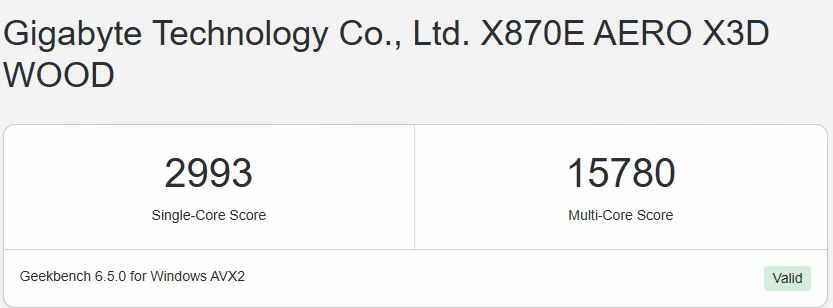
When we compare the performance results, they are essentially equal across the board between the GIGABYTE X870E AERO X3D WOOD and the MSI X870E GAMING PLUS MAX WiFi. This comes as no surprise, as these are two recently released X870E motherboards set up with identical components. The scores are also very much the same as we have seen in all our performance testing across the X870E motherboards we have tested in the last year.
VRM Temperature
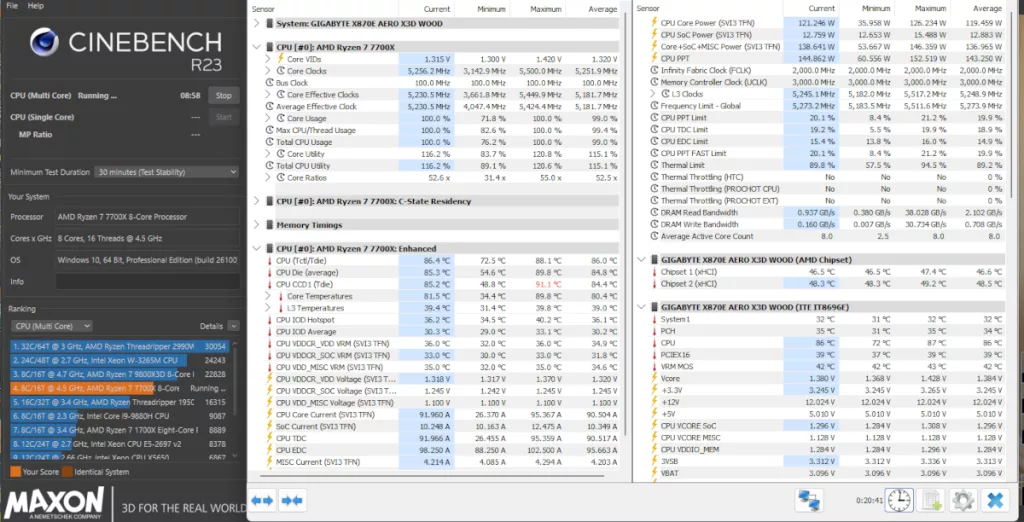
In this test, we run Cinebench R23 multicore for 20 minutes minimum and then record the temperatures across the heatsinks using HWInfo64. The CPU temperatures reached a maximum of 88C, 100% utilization, and 5181MHz. VRM temperatures averaged 33.8C. There was no thermal throttle, and no stability issues were encountered. We saw in this testing that this GIGABYTE motherboard was able to run some of the lowest temperatures we have seen in the latest “refresh” releases that we have tested. The CPU temperature was about 4C lower, and the VRM/MOS temperatures were 2-5C lower. This is a nice endorsement of the heatsinks on the GIGABYTE X870E AERO X3D WOOD.