Acer Launches Low-Cost 4K 150 Hz HDR400 IPS 28″ Gaming Monitor Featuring AMD FreeSync Premium VRR

The FPS Review may receive a commission if you purchase something after clicking a link in this article.

Image: Acer

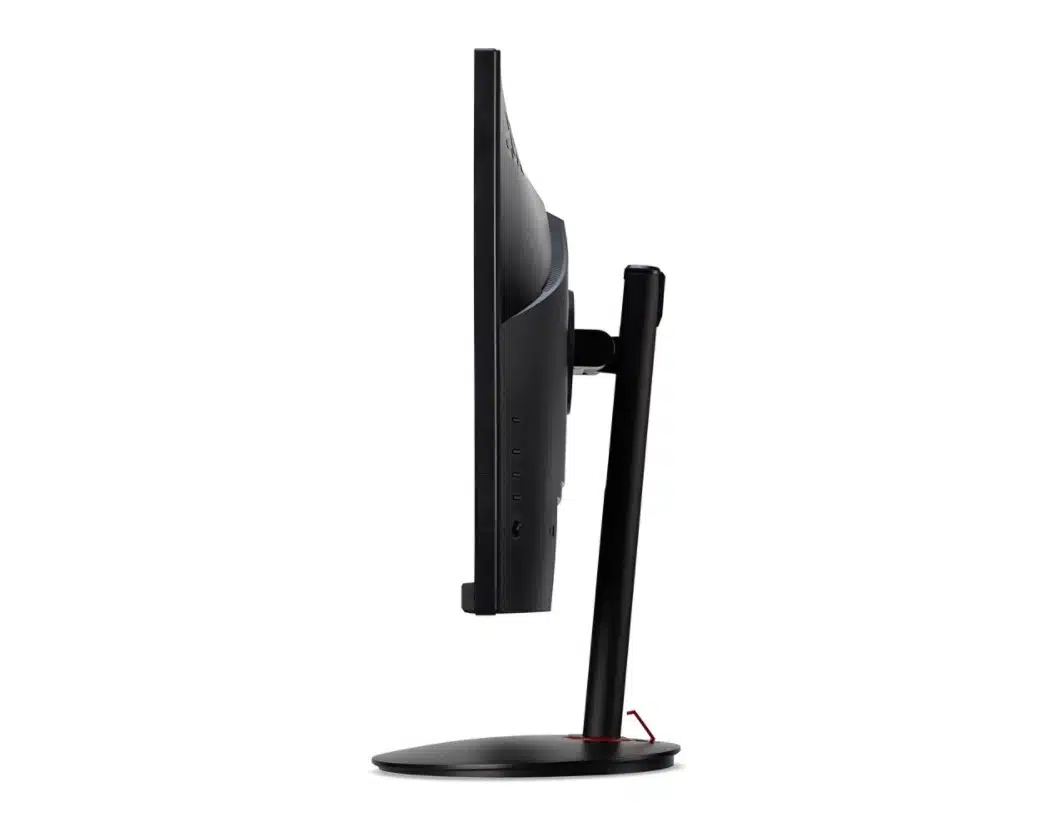
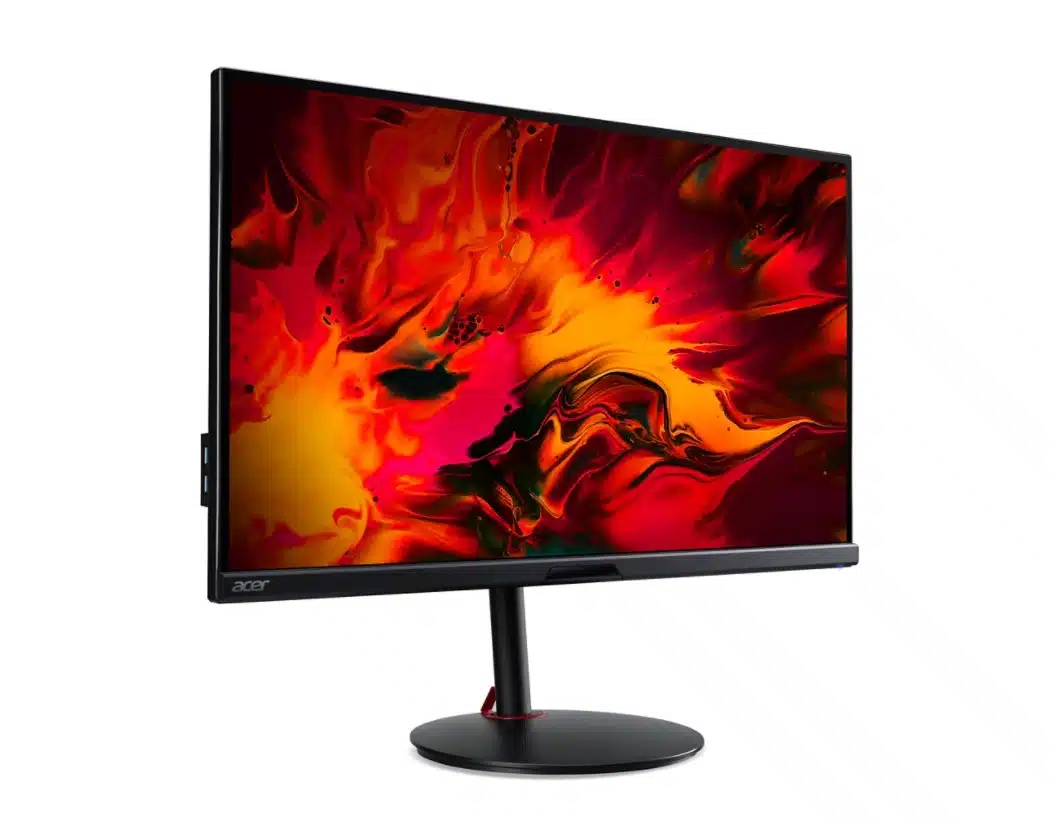
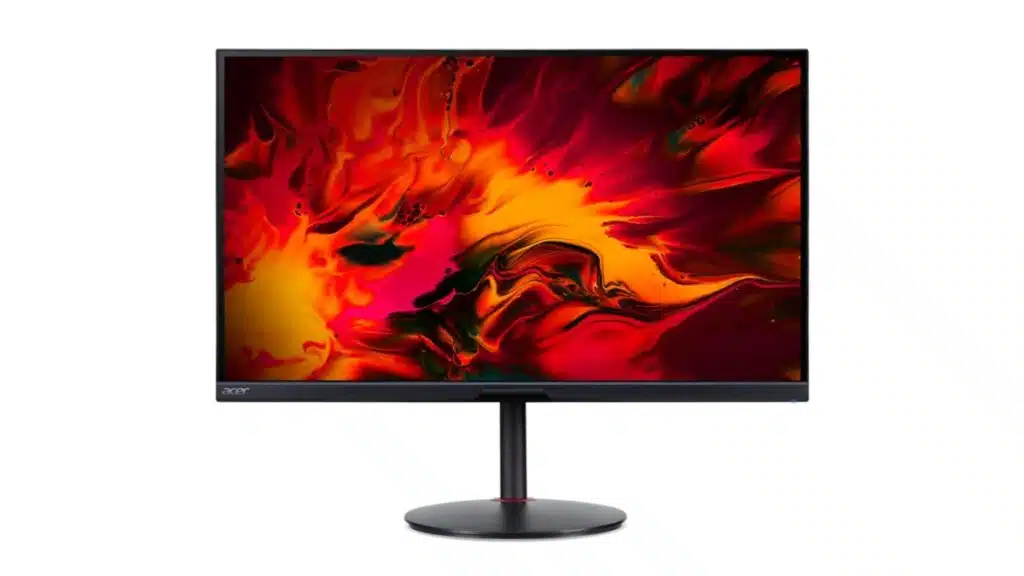
Those on a budget have a new option for a 4K gaming display as Acer launches the low-cost Nitro XV282K V3 for $429.99. This new display features a 28-inch 16:9 IPS HDR400 (400 nits) panel with an overclock 150 Hz refresh rate, 1 ms GTG response time, and support for VRR with AMD FreeSync Premium via HDMI 2.1 or DP 1.4. It has a color gamut of 90% DCI-PC, 1.07 billion colors, and a 10-bit color depth (8-bit+FRC). Other features include a stand with swivel and height adjustment, 2x 2W speakers, a headphone jack, an anti-glare screen, Display 1.4, and HDMI 2.1 ports.
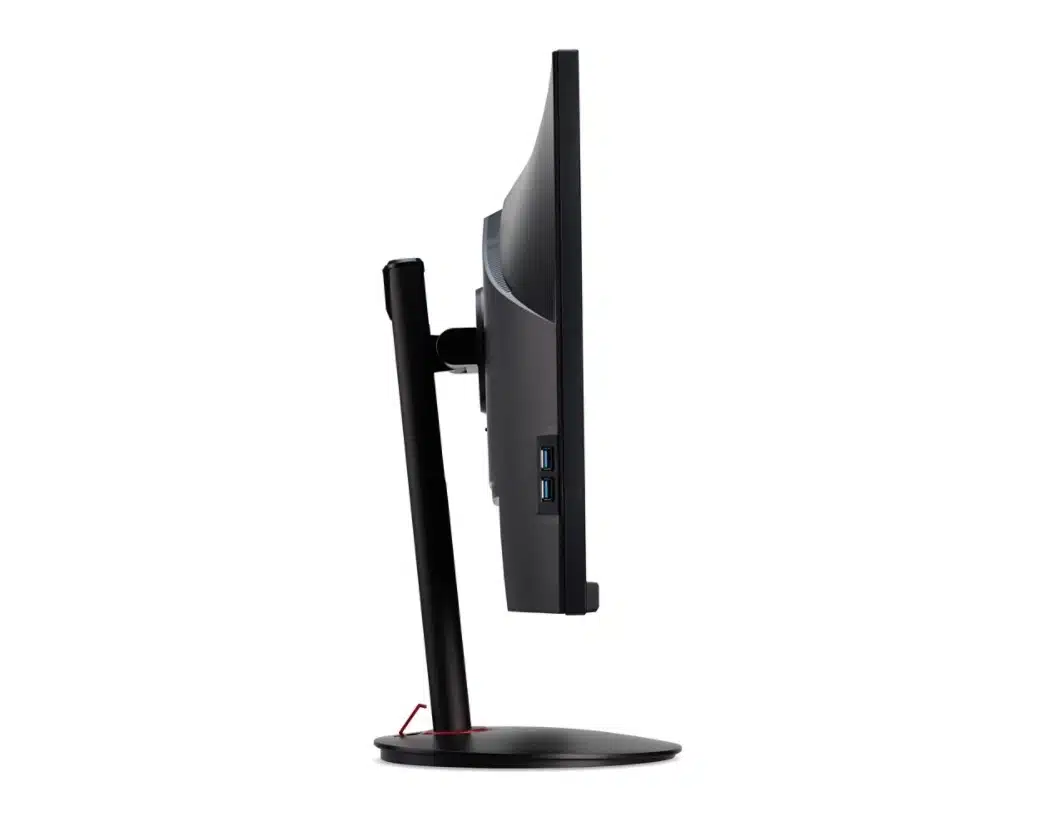
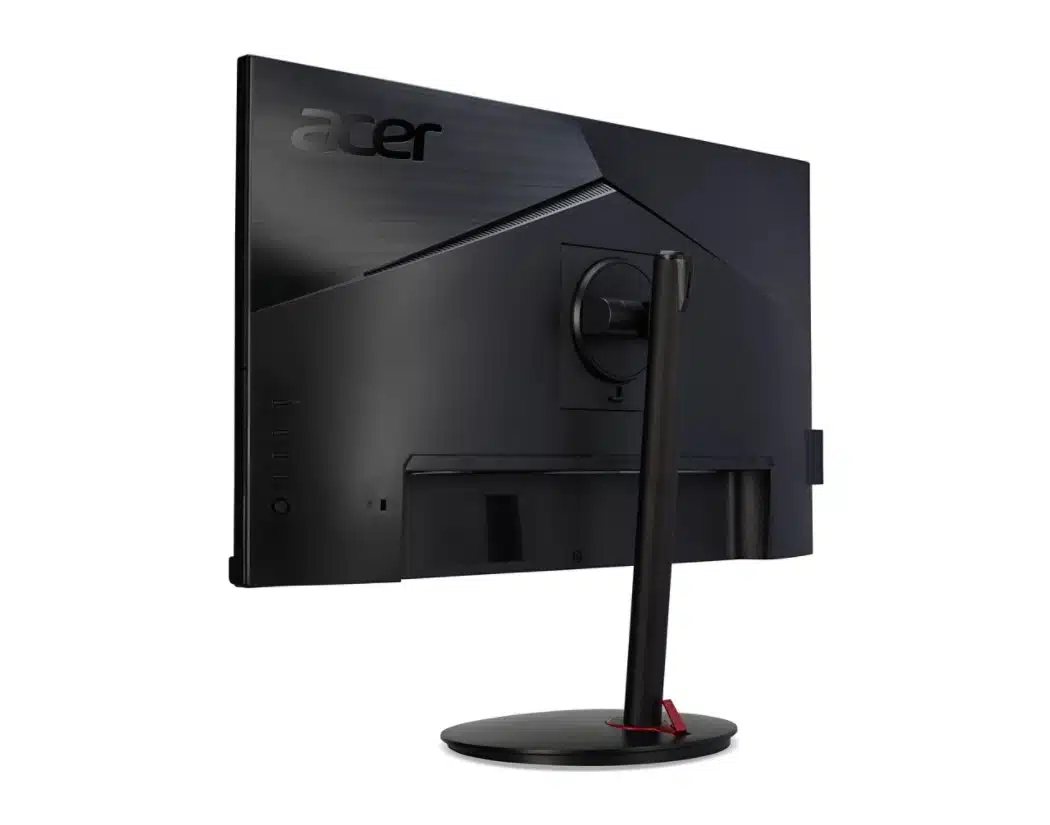
Technical Specifications (via official page):

  • Viewable Screen Size: 28″
  • Screen Mode: 4K UHD
  • Panel Technology: In-plane Switching (IPS) Technology
  • Response Time: 1 ms GTG
  • Aspect Ratio: 16:9
  • Pixel Pitch:6.3 mil
  • Horizontal Viewing Angle: 178°
  • Vertical Viewing Angle: 178°
  • Backlight Technology: LED
  • Mount Type: Wall Mountable
  • Features: VESA DisplayHDR 400
  • Screen Size Class:28″
  • Maximum Adjustable Height: 5.12″
  • Swivel Angle: -360° to 360°
  • Tilt Angle: -5° to 35°
  • Adjustable Stand Height: Yes
  • Active Display Area (mm): 621×341
  • Screen Surface: Anti-glare
  • Cover Glass: No
  • Frequency (Horizontal/Vertical): HDMI 2.1:30KHz-335KHz/48Hz-150Hz, HDMI 2.1:30KHz-335KHz/48Hz-150Hz, DisplayPort 1.4:335KHz/48Hz-150Hz, DisplayPort 1.4:335KHz/48Hz-150Hz
  • Audio Speakers: Yes
  • Speaker Output Power: 2 W

Physical Characteristics

  • VESA Mount Compatible: Yes
  • VESA Mount Standard: 100 x 100
  • Color: Black
  • Height: 14.6″
  • Width: 25″
  • Depth: 2.9″
  • Height with Stand: 22.68″
  • Width with Stand: 25.04″
  • Depth with Stand: 10.59″
  • Weight (Approximate): 11.64 lb
  • Weight with Stand (Approximate): 16.80 lb

Video

  • Maximum Resolution: 3840 x 2160
  • Color Supported: 1.07 Billion Colors
  • Color Depth: 8-bit+FRC (10-bit with Dithering)
  • Dynamic Contrast Ratio: 100,000,000:1
  • Brightness: 400 Nit
  • Tearing Prevention Technology: AMD FreeSync™ Premium (DisplayPort/HDMI)
  • Color Gamut: 90% DCI-P3
  • Native Contrast Ratio: 1,000:1
  • Overclock Refresh Rate: 150 Hz

Miscellaneous

  • Package Contents: 1 x Nitro XV282K V3 Widescreen Gaming LED Monitor, 1 x Power Cord (US), 1 x HDMI Cable
  • Environmentally Friendly: Yes
  • Environmental Certification: MPR II
  • Interfaces/Ports: HDMI Version 2.1, Headphone, DisplayPort Version 1.4
  • Standby Power Consumption (Energy Star): 500 mW
  • Off-Mode Power Consumption (Energy Star): 300 mW

Join the discussion in The FPS Review Forums...

Discussion (5 replies)

Join Discussion →
Grimlakin
Grimlakin 👍 3

HDR400 means... don't plan to use HDR with this monitor... ever.

Peter_Brosdahl
Peter_Brosdahl

Sad but true. It helps a little, very little at 400. Noticeable but only just barely.

Brian_B
Brian_B 👍 2

"Peter_Brosdahl, post: 76347, member: 87" wrote:

Sad but true. It helps a little, very little at 400. Noticeable but only just barely.


In Windows I find it causes more harm than it helps, particularly at these "just barely HDR" levels.

There are a few specific titles where it still Wows, but far more issues where things just get washed out and look worse. Whereas on consoles - no issues with it at all and it just looks great across pretty much every title, which kinda blows my mind that there can be such a disparity.

The monitor I have now is HDR600 and I leave HDR just turned off most of the time.

Windows HDR sucks.

Peter_Brosdahl
Peter_Brosdahl

With my LG OLED's (C2/C3/C9) and Sony Z9D HDR is downright spectacular most of the time but it has to be fully supported in the game and not rely on Windows like Starfield does. The Deadspace remake did the same but I have to give that team credit for at least configuring it correctly in the game while Starfield is useless. I saw the same with RE7 Biohazard and it wasn't until issues with Starfield came up that I now realize what was happening (although RE7 still looked pretty good).

Yeah, everything I read about HDR on consoles for most games just blows my mind away in comparison to Windows. Such a shame it doesn't have a more uniform approach. I'll also add that I have suspicions regarding on how HDR is being processed and sent to displays in Windows. I've found that with my CRG9 it's a very mixed bag but then also with the two HDR400 displays I've had.

DrezKill
DrezKill 👍 2

"Peter_Brosdahl, post: 76347, member: 87" wrote:

Sad but true. It helps a little, very little at 400. Noticeable but only just barely.


I've had two HDR400 monitors (one VA and one IPS), and in both cases turning on HDR actually made things look worse.

"Brian_B, post: 76348, member: 96" wrote:

Windows HDR sucks.


Unfortunately that is also true. Ever since it first came around on consoles with PS4 and every XB1 model except the original base model (for some f*cking reason), HDR usage, support, and quality has left PCs in the dust. That sh1t ain't right. Also I swear HDR worked better when it was GPU-driver-controlled, and nVidia and AMD were handling things themselves. But Microsoft just HAD to go and wrest control away from them, and demand that they and their OS have full control over HDR sh1t instead. Done more harm than good, I would say (especially in the early days of the switchover).

"Peter_Brosdahl, post: 76352, member: 87" wrote:

Yeah, everything I read about HDR on consoles for most games just blows my mind away in comparison to Windows. Such a shame it doesn't have a more uniform approach.


For realz man.

"Peter_Brosdahl, post: 76352, member: 87" wrote:

I'll also add that I have suspicions regarding on how HDR is being processed and sent to displays in Windows.


And your suspicions are probably well-founded.

Peter Brosdahl
As a child of the 70’s I was part of the many who became enthralled by the video arcade invasion of the 1980’s. Saving money from various odd jobs I purchased my first computer from a friend of my dad, a used Atari 400, around 1982. Eventually it would end up being a lifelong passion of upgrading and modifying equipment that, of course, led into a career in IT support.

Recent News