
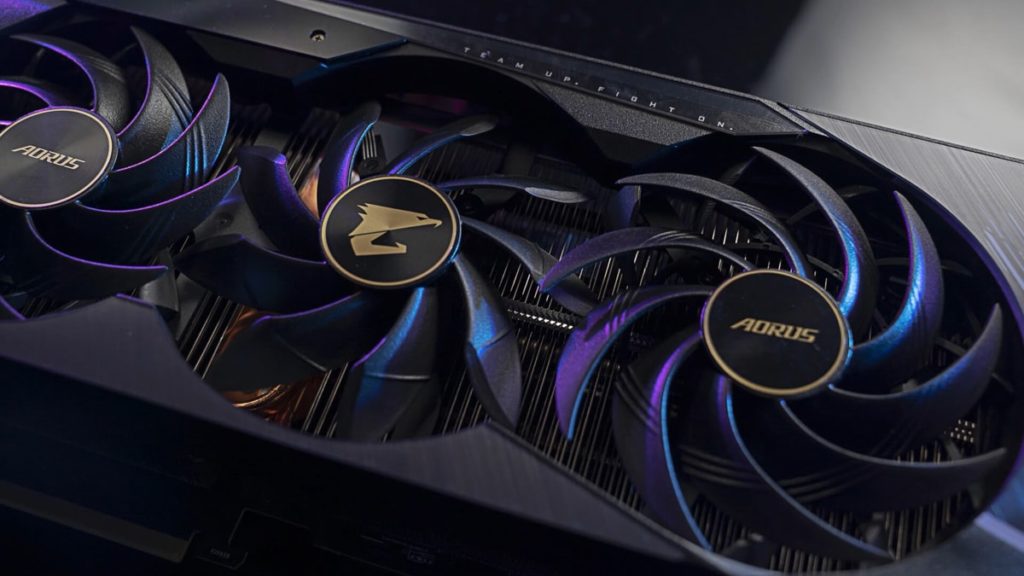
The next generation of GPUs from NVIDIA and AMD are expected to stimulate demand for high-performance coolers, according to a new paywalled report shared by DigiTimes today. This may not be surprising to anyone who has been following up on the latest rumors regarding the Radeon RX 7000 Series and GeForce RTX 40 Series, the latter of which could supposedly include a flagship model with a relatively stunning TDP of 600 watts. NVIDIA’s latest top-end 4 nm AD102 GPU is said to pack as many as 60 billion transistors with up to 18,432 GPU cores, while AMD’s Navi 31 GPU is believed to feature 12,288 streaming processors inside 48 workgroup processors, an exciting entanglement of numbers that point toward substantially higher power demands, especially when chip size and level of concentration is considered. NVIDIA and AMD’s new gaming graphics cards are expected to be released in the second half of 2022.
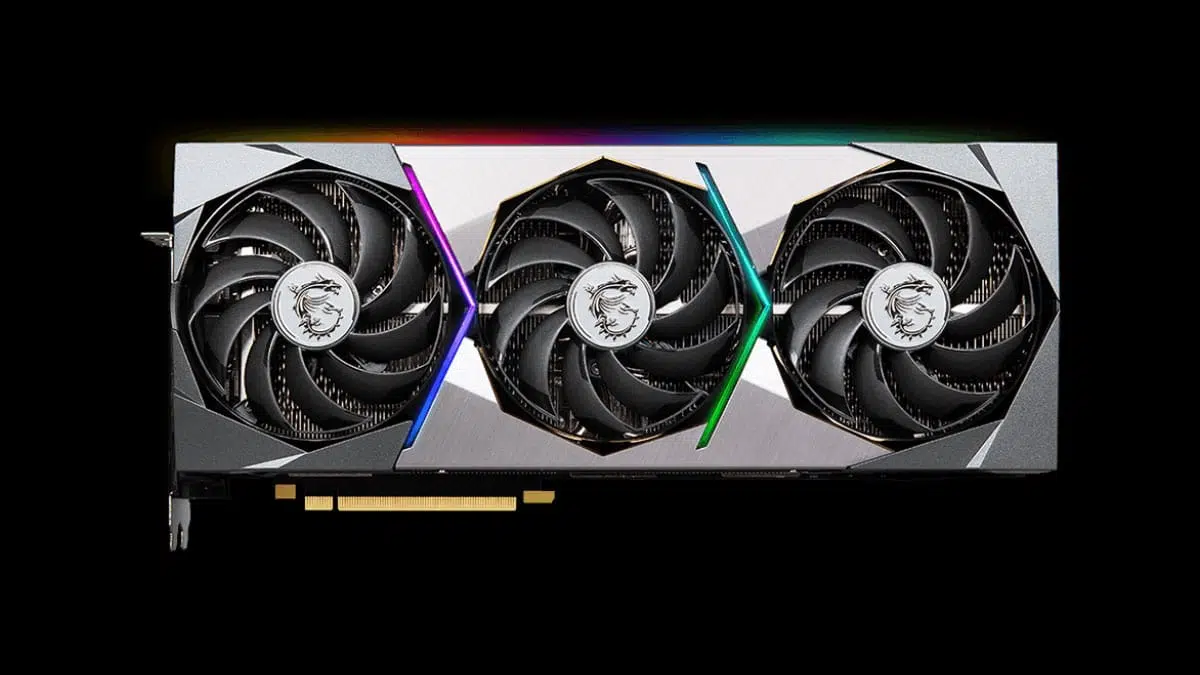
[…] a firm called Auras Technology says it has been designing vapor chambers for use in updated graphics card ranges. This is an interesting development as its current product pages only mention vapor chambers for laptop cooling purposes. Its PC GPU cooling solutions pages show only a traditional heatsink laced with heatpipes and attached to a large finned radiator. Other technical resource pages show that Auras has experience in coolers with heatpipes, vapor chambers, and combinations of the two technologies.
Elsewhere in the DigiTimes report, cooling fan specialist Sun Max seems to be highly optimistic about the next generation of GPUs and says it is already enjoying record high revenues and profits. Sun Max says it has spent over US$2 million on fan R&D in the last year, and has filed hundreds of patents over the same period. As well as PC cooling fans, Sun Max produces custom solutions for smart fan, network device, server, automotive, and more. Sun Max’s PC gaming related shipments brought in US$63.33 million last year and things are apparently going even better in 2022.
Source: DigiTimes (via Tom’s Hardware)
Discussion (7 replies)
Join Discussion →In the book of NO SHIT SHERLOCK this has to be a page 3 reference.
Weird part is, the demand should be coming from the OEMs. In general, consumers aren't swapping coolers on GPUs - and most GPU manufacturers won't warranty such a modification, IIRC.
Yeah, but if you're dropping $1k+ on a high-end card, that crowd has no problem dropping another $200 +/- to get an top-tier cooler to go with it. I wouldn't be surprised if we see services offering installation either (it may already exist, idk) -- for the Twitch crowd that just wants the best but has no idea how to DIY.
If next step down from top tier is 1k... I won't be swapping my cooler on my card. Not yet... and not until card makers understand that that is a thing.
EVGA does, don't know who else though. EVGA also sells AIO kits for their cards if you can find one in stock.
Very true... but I mean like motherboards and CPU manufacturers today. The GPU comes with a block on it. But is DESIGNED to be replaced. And universal mountings for specific designs... stuff like that. Sounds like EVGA is right there and that's good.
I wouldn't go so far as to say designed to be replaced, but perhaps as far as not designed not to be replaced. Logically the same of course, but it's more that EVGA isn't actively inhibiting GPU cooler replacement than they are designing their GPUs and associated coolers specifically for that purpose.
EVGA also tends to use the same layout for many adjacent classes of cards, for example, all of their 'FTW3' 3080 10GB / 12GB / TI and 3090 models share the same PCB layout. They actually use slightly different coolers on some, but the same waterblocks will usually work on all of them. I do recommend doing the research first, though!