
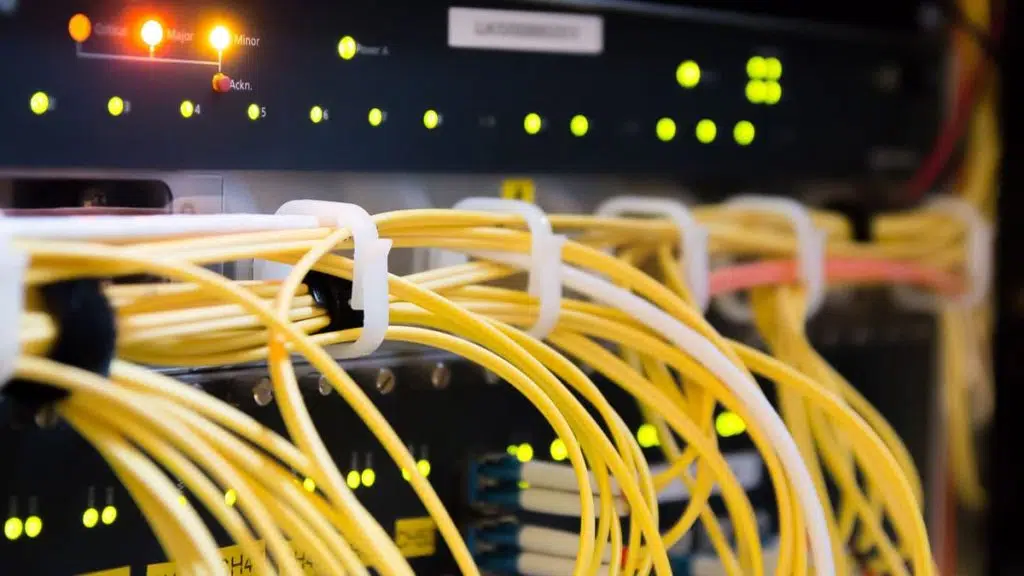
President Biden has announced a $42.5 billion plan to provide high-speed internet access to every American household by 2030. The funds, already allocated by Congress through the Bipartisan Infrastructure Law, will be distributed over the next two years through the Broadband Equity, Access, and Deployment (BEAD) program. The initiative is part of Biden’s “Investing in America” tour, aimed at promoting his legislative wins on infrastructure, the economy, and climate change ahead of his 2024 reelection campaign.
Each state will receive a minimum of $107 million, with 19 states receiving over $1 billion. Texas, for one, is slated to receive more than $3.3 billion under the program. White House officials have compared the plan to Franklin D. Roosevelt’s effort to bring electricity to rural America in the 1930s. More than 7% of the country, or over 8.5 million homes and small businesses, are considered underserved, with internet speeds below the government’s standards of at least 25 megabits per second (Mbps) for downloads and 3 Mbps for uploads.
States have until the end of the year to submit proposals outlining how they plan to use BEAD money, which won’t be distributed until those plans are approved. Once the Commerce Department signs off on the initial plans, states can award grants to telecommunications companies, electric cooperatives, and other providers to expand internet infrastructure. Under the rules of the program, states must prioritize connecting predominantly unserved areas before bolstering service in underserved areas and in schools, libraries, or other community institutions.
The funding amounts depend primarily on the number of unserved locations in each jurisdiction or those locations that lack access to internet download speeds of at least 25 Mbps and upload speeds of 3 Mbps. The government’s current standards for download and upload speeds are 25 and 3 Mbps, respectively, and more than 7% of American households are below this mark.
Secretary of Commerce Gina Raimondo said, “Whether it’s connecting people to the digital economy, manufacturing fiber optic cable in America or creating good-paying jobs building internet infrastructure in the states, the investments we’re announcing will increase our competitiveness and spur economic growth across the country for years to come.”
Biden emphasized that high-speed internet is no longer a luxury but an “absolute necessity” and pledged that every household in the nation would have access by 2030 using cables made in the U.S. He added that his administration is working with service providers to bring down costs on what is now a household utility—like water or gas—but often remains priced at a premium.
Additional reading:
Discussion (8 replies)
Join Discussion →This will be a sham of epic proportions.
Watch HughesNet and Starlink walk away with something like $500M+ and provide worse service than they did before. And somehow Comcast and AT&T will pocket a big chunk of this, so they can upgrade fiber in neighborhoods that already have it.
Exactly. The only question I have in mind is what crumbs of actual service will be left after all the corruption is paid. Honestly each decade things get worse and worse with the built in corruption.
Don't worry. Hunter is starting a company that will be laying the fiber and receiving 70% of that $42.5B
Oh god, I started laughing, I was like huh? and then I stopped.
Honestly what I would LOVE to see is none of this money go to corporate overlords to decide what to do with it,. That it is given to under served communities to deploy their own fiber rings and sell service to the locals.
Guess what... that rural town that no IT pro would move to... now they have 10 gig connections for their homes for less than 60 bucks a month. Betcha once a few news items like that come out those communities see some growth.
For me to move I almost require a fiber connection with 1 gig minimum. More is better if the price is right of course.
Further... all of these local non compete clauses that have been drawn up need to be deemed null and void. Tomorrow. Let the chips fall where they may.
I agree. All these "exclusivity" deals between service providers and municipalities need to go away. If another provider wants to come in and lay down their own infrastructure they should be able to do so without having to grease the pockets.
I didn't know Tim Sweeney was in charge of internet service providings in the US :D
[embedded media]