
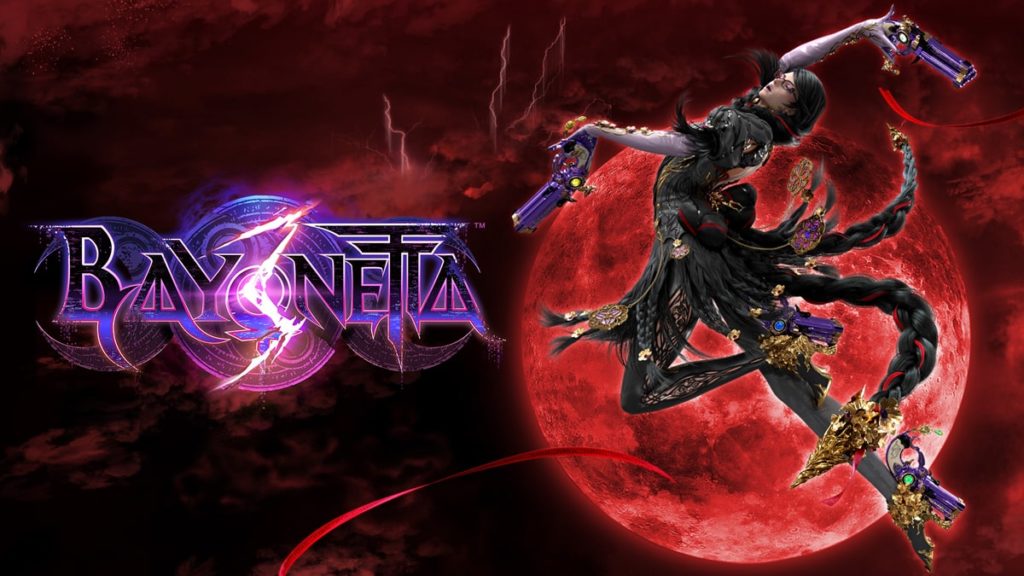
PlatinumGames has responded to the claims made by the original Bayonetta voice actor Hellena Taylor who said she was only offered $4,000 to reprise the role. Bloomberg was able to contact two PlatinumGames employees who, under the condition of anonymity, provided paperwork that the publisher had actually offered her $3000-$4000 per 4-hour session for five planned sessions in the studio. Taylor was said to have declined this offer and countered with a six-figure offer that included residuals from the game, which was turned down.
Residuals have been a sticking point for voice actors who have been petitioning for them to be included in their contracts. SAG actually orchestrated a strike in 2016 with residuals, or additional compensation when a game’s sales manage to outperform its expectations, included in its demands. A compromise was settled upon instead whereby bonuses for sessions could be provided. PlatinumGames said that it did offer her a return cameo spot, for a single session, which she then declined.
Taylor has gone on to say that the information provided to Bloomberg is “an absolute lie” and that PlatinumGames was “trying to save their ass and the game“. She added that she stands by everything she has said but at this point would like to put it all behind her and move on with her life in the theater.
Peer Support
Fellow voice actors Bryan Dechart and Sean Chiplock have spoken up about their similar experiences. Bryan Dechart (Cyberpunk 2077, Red Dead Redemption II), said he was offered a one-time amount of $4,000 to work on a nonunion project for a big-budget game but walked away. Sean Chiplock (three characters in The Legend of Zelda: Breath of the Wild), said he was paid around $2,000-$3,000 for that job but had made more money on a lesser-known project.
For those curious, yes, this has happened to me
— Bryan Dechart (@BryanDechart) October 15, 2022
I booked the lead character of a AAA game by a studio that has made MANY games. They refused to register the project w/@sagaftra & offered to pay $4k for the entire game. I passed, but someone else did it & no ground was gained…
I was paid approx $2,000-$3000 overall because it was based on the total number of hours in the studio (which was higher because of voicing 3 characters in a single game).
— Sean Chiplock SOON @ Anime Texas (Woodlands, TX) (@sonicmega) October 15, 2022
I made MORE from voicing Spade/Dail in Freedom Planet 1 because *that* generously gave me sales royalties. https://t.co/37tDNdshOU
Even though PlatinumGames has responded there is clearly more going on than is immediately apparent. This situation has brought to light the challenges between developers and voice actors. It was said that the upcoming Bayonetta 3 game spent roughly $900 per session for its other union actors and that the voice acting costs for this game have been higher than the previous ones.
Discussion (2 replies)
Join Discussion →LOL I'm sorry but a session fee with no residuals is a WASTE of time for a voice actor unless they are just starting out. If a voice actor is established and doing any sort of commercial work they are getting paid quite well from that. I think having a solid relationship with your voice actors is important.
As someone who wants to work in that industry I would be elated to make 4k a session and walk away with my name on a project. I'd probably accept much lower as well.
BUT, anyone established is more interested in residuals especially for a game that is going to be around for a long time. I could see them taking a lower session fee with a moderate residuals return.
I kinda see two angles here
The first - that equates to roughly $1,000 / hr for ... talking. That's ... really difficult for me to wrap my head around as being inadequate compensation.
But
The second - I get it - talent deserves to get paid what they are worth, and for those that are serious and make it their sole career you need to pull in a lot of cash because the work comes in spurts. And that's why talent hires agents - those folks sole reason for existence is to get a better deal - with the concept being the agent gets a cut and that it nets higher for all involved. If she was trying to negotiate on her own behalf - well... you can do that, but you aren't going to get a lot of leverage.
I have no idea what is considered "fair" for voice acting - it's not exactly a new industry but it is pretty niche.