
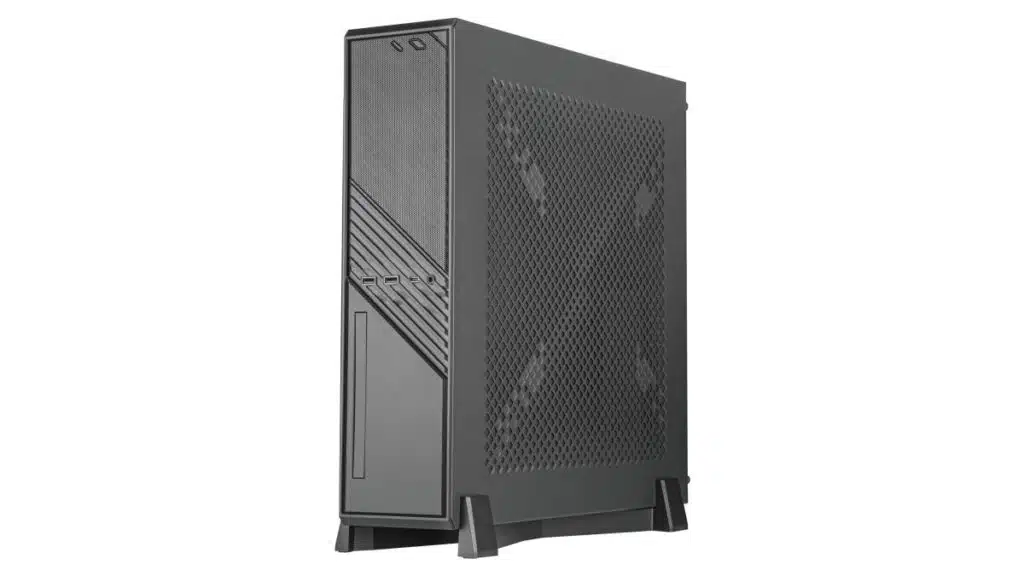
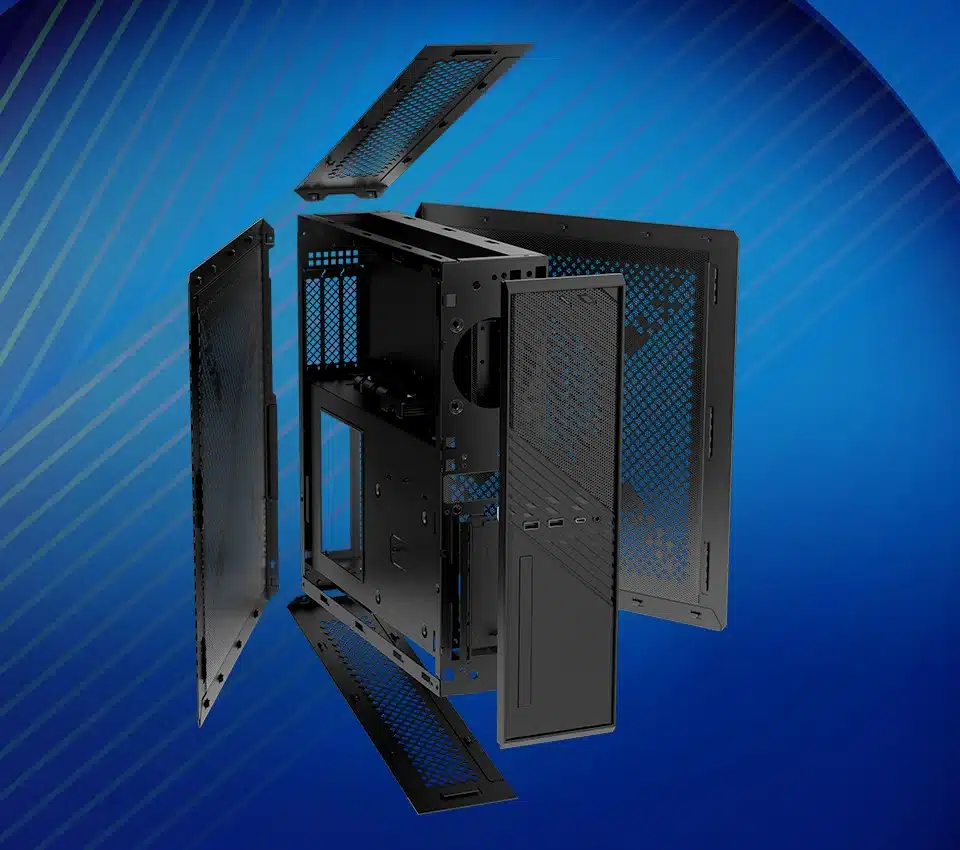
The SilverStone MILO 12 is a new dual chamber enclosure for Mini-ITX motherboards with up to an ATX-sized power supply. The case features removable panels on the front, sides, top and bottom, for installing components. All sides of the case feature a metal mesh allowing for optimal airflow and the dual compartment design helps to keep heat from the CPU and GPU separate from each other. A modern 3-slot graphics card of up to 345mm in length can be mounted via an included PCIe 4.0 riser card and holder. There is also an adjustable GPU holder and tray cutout for M.2 NVMe drives and CPU cooling upgrades.
“SilverStone Technology today announced the immediate availability of the latest installment from the MILO series line, MILO 12 – a 15.6L slim and compact Mini-ITX case suitable as an HTPC system that sits next to your TV or as a high-performance workstation.“
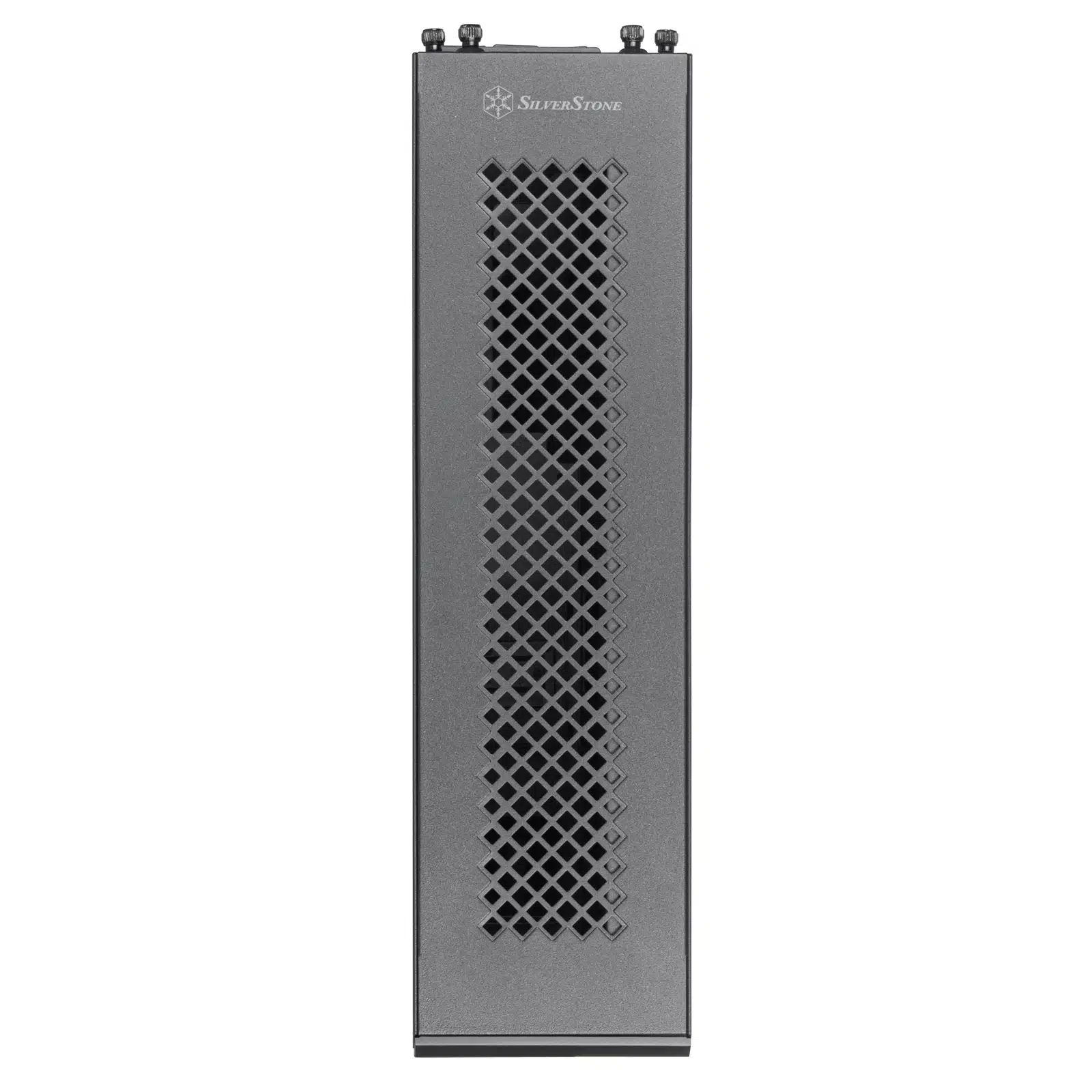
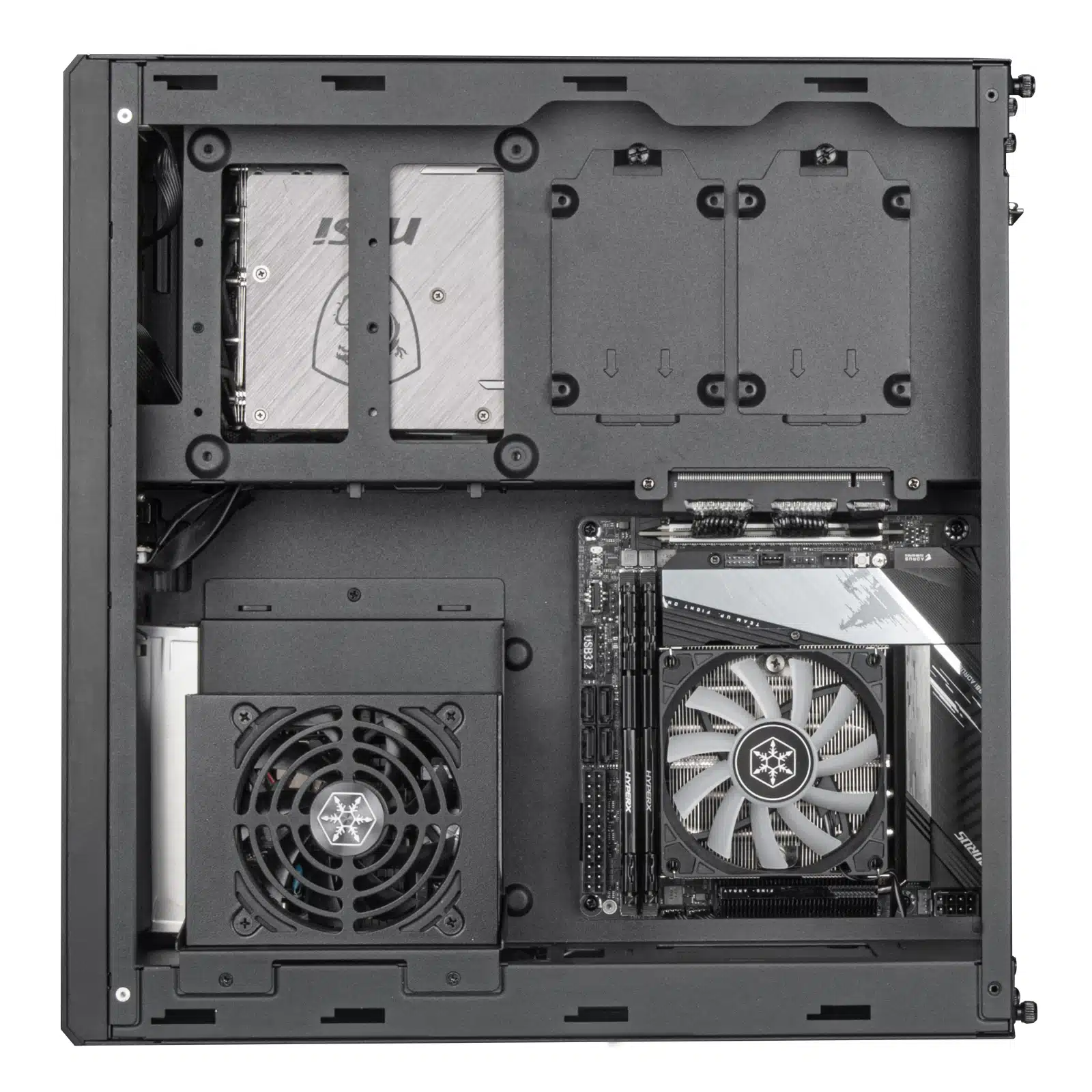
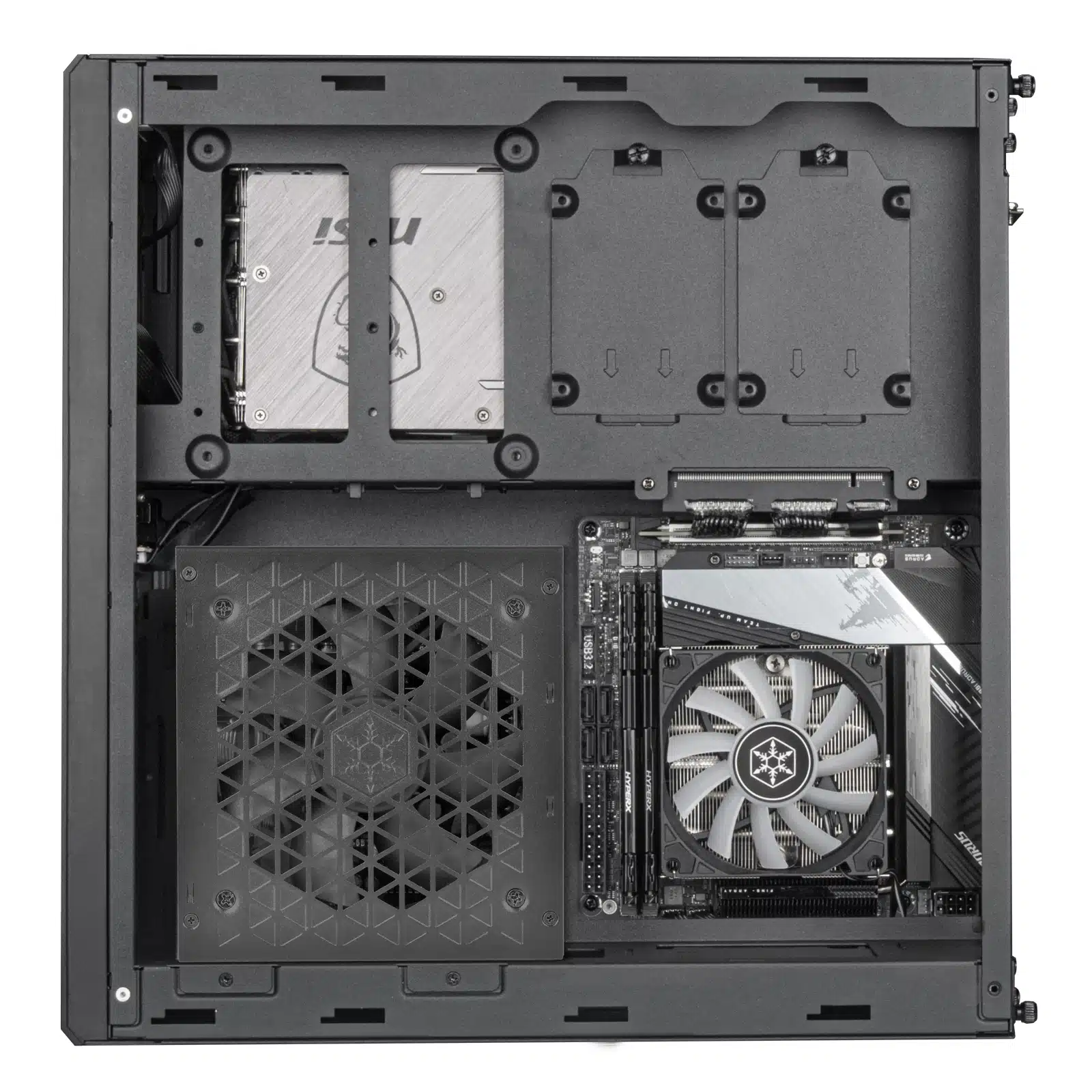
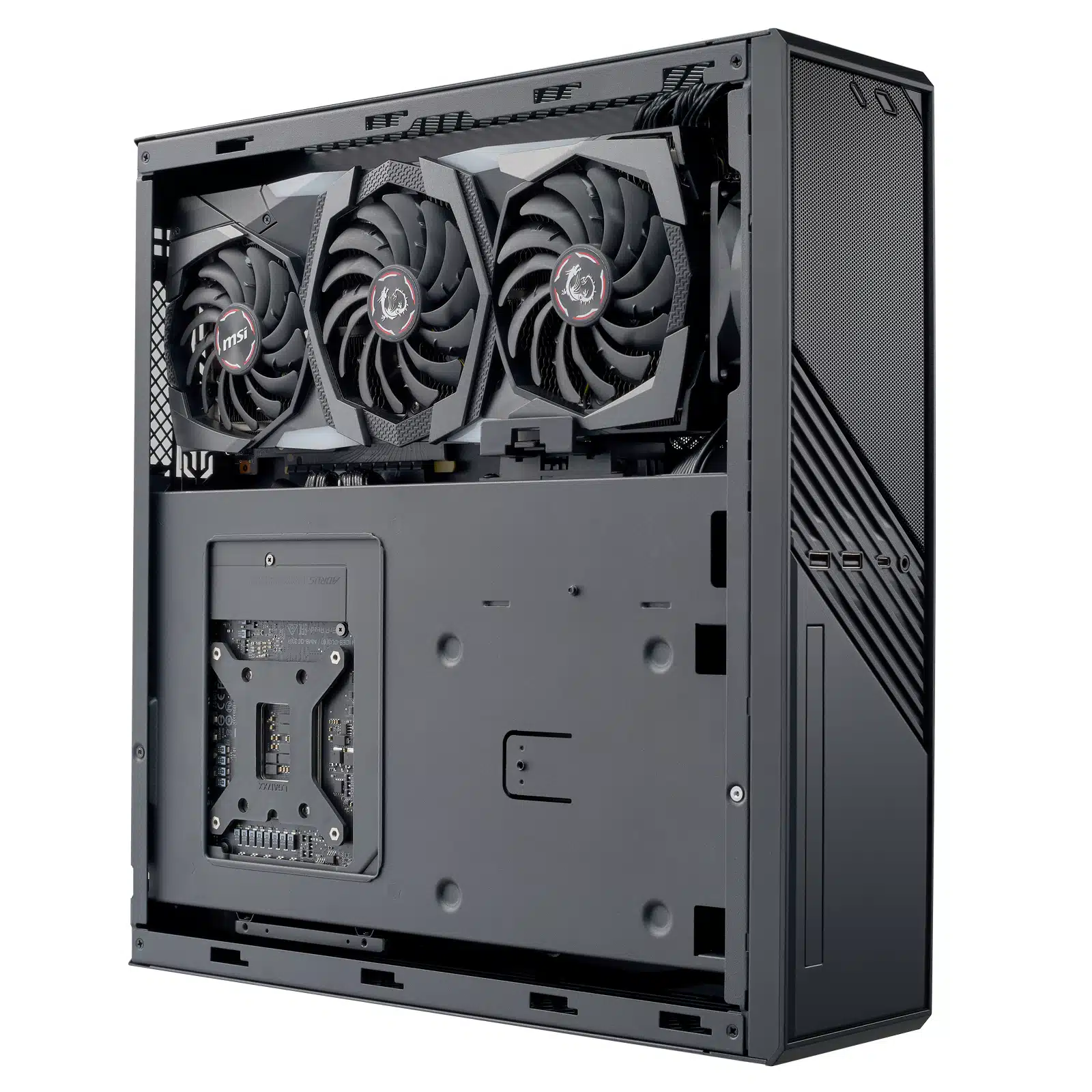
Specifications
- Model – SST-ML12B
- Material – Plastic bezel, steel body
- Motherboard – Mini-ITX
- Drive Bay(s) – An external 9.5mm slim optical bay (only usable with SFX/SFX-L PSU), and 4x 2.5″ internal bays
- Cooling options – Front 1x 80mm up to 15mm thick, Side 1x 140mm, CPU cooler up to 77mm tall
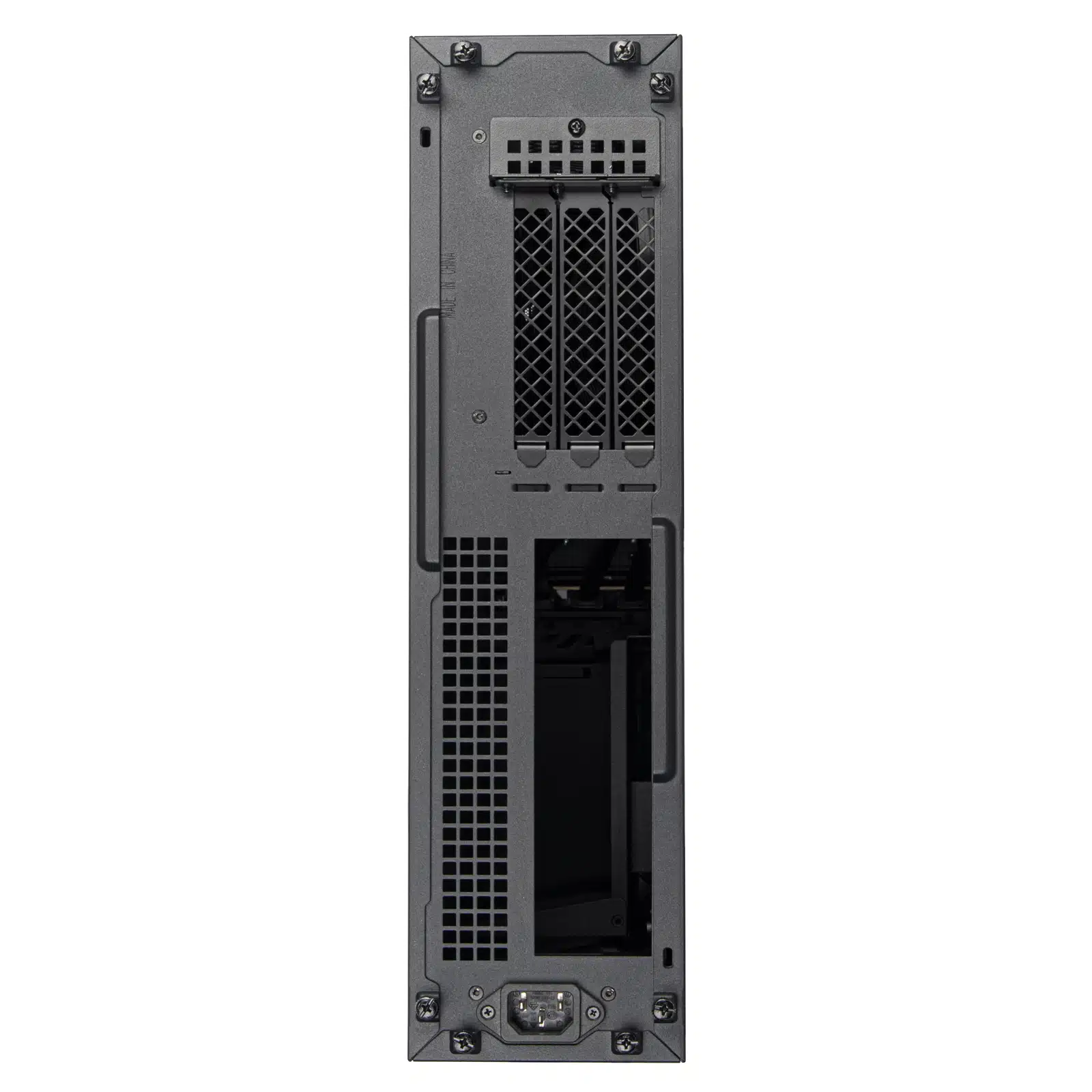
- Expansion slots – 3
- VGA Card – up to 345mm (length) x 160mm (height)
- PSU support – Standard PS2(ATX) or SFX/SFX-L up to 160mm via included ATX adapter
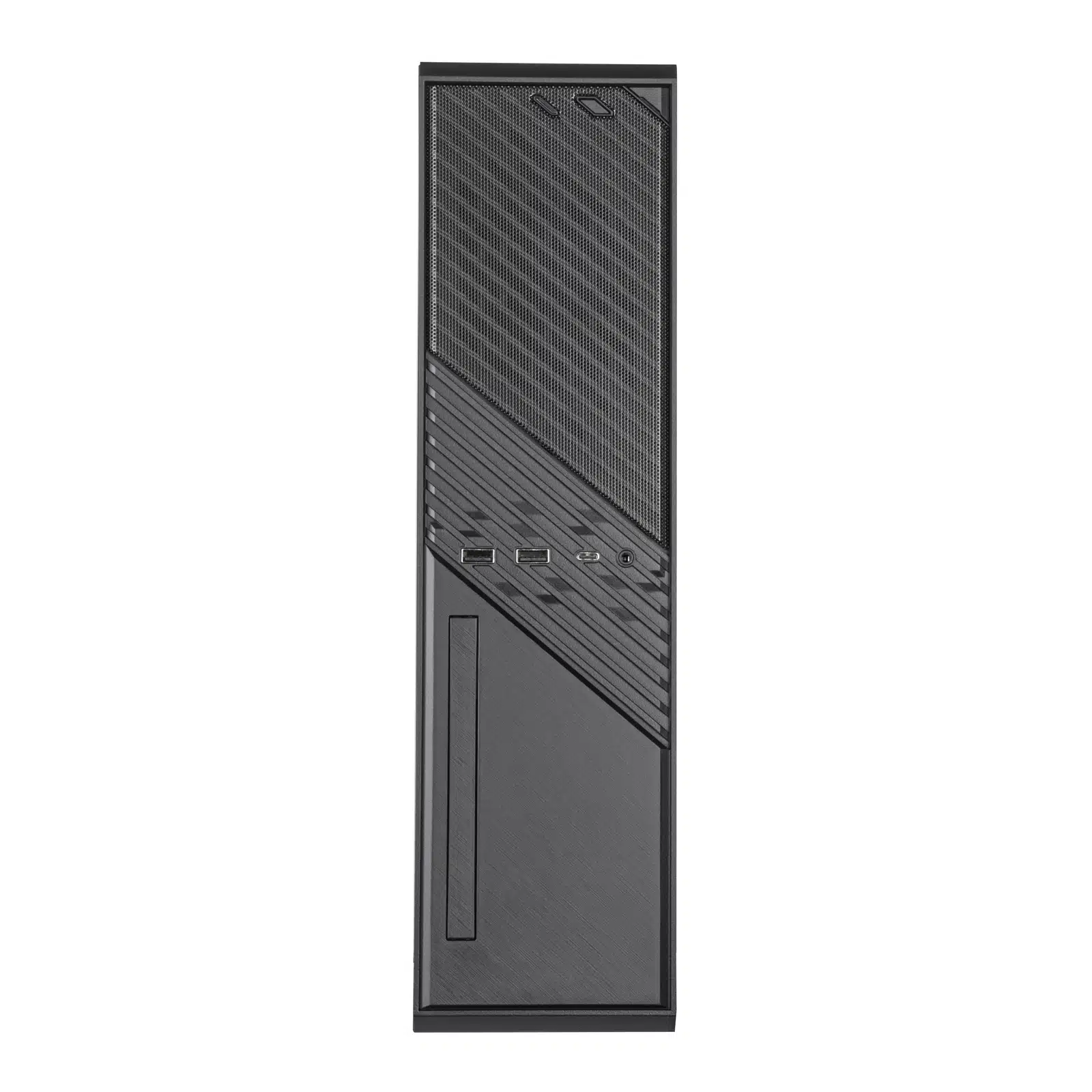
- Front I/O ports – 1x USB Type-C, 2x USB 3.0 Type-A, 1x combo audio port
- Dimensions – 105mm (W) x 393mm (H) x 378mm (D)
- Weight – 4.89kg
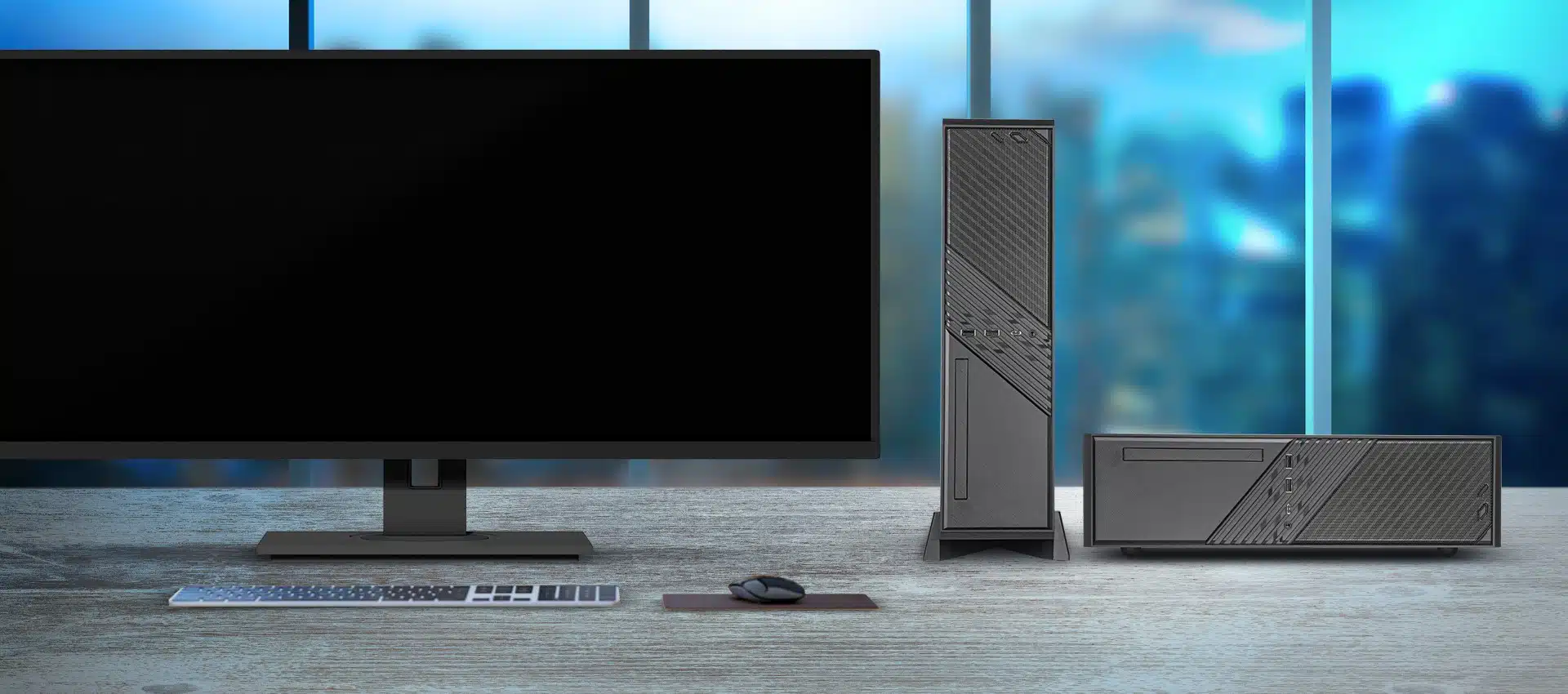
Feet and a stand are included that supports either vertical or horizontal placement. The sleek, minimalistic design makes for either workstation use or a small but powerful HTPC. The MILO 12 is available from SilverStone for $189.99.
Discussion (4 replies)
Join Discussion →Hmm...
I guess it depends on what you do with it - but totally open mesh isn't always the best thing.
Sure, it doesn't restrict airflow - but sometimes you do want to direct airflow. Data centers and energy storage and other high density applications will have hot and cool channels, for example.
Not sure if your typical home PC is dense enough to really matter - most of the heat is going to be coming from the GPU, I guess it depends on cooler design and what all else you have in there and what not.
I do like how the dual-chamber design separates things a bit though. Getting the GPU away from the CPU seems like a step in the right direction but I agree that venting in all directions can be a mixed bag. Careful thought in fan placement is crucial to making the best of it but I think they missed out on a great opportunity by not supporting at least 1x 240mm AIO in the front.
I was always proud that I achieved near liquid-cooled performance levels with my HAFs but it was at the expense of noise, a ton of fans, and a huge footprint. I put a considerable amount of thought into fan placement and airflow direction to achieve it. They served me well, for over a decade, but I'm glad to be moving onwards with smaller and quieter options.
My first custom loop is a wash in terms of performance, but in terms of noise? Night and day.
CPU cooling is the Achille's heal here. Anything more than ~70W is going to struggle, and anything that likes to clock high is going to be limited. If you can't get at least a 240mm AIO when height constrained, I have to say personally that I'm not really interested; the case isn't actually designed with gaming or 'workstation' use in mind.
I agree. They were close to that goal but need a little bit more size to have achieved both. For those with med-light needs, it'll work but beyond that in either direction and it gets tricky.