
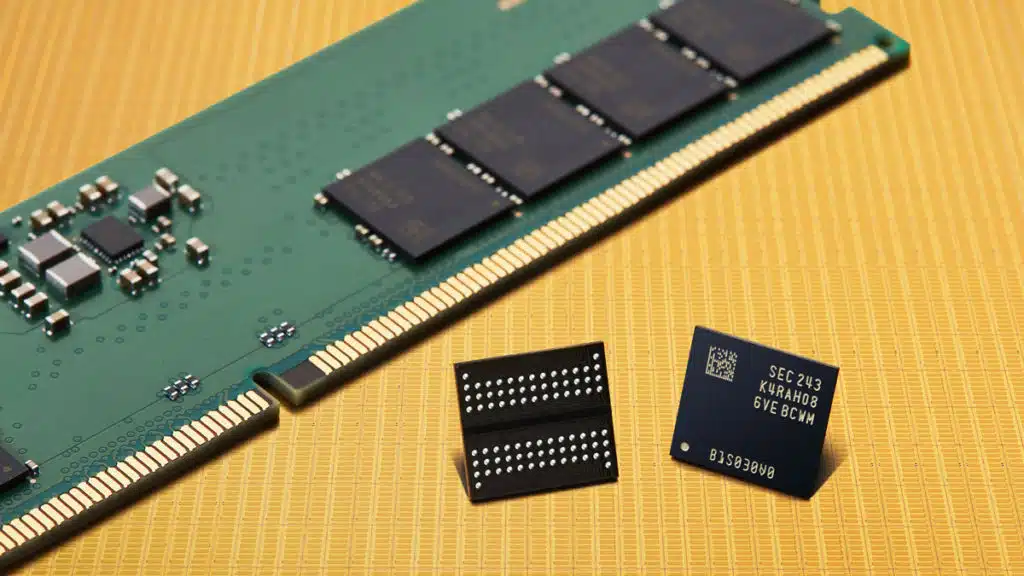
The effects of the rampocalypse are about to be examined more closely now that Samsung, Micron, and SK Hynix have all been named in a lawsuit. According to Law360 (via VGC), the class action lawsuit was filed in California on June 25 by a group of 17 plaintiffs comprising individuals and businesses who have accused the trio of working to raise prices while reducing supply. It’s no secret that DRAM/NAND supply has been redirected to data centers in an effort to feed the demands of AI, but conversely, the consumer market has seen component prices skyrocket to unprecedented levels. The lawsuit in particular accuses the manufacturers of shifting production to HBM while abandoning older formats such as DDR3 and DDR4, which are still used by many individuals and businesses around the world.
““The DRAM oligopolists have simultaneously cut production, coordinated a pivot to HBM and exit from DDR3 and DDR4, and otherwise decreased and locked up conventional DRAM supply while prices charged up with mind-blowing scale and rapidity,”
– Garciaguirre v. Samsung Electronics
Samsung and SK Hynix are no strangers to the courtroom after having once been sued for price fixing in 2005. The two pleaded guilty to the charges, which resulted in an $185 million fine. This latest lawsuit cites Apple’s recent price hikes as evidence of the collusion, but could face an uphill battle after other similar cases in recent years saw rulings in the manufacturer’s favor. Meanwhile, per TechPowerUp, DDR5 has seen roughly a 700% price inflation rate over the last year, yep, that’s perfectly, cough, cough, normal. Surely no judge would ever consider that an acceptable anomaly?
It will be interesting to see how this unfolds as multiple entities such as Apple, Microsoft, Sony, Nintendo, and many more continue to attempt to navigate the ongoing memory shortage. In the end, it is consumers and businesses who are left to shoulder the burden of the price increases, and most would agree that the camel’s back is already broken.
Discussion (2 replies)
Join Discussion →Recap of what that meant for the consumers in 2005?
Because I don't see this making RAM affordable or available for us even if they lose.
Shock... amazement... companies that have colluded over.price fixing for every other market they are in are doing it for RAM too?!