
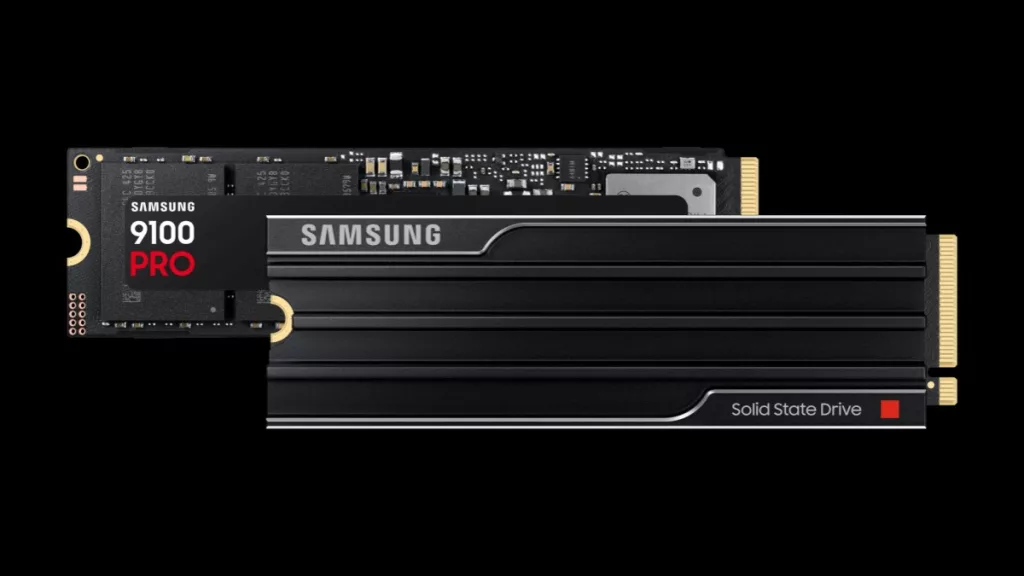
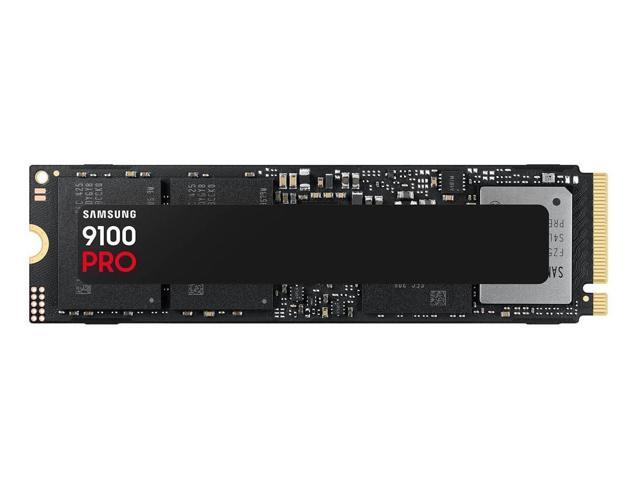
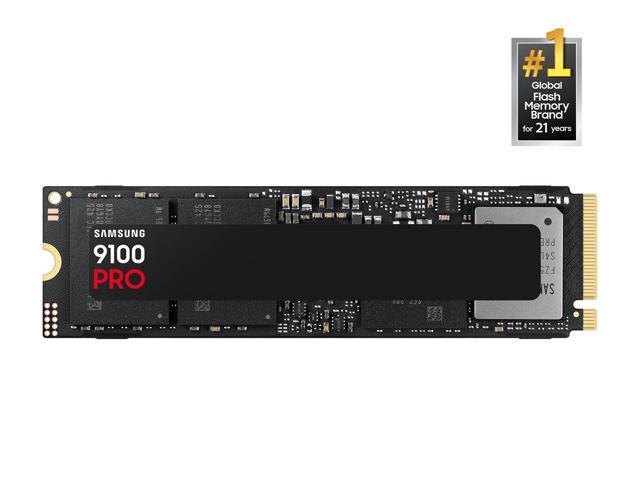
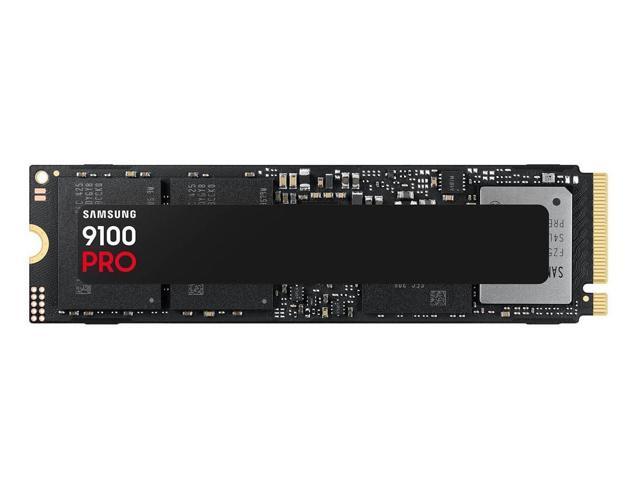
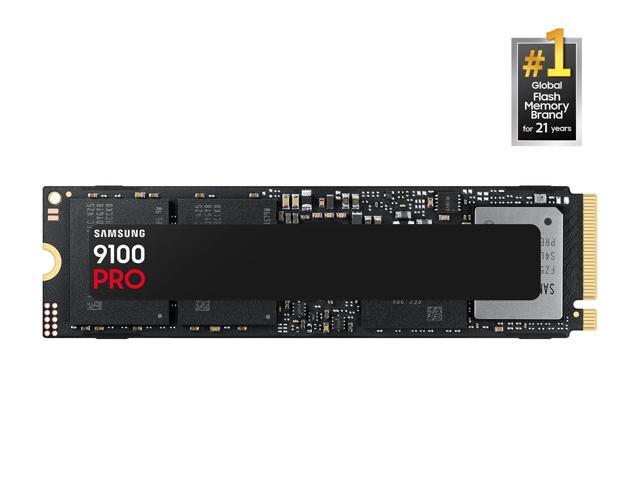
Samsung has launched one of the fastest Gen5 SSDs with a whopping 8 TB of storage capacity, but be prepared to drop some cash for it. Samsung debuted its 9100 PRO series back in March, but at the time, it was only available in 1 TB, 2 TB, and 4 TB versions. Samsung’s 9100 PRO essentially supplants the 990 PRO Gen4 series as its new premier Gen5 line. With transfer speeds up to 14,800/13,400 MB/s for sequential read/write operations, the 9100 PRO series sits at the top of the fastest SSD lists. Random read/writes come in at 2,200K/2,600K IOPS, separating the latest product stack even further from the previous.
“From AI-driven creators shaping the future to gamers pushing the limits, we saw a clear need for innovation to support users who need more forward-thinking memory technology as they push the bounds of what’s possible in their work,”
-Jim Kiczek, Vice President of Memory Product Marketing at Samsung
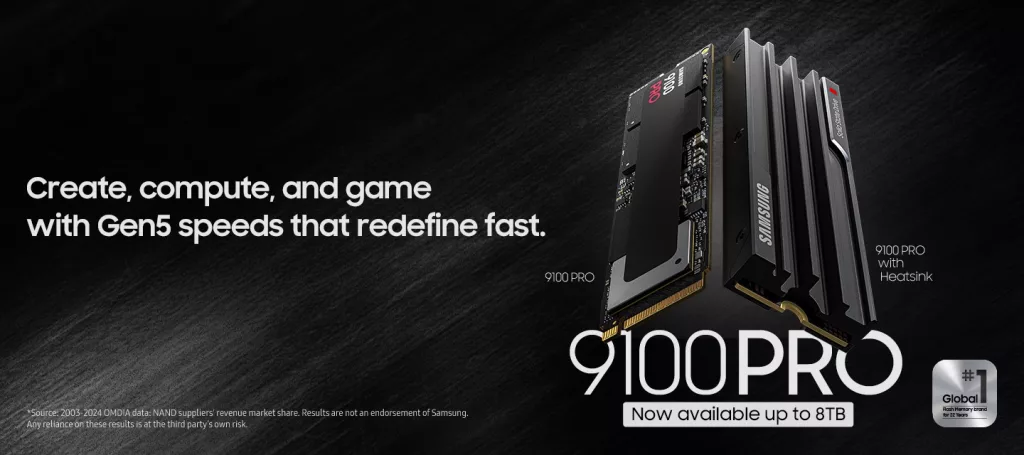
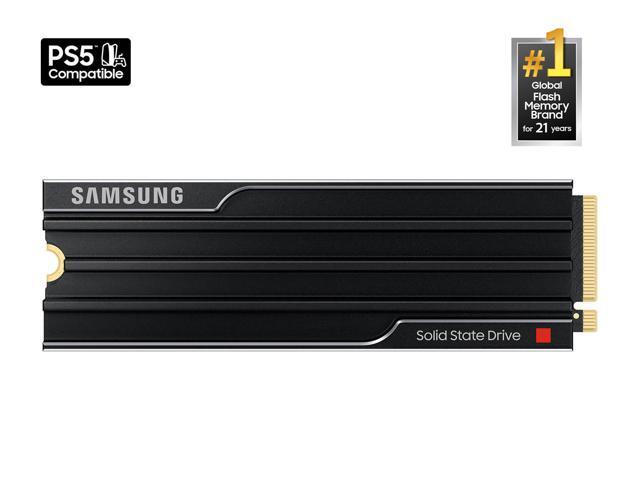
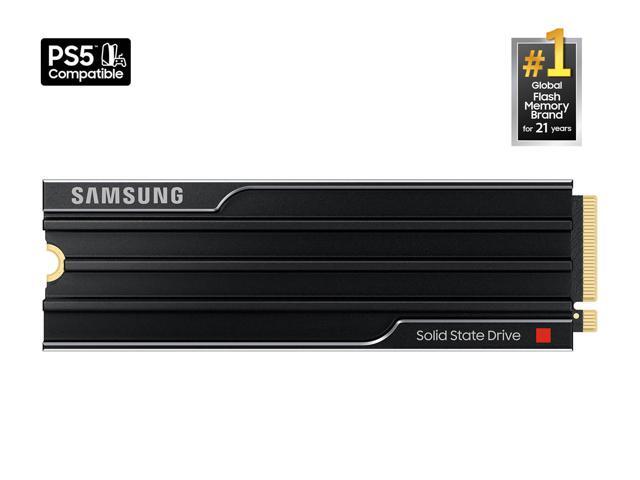
Now available in an 8 TB storage capacity, those with some extra funds on the side can enjoy the benefits of both worlds with fast transfer speeds and massive storage options to boot. The Samsung 9100 PRO 8 TB goes for essentially $1K but will cost you another $20 to get it with a sleek-looking heatsink. All versions in the 9100 PRO series come with a 5-year limited warranty. At the time of this writing, Amazon has put up a link for the 8 TB model but has indicated it is not yet in stock. For those who can’t wait to purchase, it can be pre-ordered directly from Samsung here. Meanwhile, Amazon and Newegg have other models in stock, with some currently on sale.
“From those with heavy data workloads to high-performance gamers, we recognized a clear need to innovate memory technology to support users as they push the bounds of what’s possible in their work,”
-Jim Kiczek, Vice President of Memory Product Marketing at Samsung Electronics America
Samsung 9100 PRO Specifications
| Samsung 9100 PRO / 9100 PRO with Heatsink | |||||
|---|---|---|---|---|---|
| Interface | PCIe® 5.0 x4, NVMe™ 2.0 | ||||
| Form Factor | M.2 (2280) / M.2 (2280 with Heatsink) | ||||
| Hardware | NAND | Samsung V NAND TLC (V8) | |||
| Controller | In-House Controller | ||||
| Cache Memory | 1GB LPDDR4X | 2GB LPDDR4X | 4GB LPDDR4X | 8GB LPDDR4X | |
| Capacity | 1TB | 2TB | 4TB | 8TB | |
| Performance | Seq. Read/Write (MB/s) | 14,700 / 13,300 | 14,700 / 13,400 | 14,800 / 13,400 | 14,800 / 13,400 |
| Ran. Read/Write (IOPS, QD32) | 1,850K / 2,600K | 1,850K / 2,600K | 2,200K / 2,600K | 2,200K / 2,600K | |
| Power | Active (Read/Write) | 7.6W / 7.2W | 8.1W / 7.9W | 9.0W / 8.2W | 10.5W / 8.8W |
| Device Sleep (L1.2) | 4.0mW / 3.3mW | 4.8mW / 4.0mW | 6.5mW / 5.7mW | 9.3mW / 8.6mW | |
| Data Encryption | Class 0 (AES 256), TCG/Opal v2.0, MS eDrive (IEEE1667) | ||||
| Total Bytes Written (TBW) | 600 | 1,200 | 2,400 | 4,800 | |
| Warranty | Five (5) Year Limited Warranty* | ||||
| Warranty | *Five years or total bytes written (TBW), whichever comes first. For more information on the warranty, please refer to the enclosed warranty document in the package. | ||||



Discussion (6 replies)
Join Discussion →OOF... while I like mine... I don't know that I would consider spending 1k for 8TB in a single drive. At least not right now. ESPECIALLY for consumer grade TBW.
If you're on say AMD and ITX, and you're limited to a single PCIe 5.0 NVMe slot, and you need the storage space at speed... then I guess?
I feel that this is more just Samsung demonstrating that they've cleared the technical hurdle. Typically consumer 8TB NVMe drives are QLC etc.
Yeah, while having 8TB of flash will likely mitigate a substantial amount of abuse - it's not hard to see that a scenario that reaches the point of being 'abusive' would probably benefit from enterprise durability.
I think for most of us this is more of a nice to dream about kind of thing. I've found 4 TB plenty for my gaming rigs and even though I can fill it, I don't really need to. After a bit there's plenty of games I'll never go back to at this point. However I totally agree that if you only have one 5.0 slot then this starts to look like an option if you've got the cash and it can support the speeds and cooling.
I thought the larger the drive the better it handles abuse due to wear leveling. Meaning you basically have to abuse a 8TB drive 2x as much as a 4TB to have the same amount of wear.
I'll file that under 'yes' and also 'it depends'. If Samsung just put 2x the amount of flash on the drive, then yes; if they accounted for the additional wear resistance and lowered the amount of flash to keep TBW the same, then no.
the TBW is 2x the 4 TB drive so it's greater... just for that kind of size.. I'd want more durability. But that's just me.