
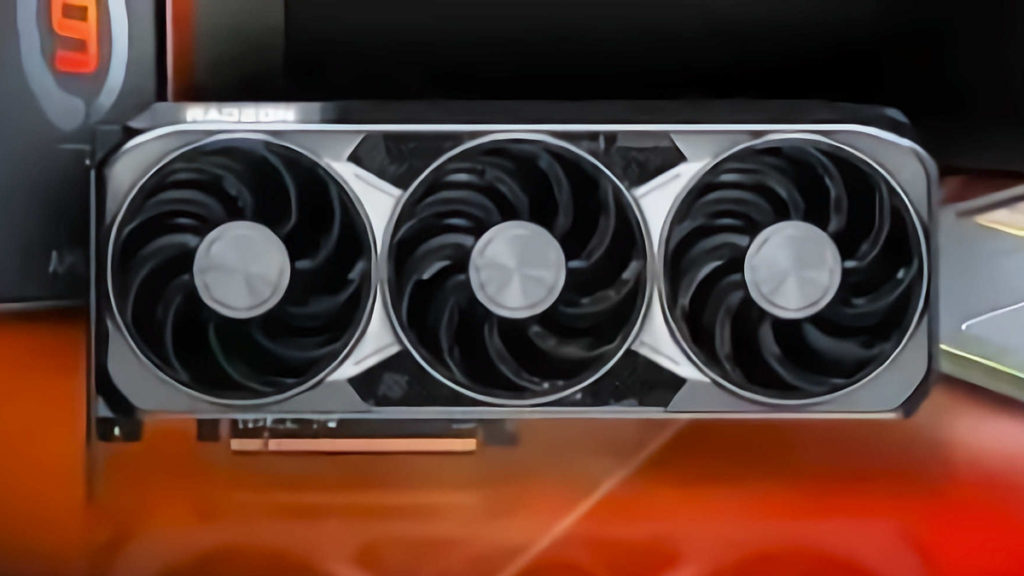
The GPU market just got a little worse for Red Team fans. ASUS has silently updated pricing across several Radeon RX 9070 XT models in its own US storefront, with no announcement, no press release, and no explanation — the kind of move that tends to be noticed only when someone checks PCPartPicker overnight and does a double-take.
The ASUS Prime Radeon RX 9070 XT OC moved from $799.99 to $939.99, a jump of $140 or roughly 17.5%. The TUF Gaming Radeon RX 9070 XT OC followed a similar trajectory, going from $849.99 to $989.99 — up 16.5%, and now sitting a hair’s width from a four-digit GPU. PCPartPicker reflected the same changes, suggesting they went live overnight with no soft rollout or warning.

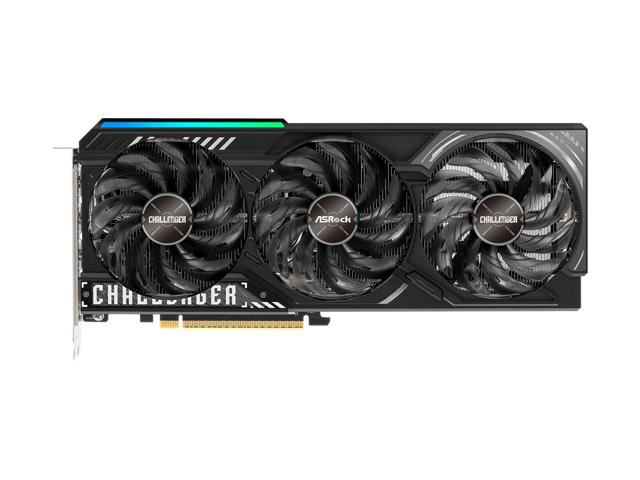

ASUS’s own store prices were never the market-making reference point. As of this writing, the ASRock Challenger RX 9070 XT and several other partner models can still be found on Newegg and Amazon in the $699 to $729 range, which represents a much more palatable position for a card that competes with the RTX 5070 Ti at a fraction of its price. The Sapphire Pulse and Gigabyte Gaming OC models are also still circulating with promo-code bundles bringing them to effective $699 pricing. So if you’ve been watching the market and waiting, the bottom hasn’t necessarily fallen out — ASUS just apparently decided it didn’t want to be anywhere near the low end of that stack.
We’ve covered the ongoing DRAM crisis and its ripple effects on GPU pricing extensively, and ASUS has been one of the more aggressive AIB partners in pushing above MSRP across its GPU lineup, including earlier price hikes on RTX 5090 models. The RX 9070 XT launched with a $599 MSRP — a number that remained largely theoretical for weeks before some models finally approached it. Now ASUS is pulling its own pricing a long way in the opposite direction. AMD has raised its own RDNA 4 distributor pricing by $10 per 8GB of VRAM, which adds $20 to the 16GB RX 9070 XT’s cost to channel partners, but that alone doesn’t explain a $140 retail swing.
The RX 9070 XT remains one of the better GPU deals in 2026 if you can find it at a reasonable price. If ASUS’s move signals a broader trend and other AIB partners start lifting their floor prices to match, the window for grabbing this card well under $800 could be closing. Shop accordingly, and skip ASUS’s store for now.
Discussion (1 reply)
Join Discussion →Shock and awe... Don't forget increased cost to transport anything and everything because of fuel costs. So we're all going to feel a similar burn across every product segment. Aint war great!