
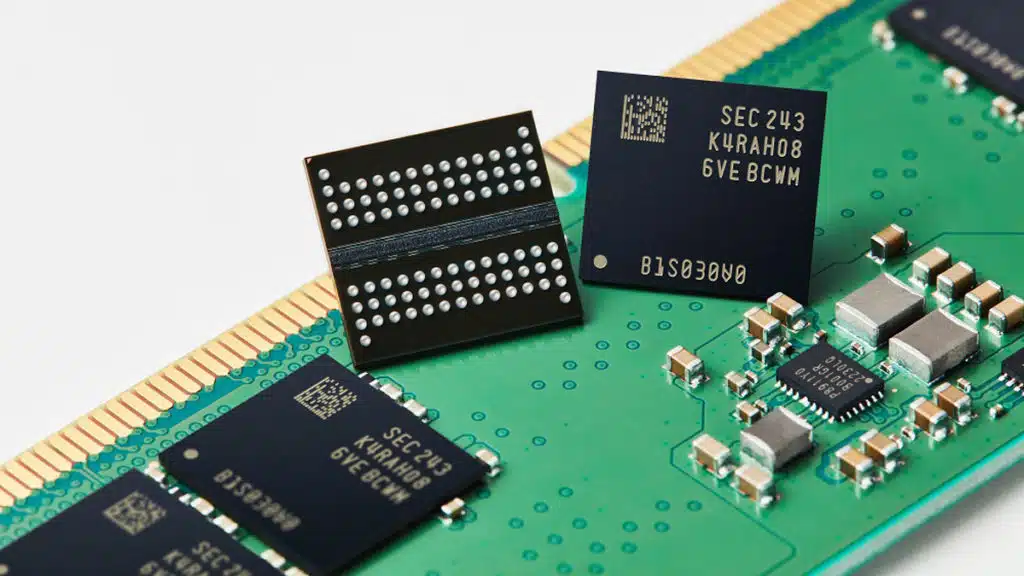
The current rampocalypse may be more than a short-run event, as one exec is now projecting its effects to be the new norm rather than the exception. A Lenovo exec speaking at ISC 2026 has indicated that projections regarding memory pricing are showing that price increases for memory components will continue into 2030 and possibly beyond. This counters many claims that the demand brought on by the expanding needs of AI would stabilize by 2028, but it seems that may not be the case. Wall Street China (via TechPowerUp) is painting a grim picture for those who’ve been hoping for prices to drop.
“In the future, all categories of terminals, including PCs and mobile phones, will face continuous price increase pressure, and price increases will ultimately become the “new normal” in 2030 and beyond.”
– Wall Street China
Lenovo showed that despite efforts by manufacturers such as Micron, Samsung, and SK Hynix to bring on more fabs to produce additional memory products, current pricing trends will continue. Lenovo’s data indicates that demand will still exceed supply after the new DRAM/NAND manufacturing facilities are up and running.
This news comes as both Apple and Microsoft have announced that each will be raising prices across the board for various products. Inbound price hikes are expected to be at least $100 more than what is currently found, and further increases could easily happen before the year is out. Microsoft and Sony have practically been in a race with each other since before the end of 2025, in continual price increases on their respective consoles, and more recently, laptop and gaming handheld manufacturers have also been raising their prices as well, but it’s not only consumers who are facing these increased costs, as enterprises are seeing similar trends and challenges.
“Enterprises will not be spared either—the procurement costs of servers and data center infrastructure will rise in tandem with memory prices, further increasing the overall investment threshold for AI and cloud computing infrastructure.”
– Wall Street China
Discussion (16 replies)
Join Discussion →The fleecing will continue until the poors have none left to give....
I wonder if the AI overlords have considered if they continue to consume all the computer parts, eventually, who will be left over to consume their product?
Fffffffffffuuuuuuuuuucccccccckkkkkkkk
My sentiments exactly.
Personally I hope these forward statements by CEOs lead to a massive increase in production capacity and the market is flooded so prices are forced to drop.
Not going to happen. Here is the manifesto. Avoid oversupplying the market. Expand production only when profitable demand exists. Don't repeat previous boom-and-bust cycles. Use long-term contracts instead of speculative production.
Just in time manufacturing and post human malware demand falling off a cliff was instructive for them. We will be the only ones getting shafted this go around.
The GPU hegemony will end as soon as a large enough LLM-on-chip is released. That will be a lot faster and if it gets 90% of the work done, there will be very few niche cases left to load up GPUs with LLMs.
[URL unfurl="true"]https://www.glukhov.org/llm-performance/hardware/llm-asics/[/URL]
Sounds like.tje ant company will want to rule the roost.
Similar to how ASICs killed mining BITCOIN on GPUs?
ASICs will kill LLMs on GPUs in the not so distance future?
apologies. apparently already posted in other threads
Heh, I hate that scene/section of that movie so so much. That meme amuses me greatly.
Agreed and usually fun seeing it get reused over and over again for the most mundane of things.
You know what? There has never been a bubble that hasn't burst.
web2.0 - gone
housing - gone
cryptomining - gone
nft - gone
metaverse - gone
They all thought they were going to the moon. So why would the datacenter bubble be any different?
Especially since they have built data centers that don't even have power available. It's major investor fraud. Promising them a future that the fraudsters have no intention of delivering. They will do the bare minimum, fill their swiss bank accounts with a fortune and disappear. Similar to a ghost city.
[embedded media]