
It’s a strange world where older modded graphics cards are flying off the shelf at a time when there are no new models to be seen. Once considered an odd novelty, more of a proof of concept, it’s becoming a more common practice for those with the know-how to modify graphics card PCBs to swap out memory for larger-capacity modules. This is at a time when AI is consuming memory components at an unprecedented rate due to component manufacturers prioritizing orders to datacenter and enterprise customers. Meanwhile, current-gen GPUs are seeing significant global price hikes, and the idea of “suggested” in MSRP is more of a bad joke than ever, thus providing even more incentive for some folks to push the envelope in upgrading older technology.
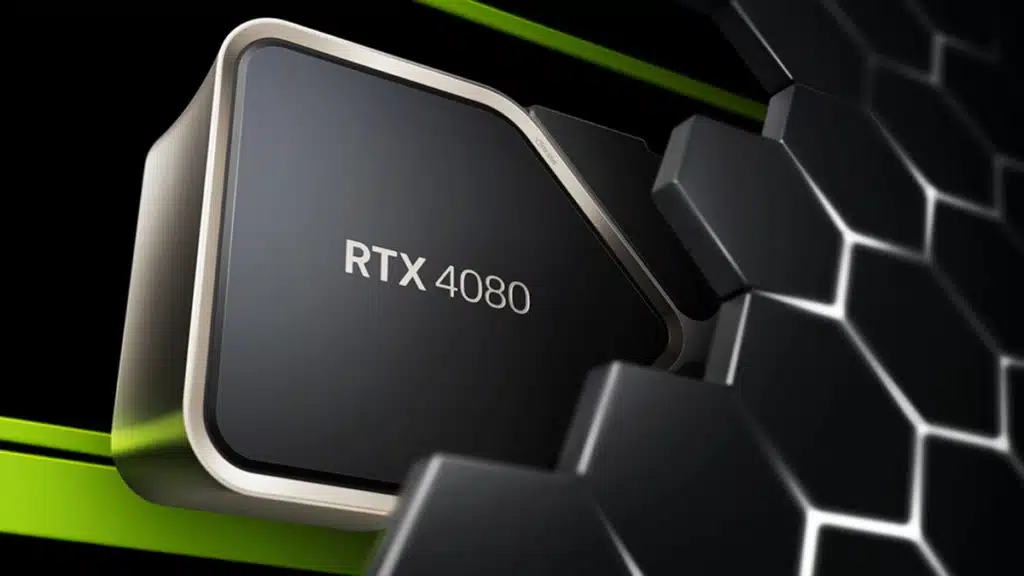
According to reports via VideoCardz, there are shops in China selling GeForce RTX 4080 graphics cards which originally shipped with 16GB GDDR6X memory, now outfitted with 32GB GDDR6X. The catch, of course being an increased price, but given the demand for AI use, these prices likely are not scaring off customers. These GeForce RTX 4080 32GB models are going for around $1,480. It’s unknown if pre-existing drivers support the new configuration and if any other issues may come up with the VRAM expansions. As any PC enthusiast knows, there’s a lot to consider when it comes to a PCB configuration, the biggest of which is stable power delivery, something that VRAM can crave in abundance. From these cards to RTX 4080 SUPER 32GB and RTX 4090D models with 48GB VRAM, the modified graphics card business has become a growing industry overseas. Given its recent interest in reviving certain RTX 30 series cards, one has to wonder why NVIDIA has done more to delve into this market.
Meanwhile, another RTX GPU is making a comeback. Numerous shops have begun offering the first RTX GeForce graphics cards, which originally shipped with 11GB GDDR6, modded with twice the memory to 22GB. One shop provides a service to upgrade cards, and according to January prices, was charging just under $250 to swap out the modules.
It’s a buyer-beware scenario for sure since it’s a given that warranties will be voided and many chances are being taken to achieve these results. Even when successful, it’s unknown what state of functionality a card will be in or how long it will continue to function, since it only takes a bad solder somewhere to make things go sideways. However, there’ve been many a customer who’ve desired to see an RTX 5070 TI or RTX 5080 with more memory, and as of yet that is only seen in laptops with the mobile RTX 5090 (same die as RTX 5080) paired with 24GB VRAM. It’s long been rumored that NVIDIA could launch “SUPER” versions of these GPUs with more VRAM, but that has yet to happen.
Discussion (10 replies)
Join Discussion →Yeaaaaa I wouldn't do that. I mean sure it would be interesting to have a 5090 with 64 or 96gb of vram... but not worth my long term ownership experience.
Betting they have 8 year olds huddled over in a cramped hut with no ventilation for 18 hours a day desoldering the VRAM off them.
(Does it make me a bad person that I immediately think this?)
I'd risk my 2080Ti to make it 22GB. It's not very useful as is, but with 22GB many common LLMs could be fully loaded to vram
And now there's a modded RTX 3080 with 20GB:
[URL unfurl="true"]https://videocardz.com/newz/gpu-market-evolves-backwards-as-modded-rtx-3080-20gb-cards-return-as-cheaper-gaming-alternatives[/URL]
I seem to remember that at one point folks were hoping this would be a real thing.
It's just the market adapting to getting fucked in the ass with a sand paper wrapped horse sized dildo by GPU prices over the last three generations.
The problem is the same as it ever was though. A lot of older cards aren't going to be fast enough to make use of the extra VRAM in games. For AI work, the extra memory can certainly be worth while, but that's a niche application for a local GPU at home.
Maybe not for long, local AI models are getting more capable. And I think a lot of people and even professionals are more comfortable paying for their own electricity than paying a giant premium for tokens in the cloud. Not to mention the privacy / data leak concerns.
And lets not forget as the VC (Venture Capitalist) money dries up the Nvidia circular money train will stop as well, then all of these various AI farm's out there will need to start billing enough for their tokens so their shareholders see profit. (Private or public.) In the end they will fold, their hardware will glut the market and prices will fall... pre AI boom levels? lower... I imagine somewhere just above... but we will see.
I'm not sure how long they can hide the fact that AI is not making money, but I'm more cynical than you. I think they'd rather put the HW in landfills than let it flood the market when the collapse comes. Nvidia probably has clauses that prevent DCs to sell the GPUs to anyone else, so they'll buy them back for pennies on the dollar, and into the pcb grinder they go.
That contract is only enforceable on fhe legal entity that purchased them. Now if they were never purchased but leased... different story.
[URL unfurl="true"]https://forums.anandtech.com/threads/ai-bubble-is-it-a-bubble.2635358/[/URL]