
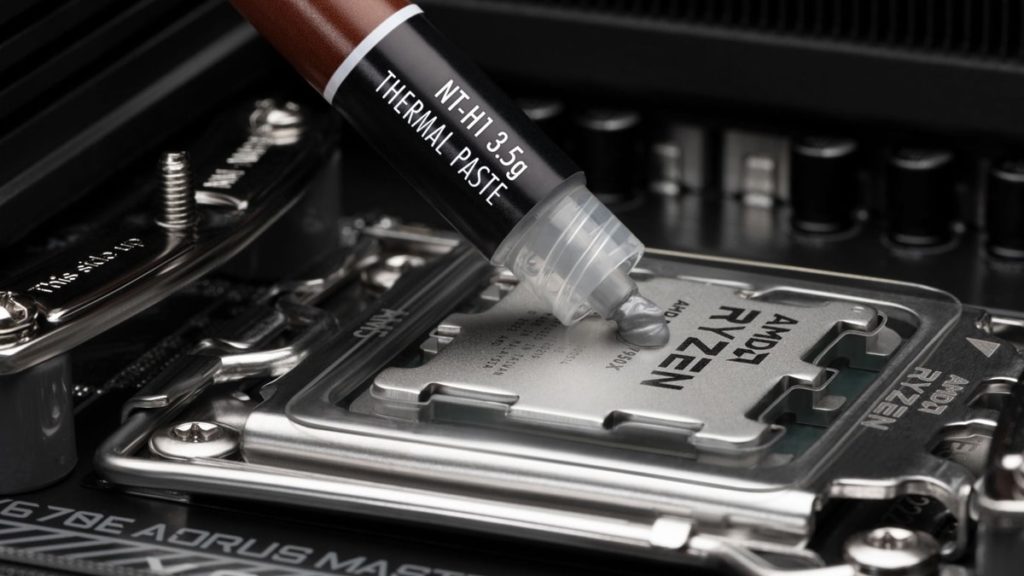
Noctua has announced the NA-TPG1, a thermal paste guard for AMD Ryzen 7000 Series processors that is designed to prevent excess thermal paste from squeezing outward due to the mounting pressure of a cooling solution and accumulating in the cutouts at the sides of the heat spreader. Simple and risk-free to apply, the NA-TPG1 will be available starting in December in three different packages.
- NA-TPG1 with ten NA-CW1 cleaning wipes (NA-STPG1): $7.90 EUR/USD
- NA-TPG1 with NT-H1 thermal paste (NT-H1 3.5g AM5 Edition): $9.90 EUR/USD
- NA-TPG1 with NT-H2 thermal paste (NT-H2 3.5g AM5 Edition): $13.90 EUR/USD
“While there’s no denying that AMD’s new Ryzen 7000 processors perform fantastic, we found that the cut-outs at the side of the heat-spreader tend to attract thermal paste that can be challenging to clean off” says Roland Mossig (Noctua CEO). “This is where our new thermal paste guard steps in: it’s a simple yet highly effective tool for keeping your new Ryzen 7000 series CPU nice and clean.”
From a Noctua press release:
Noctua today announced its new NA-TPG1 thermal paste guard for AMD’s latest AM5 based Ryzen processors. When the mounting pressure of the cooling solution is applied, excess thermal paste will be squeezed outwards. With AM5 CPUs, this excess paste tends to accumulate in the cut-outs at the sides of the heat-spreader and may become difficult to remove. Simple and risk-free to apply, the NA-TPG1 prevents this undesired phenomenon.
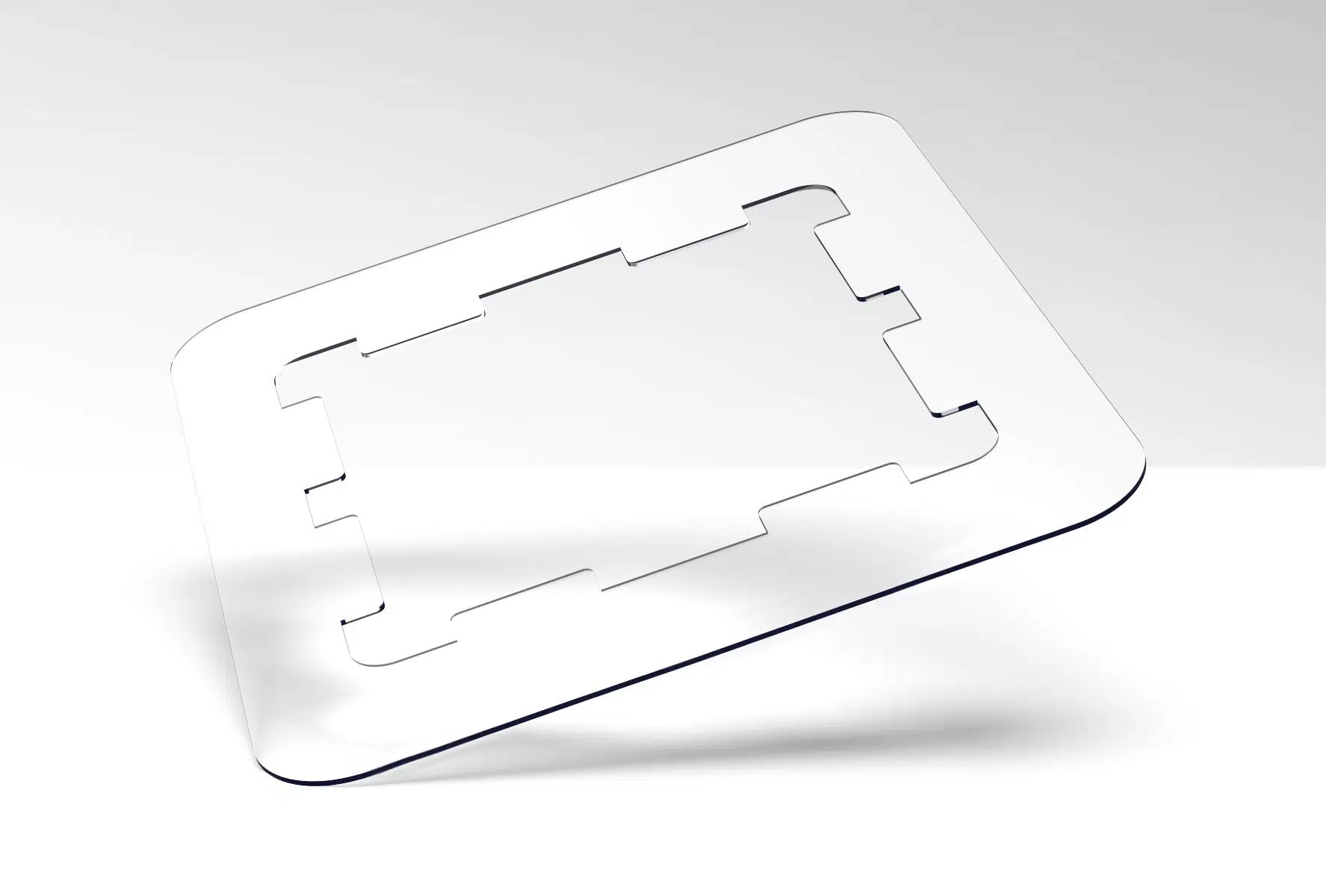
Made from highly heat-resistant polycarbonate and forming a tight seal around the edges of the CPU’s heat-spreader , the NA-TPG1 is simple and risk free to apply and remove. Despite its simplicity, it is highly efficient at preventing thermal paste from accumulating in the cut-outs at the sides of AM5 CPUs.