
Introduction
We purchased an Intel Arc B580 Limited Edition to give it a thorough review in 2025. Combined with up-to-date drivers and new games six months after its launch, we will see the state of performance of the Intel Arc B580 in mid-2025. What kind of performance does it deliver now with up-to-date drivers? What video card is it closest to in performance to the competition? We will find all this out in our review, looking at both 1440p and 1080p performance with and without upscaling and ray tracing in 10 games.
That’s right, you heard it right, we were able to purchase an Intel Arc B580, and at a reasonable price as well, in stock, Limited Edition. We purchased this Intel Arc B580 at B&H in May 2025 for $289. That is technically $40 over the MSRP of $249, but it was under $300 still, readily available, shipped quickly, and was here in a matter of days. This video card was very obtainable at a reasonably good price, considering today’s GPU pricing. Getting 12GB of VRAM at under $300, definitely a bonus. But let’s back up and talk a little about the Intel Arc B580 and its specifications.
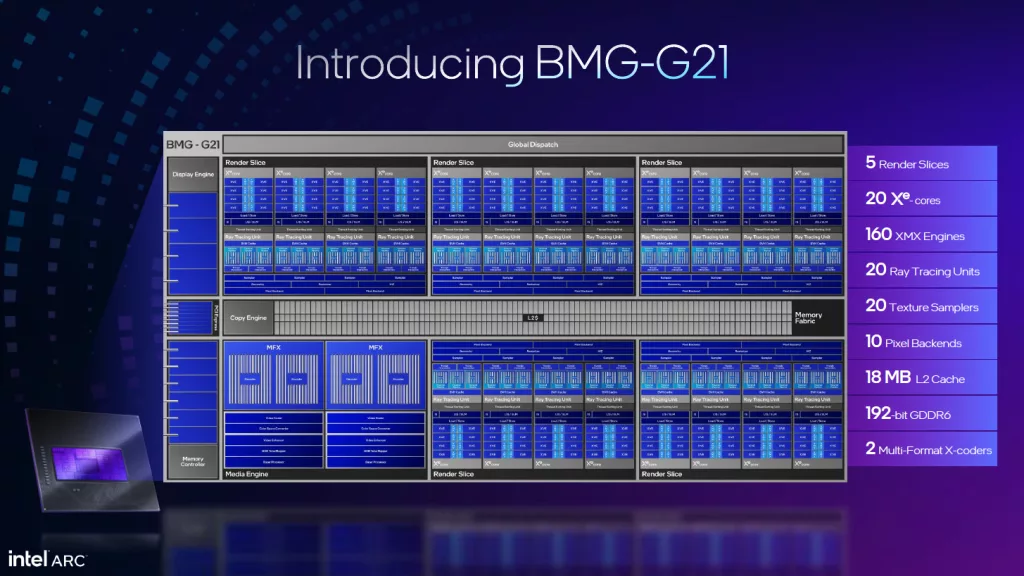
The Intel Arc B-Series, or Battlemage, as it is known, was launched back in December of 2024. We actually reviewed the one-step down version from the B580, the Intel Arc B570, back in January of this year, 2025, which has an MSRP of $219, but we hadn’t looked at the B580 yet until now. The Intel Arc B580 was launched in December 2024 with an MSRP of $249 for this 12GB GDDR6 video card. The Intel Arc B580 is based on Intel’s BMG-G21 SoC, also called Battlemage and Xe2 architecture.
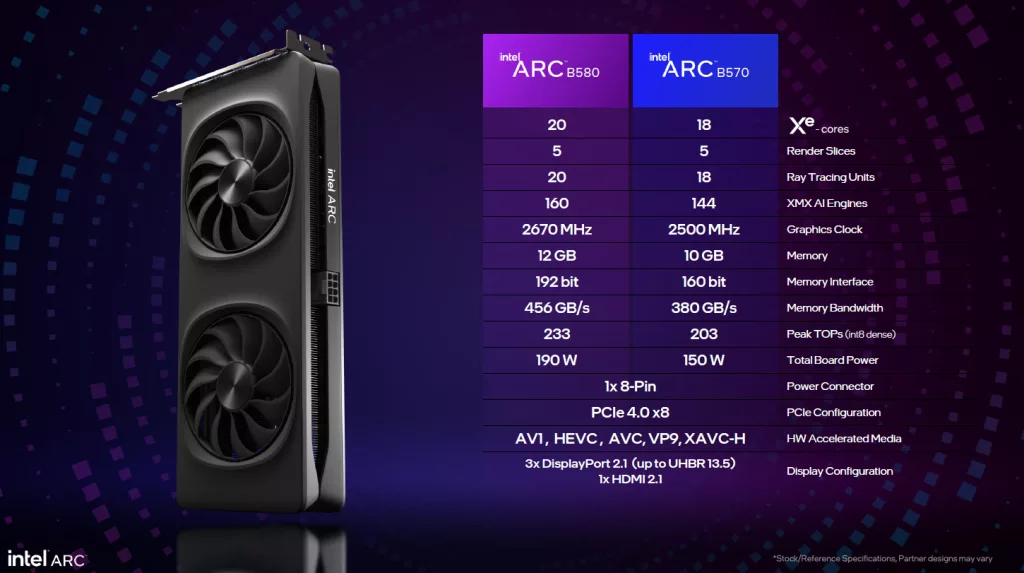
Intel Arc B580 makes use of 20 Xe-Cores, with 5 Render Slices, 20 Ray Tracing Units, 160 XMX AI Engines, and is clocked at 2670MHz reference clock frequency. It comes with 12GB of GDDR6 on a 192-bit memory bus, providing 456GB/s of memory bandwidth. The Total Board Power is 190W and has a PCIe 4.0 x8 connection with 1 single 8-pin power connector. It supports DisplayPort 2.1 and HDMI 2.1. Reference pricing on Intel Arc B580 is $249. The Limited Edition design uses a custom Intel design cooler with better air flow and noise compared to the previous generation design.
Our comparison is simple today, we are going to compare the Intel Arc B580 with a GeForce RTX 4060 8GB, Radeon RX 7600 XT, and Radeon RX 7600, to see where the Arc B580 sits in performance. This is actually a very good comparison setup, because it reveals what video card the Arc B580 aligns with from the competition, and it also shows how more VRAM improves the gameplay experience in 2025. In future comparisons, we will also take a look at how the B580 compares to the previous generation from Intel, but for today’s review, we’ll focus on its place in the competition in 2025.

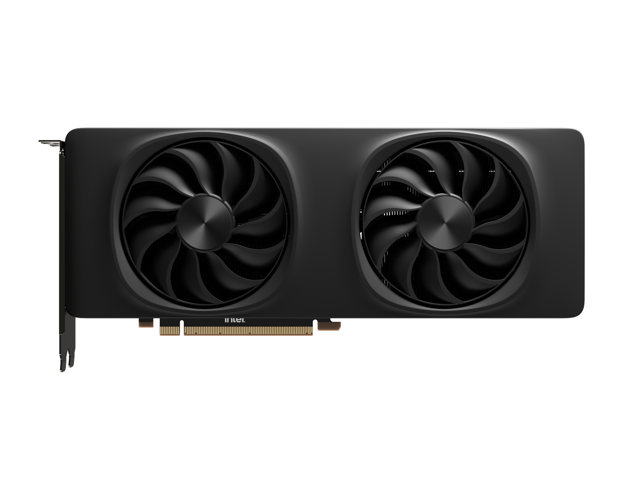
Intel Arc B580 Limited Edition Pictures

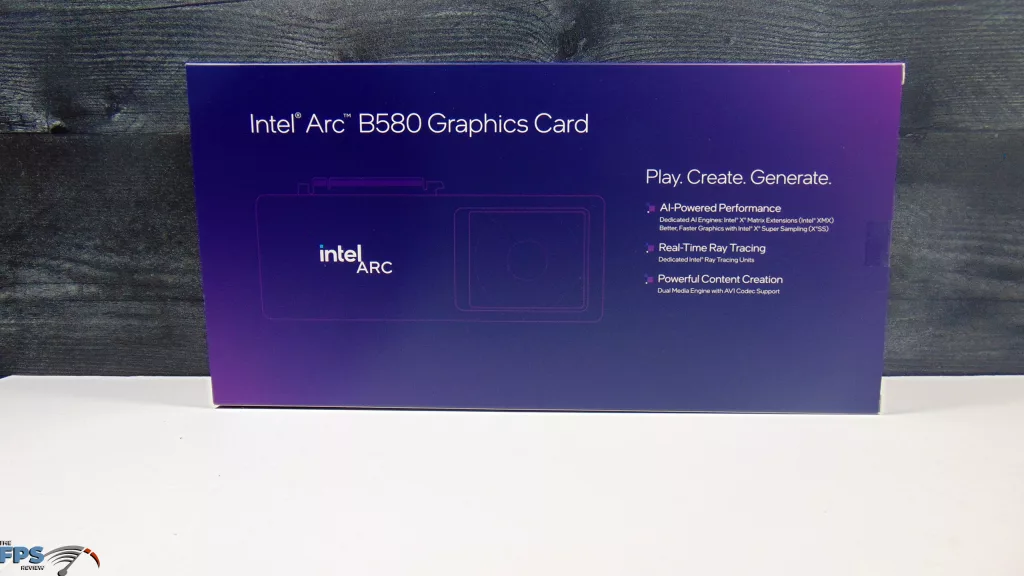
One thing I love about Intel’s Arc series, and its packaging and materials, is the color scheme. The classic vapor wave blue/purple, pinks/reds look great together as a color combination, you can tell right away that it’s different from the other cards on the shelf, and it feels very Intel in color scheme. The box is remarkably bare, and I also like that, a minimalist design that works and gets the point across. Inside the box, the video card is held tightly, with a protective cloth over it, a very premium touch.
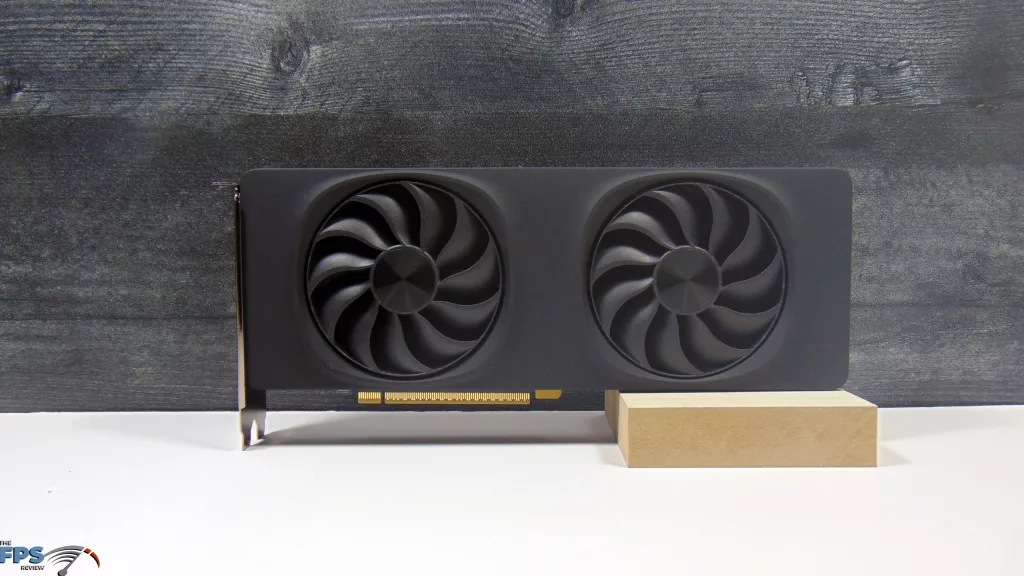
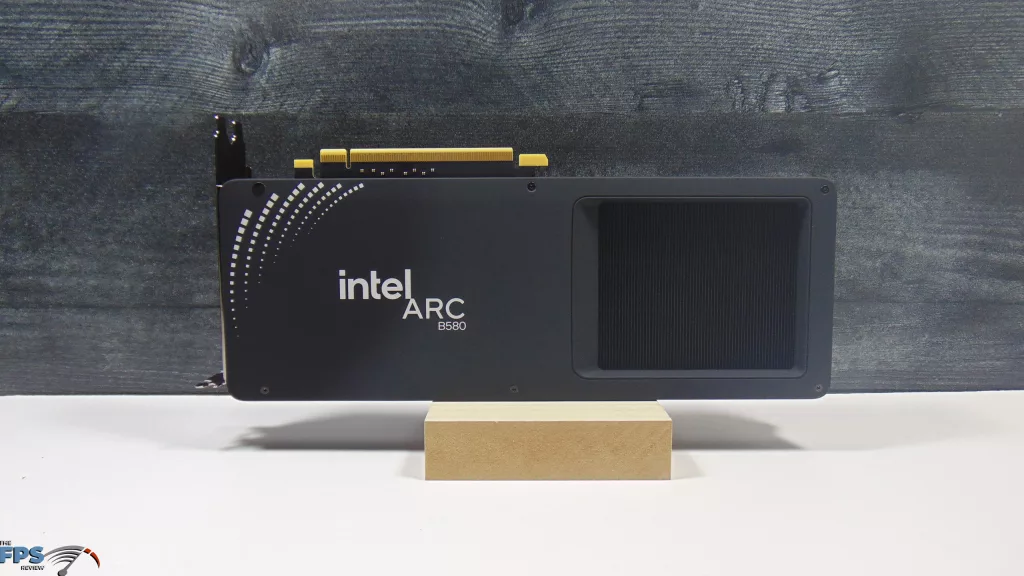
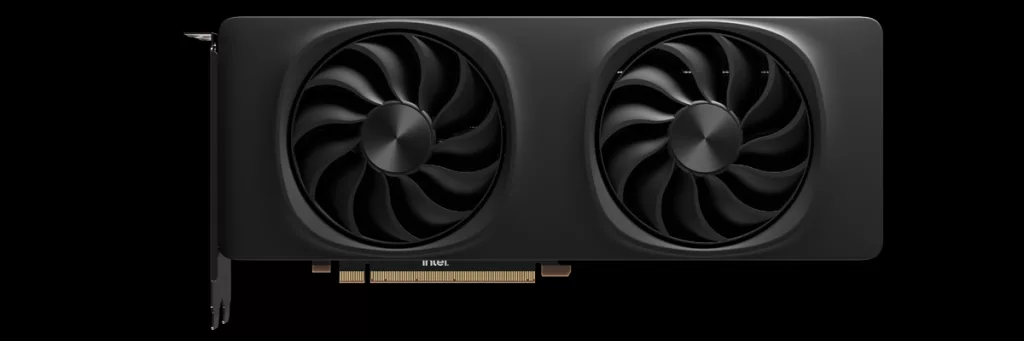
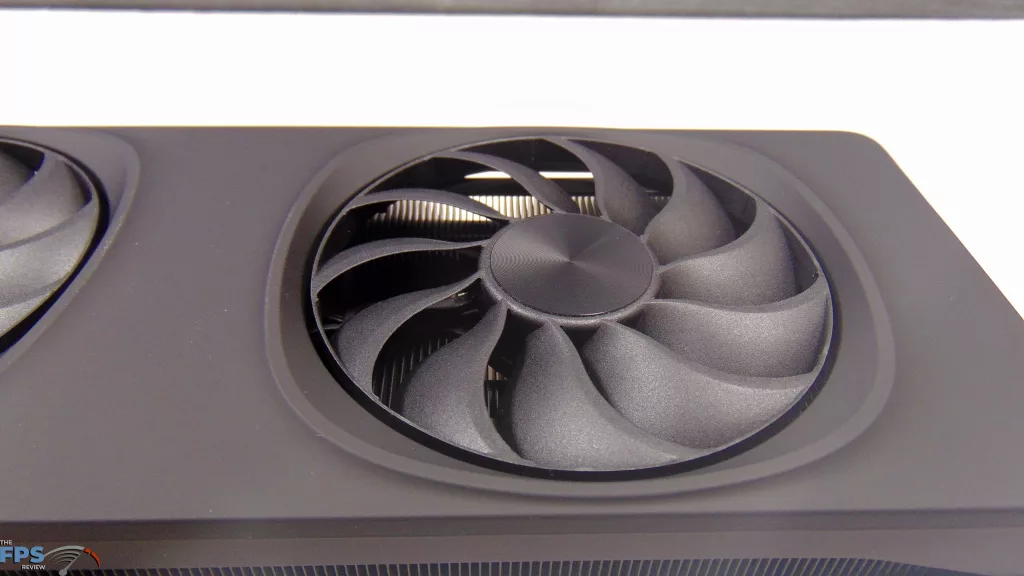
The Intel Arc B580 Limited Edition measures just 10.7 inches long, 4.5 inches wide, and 1.8 inches in height and is a dual-slot video card. That makes the Intel Arc B580 very compatible with any PC case size or small form factor. As you can see in the pictures above, Intel uses a dual-axial fan cooler, which blows air out the top and bottom, and out the back with the air pass-through. What you can’t see in the pictures is how the card feels, the shroud almost has a rubberized textured feeling to it, and the entire video card is wrapped with no PCB showing. It’s a pretty premium design, and it feels very solid and good in the hands.
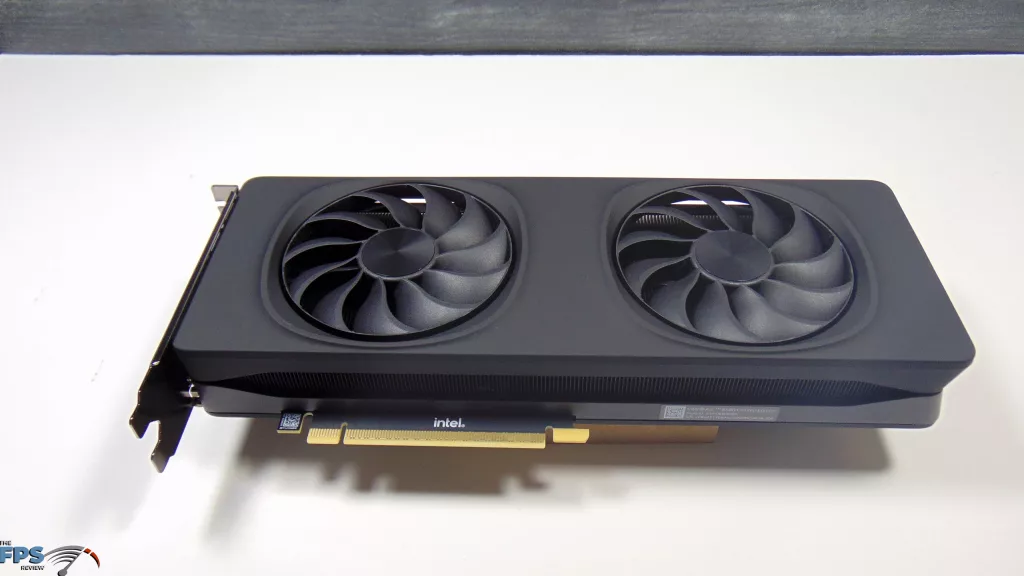
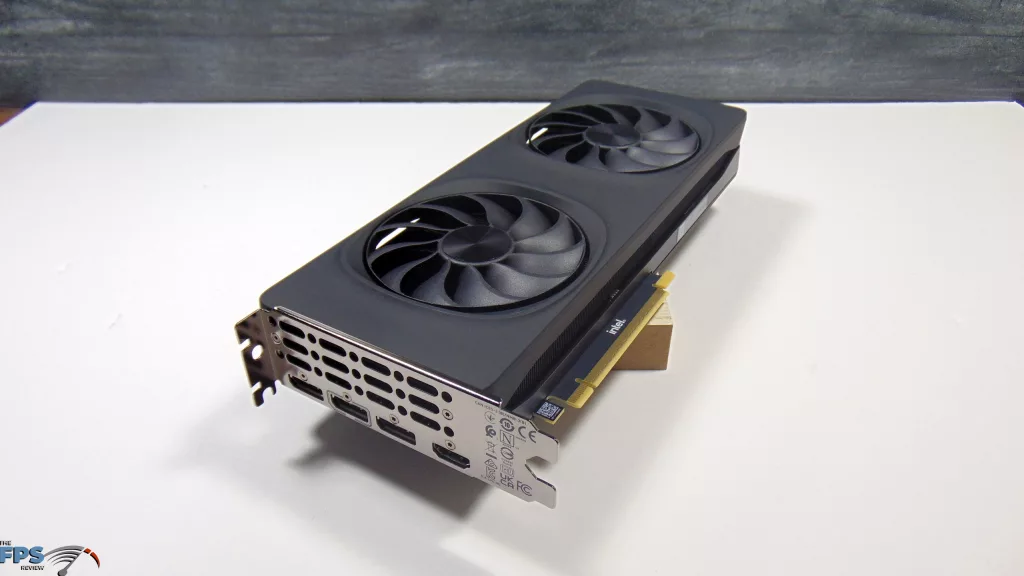
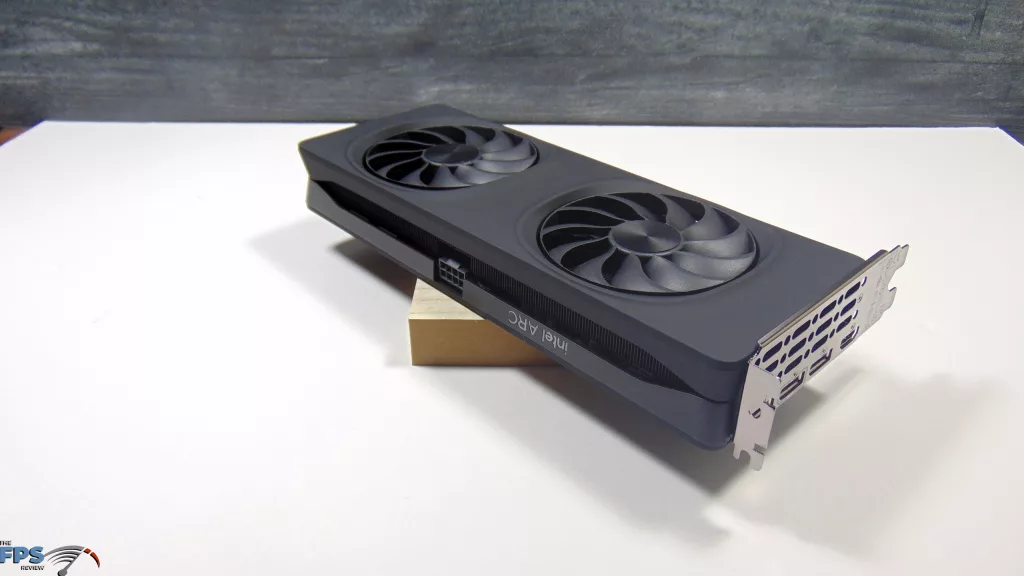
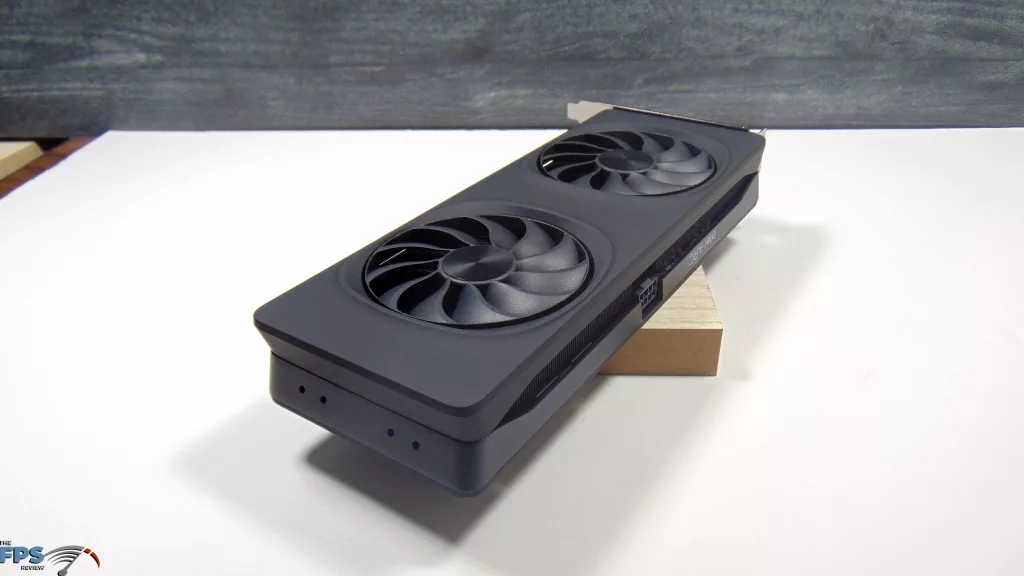
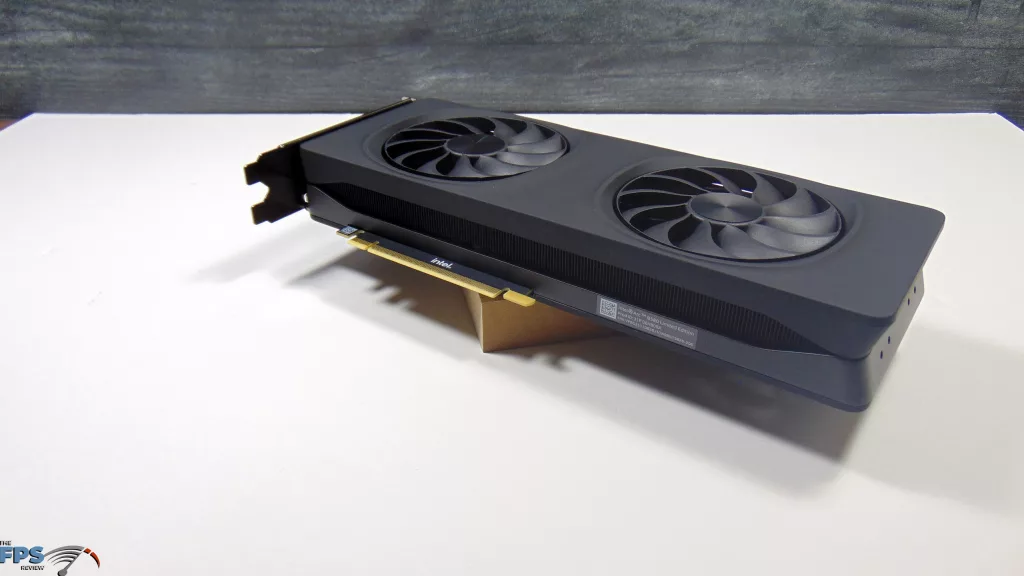
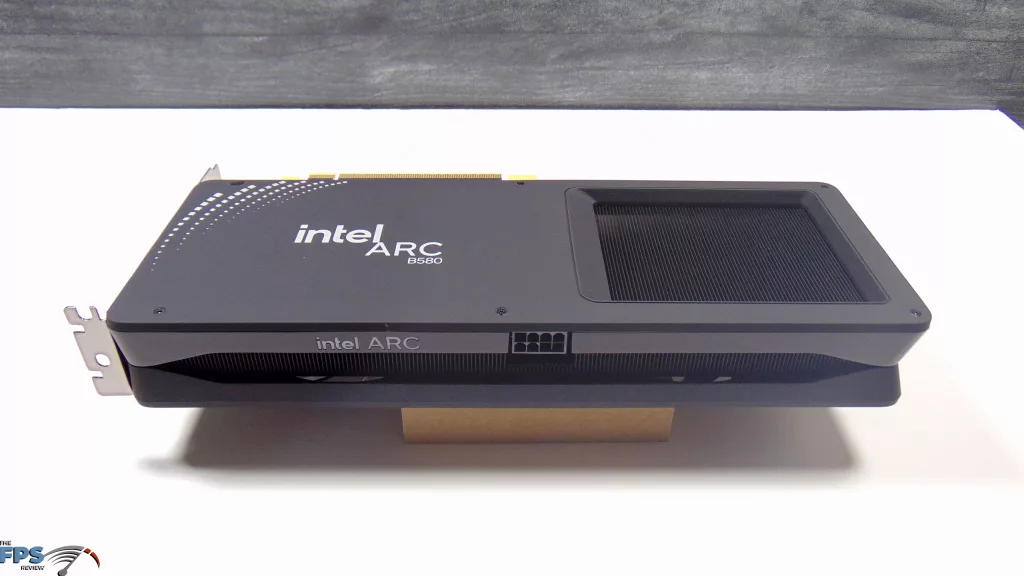
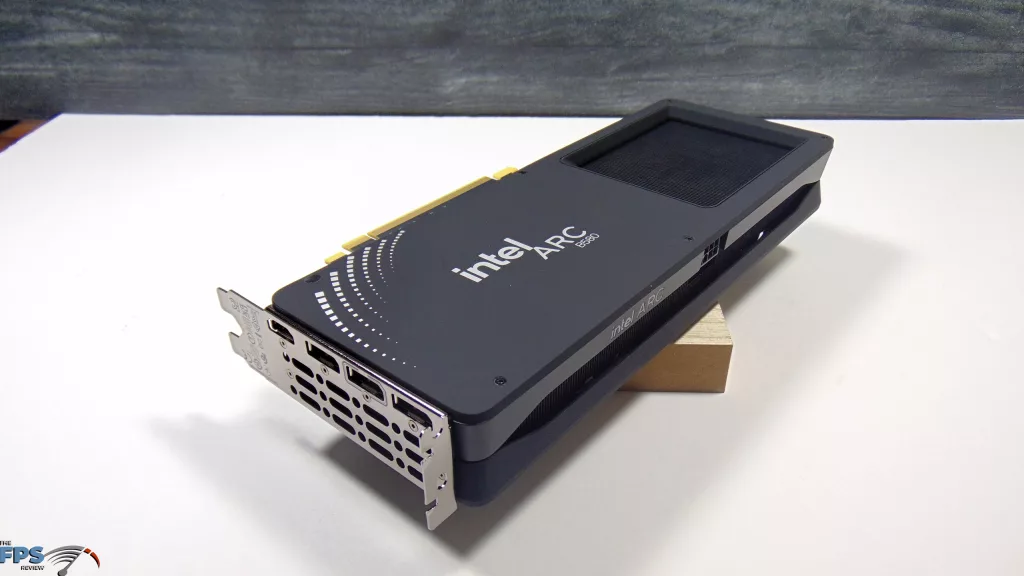
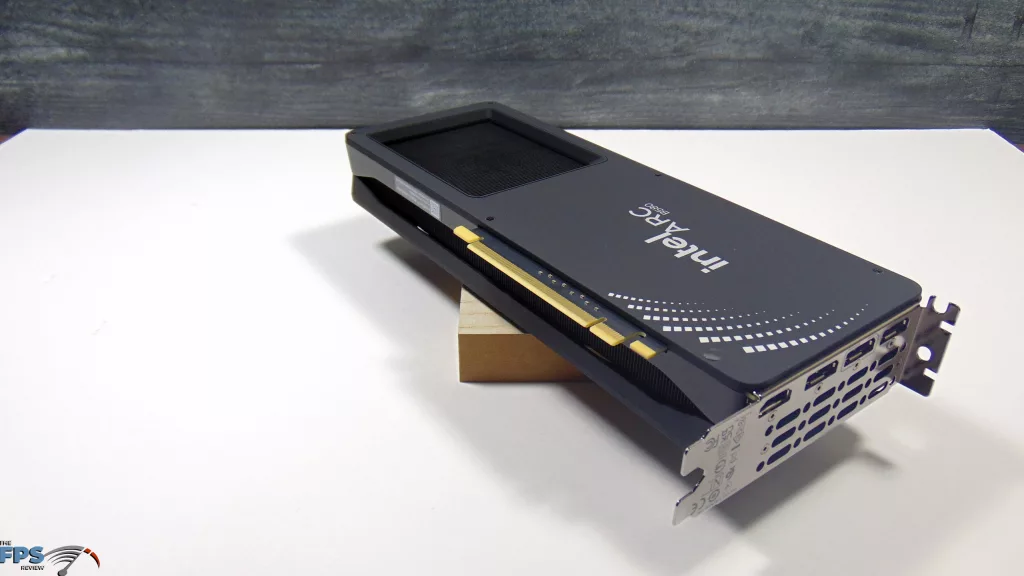
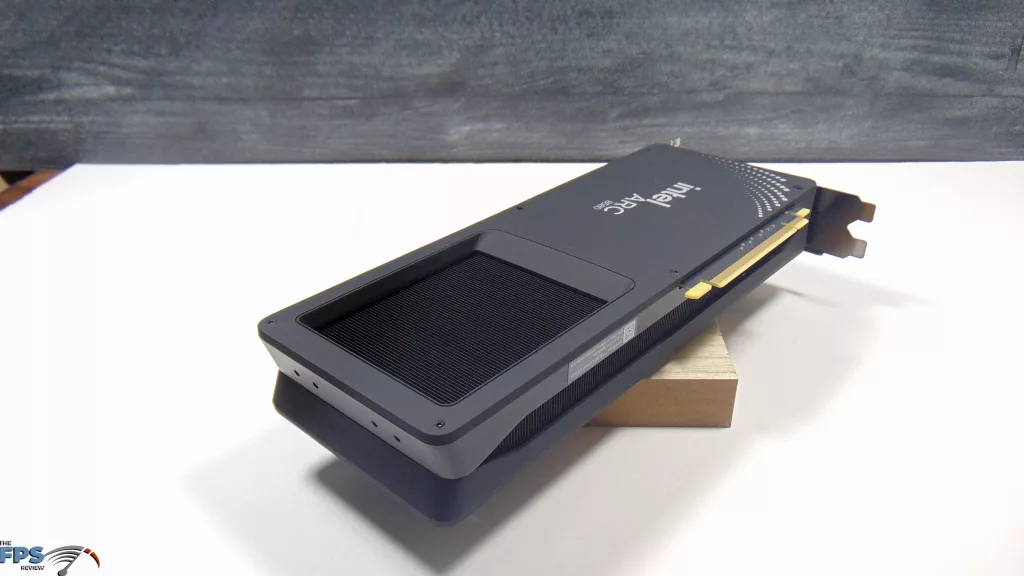
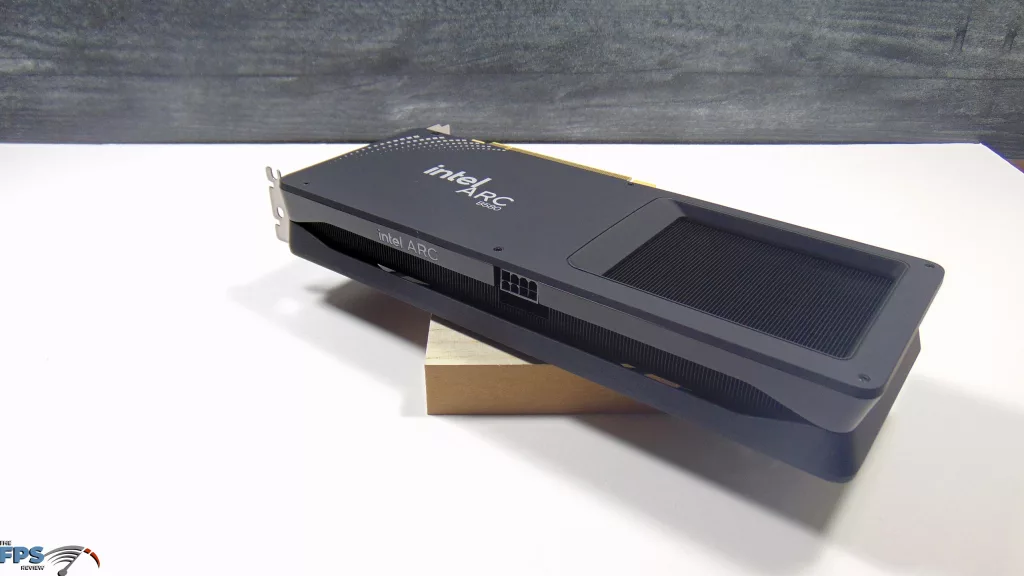
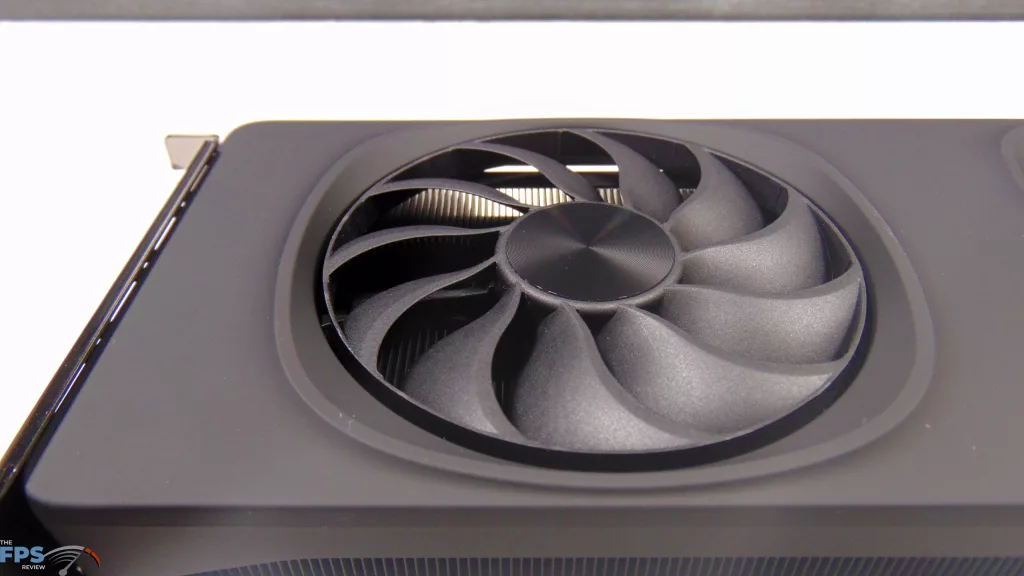
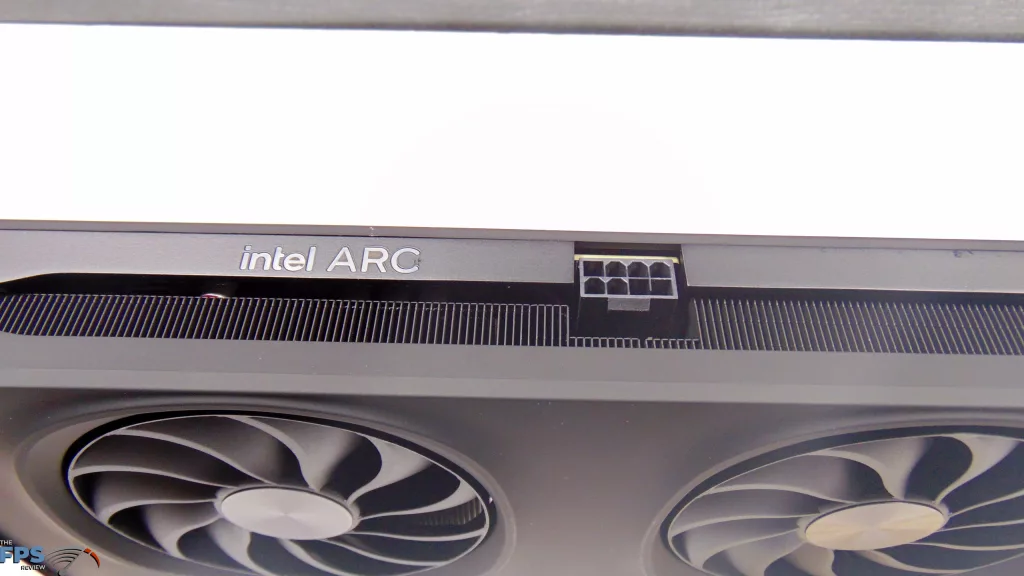
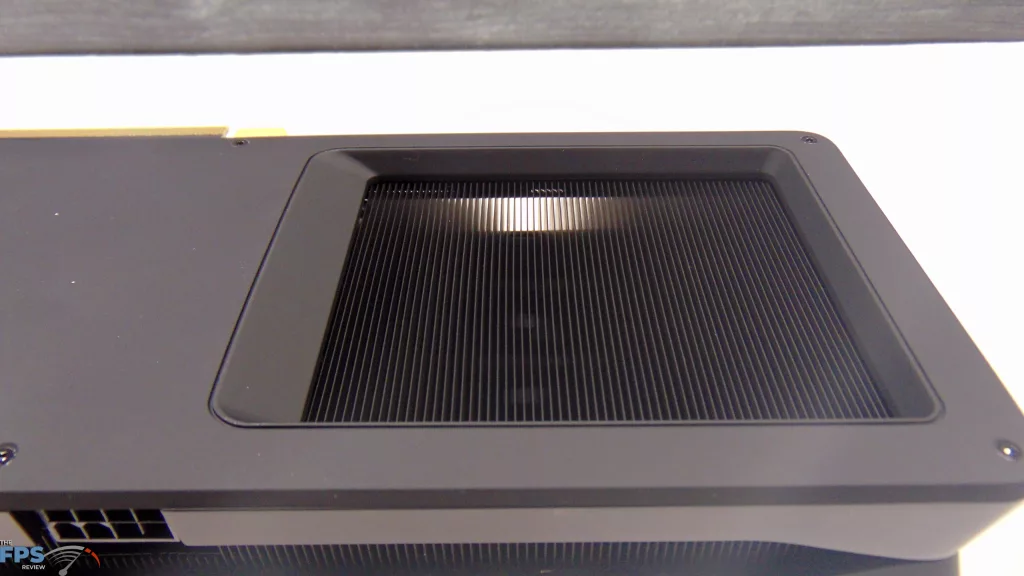
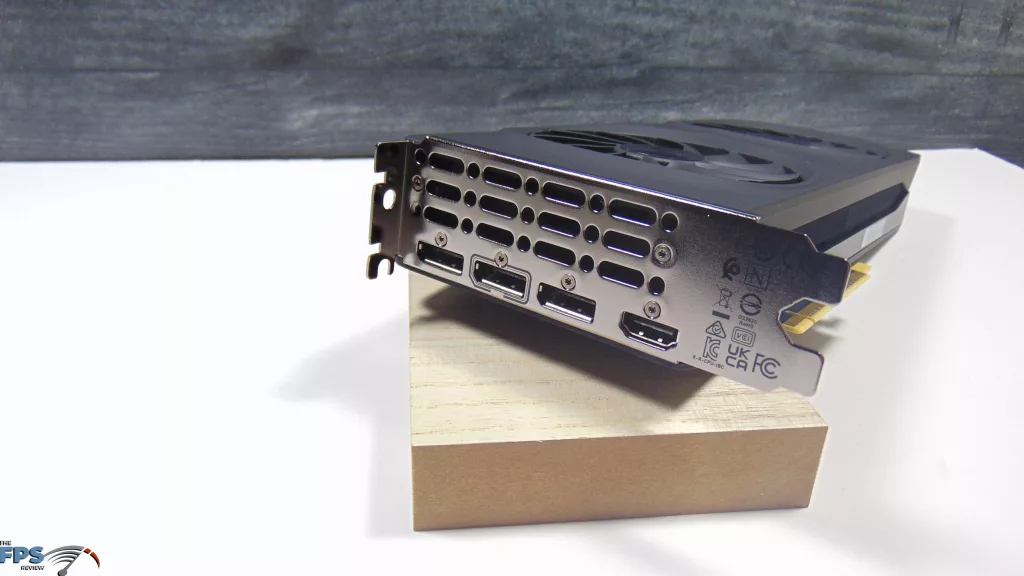
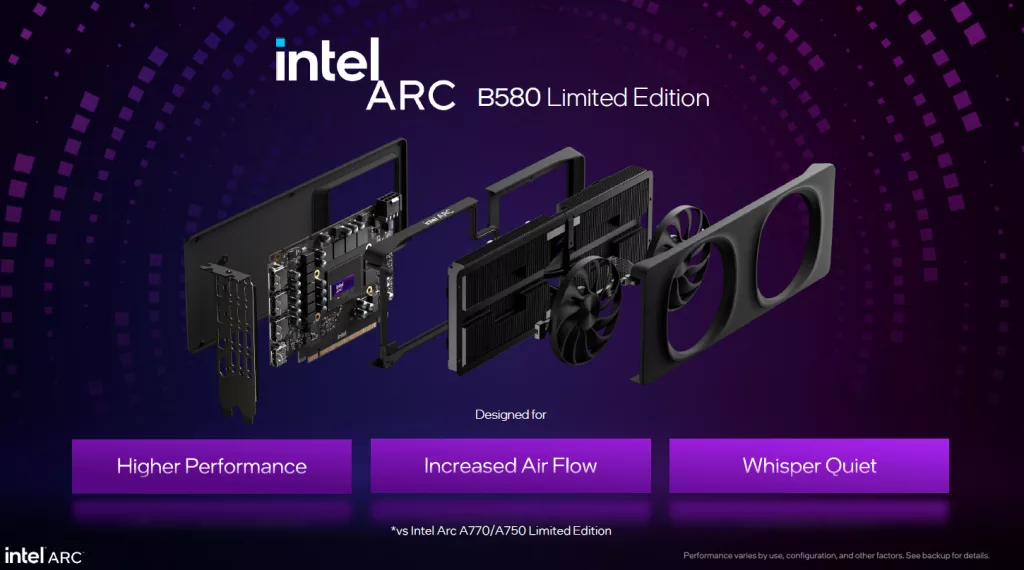
Intel does use an air pass-through that vents air through the heatsink fins to help with cooling, so this shows that the PCB is not the full length of the video card. The Intel Arc B580 utilizes just 1x 8-pin standard power connector, and the TDP is 190W. It has 3x DisplayPort 2.1 and 1x HDMI 2.1a on board. This video card operates on a PCIe Gen4 x8 interface. The construction of the video card is well displayed by this Intel-provided breakdown.
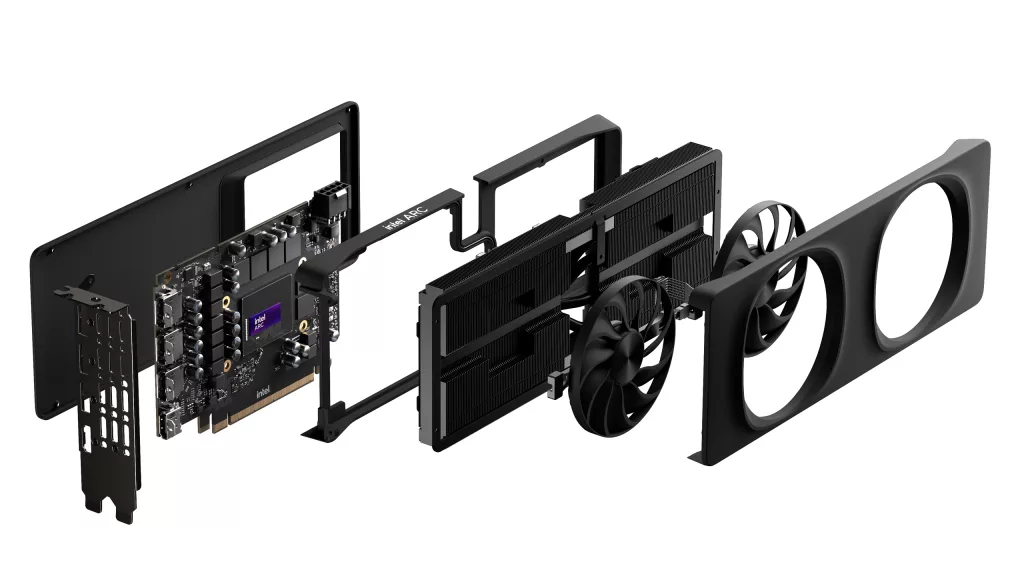
We can see how small the PCB actually is, with the GPU and VRAM on one side, and the power connector at the top. The backplate is technically separate, but the integration is seamless. There is a rigid structure in place to provide support while the heatsink sits atop the GPU, and it does use heatpipes. The shroud holds the fans over the heatsink, and it all just goes together very well, plus the color scheme is appealing.
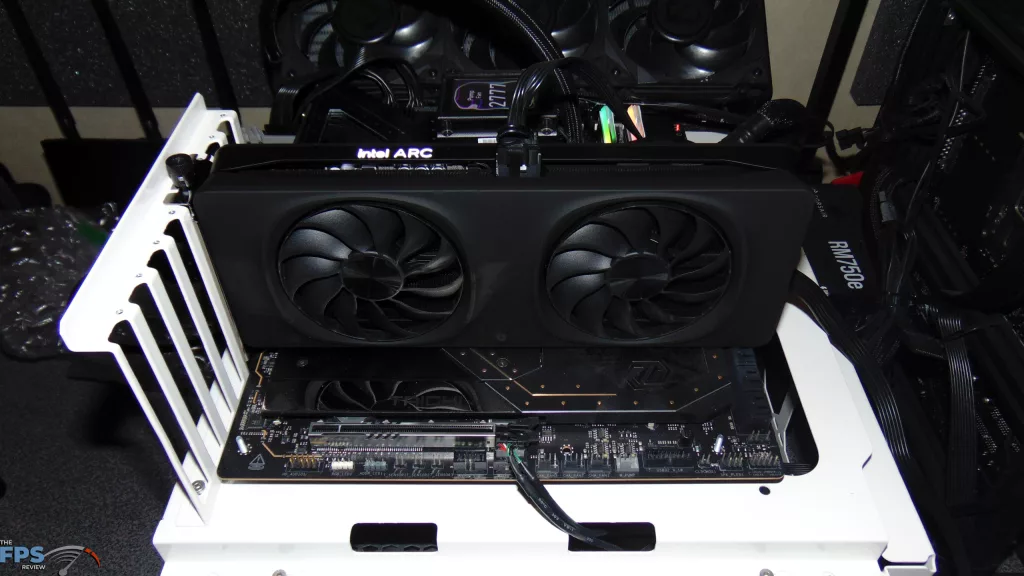
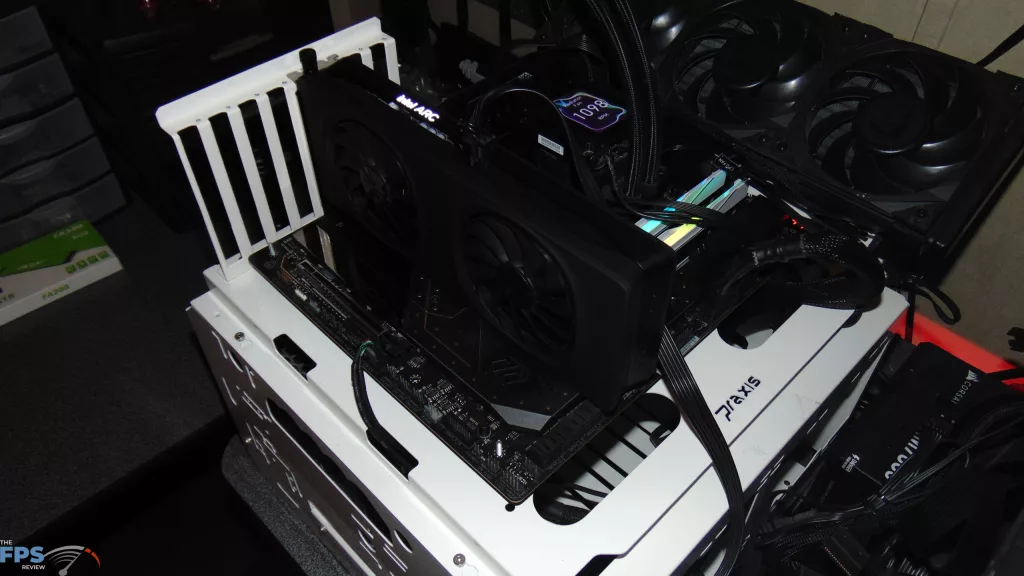
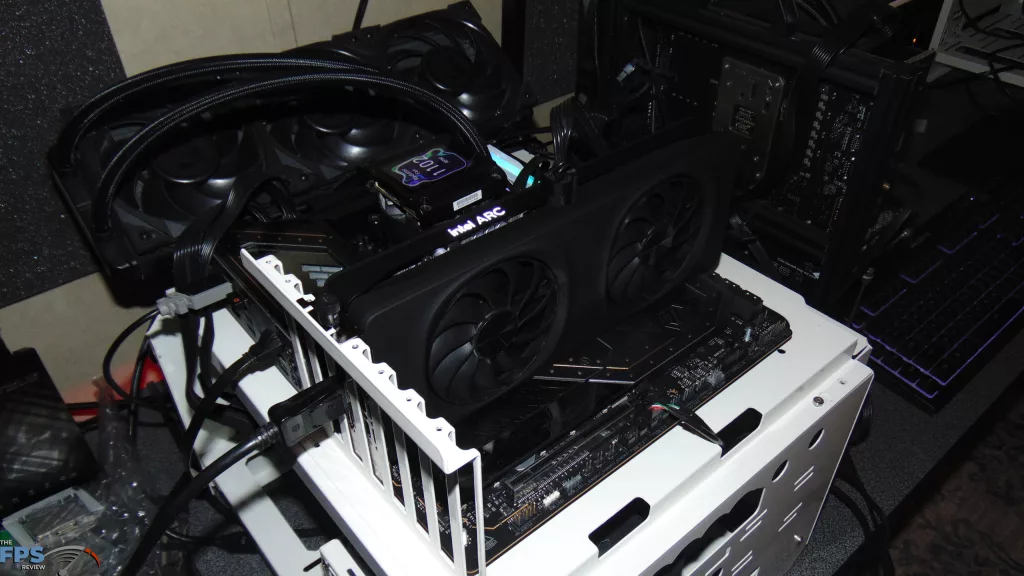
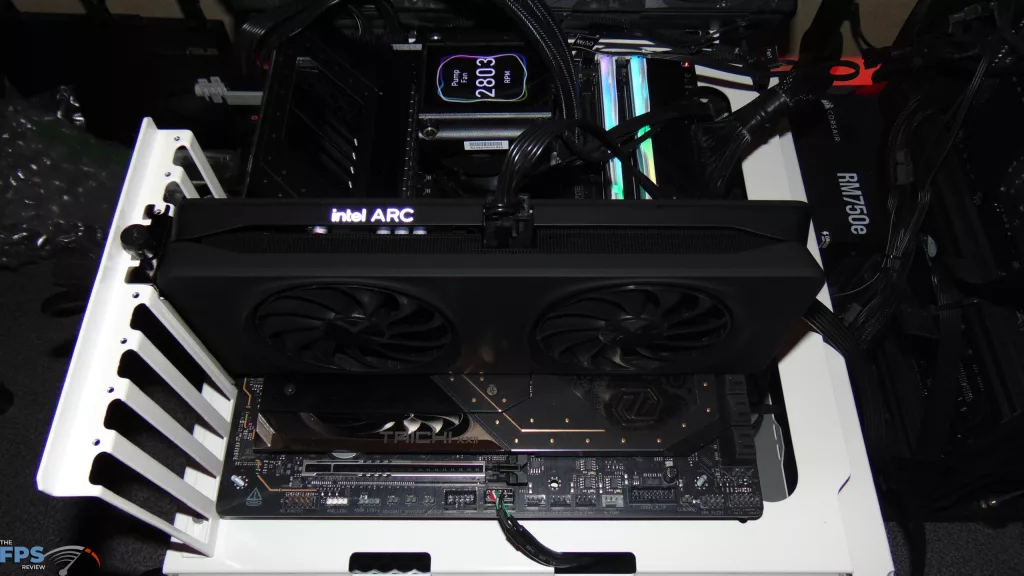
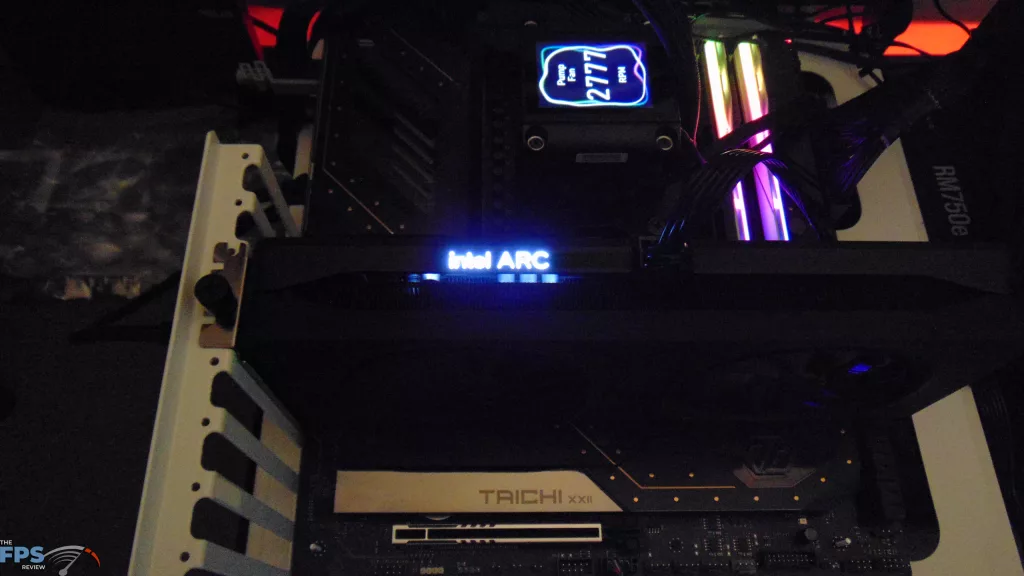
The Intel ARC logo on top is an LED and lights up nicely. Otherwise, it is a very stealthy video card.
Discussion (8 replies)
Join Discussion →Man at that price point Intel has a real gem.
Imagine if you could double those up ... say in SLI or whatever ... for 4k gaming .... even at twice the price for the bump in performance you could provide better value than team green. And not much sacrifice on PCIe lanes because they're only x8 to begin with.
You mean like their new high end AI cards are designed to do. Dual B590's with 24 gig on one card for 48 gig with software that will support up to 4 of those cards if you have the lanes... for 8 GPU's. For 192gb of vram for your hungry LLM's.
I'd rather they develop their graphics cards to work toward scaling graphic resolution rather than compute. They can develop their processors to scale compute. Just because team green does it, doesn't mean everyone else (or anyone else, for that matter) should. Nip this silly nonsense in the bud.
Yea... but I don't think many of us want to buy a 360+ core CPU with what we would expect from a CPU. The great thing about GPU's is they are effectively small path limited programmable Cores. And you can pack a EFF TON of those into a GPU die. That's why CUDA is so amazing. But you wouldn't want to use it as a CPU.
Now you see companies coming out with RISC CPU's getting closer to parity with GPU's but we are still a long way off of that being programmatically useful for general purpose.
Guys and gals, this review put a real smile on my face. It is great to see this from Intel, and I hope to see more improvements in the next 24 months. We still need better Linux support and more consistent performance across games, but this card is currently a real option at that price.
Sadly modern graphics engines really don't work with SLI. They rely heavily on temporal upsampling, reusing data from the last frame to improve the current frame, and that makes it basically impossible to do interleaved rendering like the old Crossfire setups.
With such good best case results, I'd love to see a revisit with a 5600 or 12400 series CPU. 5800X or 12600K would be fun. Anything in that range. 10th or 11th gen would be really interesting too. Since games like Spidey and Miles Morales with high or maxed crowds, traffic, and RT reflections can really expose the overhead issues on Battlemage.
My 5600X3D could not fully utilize my Onix Odyssey B580 at times under those conditions. Swinging fast on crowded streets like Broadway being the worst case scenario. It drives the struggle bus on B450+3700X in those titles. It's playable until you try to use RT, then things get ugly. Which is a bummer because the card can handle it with enough CPU to drive it.
Overall though, it's a great card and a hell of lot of progress made from where my 750LE was at when I bought it.