
Motherboard Performance – Default – DDR5 6000MT/s
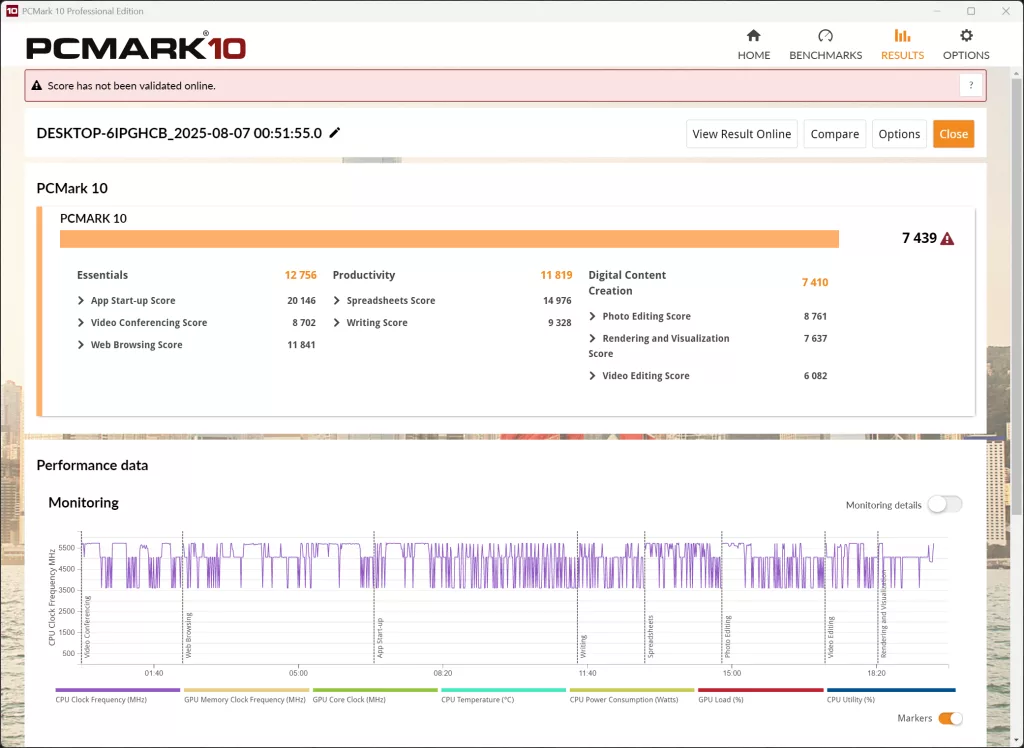
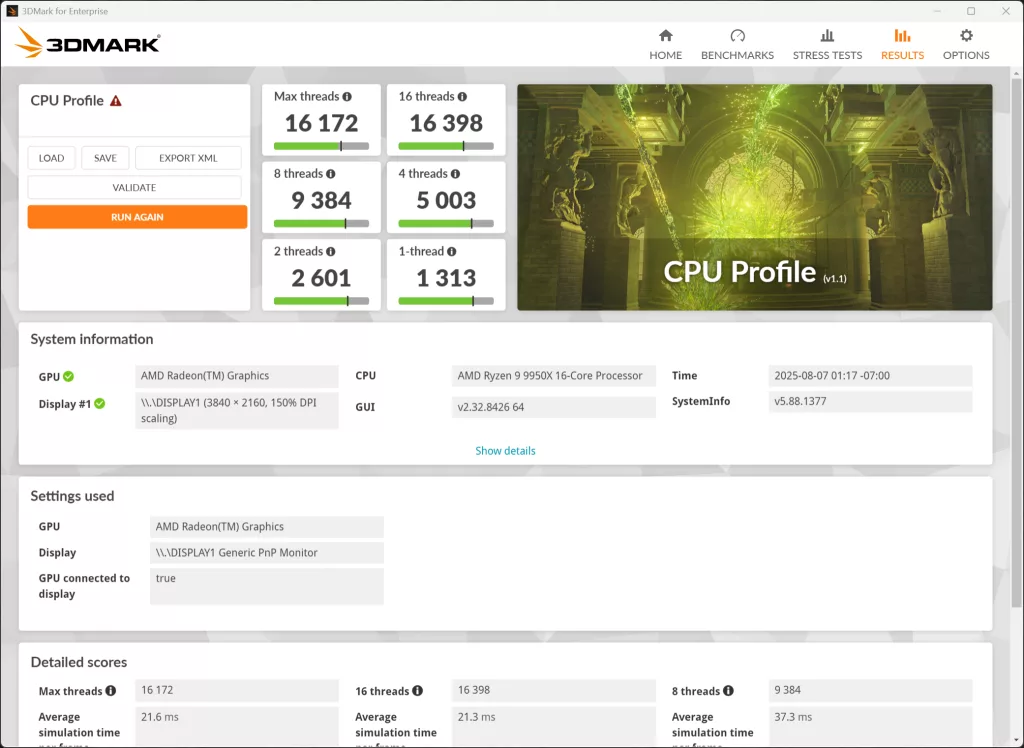
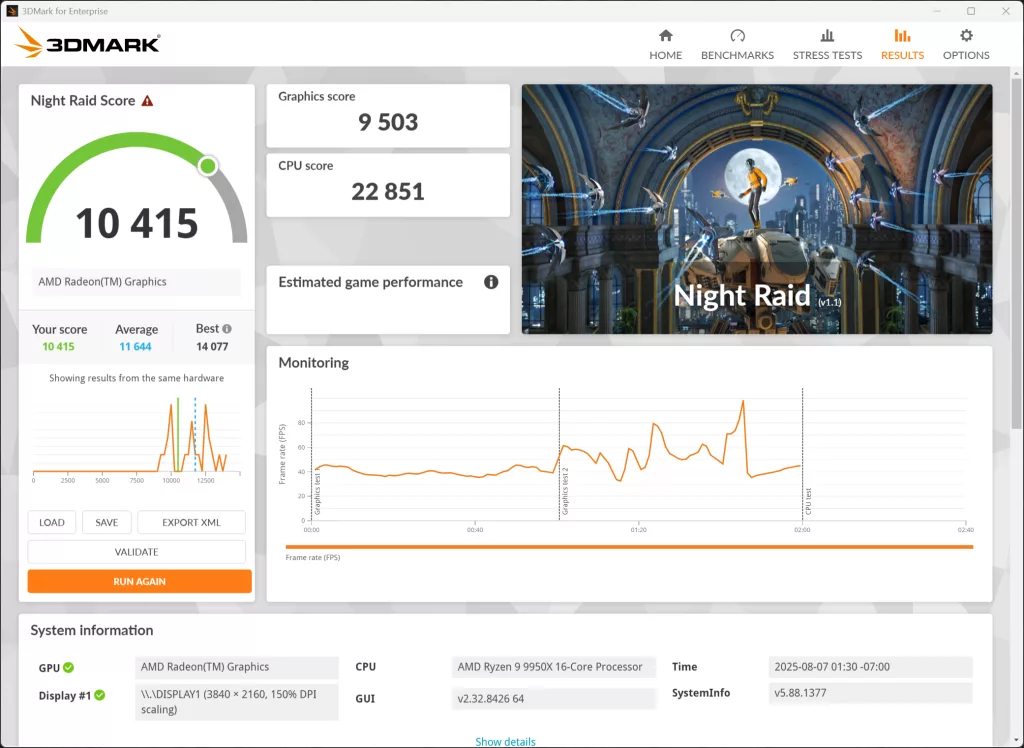
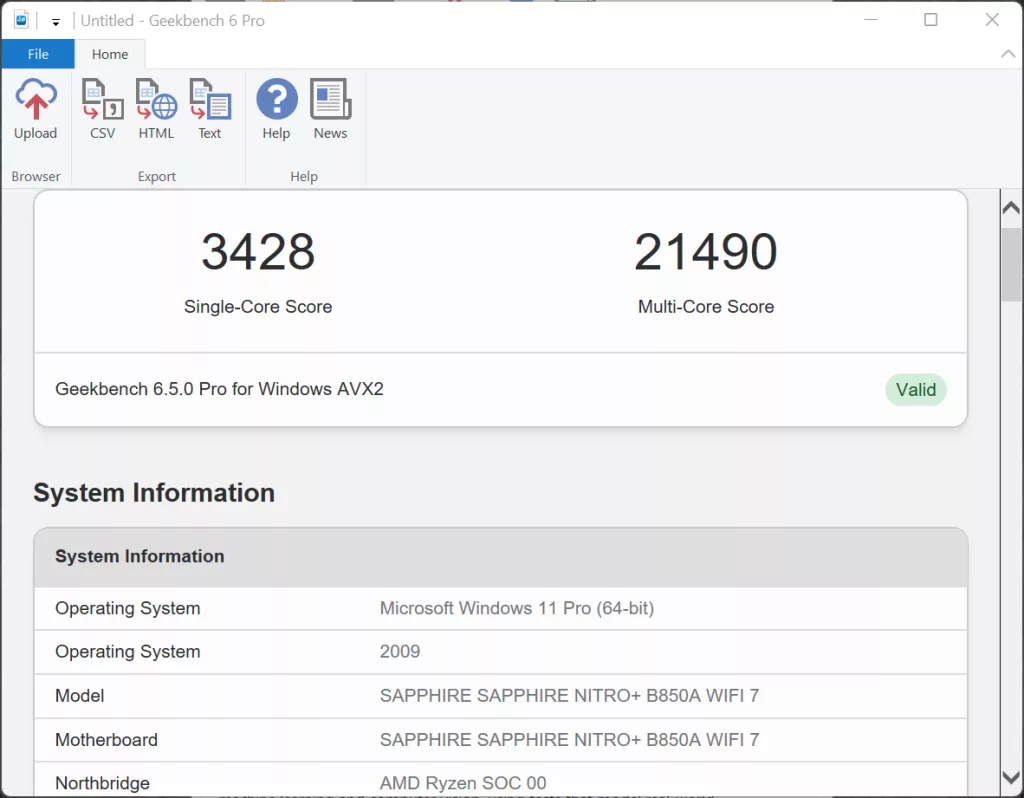

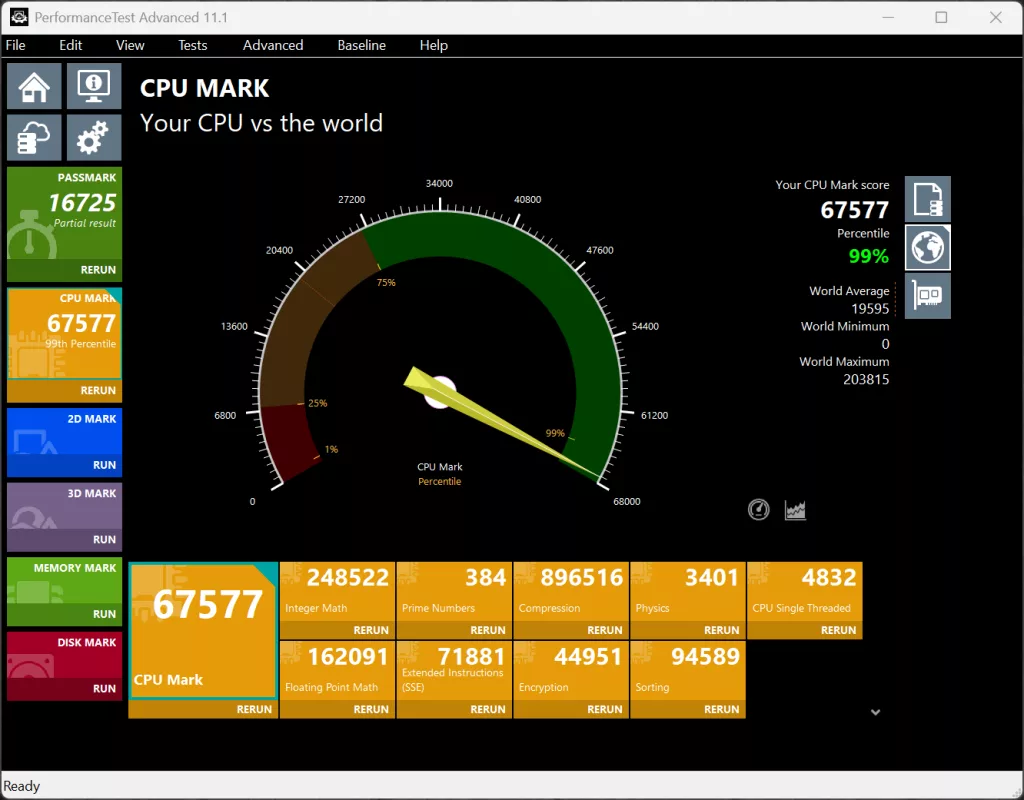
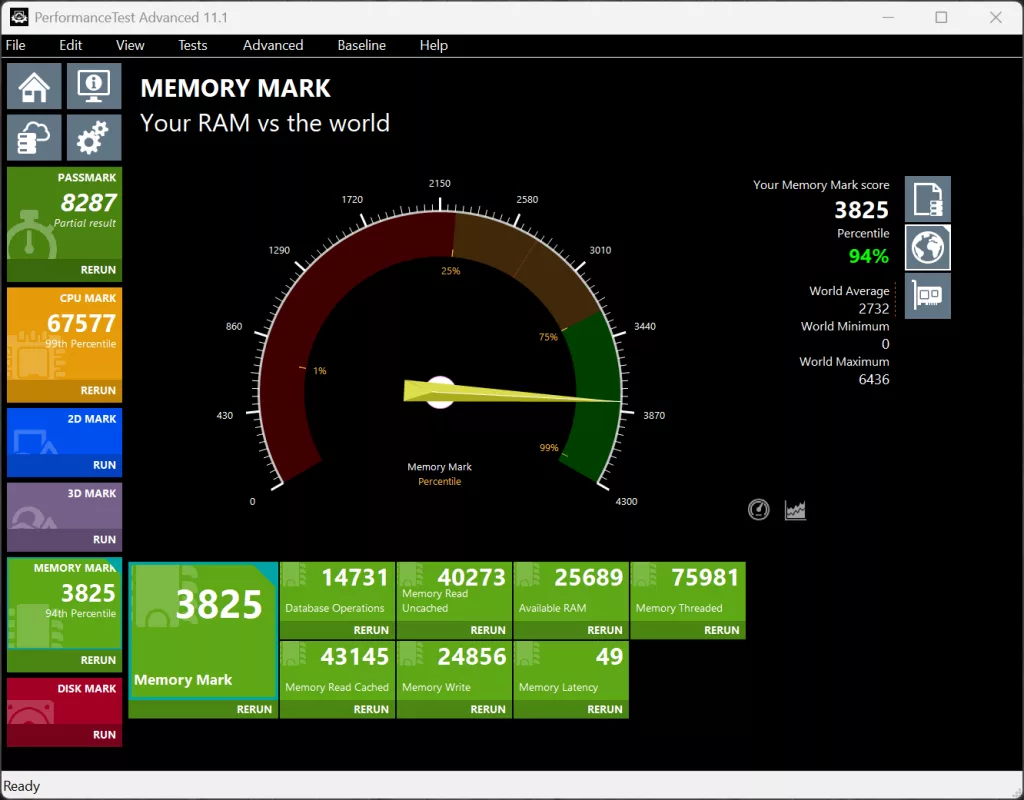
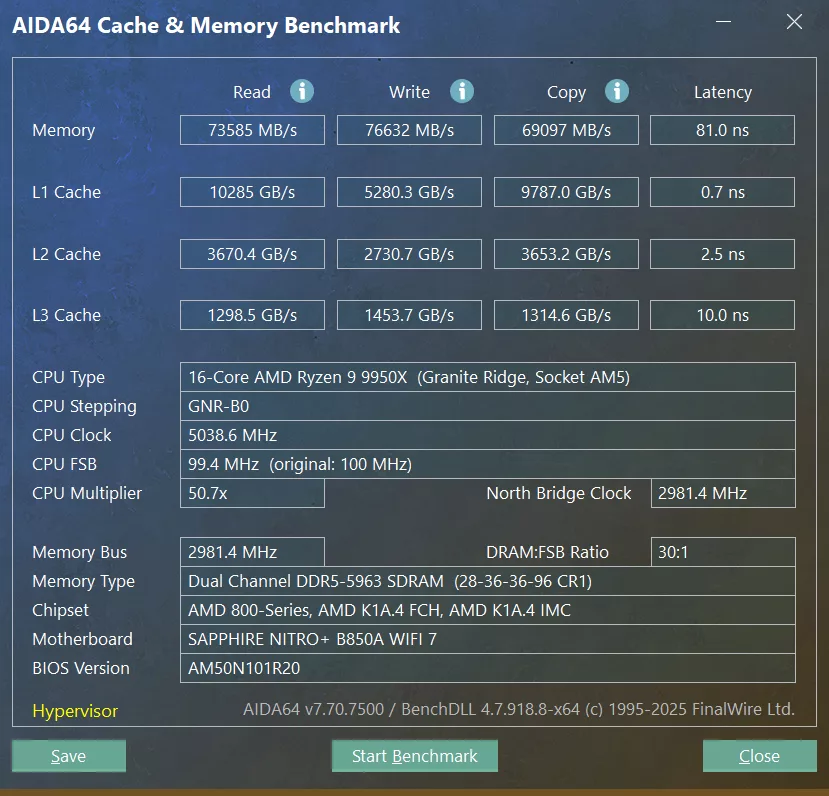
We are using an AMD Ryzen 9 9950X on the SAPPHIRE NITRO+ B850A WIFI 7 to push the VRMs as hard as possible, test performance, stability, and validate its functions. In the above benchmarks, we are running with 32GB of G.SKILL Trident Z5 Neo DDR5 6000MT/s in the EXPO I profile. All of the benchmark results are excellent, and we see absolutely no signs of slowdowns or throttling, with consistent CPU clock speed frequency performance across every benchmark. The memory bandwidth is right where it should be at 73.5GB/s read and 76.6GB/s write, with 81ns access time.
Motherboard Performance – Precision Boost Overdrive – DDR5 6000MT/s
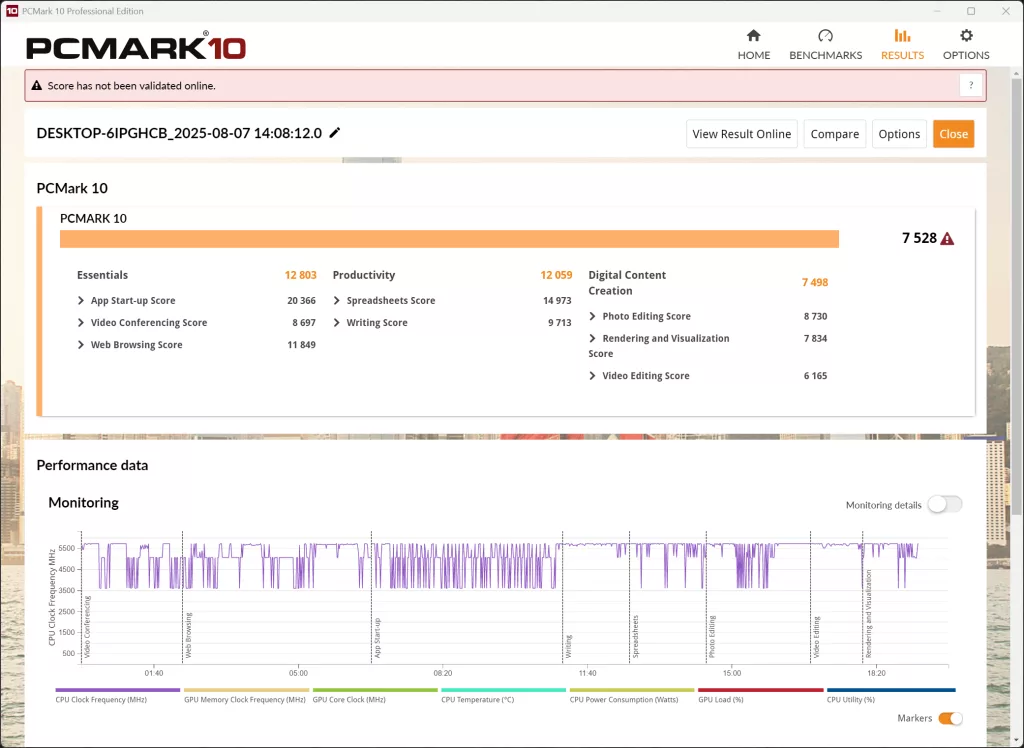
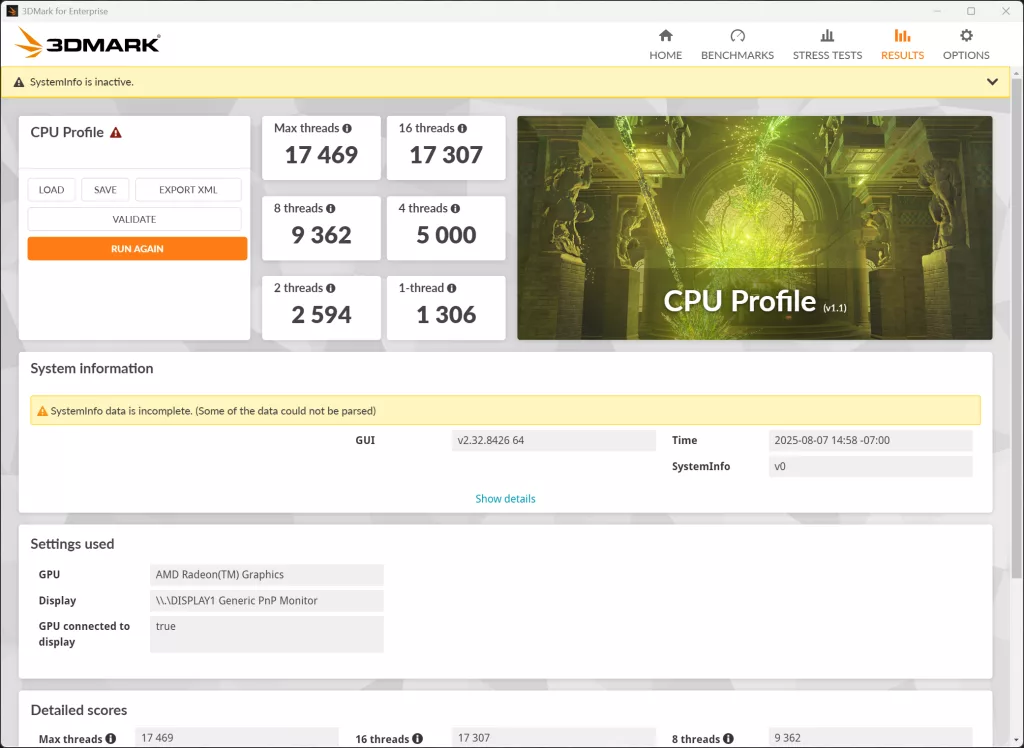
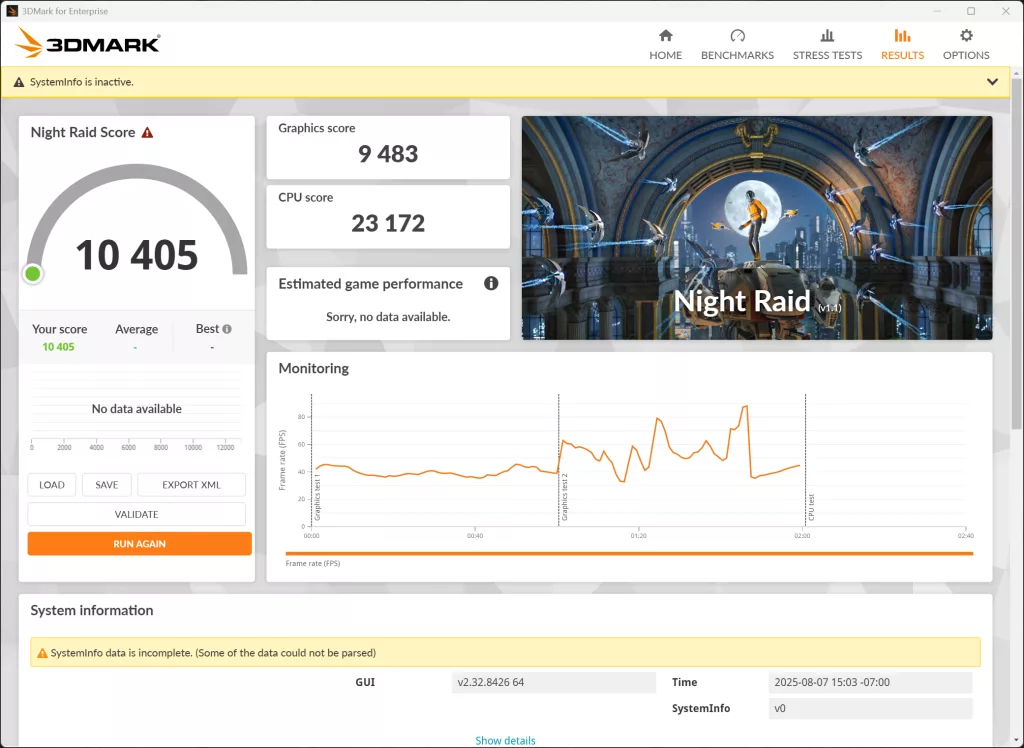
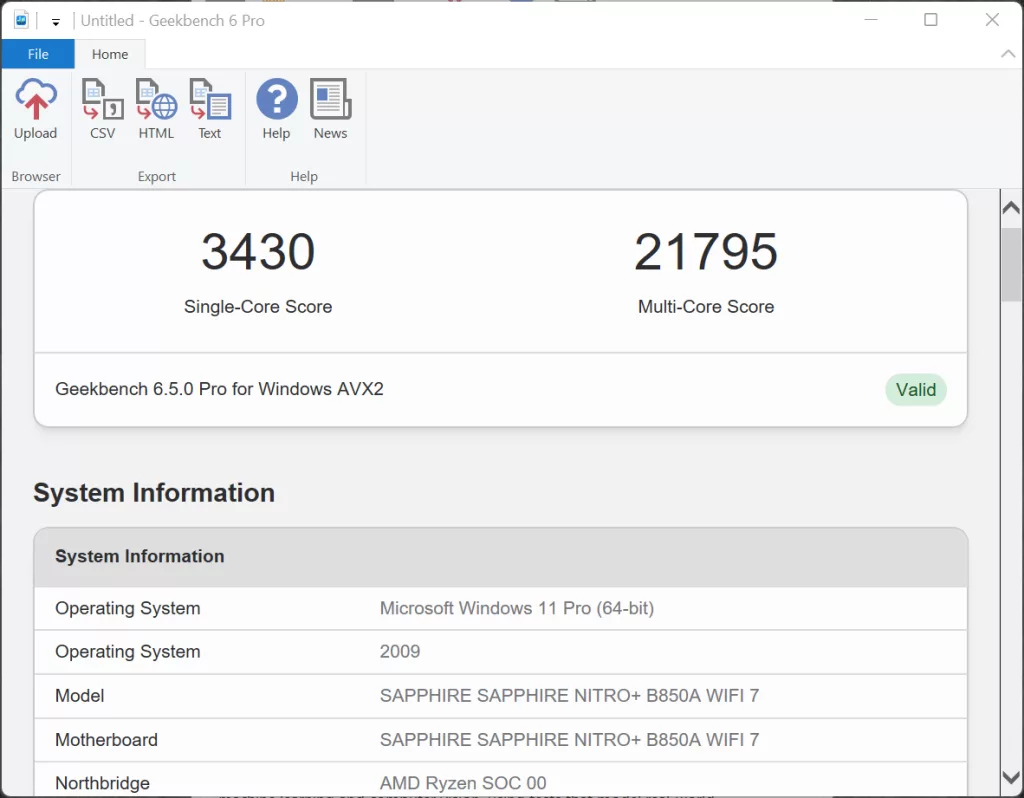
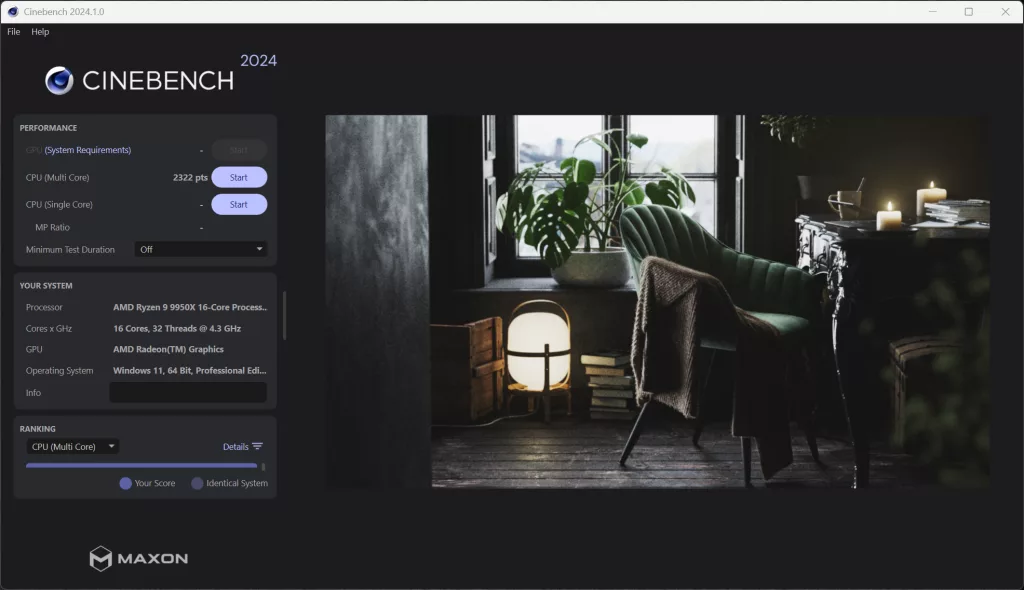
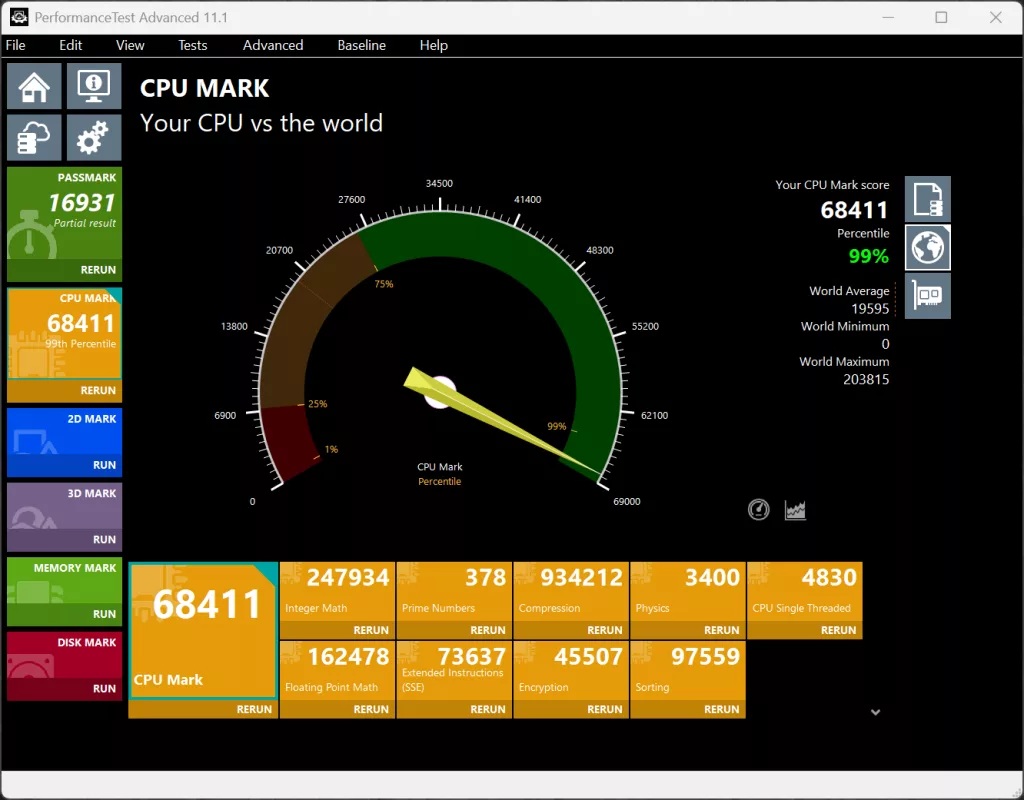
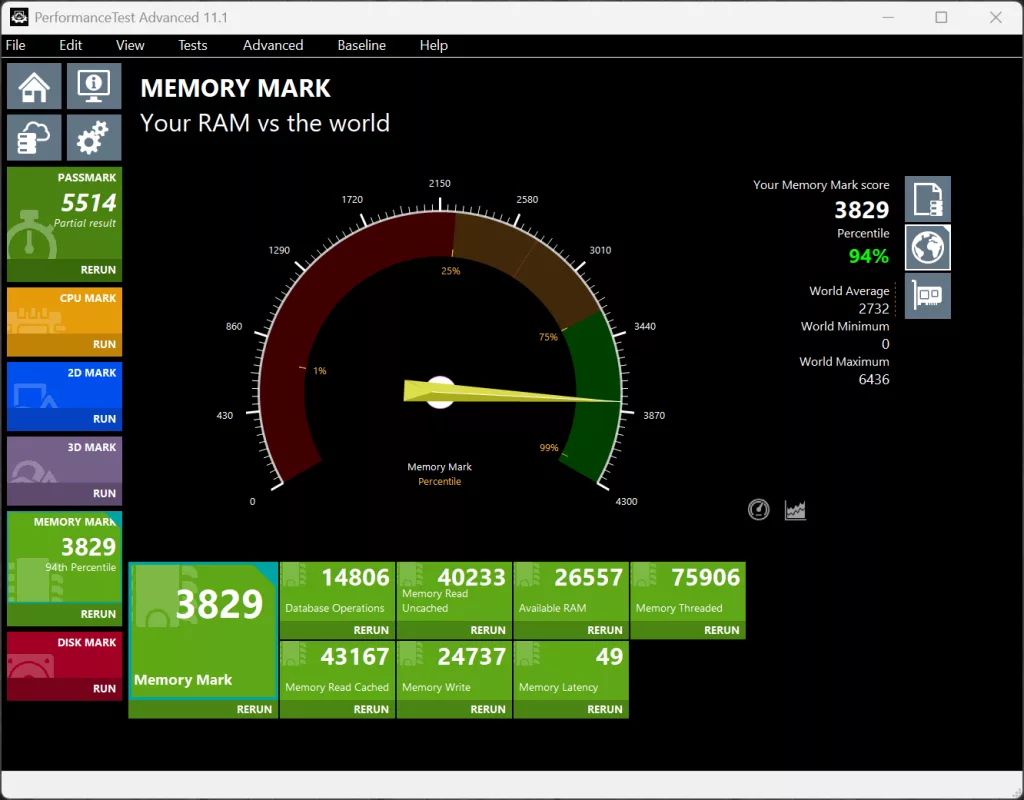
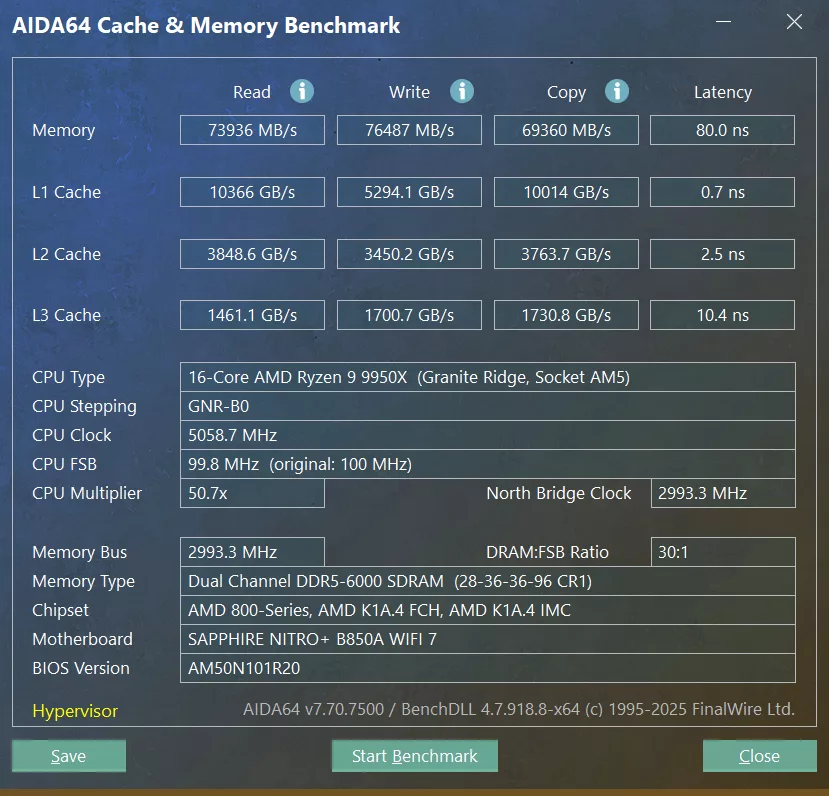
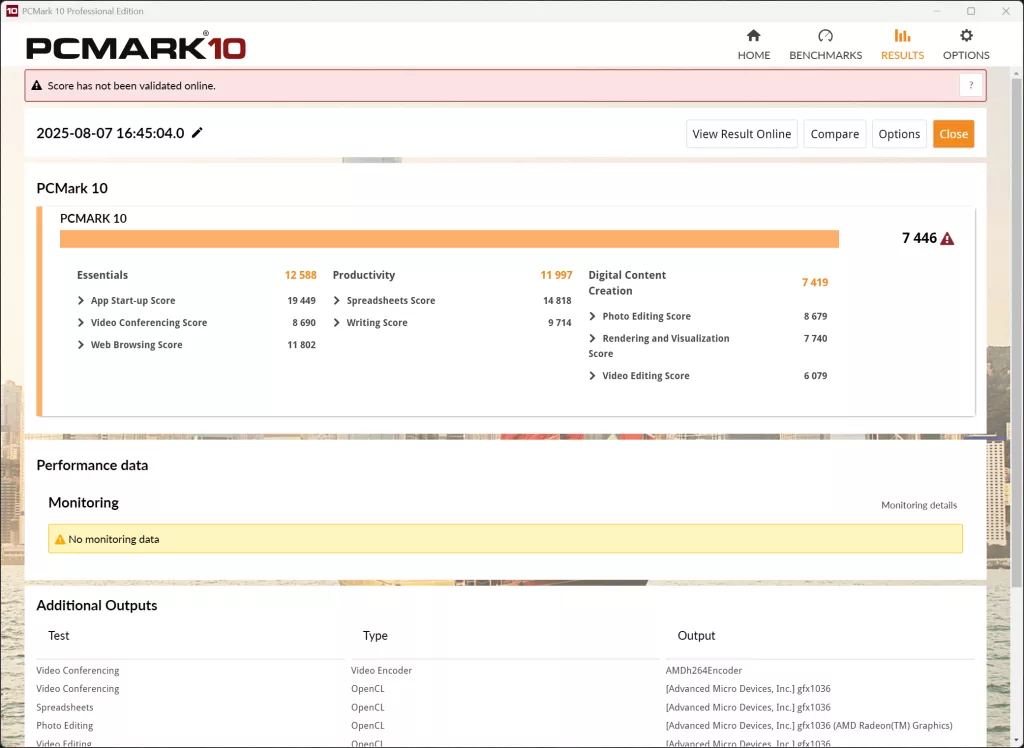
The SAPPHIRE NITRO+ B850A WIFI 7 supports AMD Precision Boost Overdrive, and by enabling PBO in the “Dashboard” of the UEFI, with a single click, our AMD Ryzen 9 9950X is boosted by this feature in performance. In the benchmarks above, we have run the same tests with the simple addition of enabling PBO. In PCMark 10’s full system benchmark, the score moves up from 7439 to 7528; it isn’t much, but this is a system-wide benchmark and shows that PBO is working without throttling.
In 3DMark CPU’s test, the Multi-Thread score moves up from 16172 to 17469, which is a much more impressive 8% CPU Multi-Threading performance increase thanks to PBO being enabled. In Cinebench, the score increases from 2271 to 2322. Memory performance stays the same, as expected; it is mainly the CPU that gets the boost, and it works well with this motherboard.
Motherboard Performance – Default – DDR5 8000MT/s
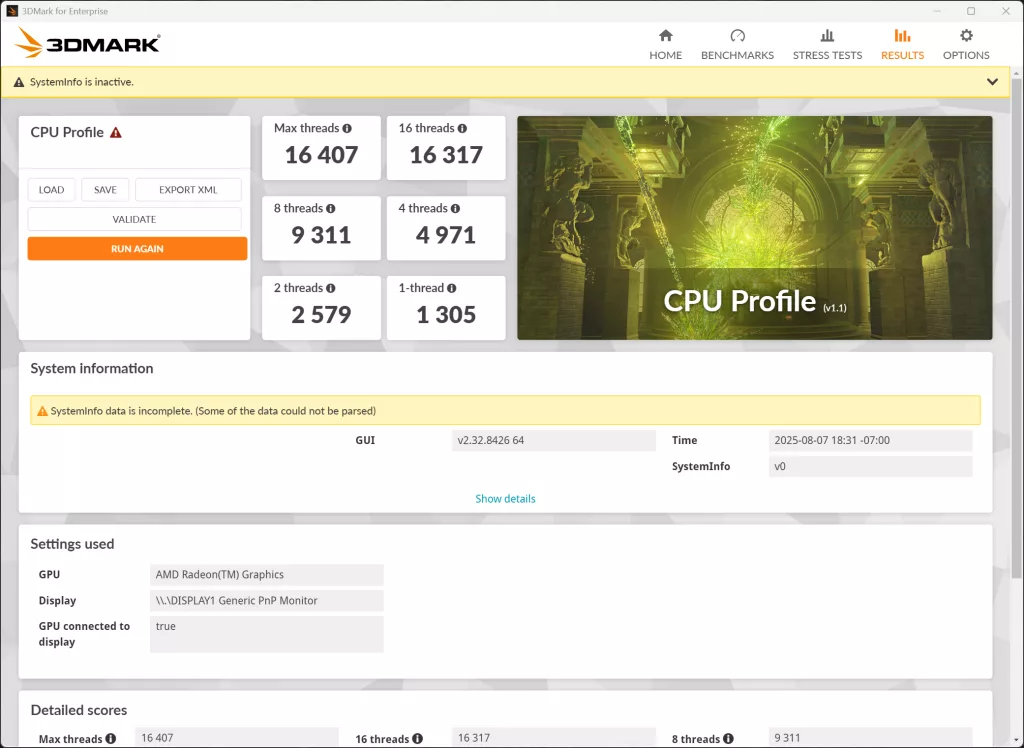
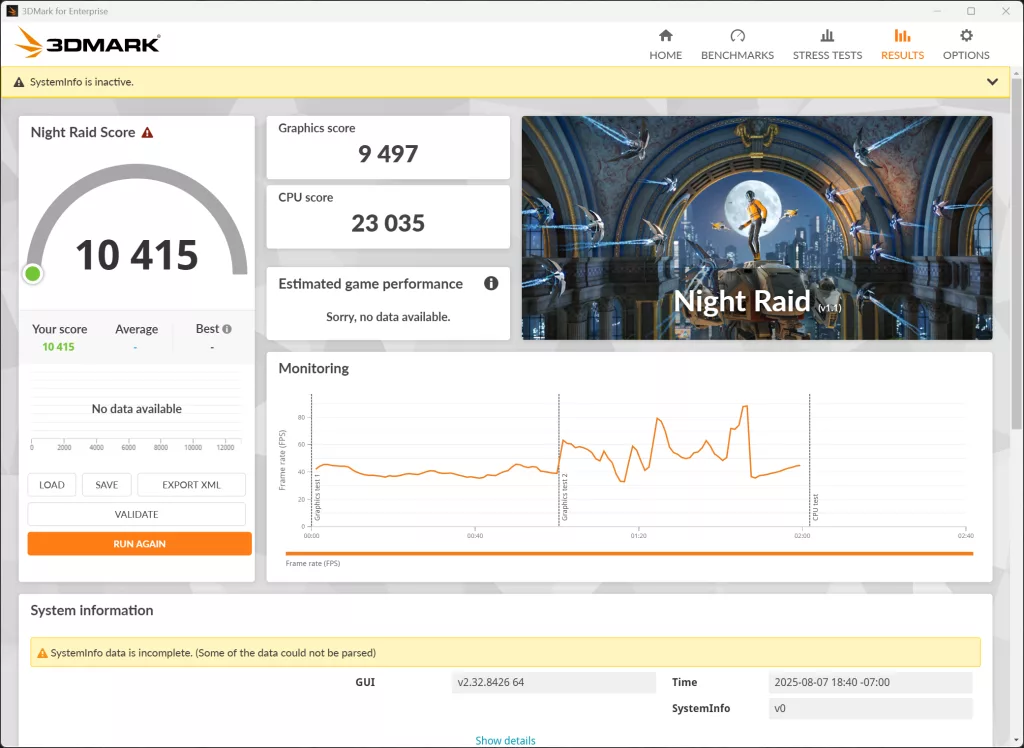
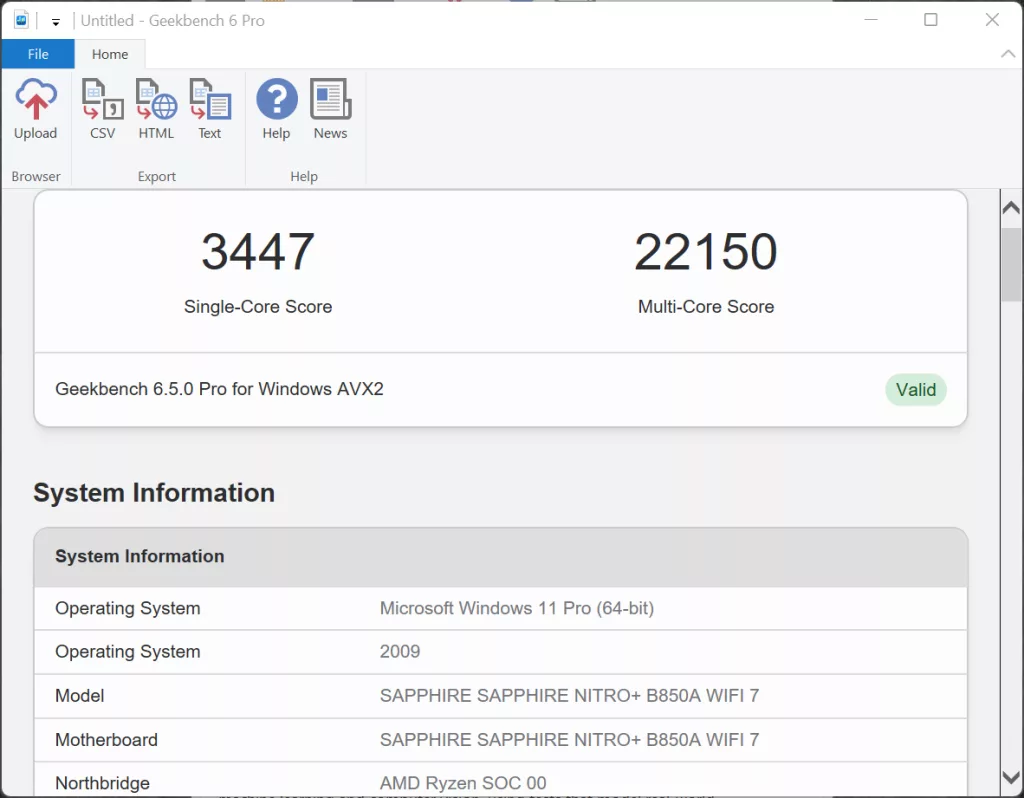
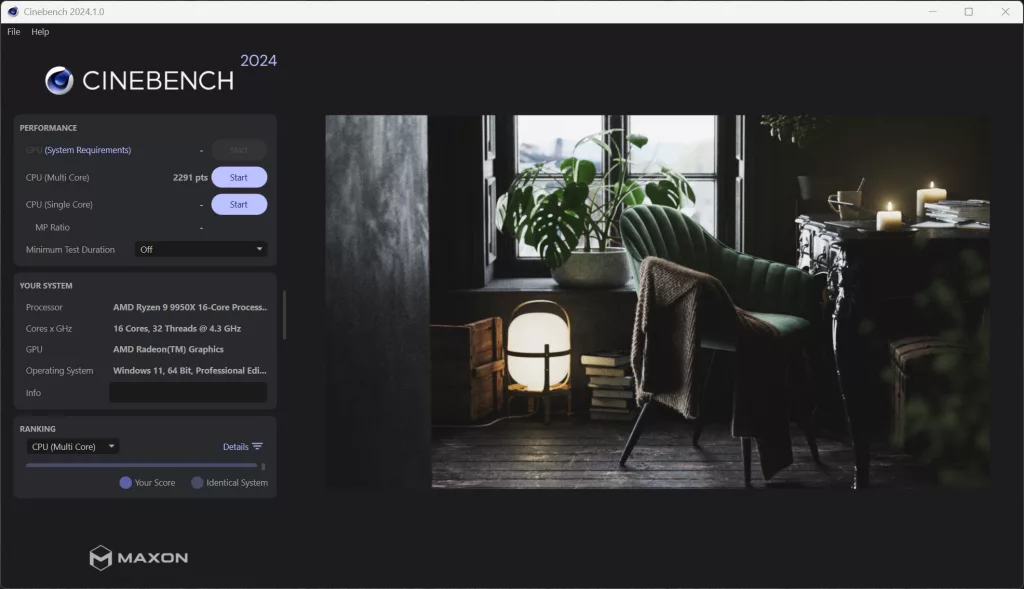
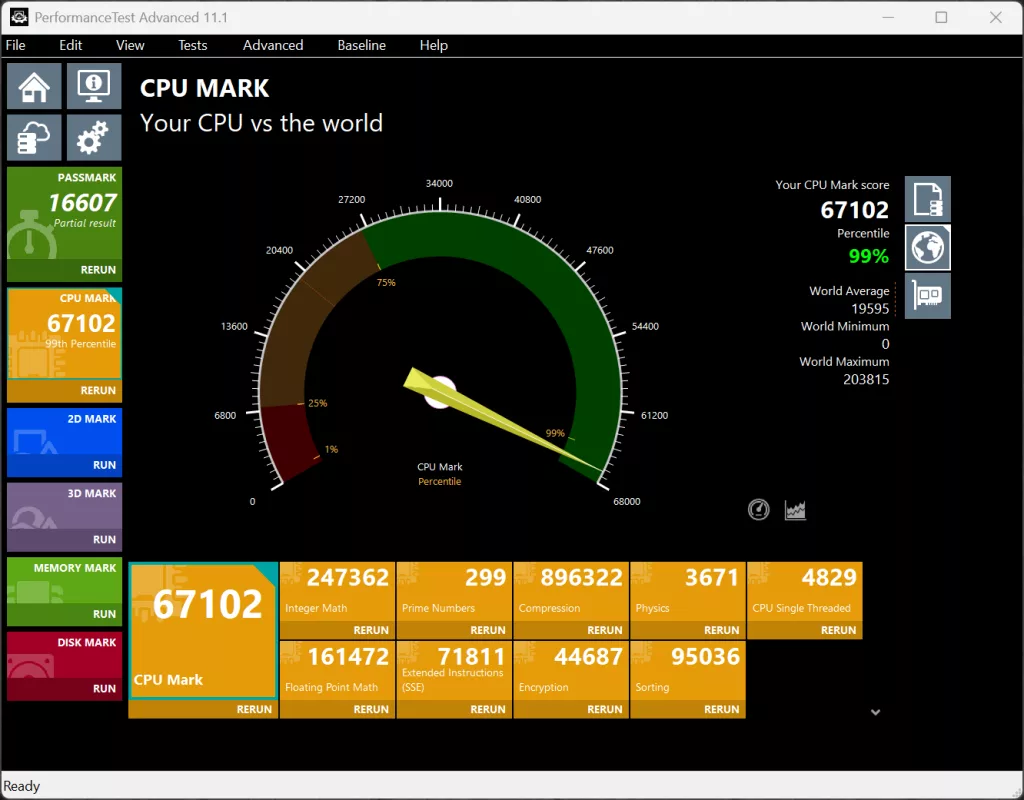
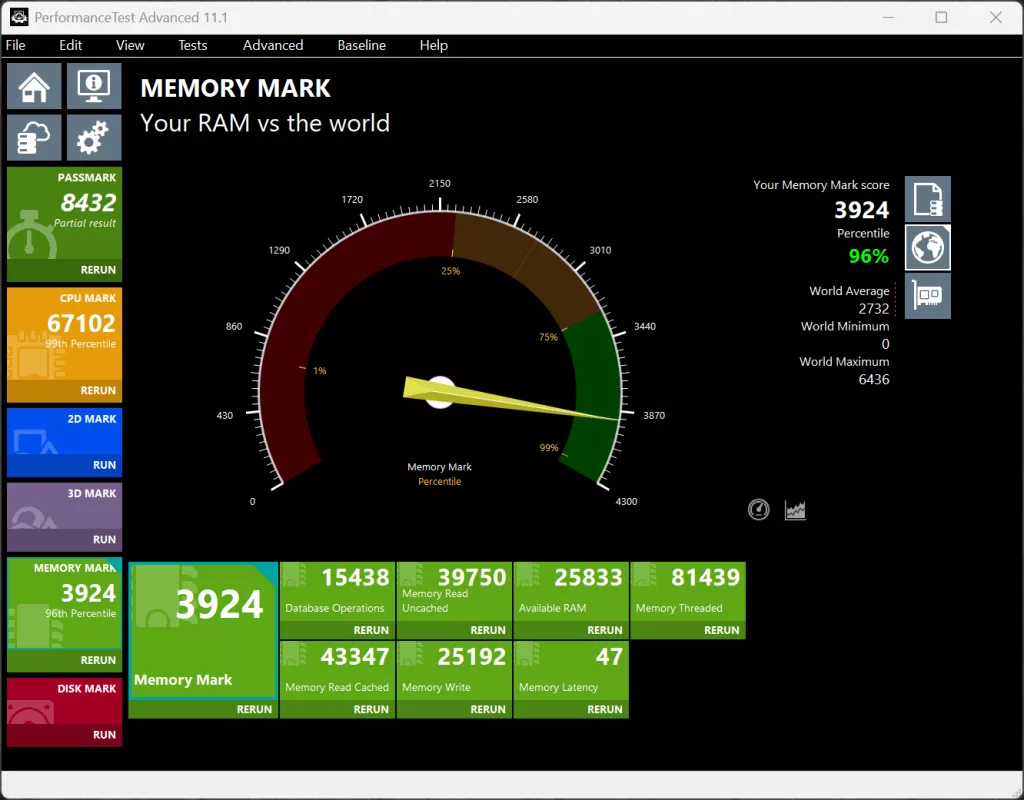
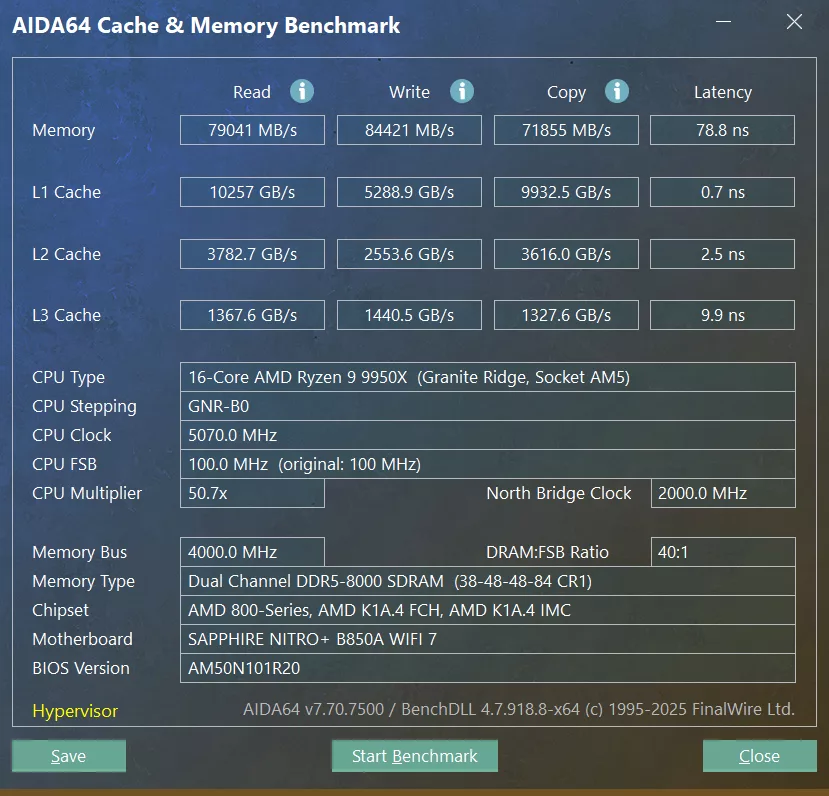
SAPPHIRE claims that the SAPPHIRE NITRO+ B850A WIFI 7 can support up to DDR5 8000MT/s RAM, so naturally, we have to test it. We installed a pair of Patriot Viper Gaming Xtreme 5 32GB DDR5 8000MT/s modules, which has been tested to work well at 8000MT/s, we use it to validate 8000MT/s on motherboards. In the above benchmarks, you can see that the SAPPHIRE NITRO+ B850A WIFI 7 ran well at 8000MT/s DDR5, with no throttling, and no stability problems; we never once had a crash.
Importantly, all the benchmark results compared to DDR5 6000MT/s did go up, by varying degrees. The Memory benchmark in PassMark did increase by 3% with DDR5 8000MT/s. In AIDA64, we can see how the memory bandwidth increased from 7.3GB/s with DDR5 6000MT/s up to now 7.9GB/s, and the memory write speed increased from 7.6GB/s with DDR5 6000MT/s up to now 8.4GB/s. That is an increase of 8% more memory read bandwidth and 11% more memory write bandwidth. We also saw a reduction in latency, down from 81ns to 78.8ns with this DDR5 8000MT/s RAM kit at its default XMP timings.
Discussion (7 replies)
Join Discussion →Seems.to me your nvme speed tests were 2 gig a second off from 14... is that the new par for tne course just accept that because Intel can't hit 14 gig a second that nobody else should be expected to?
The max spec of the Corsair MP700 PRO is: up to 12,400MB/sec sequential read and 11,800MB/sec sequential write
Ah ok... then I would suggest using a drive capable of the full fat 14gb per second throughput. Otherwise you might miss under performing slots and just call them good. See Intel Core Ultra chips not able to hit 14gb on full fat NVME PCIE 5x4 drives.
I was eyeing MSI for the next build, but this board is going to get my money instead. They need the money more than MSI does. I have zero use for gen 5 SSDs anyways. I'll pair it with my Pulse 7900XTX.
It is odd having the NITRO+branding on it, but meh. A new TOXIC board would be sick. see what I did there
I am going to have to pass. Looks like bios support is terrible.
In what way? I'm curious what you mean exactly.
Quote from another forum -