
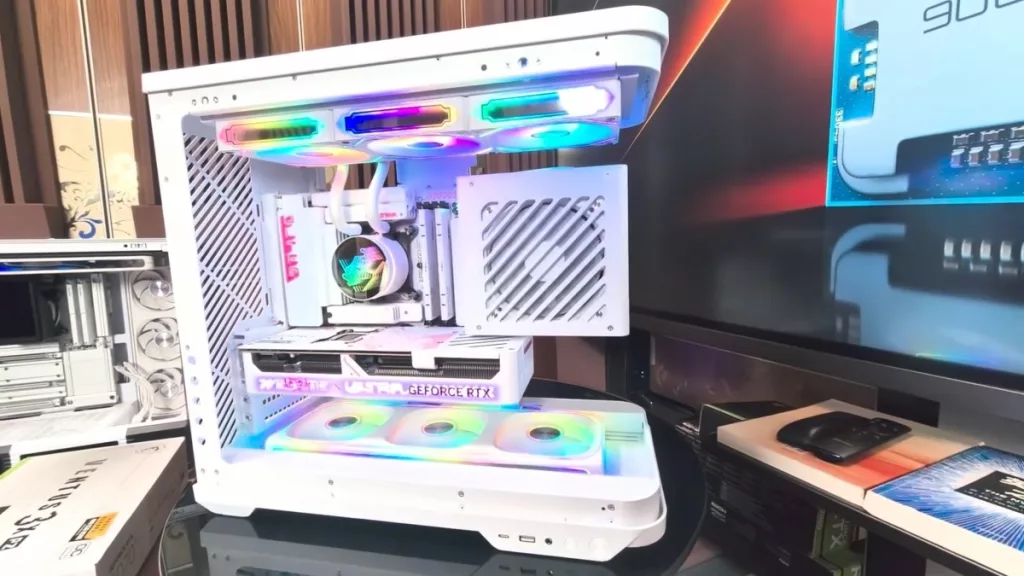
One of the pioneers of back-connect motherboard designs has ideas for BTF 3.0, which takes things a step further with additional improvements. Rear-connection motherboards have been gaining popularity over the last year or so as manufacturers refine their own designs, and each has its own pros and cons in the effort to eliminate cables. Meanwhile, another issue, power delivery, stays on the chalkboard with new connectors being added, which can provide additional power to GPUs, something that has increasingly become a major issue due to kaiju-sized appetites for power and the current less-than-trustworthy 12VHPWR/12V-2×6 connector. This has led to DIY-APE, the creator of BTF, to advance the cable-free idea to another level, which shows promise and has gained the attention of motherboard manufacturers.
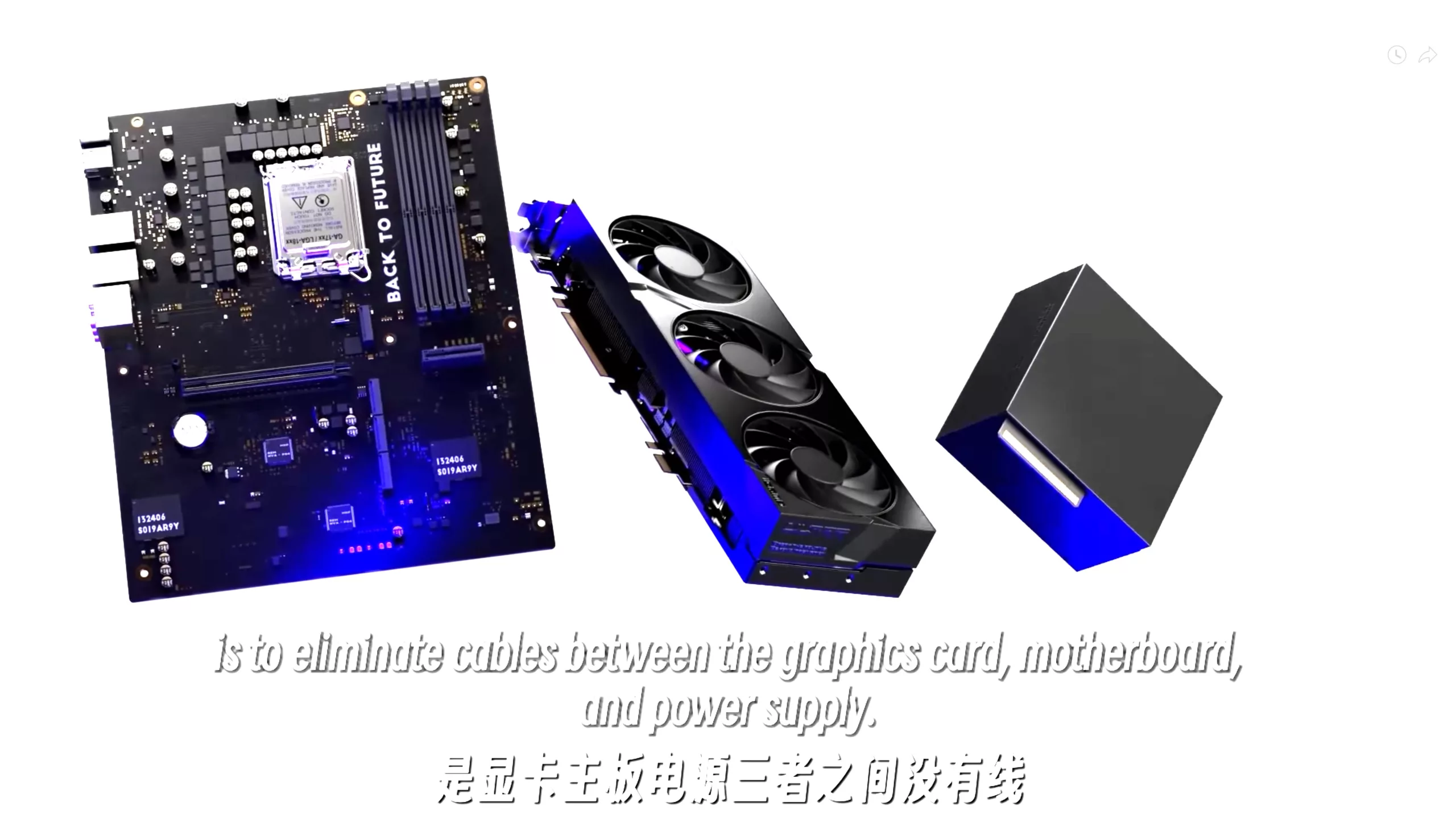
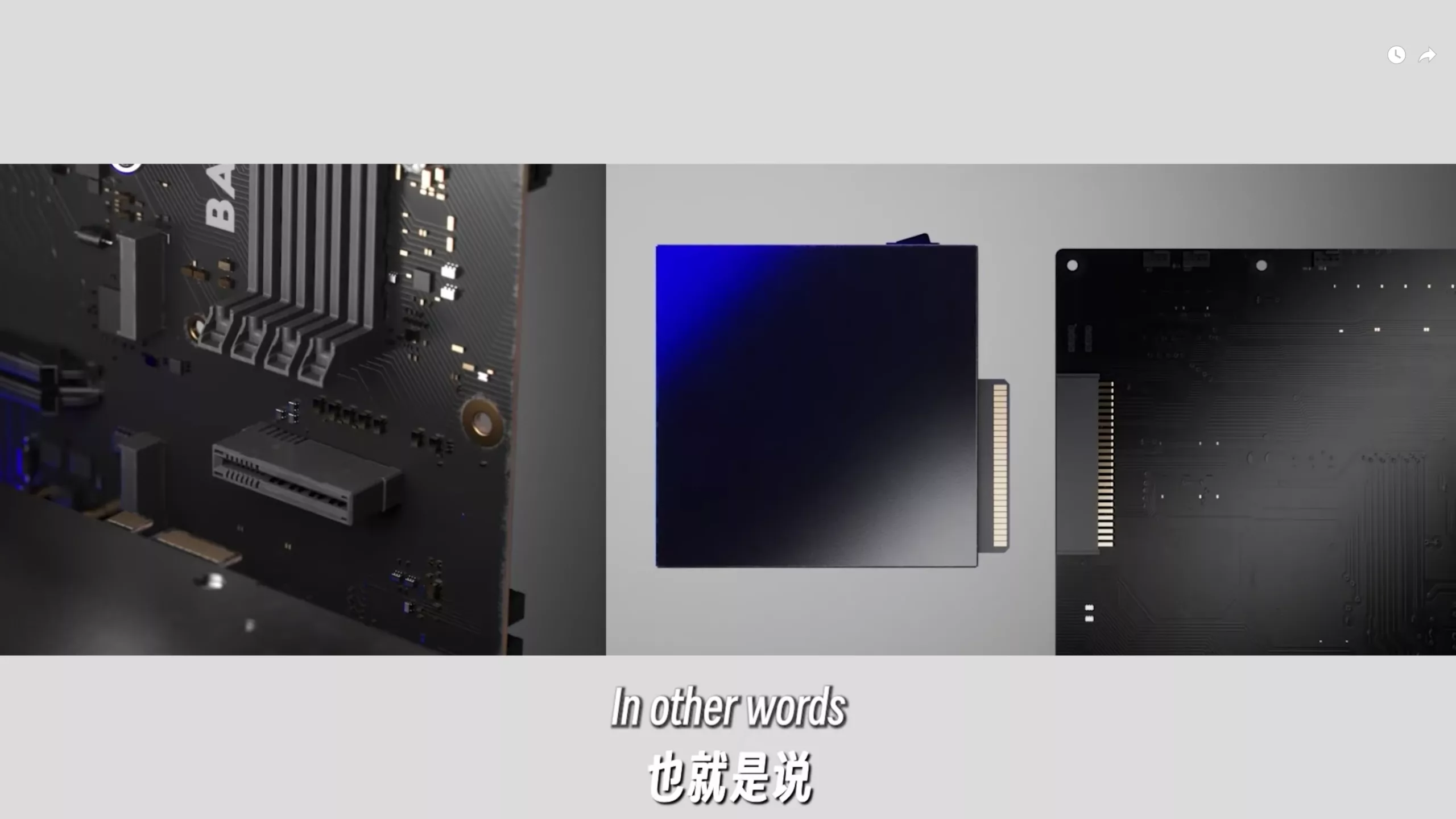
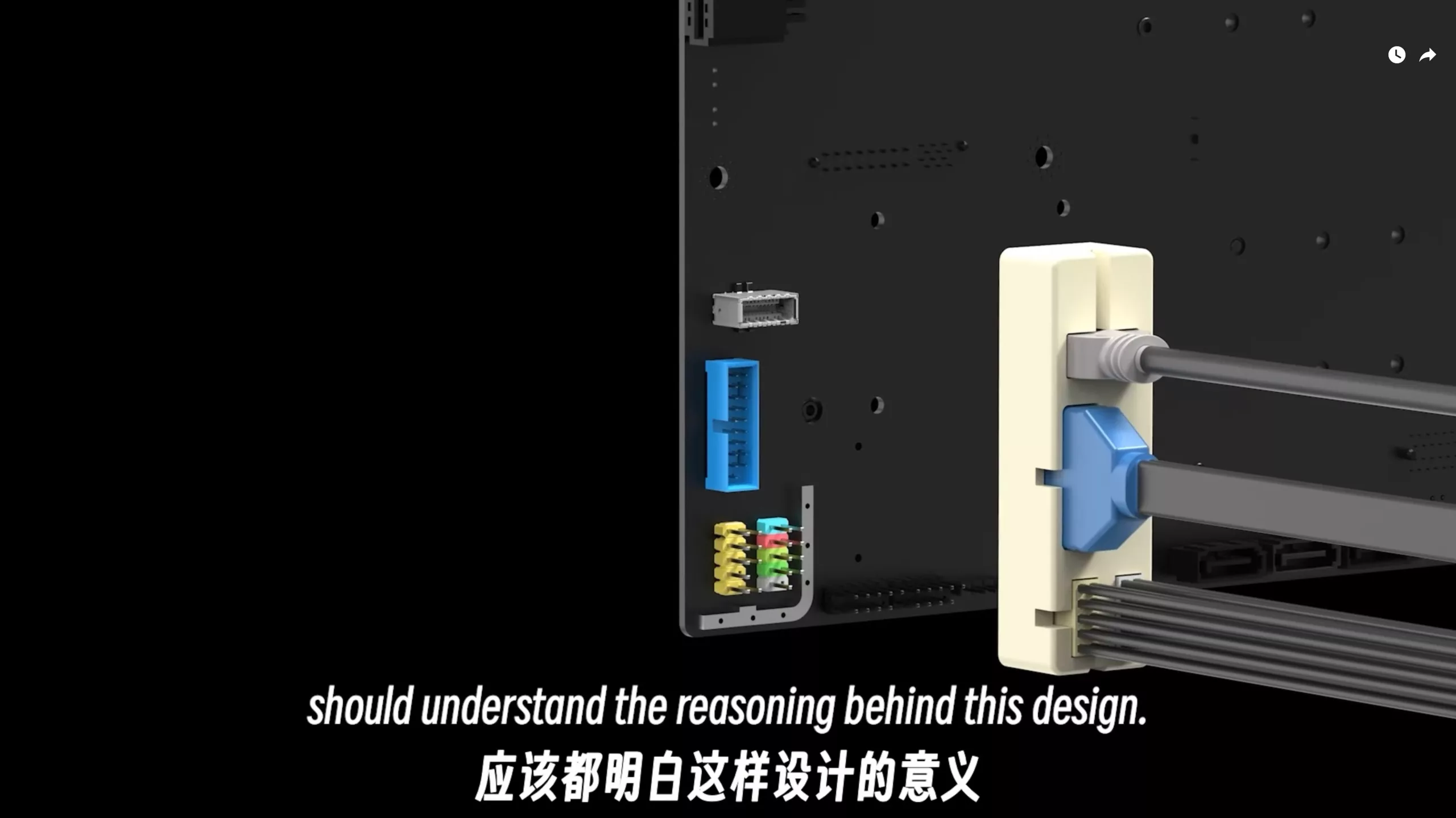


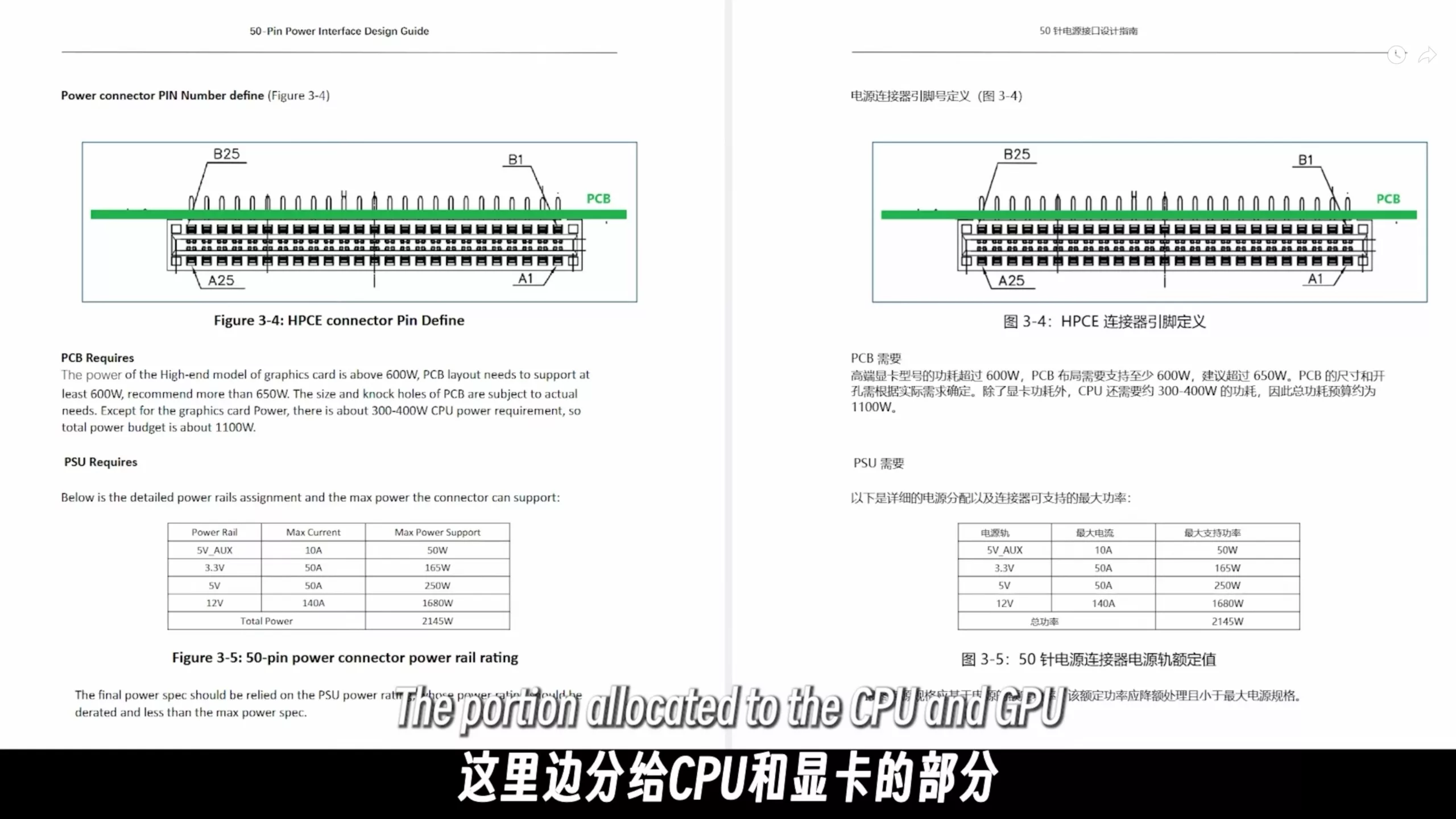
DIY-APE (via VideoCardz), inspired by the Apple Mac Pro, is working towards new standards that incorporate greater use of gold-finger connectors that are often used in enterprise/server solutions. These connectors already have a proven safety and reliability track record, where up to 3000W of power delivery is sometimes used. In addition to using this for connecting the PSU and GPU, he further suggests a unified, simplified, standard for motherboard accessory connectors, such as audio, USB, and I/O, being combined into a simple fitting. BTF 3.0 would also see a single gold-finger rear connector rated for up to 2145W, with 1680W for the CPU and GPU, and given that most consumer CPUs use less than 300W, this leaves over 1600W for the GPU, which can still get more power via its PCIe and legacy power connectors. The PSU has been relocated to plug directly into the motherboard, thus eliminating those cables, and the older ATX 3.0 PSUs can still be used via an adapter.
It remains to be seen if the industry will follow the BTF 3.0 design, but Colorful did work with DIY-APE to produce a prototype. It should also be noted that ASUS is already using similar designs with select motherboards and GPUs that feature an additional gold-finger connect for added cable-free power delivery. Further improvements for cooling are also suggested, with fan power connectors being built into the case, thus allowing fans to be directly plugged in and daisy-chained without the need for cables. Cooling fan manufacturers have already begun using similar designs in recent years, so getting case manufacturers to bridge the gap does seem like a logical step. CPU AIOs would need a slight change by using shorter tubes to avoid unnecessary excessive lengths.
While there are design choices that could be debated, many PC builders would agree that a redesign of motherboards needs to be considered. From gargantuan GPUs whose power delivery systems are becoming increasingly complicated to builders desiring the cleanest look possible, and some standards that seem overly out of date, there’s plenty of room for improvement.
Discussion
Join Discussion →No replies yet. Be the first to reply on the forum.