

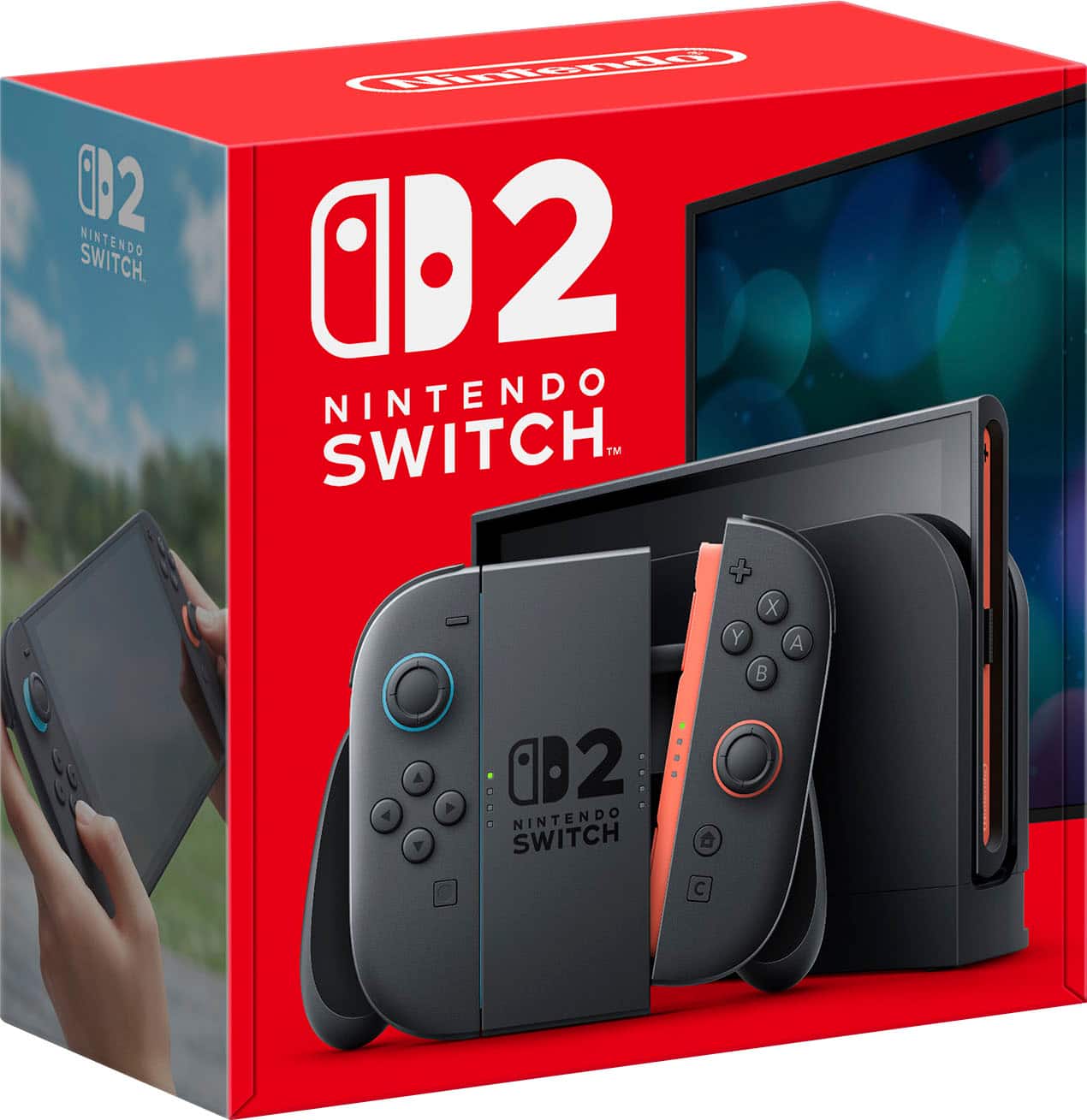
Consoles getting cheaper over time used to be one of the reliable constants in consumer electronics. Nintendo just made it official that this generation, that’s not happening: the Switch 2 is going up $50 in the United States, from $449.99 to $499.99 effective September 1, 2026. Canada, Europe, and Japan are all seeing similar adjustments, with Japan getting hit first on May 25 and taking the largest relative hit with a ¥10,000 increase.
Nintendo’s official explanation: changes in market conditions expected to extend over the medium to long term. Reading between the lines, that’s the AI-driven DRAM and NAND shortage, which Nintendo president Shuntaro Furukawa has flagged in investor communications as a profitability pressure. The same memory crunch that’s pushing consumer DDR5 prices skyward is squeezing component costs for every device that runs on DRAM, consoles included. The timing of this announcement alongside Silicon Motion’s CEO warning that shortages will run through 2028 is not a coincidence: nobody in the supply chain is expecting relief soon.

Nintendo’s Japan pricing adjustment is more significant than the headline figure suggests. The original Switch OLED jumps from ¥37,980 to ¥47,980, the standard Switch rises from ¥32,978 to ¥43,980, and even the Switch Lite isn’t spared. Nintendo Switch Online subscription pricing in Japan is also increasing from July 1, with similar adjustments planned for South Korea. Interestingly enough, the US pricing has not been boosted for Nintendo Switch Online… yet.
Nintendo CEO Furukawa did promise investors a “robust software lineup” to justify the higher price point and maintain Switch 2 momentum, which is the right instinct. With nearly 20 million units sold in fiscal year 2026, but Nintendo’s own projections show sales slowing to around 16.5 million in the next fiscal year, partially attributed to the impending price increase.
Discussion (1 reply)
Join Discussion →Quick GET YOURS NOW!! or... you know.... don't.