
Motherboard Performance
Testing the MSI MAG B850M MORTAR MAX WiFi was accomplished using the benchmarks below. The following components were used: AMD Ryzen 7 7700X, Corsair Vengeance DDR5 32GB at 6000MT/s (CMH32G5M2D6000C36), Team TForce Dark AirFlow GE Pro Gen5 NVME, ADATA SX8 100NP NVME, and the XFX Swift Radeon RX 9070 XT White Gaming Edition graphics card. Comparison results are discussed from the recent reviews of the MSI MAG B850 TOMAHAWK MAX WiFi II and the MSI MAG B850 GAMING PLUS MAX WiFi motherboards, as these are equally equipped. Below you will find a gallery of result screenshots from our testing protocol and a brief discussion of the results compared to the other motherboards with the same or similar components.
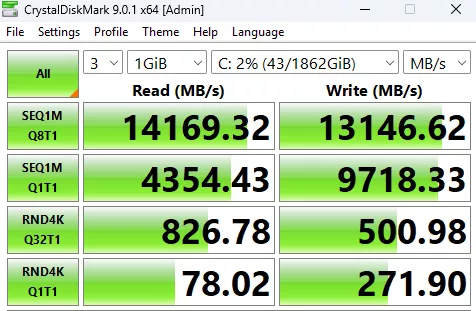
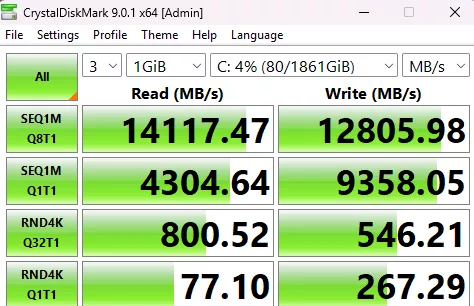
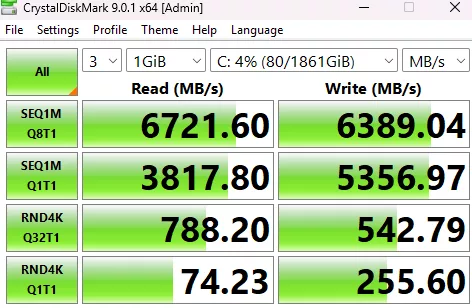
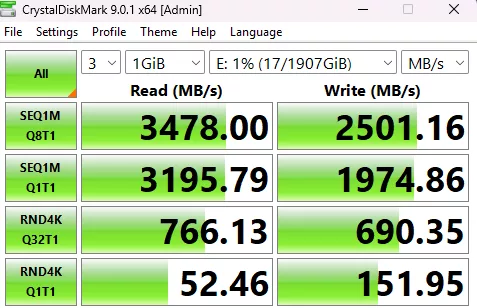
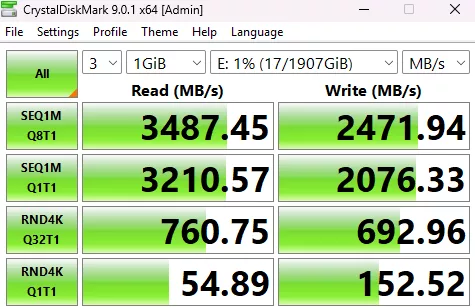
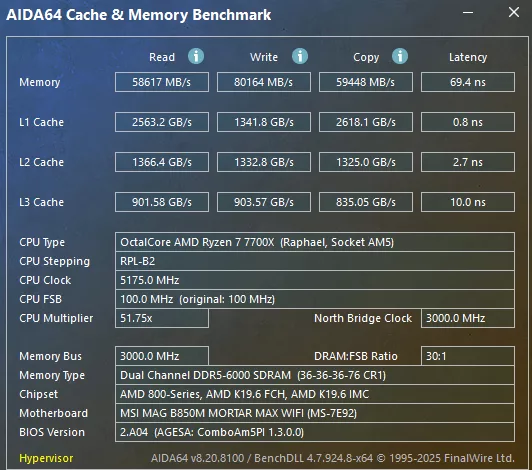
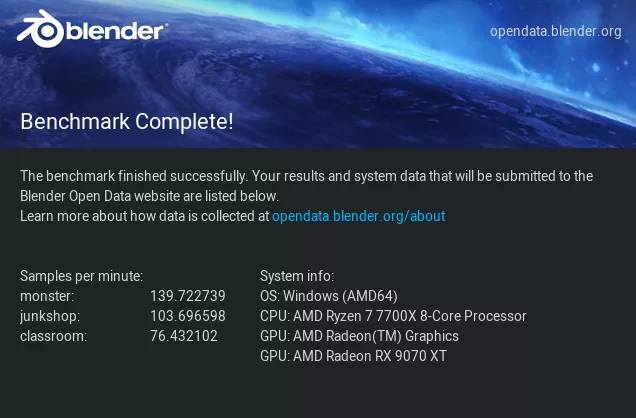
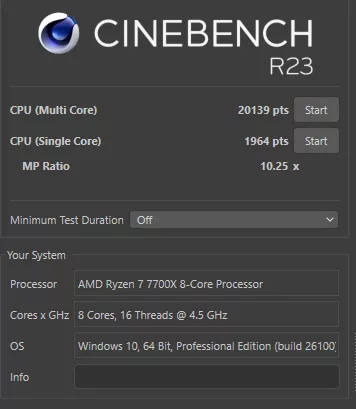
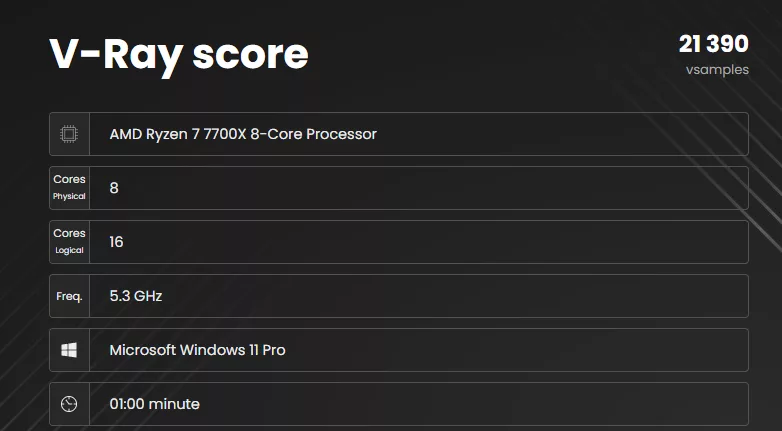
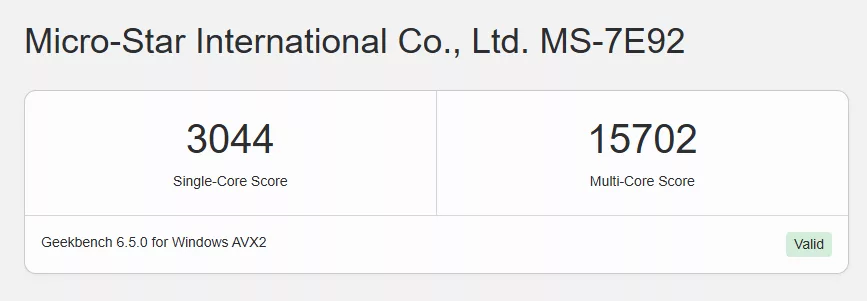
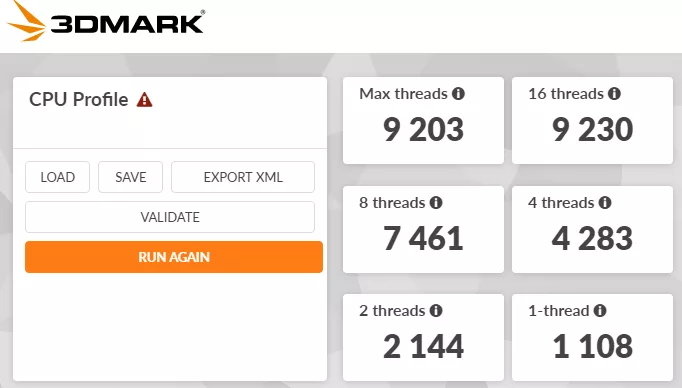
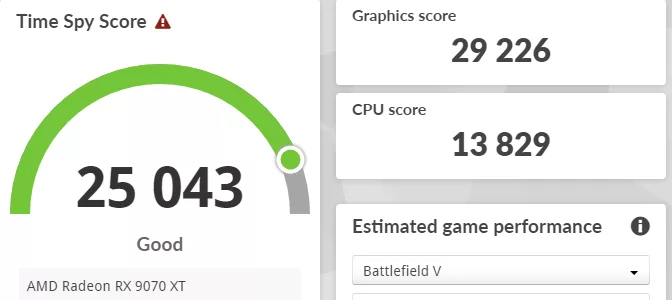
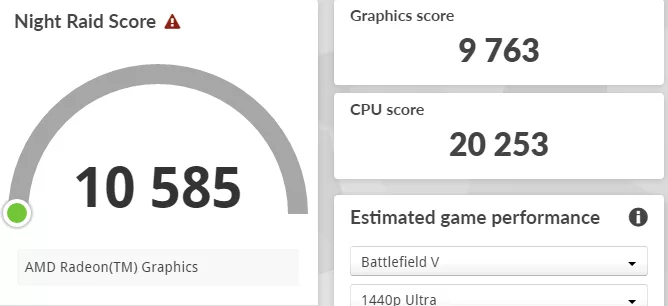
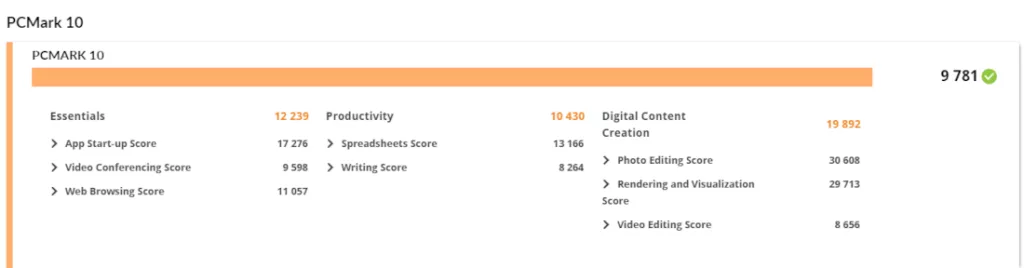
The benchmark testing is essentially identical across the board, comparing the MAG B850 TOMAHAWK MAX WiFi II, the MAG B850 GAMING PLUS MAX WiFi, and the MAG B850M MORTAR MAX WiFi. It only stands to reason, as the boards are identically outfitted. There was no huge loss or gain in performance between these three MAG B850 “MAX” motherboards. Any differences are within the margin of error. We did test M.2 slots 3 and 4 using an older Gen4 NVME drive. This had to be done due to height limitations on the back of the motherboard. There was no difference in functionality; however, both slots performed at Gen4 speed.
VRM Temperature
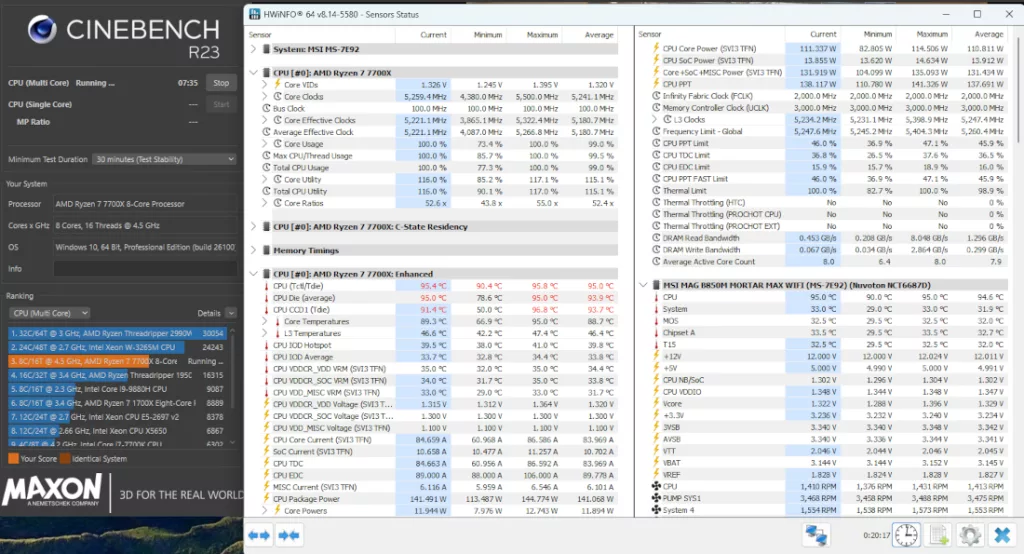
In this test, we run Cinebench R23 multicore for 20 minutes minimum and then record the temperatures across the heatsinks using HWInfo64. The CPU temperatures reached a maximum of 95.8C, 100% utilization, and 5500MHz. VRM temperatures averaged 34.3C. There was no thermal throttle, and no stability issues were encountered.
Discussion (3 replies)
Join Discussion →I love that you're still putting these reviews out.
But I wonder if people are still looking to build out a fresh system these days... Feeling doom and gloom about the industry. Who would have thought it was Nvidia that killed PC.
It'll all come back around eventually, will it be rough for PC builders now, sure, but not always. New hardware is still planned for launch, such as Zen 6 and Nova Lake on PC Desktop, it's not dead yet Jim!
Unlike many of my peers in the industry lately on YT, I'm going to stay optimistic and positive for the future, and not dwell on things I can't control. Instead, I'm going to look at cool new hardware, evaluate it, and just have fun with PC Hardware and Gaming. There's enough doom and gloom out there, I'm hoping to bring something a little more positive to the table.
This is not the end, or even the beginning of the end.