
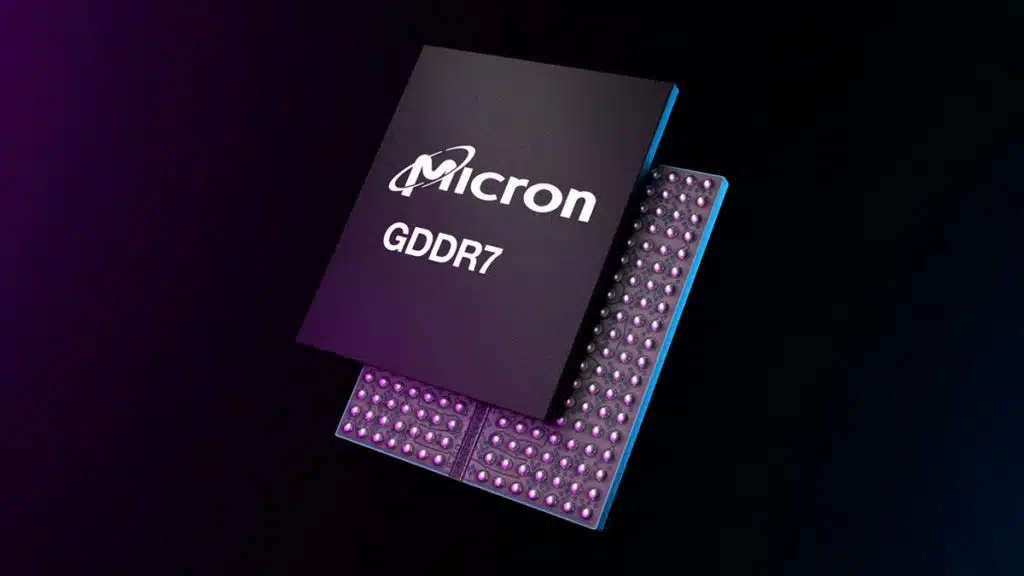
New reports suggest Micron may no longer produce 2GB GDDR7 modules, which could mean it will shift to offering only 3GB GDDR7 kits from now on. As spotted by UNIKO’s Hardware (via VideoCardz), the 2GB GDDR7 D8FHL module has been widely used with many of NVIDIA’s more budget-friendly desktop GPUs, including the GeForce RTX 5060 all the way up to its flagship GeForce RTX 5090. However, according to reports, it is no longer to be found on Micron’s storefront and is said to be EOL now. This means that, moving forward, potential customers only have 3GB GDDR7 options to pick from.
the micron gddr7 28gbps 2gb chip d8fhl (MT68A512M32DF-28:A) used on some rtx50 cards, has reached end of life.
— UNIKO's Hardware 🌏 (@unikoshardware) September 22, 2026
in fact, all micron 2gb g7 chips listed on their website are now eol, leaving only 3gb options avaliable. https://t.co/W70J3DMYGS pic.twitter.com/ltj6Sab6Mf
It’s unknown how many of the 2GB GDDR7 D8FHL modules NVIDIA may have stockpiled, but if Micron has indeed ceased production, it would mean that at some point, if RTX 50 series manufacturing is to continue, all of the current product stack will eventually have to transition to 3GB modules. However, there is more to unpack here since it doesn’t mean that NVIDIA may yet still choose to launch its SUPER lineup, which could introduce 3GB GDDR7 to, say, the 12GB RTX 5070 SUPER, but that could also mean that the RTX 5070 TI SUPER and/or RTX 5080 SUPER might get bumped up to 24GB of VRAM. A bit of speculation for sure, but totally impossible either. However, it’s already known that 3GB GDDR7 modules fetch a much higher price than 2GB modules, which could directly impact pricing for the SUPERs, should they ever launch.
Meanwhile, NVIDIA is already using 3GB GDDR7 modules for the RTX 5090 mobile, which is a variant of the desktop RTX 5080 die paired with 24GB GDDR7, thus proving that the GPU manufacturer has already taken a step towards changes with the RTX 5080. AMD could also be affected by this change from Micron, as it has been rumored to shift to GDDR7 for its upcoming RDNA5 graphics cards. AMD currently uses GDDR6 for its Radeon RX 9000 RDNA4 series but is said to move to GDDR7 for the next generation. Change is inevitable, but anything that rocks the boat during a bad storm is likely to mean higher costs for consumers, as is the case with the current memory and storage shortage.
Discussion
Join Discussion →No replies yet. Be the first to reply on the forum.