
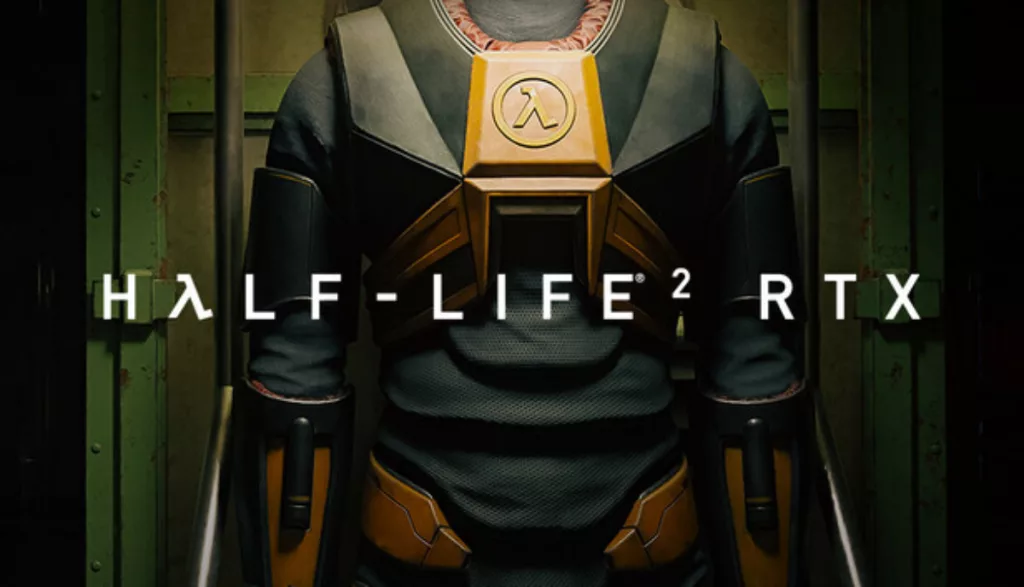
DLSS 5 is now officially coming to more games, including a couple of classics that got the RTX Remix treatment, and something else NVIDIA has also updated with neural rendering support. Portal with RTX arrived in 2022, bringing ray tracing to the classic game, and was then followed by the Half-Life 2 RTX demo; both now support DLSS 5. Now, while DLSS 5 is more famously known for adding more detail to facial features for characters in games, it can also improve the appearance of various other textures, such as those used for monsters, metallic objects, and other items in games, with added lighting and other touch-ups. Jacob Freeman has posted some screenshots online showing the impressive upgrades made to these games, which keep getting modern makeovers.
Portal RTX with DLSS 5! 👀 https://t.co/uJSCx633pX
— Jacob Freeman (@GeForce_JacobF) October 21, 2026
New update is live for Half-Life 2 RTX Demo! Added option for DLSS 5 NR, Frame Generation Preset C, up to 6X MFG and DLSS 4.5 SR (Preset F). Here’s a few shots with DLSS 5 on 👀 https://t.co/Gr5KWxEkpg
— Jacob Freeman (@GeForce_JacobF) October 23, 2026
Presently, it doesn’t look like another popular RTX Remix project, Quake RTX from 2019, has received support for DLSS 5 yet, but one can hope. However, as spotted by VideoCardz, NVIDIA has updated RTX Remix to include it, thus making it easier for modders to add it to more games, something many have already been doing- but it’s nice to see official channels expanding support. It’s odd how DLSS 5 is getting officially added to games but not being talked about officially, but hey, at least it’s happening, and on that front, Deepsilver added it to its recently released next-gen updated PC versions of Metro 2033 Redux and Metro: Last Light Redux.
DLSS 5 made its debut in NBA 2K27 and immediately began getting dropped into just about any game it could be by the modding community. However, so far only the handful of games above have officially gained support for the new feature, but they could be the beginning of a flood that will rage throughout 2027.
Discussion
Join Discussion →No replies yet. Be the first to reply on the forum.