
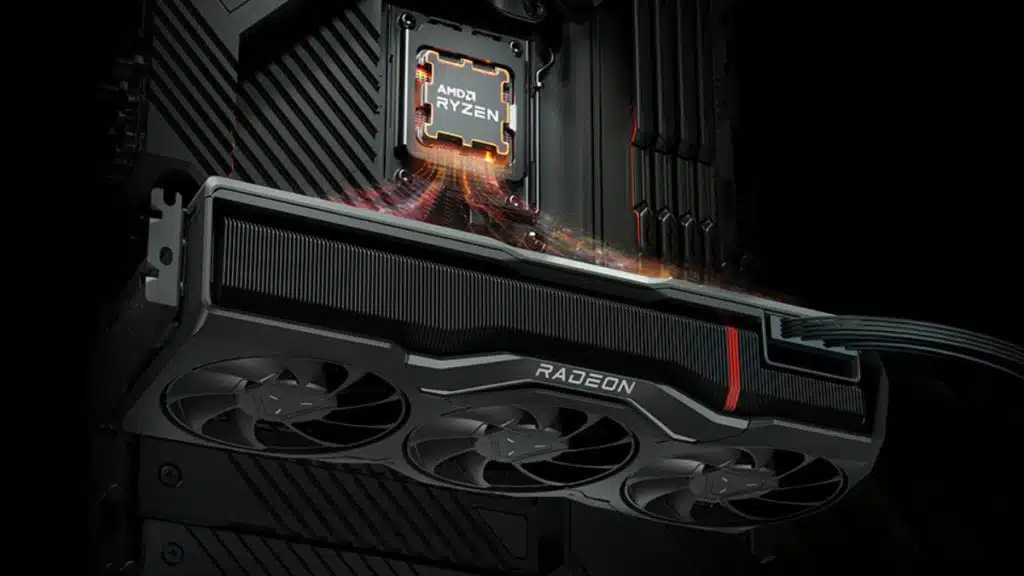
AMD released its Radeon RX 7900 XTX and Radeon RX 7900 XT graphics cards despite knowing that they came with unfinished RDNA 3 “Navi 31” GPUs, according to new claims made online by individuals that include Kepler, who alleged on Wednesday that the hardware lacks a working shader prefetch HW, something that could reportedly lead to poor gaming performance, including frame rate drops and stuttering.
“So AMD decided to release Navi31 A0 silicon, which is known to have a non-working shader prefetch HW,” Kepler said in a tweet dated December 14 regarding AMD’s alleged blunder, which is said to affect other chips as well that are destined for future Radeon RX 7000 Series graphics cards, including Navi 32, as noted by some publications.
So AMD decided to release Navi31 A0 silicon, which is known to have a non-working shader prefetch HW 🤦♂️🤦♂️🤦♂️🤦♂️https://t.co/cQTRKynN0B pic.twitter.com/CIdv6GUcYW
— Kepler (@Kepler_L2) December 14, 2022
If Kepler is to be believed, this issue is a complicated one that could take AMD several months to fix, assuming that the company even plans on fixing the alleged issue at all.
There’s also the problem of Radeon RX 7900 XTX and Radeon RX 7900 XT graphics cards being on shelves and in the hands of many enthusiasts already, a good portion of which will presumably be upset to know that they have inferior versions of RDNA 3 in the event that AMD ends up releasing proper versions of its new GPUs.
Complementing the allegations are various reports from some reviewers who claim AMD’s Radeon RX 7900 XTX and Radeon RX 7900 XT graphics cards are exhibiting inconsistent performance, with fluctuations present in popular titles that include Activision and Infinity Ward’s Call of Duty: Modern Warfare II, whose multiplayer is free to play from December 15 through December 19.
It's getting weirder. First it's running MW2 (1080p) at ~350 FPS with ~2900 MHz clocks. But an hour and a reboot or two later, it's doing ~300 FPS with t~2400 MHz.
— Nadalina (@NadaOverbeeke) December 14, 2022
Same game, same test run, same settings.
Now retesting the XTX, suddenly the same thing: +20% FPS out of nowhere. https://t.co/hvRCPzLqXV
AMD launched its first Radeon RX 7000 Series graphics cards in the form of the Radeon RX 7900 XTX and Radeon RX 7900 XT on December 13, 2022, and they appear to be selling well despite brewing controversies.
The AMD Radeon RX 7900 XTX has an SEP of $999 USD, while the AMD Radeon RX 7900 XT has an SEP of $899 USD.
Discussion (6 replies)
Join Discussion →I should like to see evidence.
My guess these 'inconsistent' ups and downs are due to thermals.
Would all of the reviews on performances by FPS and other sites be with the "broken" hw shader pre-fetch? If so then does it matter? We have been shown what performance we will get. It is industry expected to have a refresh 6 months in with the ti/50 versions, right?
It is hard to know if these issues are real or not, and if real do they really matter or not.
Spreading rumors about the other team, while ethically challenged, is an age old business practice no doubt going back to the dawn of time.
My level of knowledge down to the transistor level is not vast. What do people think, is this a real issue?
I've been hearing things through the grapevine for the last week or two on this. Nothing conclusive other than there could be issues that drivers can only fix so far. That being said, there's only so much one should expect from a new design on its first release. NVIDIA didn't exactly get an award for when the 2080 Ti, or other Turing cards, launched either (although the 2070 was a pretty good value). These are a starting point for AMD and I hope they stay committed to them. There's a lot of potential for future gens if they do.
So far, these are just people's opinions and speculation.
Though the driver "fine wine" is real, IMO. I have seen AMD GPUs improve over time with drivers, to a great degree, and I think we will see the same with RDNA3.
NOT unfinished
https://www.tomshardware.com/news/amd-addresses-controversy-rdna-3-shader-pre-fetching-works-fine?utm_medium=social&utm_campaign=socialflow&utm_source=twitter.com
Thanks! I saw that yesterday as well and posting on it now.
A ' controversy' based on a twitter comment, which is based on the most flimsy ' evidence' , said evidence is actually misunderstood at the most basic level. Might be that everyone is well intended, or it may not.