
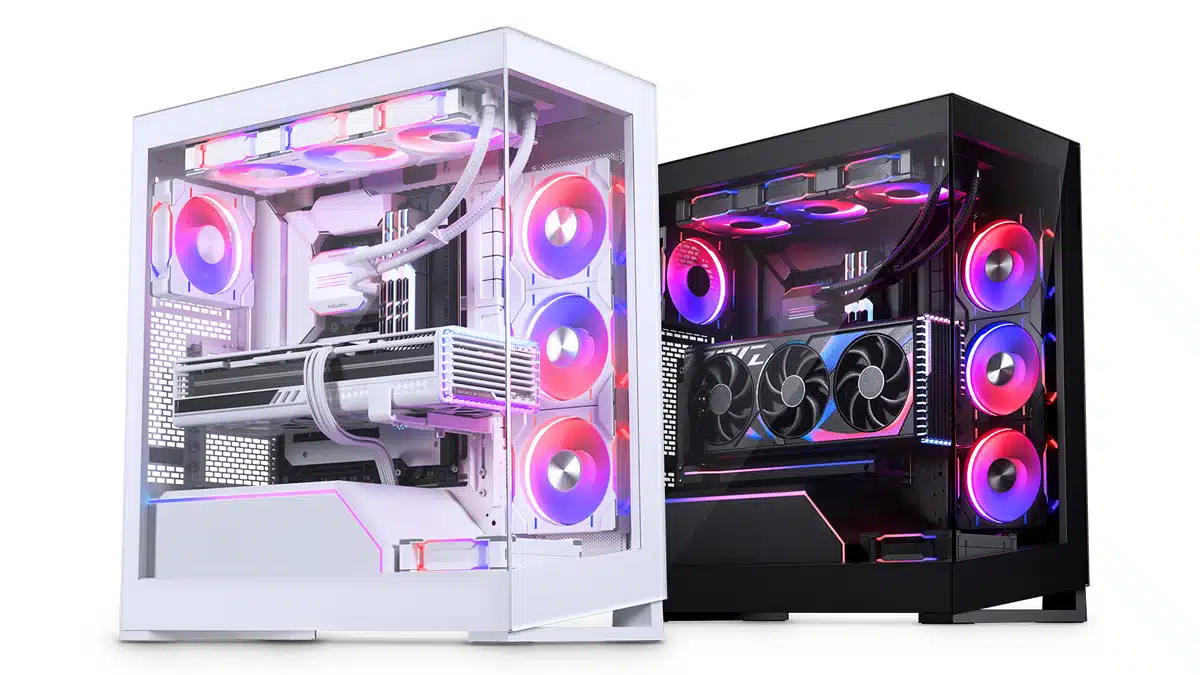
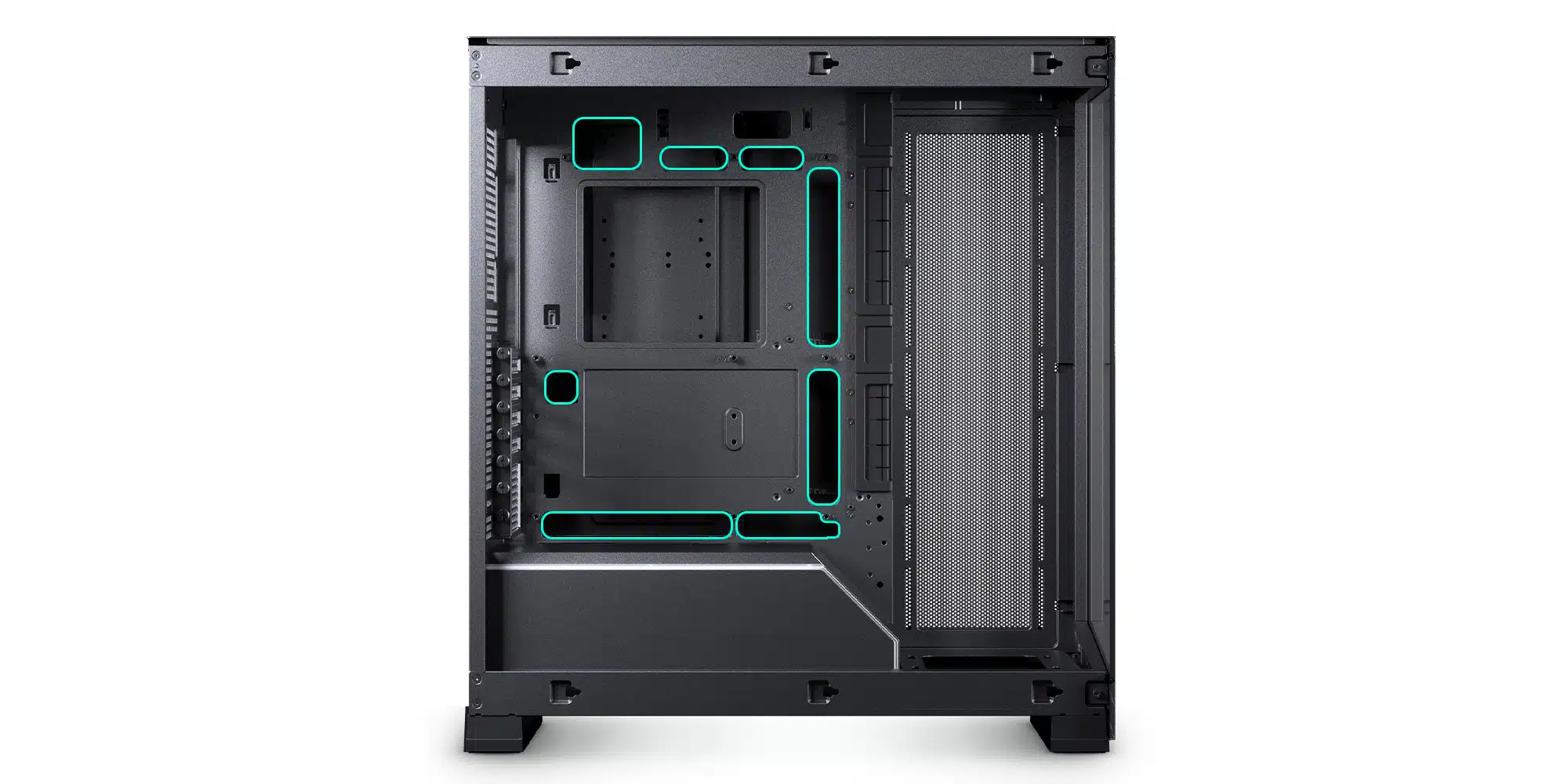
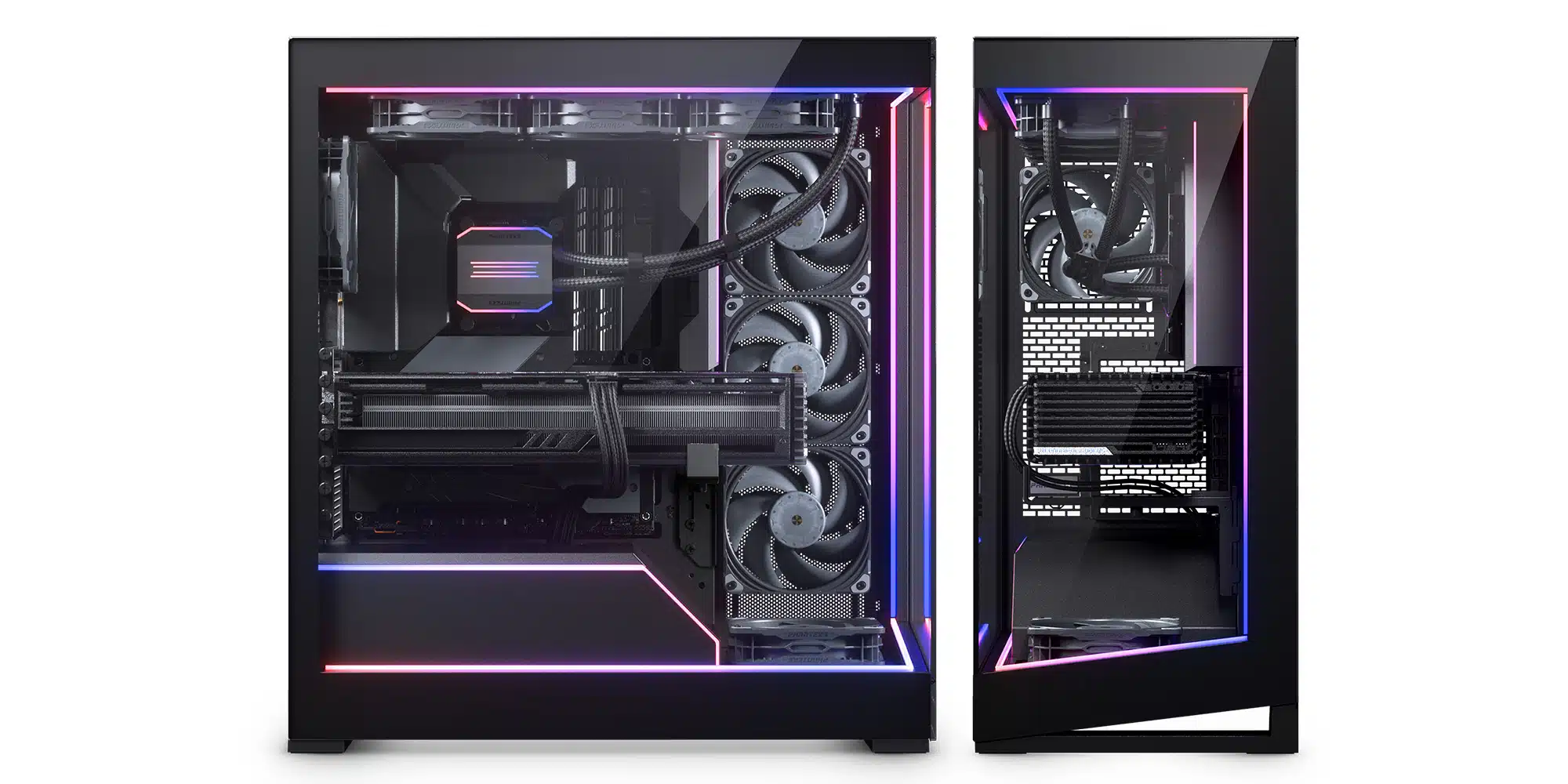
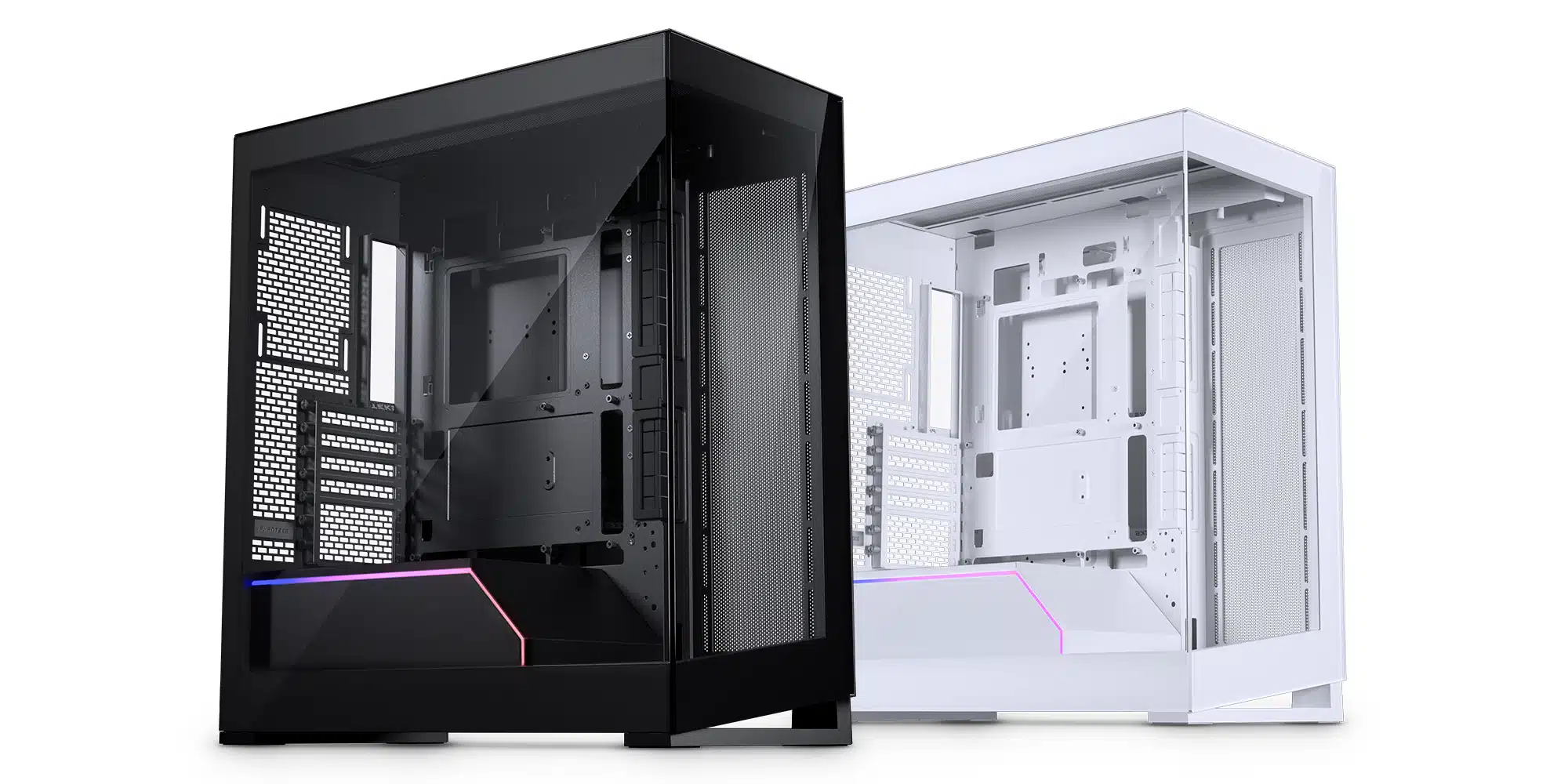
Phanteks has announced the release and availability of the NV5 MKII, an upgraded version of the original mid-tower chassis that adds support for BTF/Project Zero motherboards, ASUS and MSI’s latest solutions for enthusiasts seeking cleaner cable management and greater aesthetics. One of the highlights of this case is its glass panel, which is near seamless, something that Phanteks says is ideal for users to showcase their builds.
Product links:
Availability details:
- Americas (available now)
- Asia/EU (mid-July 2024)
Key features include:
- BTF/ Project Zero Mainboard Compatibility: Optimized to support the latest mainboard technologies.
- Near-Seamless Glass Panels: Perfect for showcasing custom PC builds in a visually striking manner.
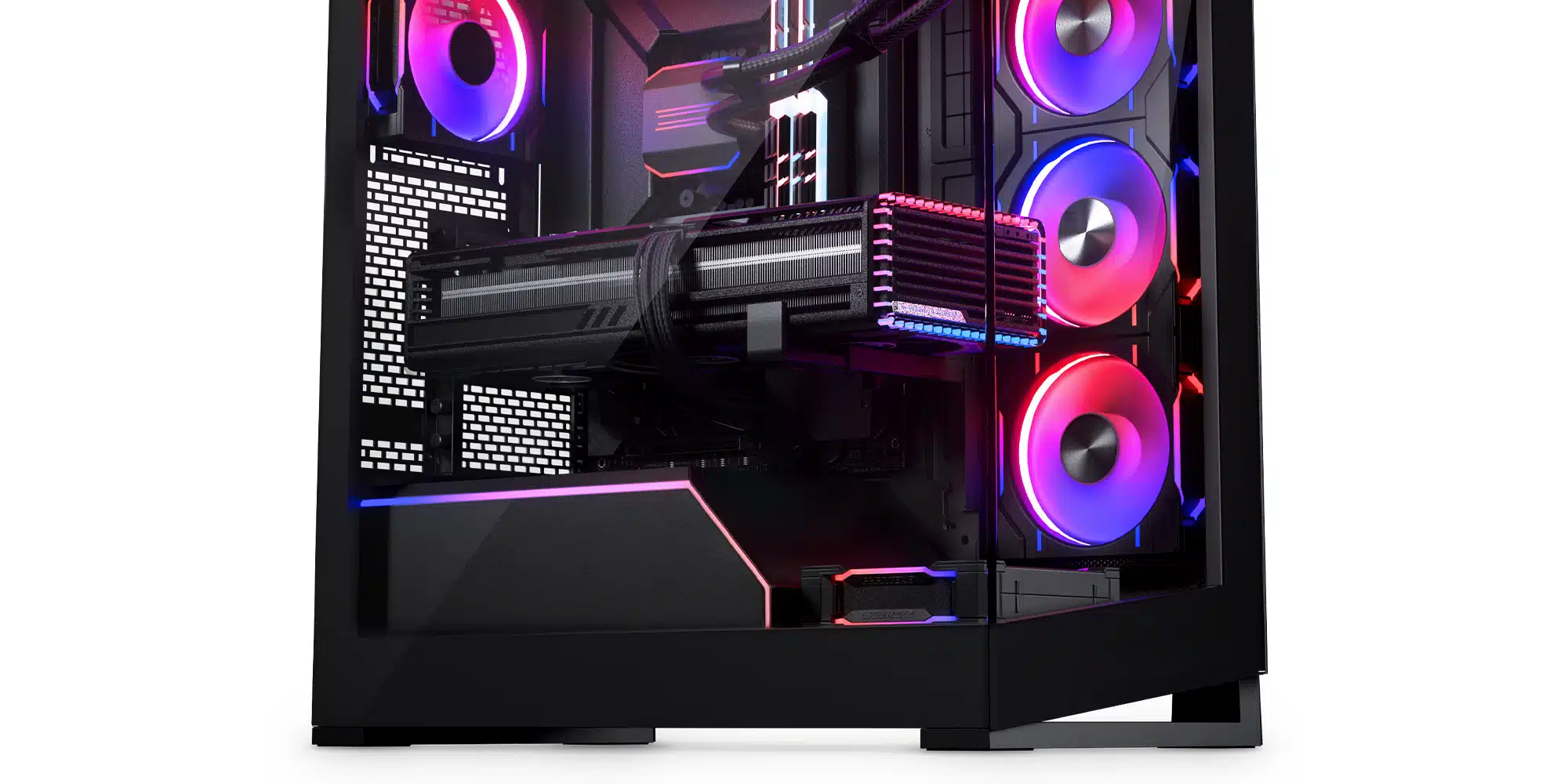
- Increased Chassis Width: to support wider modern GPUs and 12VHPWR cables.
- Ultra-Fine Performance Mesh Design: Ensures high airflow with effective dust filtration.
- High-End Cooling Performance: Accommodates up to eight 120mm fan positions.
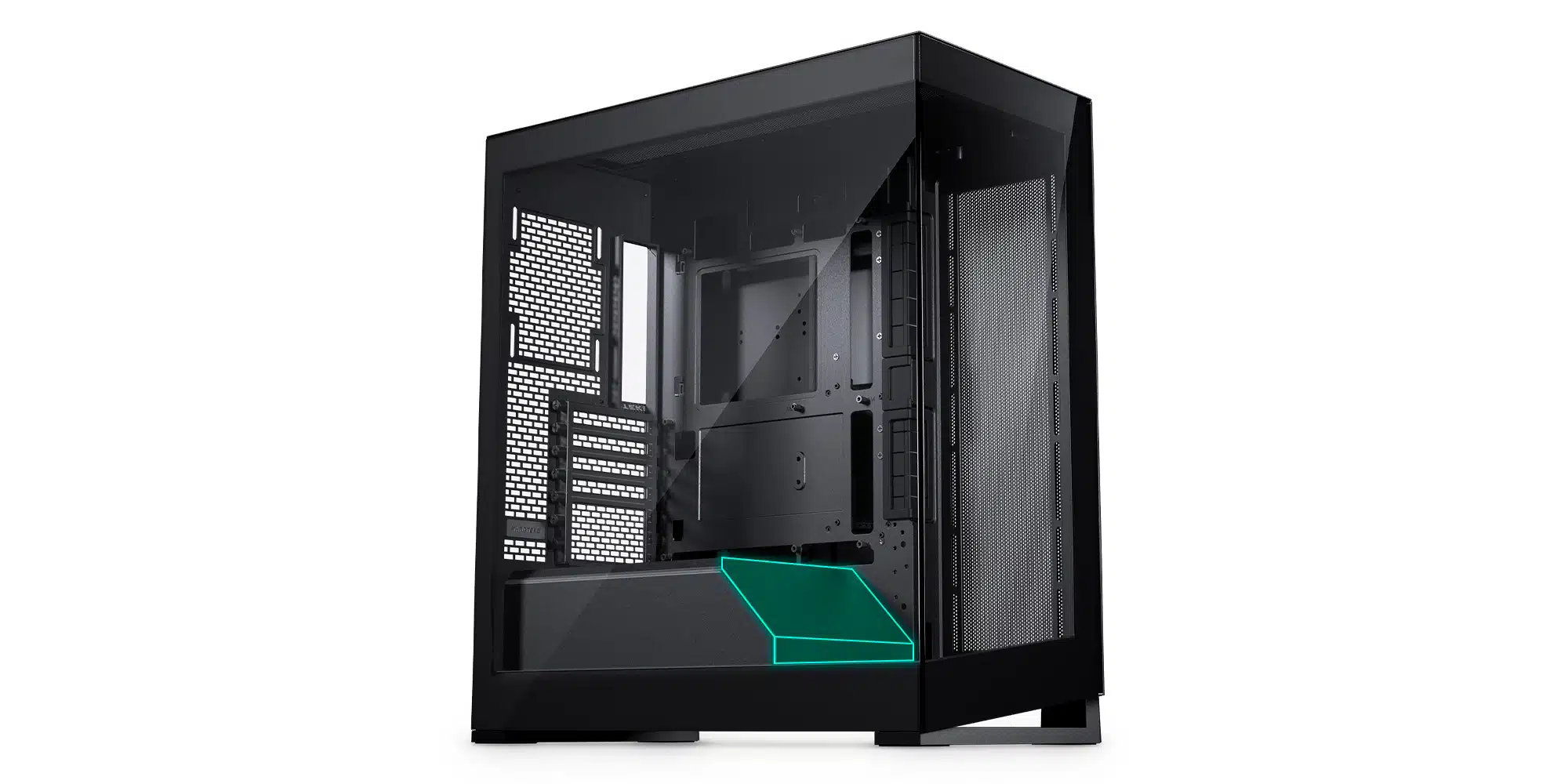
- Removable PSU Cover: for easy access and installation.
- Integrated Digital-RGB Lighting: Includes a software-free controller for easy customization.
- GPU Support Bracket: Included for added stability.
- Optional Upgrade: NV5 Premium DRGB Kit available with a motherboard cover and additional DRGB lighting strips that can be installed magnetically to the frame of the case.
Additional product shots:
Phanteks on its latest case:
Meet the NV5 mid-tower chassis, featuring a stunning near-seamless glass view and support for 8 x 120 mm fans and dedicated space for a 360 radiator in the top and side for optimal cooling. With a dedicated bottom fan for enhanced GPU cooling and spacious interior to accommodate modern GPUs and cables, the NV5 is designed to excel.
Its PSU cover opens for easy cable management, and its DRGB lighting system is customizable and easy to sync. With its sleek design and convenient features, the NV5 is the perfect choice for a high-performance PC build that looks as good as it performs.
Discussion (5 replies)
Join Discussion →So, I like Phanteks cases, I like the NV5 aesthetically, and I like the idea of putting most of the connectors on the back - just hoping that these 'standards' stabilize a bit and perhaps we see some acknowledgement from PSU manufacturers in terms of optimizing PSU line lengths as well as connectors. Would like to see a lot more 90° cables to get these connections flush to the back of the board and make routing easier.
Not bad looking. I would think the curved glass ones would present better? Perhaps cost is a big difference.
My issue with cases like this, and GN has covered it, is the lack of airflow across the motherboard. And if you don't have top fans the GPU creates a lot of stagnant heat right over the CPU.
That's what I was mulling over when looking at the pictures, or more specifically, that they put the PSU at the bottom which precludes putting a bunch of fans down there to bring in cold air.
Generally though I'd go for a vertical mount for the GPU if possible, as there's plenty of room on either side (motherboard behind and glass in front) for air to circulate.
I have the MSI Maestro 700PLZ case with the curved glass and it actually cools very well. I believe the curved glass actually helps "turn" the air coming from the side fans to direct it over the motherboard. These cases like the NV5 and the 011 Dynamic that started it all just have the air blowing into the side panel then it has to dissipate from there into the case with maybe the bottom fans helping moving the air over the motherboard.