
“Vmin Shift Instability” is the root cause behind the instability, crashing, and other serious issues that owners of affected 13th and 14th Gen “Raptor Lake” processors have been wrestling with for what is apparently many months now, according to new comments that Thomas Hannaford, an Intel spokesperson, has provided to an outlet. The comments from Hannaford came over a week after Intel shared an update on Raptor Lake instability, detailing four scenarios that could lead to Vmin shift, as well as mitigations that include an 0x12B microcode update. A list of CPUs that could be affected and are eligible for Intel’s warranty extension can be found below.
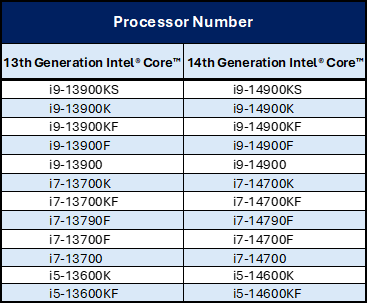
“Yes, we’re confirming this is the cause and that it is fixed,” Intel spokesperson Thomas Hannaford tells The Verge. So, what is Vmin Shift Instability? The short version is that Intel’s chips and their paired motherboards were asking for too much voltage. That voltage was damaging parts of these chips, prematurely aging them.
Discussion (2 replies)
Join Discussion →It might be.
But I'm still not going to take Intel's word for it. I want to see evidence that parts on the market are not failing at elevated rates, and that will take some time.
It might take 2-3 generation cycles before I trust buying any of their CPU's again.
Yeah I will admit I was high on them for a long time, but this latest fiasco has changed my mind.