
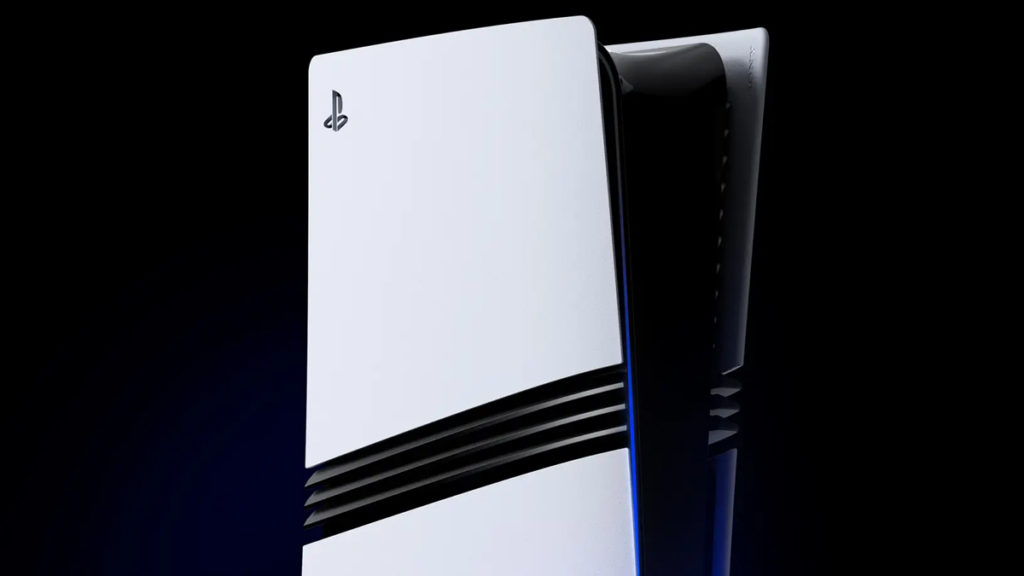
Sony announced yesterday that it plans to end physical disc production of new games by January 2028, fueling more rumors of its next console launch. From the earliest days of game consoles in the 80s, there have nearly always been some sort of physical media containing game files. These mostly began in the form of a cartridge, some early primative systems utilized readable paper or plastic cards, and then the dominant media for the last 30+ years has been optical discs, whether it be CD-ROM, DVD, Blu-Ray (from single to triple layer), and it now appears that an end is in sight for those as well. Sony has always been cited as a source of the success of the Blu-Ray format since it included a BD drive with the PS2, but as times are changing, it is now planning to formally abandon the format.
Per a new press release, Sony has announced that it will no longer offer physical disc releases for new games as of January 2028. At that point, games will be available through its PlayStation Store and other retailers in digital formats only. Sony has iterated that this change will not affect any present releases or those launching up to the deadline.
“This is a natural direction for Sony Interactive Entertainment to adapt to consumer trends as the general preference for digital media significantly outpaces physical discs. This transition will enable us to align more closely with how most of our community prefers to access and play games today. “
– Sony
This announcement has led some to speculate that Sony is not planning to launch its PlayStation 6 console until at least January 2028. It’s also possible that the PlayStation 6 will be the console manufacturer’s first hardware generation to be digital-only exclusive. Both Sony and Microsoft have been producing digital-only models and have seen notable sales despite models featuring physical media drives still being very popular among consumers, but trends continue to point to the digital-only models gaining ground. One side effect of Sony’s 2028 deadline is that it could end up being the final nail in the coffin for the optical media format, which has been on a major decline since the explosive growth of streaming services and online digital platforms over the last decade.
Discussion (6 replies)
Join Discussion →Well, ' physical' has been a maleable term for a while now. The switch likely will be the last console to be truly mostly physical (assuming you seek out to.buy the card, and I mean mostly becuase a card doesnt guarantee it either, just like "discs" in the xbox and playstation, but still Id say mostly yes)
Yeah, it's been on its way out for a while now thanks to boxes with nothing but download codes or discs with basic setup files w/ the same. Meanwhile saw these after doing this post:
[URL unfurl="true"]https://videocardz.com/newz/xbox-may-let-players-digitize-xbox-one-and-series-physical-libraries-with-licenses-tied-to-each-disc[/URL]
[URL unfurl="true"]https://videocardz.com/newz/next-xbox-and-ps6-are-now-expected-to-move-fully-digital[/URL]
Switch 2 has cards still obviously, but they are moving on to, I dont know how much a card they really are. It also has that virtual card sharing thing where you can share games that are digital or card, you just "make" a virtual card, so basically its all digital really you are lending the license I guess) , so i think its fair to say they are moving on and that feature is obviouly part of the plan.
Someone else sent a me similar article, and yeah that sounds pretty neat. I wish more companies let us do that. There's been just a scant few. Like I remember when Unreal Tournament 3 showed up on Steam years after it came out standalone for PC, and Epic let you put in your physical copy's serial key to get a free digital version on Steam. That's what I did with my copy. Awesome sh1t.
I also appreciate it when devs let you duplicate games across stores. Witcher 2 on Steam let you register the game on GOG to get a free backup copy there. I remember for a while GOG was doing this thing where it would scan your Steam library and then add GOG versions of some of those games to your GOG library.
I've had consoles since 2nd-gen and I think 8th-gen was my last one, so I don't have any of the current 9th-gen consoles and don't plan to get any. But if I were looking to buy such a console, I sure as f*ck would NOT get the ones that are missing optical drives. Would suck if there were no more physical copies of games. Already happened with PC, consoles are the last holdouts. There are some people who prefer to buy games on console just cuz physical copies are still around. They'll be screwed like us PC gamers come 10th-gen, it sounds like.
As for movies, how the f*ck are we supposed to get quality BD rips if BDs don't exist anymore? Even when people gank the digital files for the streaming versions and run them locally, those things don't have anywhere near the bitrate and quality of BD movies. I don't do streaming. The only streaming I do is from my local internal HDDs, my optical drives, or my NAS.
Meh - I’m over it. Yeah sucks to see it go, and yeah - you don’t own anything.
But last time I bought a physical game was about 10 years ago, and they shut the servers down 5 years ago anyway - so not like owning the physical disc did me a lot of good there anyway.
I'm honestly perfectly OK with another 1.5 years in this gen.
Just means my 9070XT gets more runway before slowly becoming obsolete.