
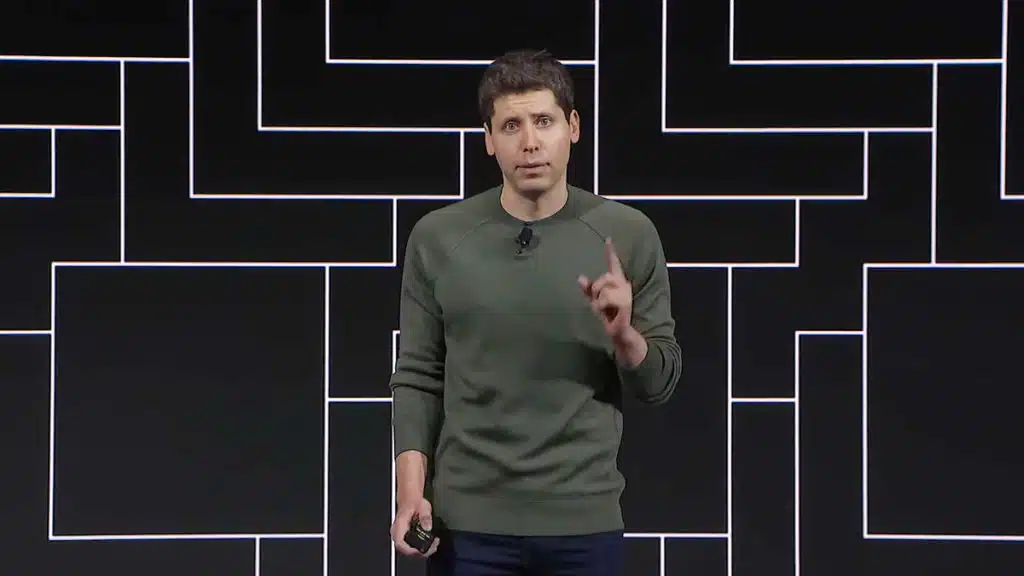
The ramifications of Altman’s claim over the weekend, that ordinary users use their PCs only about 5% of the time and thus waste limited resources, are still making waves. The OpenAI CEO spoke on Cheeky Pint, where he attempted, over a couple of beers, to logic out why a crisis created by the AI industry has somehow led to it becoming a victim of the average PC user. It’s a wonder during this exposition that the billionaire didn’t suggest that consumers should just eat cake, but that’s another story.
“From a global allocation perspective, actually, it’s quite terrible to have everybody have a bunch of the world’s limited supply of DRAM sitting in their own computer and being used 5% of the time,”
– Sam Altman, OpenAI CEO
“You want maximum utilization in the cloud if you’re trying to deal with this very supply-constrained environment. And somehow many people’s intuition is the opposite of that,” added Altman, who obviously has nothing to gain if users spend money on OpenAI rather than their own local machine. This other part of Altman’s claims seems to allude to the idea that local AI usage is also something to be discouraged. It’s at this point that Musk has joined the conversation, mocking Altman with a direct jab regarding DRAM’s role in cloud computing.
The people deserve to have their RAM too! https://t.co/q6dwauALw4
— Elon Musk (@elonmusk) November 1, 2026
Sadly, though, this does begin to feel like the original theme from the Alien vs. Predator comics and movies: “No matter who wins, we lose”. Consumers are unlikely to see a bright light at the end of the tunnel when it comes to prices for memory or storage components lowering any time soon. In fact, if a bright light is seen, it’ll likely be that of an AI train running over them, whether it be from layoffs or other local challenges incurred from data center construction or stock market crashes due to unhappy investors. Altman is already getting roasted from every part of the internet thanks to these comments but it remains to be seen if that feedback will result in any meaningful positives for consumers.
Discussion
Join Discussion →No replies yet. Be the first to reply on the forum.