
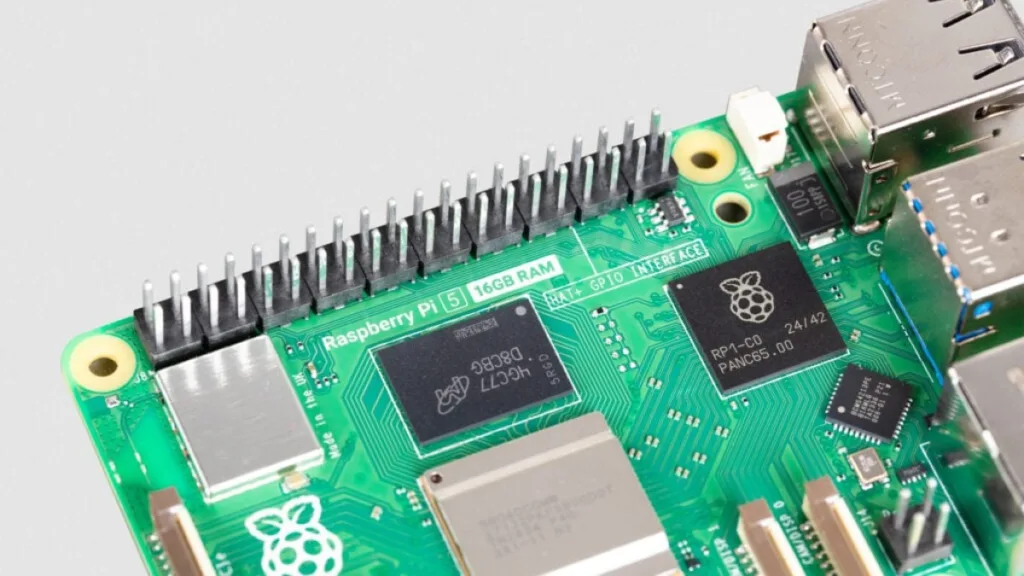
The Raspberry Pi 16GB is now $385 thanks to the ongoing memory and storage component shortage, and prices are likely to rise further before the crisis ends. We’re barely two years in since the Raspberry Pi 16GB launched for $120 (per TechPowerUp) in 2025, and while 16GB may seem extravagant for the open-source platform used by tinkerers and engineers alike for, well, just about anything one can imagine, it is still a telltale symptom of the goings-on within the tech industry. Eben Upton, founder and CEO of Raspberry Pi, said that “from the beginning, the current memory landscape is difficult but ultimately temporary, and we look forward to rolling back our price increases when memory costs fall once again.”
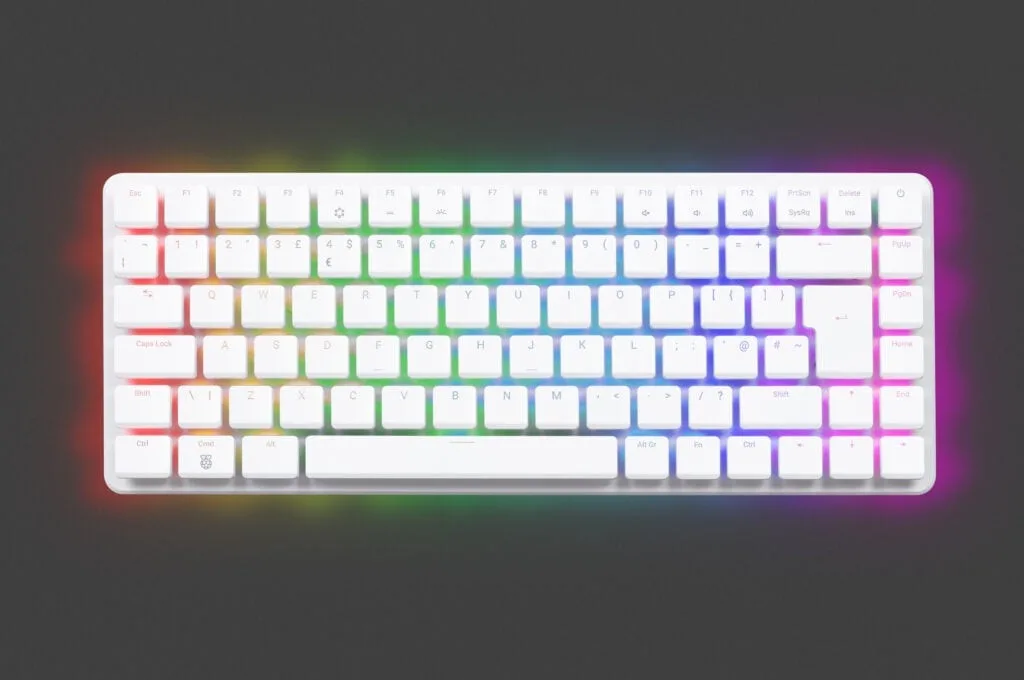
In the meantime, Upton is advising potential customers to carefully examine their memory needs before making any purchases and to also be on the lookout for bad actors who are taking advantage of the current situation by artificially inflating prices further. He is also imploring developers to focus on optimizations as much as possible to reduce memory usage and has provided a link to how to make the most of your memory. On a plus, sort of, the Raspberry Pi 500+, which is an all-in-one system built into a keyboard and also features 16GB of system memory, is currently safe from another price hike and still available for $410.
It’s a shame that a product which has been a staple for students, enthusiasts, engineers, and those simply wanting to dabble with creating their own basic computer is experiencing the crisis created by manufacturers chasing the AI dragon gold hoard, but it’s also proof that no sector is safe where memory or storage is concerned. There are a number of industry experts and insiders who believe that prices will return to “normal” going into 2028 but could be a matter of perspective given that prices will have doubled, tripled, or more by then and normal by then would have to relate current market conditions, then.
Discussion
Join Discussion →No replies yet. Be the first to reply on the forum.