
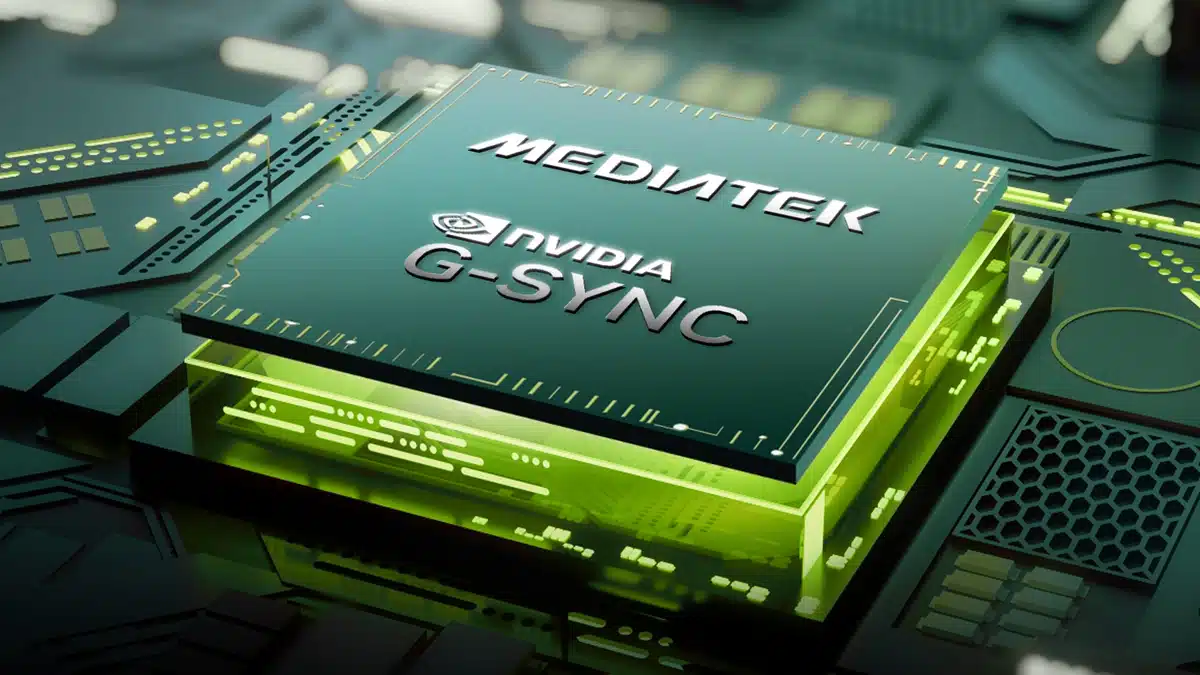
G-SYNC, a proprietary adaptive sync technology that NVIDIA introduced to gamers in 2013 to deliver smooth and stutter-free gaming, will be integrated into MediaTek scalers going forward, eliminating not only the need for a separate G-SYNC module, but also streamlining the production process and reducing costs, NVIDIA has announced. A highlight of this collaboration is G-SYNC Pulsar, a new technology that NVIDIA introduced in January 2024 for what it says is 4x the effective motion clarity alongside a smooth and tear-free variable refresh rate (VRR) gaming experience.
The suite of tech that the partnership brings includes:
- Variable Refresh Rate
- Variable Overdrive
- 12-bit Color Accuracy
- Ultra Low Motion Blur
- Low Latency HDR
- Reflex Analyzer
- Pulsar
- And more
The original word from the @harukaze5719 account:
NVIDIA×MediaTek pic.twitter.com/nAdswXK3pG
— 포시포시 (@harukaze5719) August 20, 2024
A look at G-SYNC Pulsar in action:
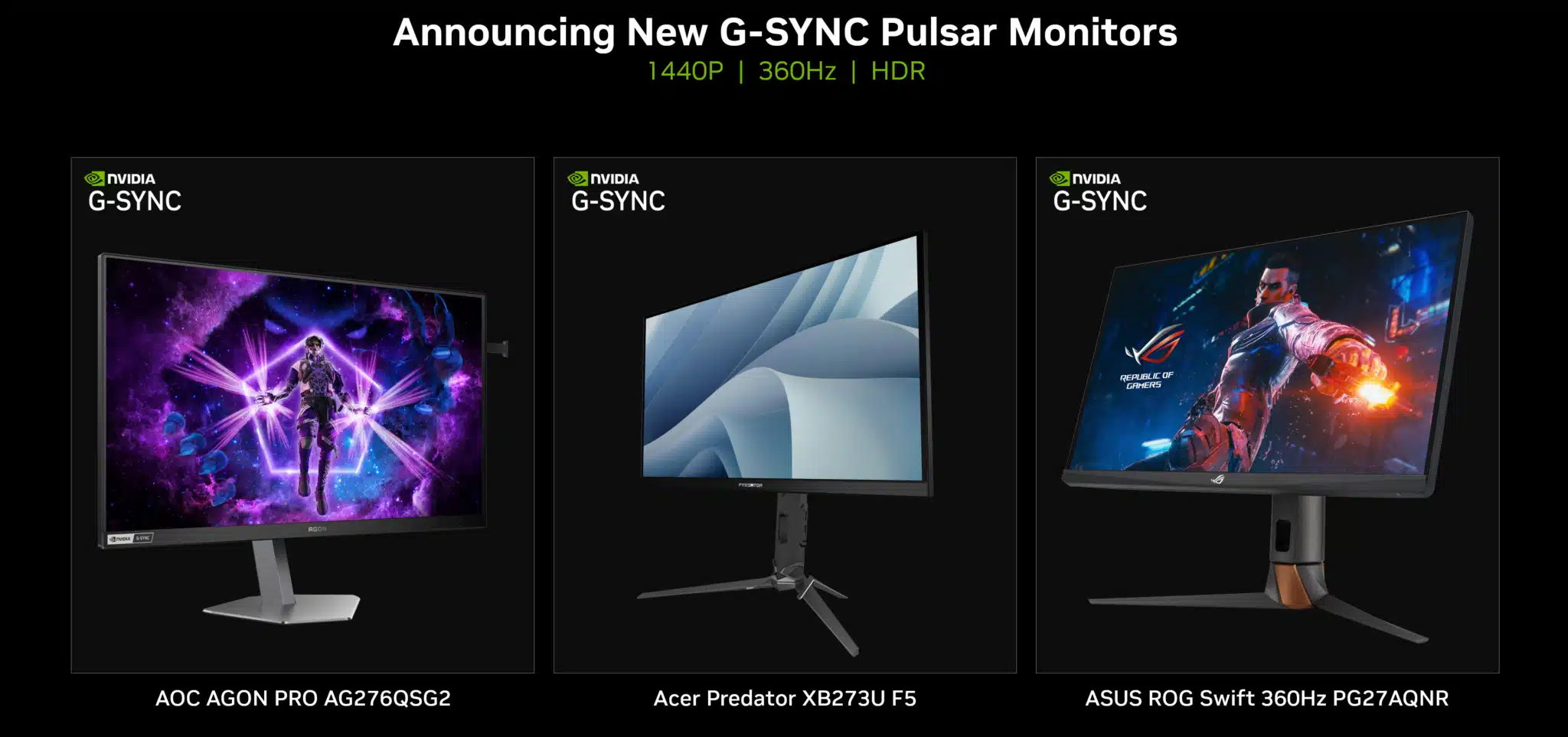
The first G-SYNC Pulsar monitors, coming later this year:
NVIDIA on its latest partnership and technology:
G-SYNC Pulsar stands as a testament to NVIDIA’s unwavering commitment to innovation and redefining the boundaries of gaming technology, offering gamers a visual experience that is smoother, clearer, and more immersive than ever before. And our new collaboration with MediaTek allows for the creation of feature-rich G-SYNC monitors at a more affordable price, expanding the availability of these premium products to a broader audience.
Discussion (4 replies)
Join Discussion →Well, that should finally bring G-sync monitors more in line with free-sync monitors price wise, right?... right?
Wasn't a big cost driver to begin with, IMO. G-Sync modules typically only shipped on higher-end LCDs that already cost quite a bit.
On the other side... I'm not sure that 'hardware' G-Sync does anything for OLEDs. High-end Freesync implementations tend to match G-Sync outside of the stuff that G-Sync did for LCD overdrive and so on.
Snake Oil?
For OLEDs? Probably. Not as much for LCDs where FreeSync implementations can differ dramatically.