
Introduction
The NVIDIA GeForce RTX 5080 is NVIDIA’s next-generation graphics card featuring the new Blackwell architecture with an MSRP of $999. The GeForce RTX 5080 is the second GPU in NVIDIA’s new RTX 50 Series lineup, a tier-down from the flagship enthusiast GeForce RTX 5090, aimed at providing improved gaming performance with new technologies like DLSS 4, Neural Shaders, and Mega Geometry and Multi-Framegen.
Today we are going to review the NVIDIA GeForce RTX 5080 Founders Edition with a focus on the gameplay experience, with some 4K raster performance, 1440p Ray Tracing performance, as well as DLSS Upscaling performance. The GeForce RTX 5080 will be available on shelves on January 30th, alongside the new GeForce RTX 5090.
While the GeForce RTX 5090 is the flagship and sits at the top at $1,999 the GeForce RTX 5080 actually slots in at half that price, at $999, and quite a cut-down specification as well. In fact, the chasm that exists between the GeForce RTX 5080 and GeForce RTX 5090 in specifications is the largest that has existed yet, pretty much cut in half from the RTX 5090 in almost every way. If you want to see how the GeForce RTX 5090 Overclocks, make sure to check out our review as well.

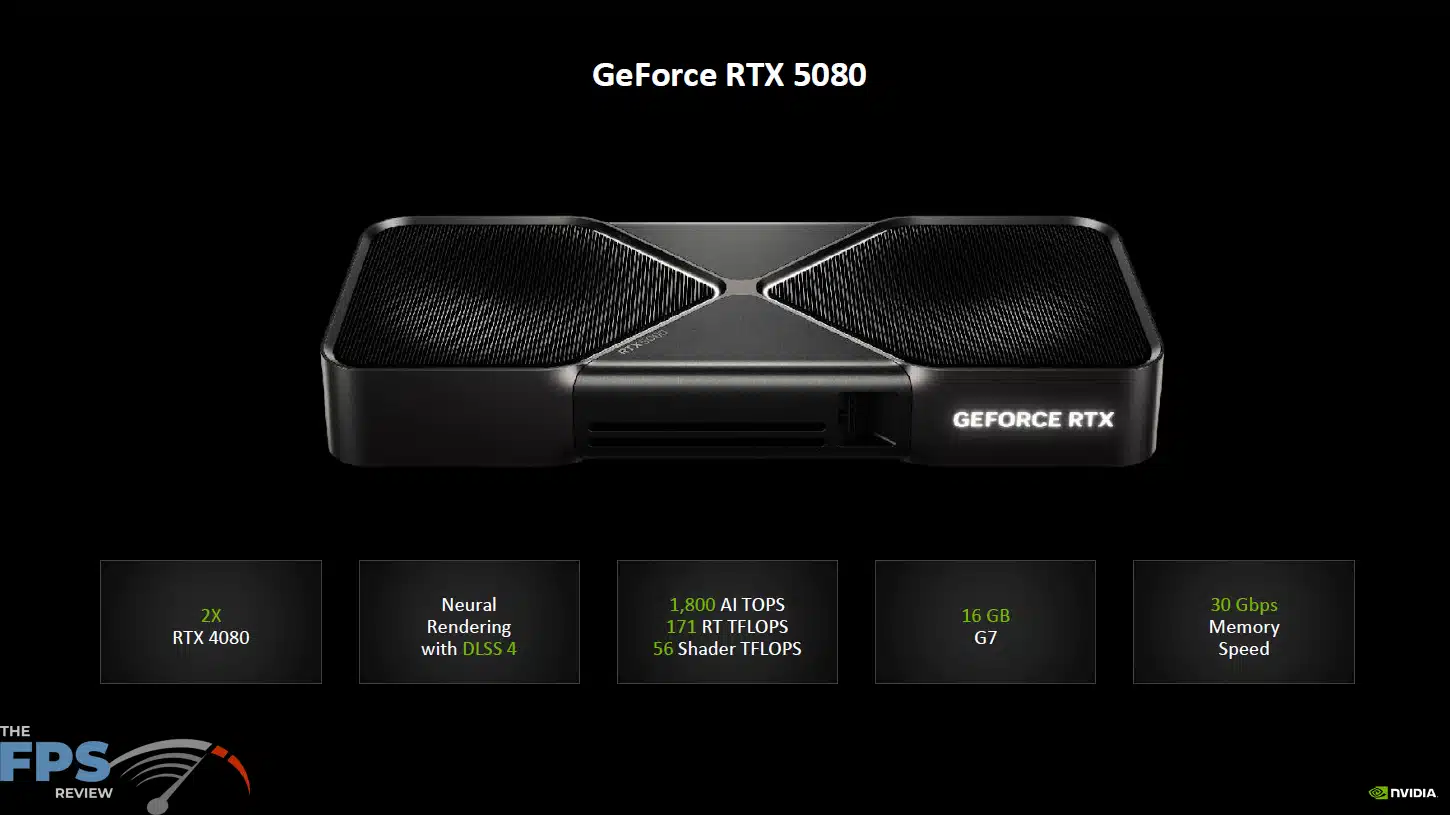
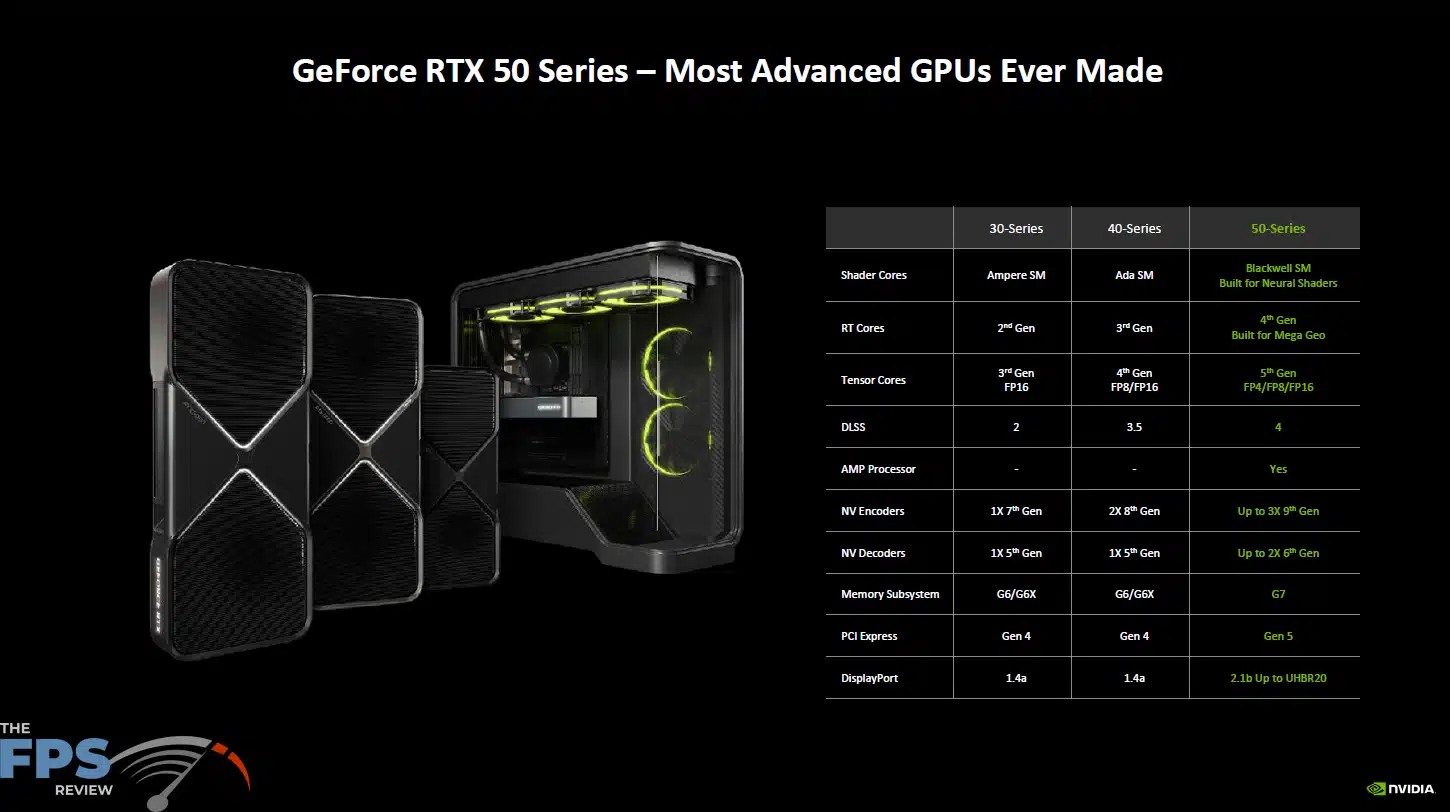

The NVIDIA GeForce RTX 5080 utilizes the GB203 GPU based on the NVIDIA Blackwell architecture and is the successor to the GeForce RTX 4080/SUPER based on the NVIDIA Ada Lovelace architecture. The GB203 NVIDIA GeForce RTX 5090 is based on the TSMC 4nm 4N NVIDIA custom process, which is the same as the previous generation Ada Lovelace. The NVIDIA GeForce RTX 5080 supports a PCI-Express 5.0 (Gen5) interface.
The NVIDIA GeForce RTX 5080 consists of 7 GPCs, 42 TPCs, and 84 SMs with 128 CUDA Cores per SM. When you add all this up, the NVIDIA GeForce RTX 5080 has 10,752 CUDA Cores, 336 5th Gen Tensor Cores, 84 4th Gen RT Cores, 112 ROPs and 336 Texture Units. The L1 Data Cache/Shared memory size is 10752KB, and the L2 cache size is 65536KB. The GPU Boost Clock is set at 2617MHz. Memory consists of 16GB of GDDR7 on a 256-bit memory bus at 30Gbps giving it 960GB/s of memory bandwidth. The TGP (Total Graphics Power) is 360W.
| GeForce RTX 4080 Super | GeForce RTX 5080 | GeForce RTX 5090 | |
|---|---|---|---|
| GPU Codename | AD103 | GB203 | GB202 |
| Architecture | Ada Lovelace | Blackwell | Blackwell |
| Process | TSMC 4N NVIDIA | TSMC 4N NVIDIA | TSMC 4N NVIDIA |
| SMs | 80 | 84 | 170 |
| CUDA Cores | 10240 | 10752 | 21760 |
| RT Cores | 80 (3rd Gen) | 84 (4th Gen) | 170 (4th Gen) |
| Tensor Cores | 320 (4th Gen) | 336 (5th Gen) | 680 (5th Gen) |
| ROPs | 112 | 112 | 176 |
| Texture Units | 320 | 336 | 680 |
| GPU Boost | 2550MHz | 2617MHz | 2407MHz |
| VRAM | 16GB GDDR6X | 16GB GDDR7 | 32GB GDDR7 |
| Memory Interface | 256-bit | 256-bit | 512-bit |
| Memory Clock | 23Gbps | 30Gbps | 28Gbps |
| Memory Bandwidth | 736 GB/s | 960 GB/sec | 1792 GB/sec |
| TGP | 320W | 360W | 575W |
NVIDIA GeForce RTX 5080 Founders Edition
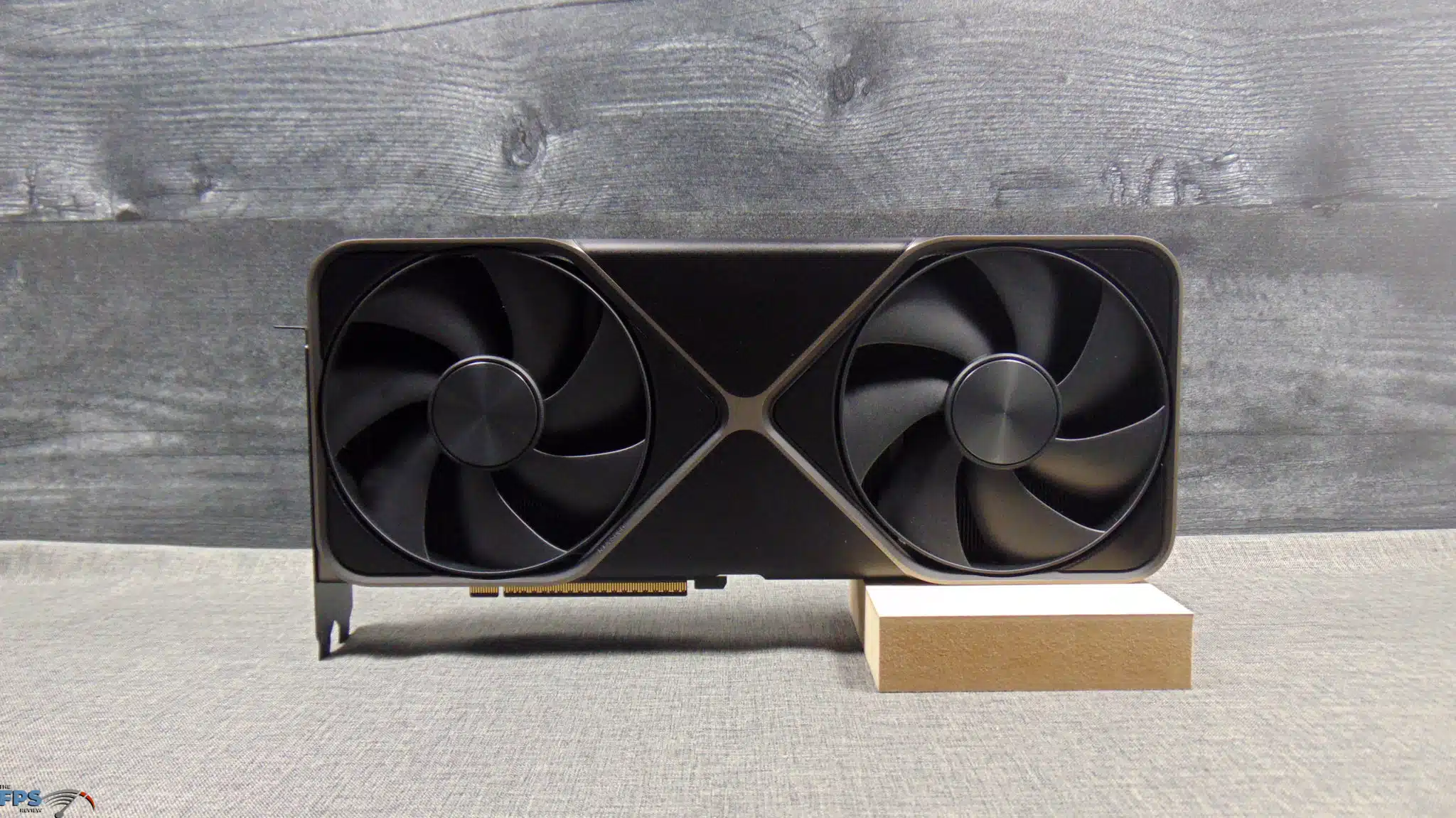
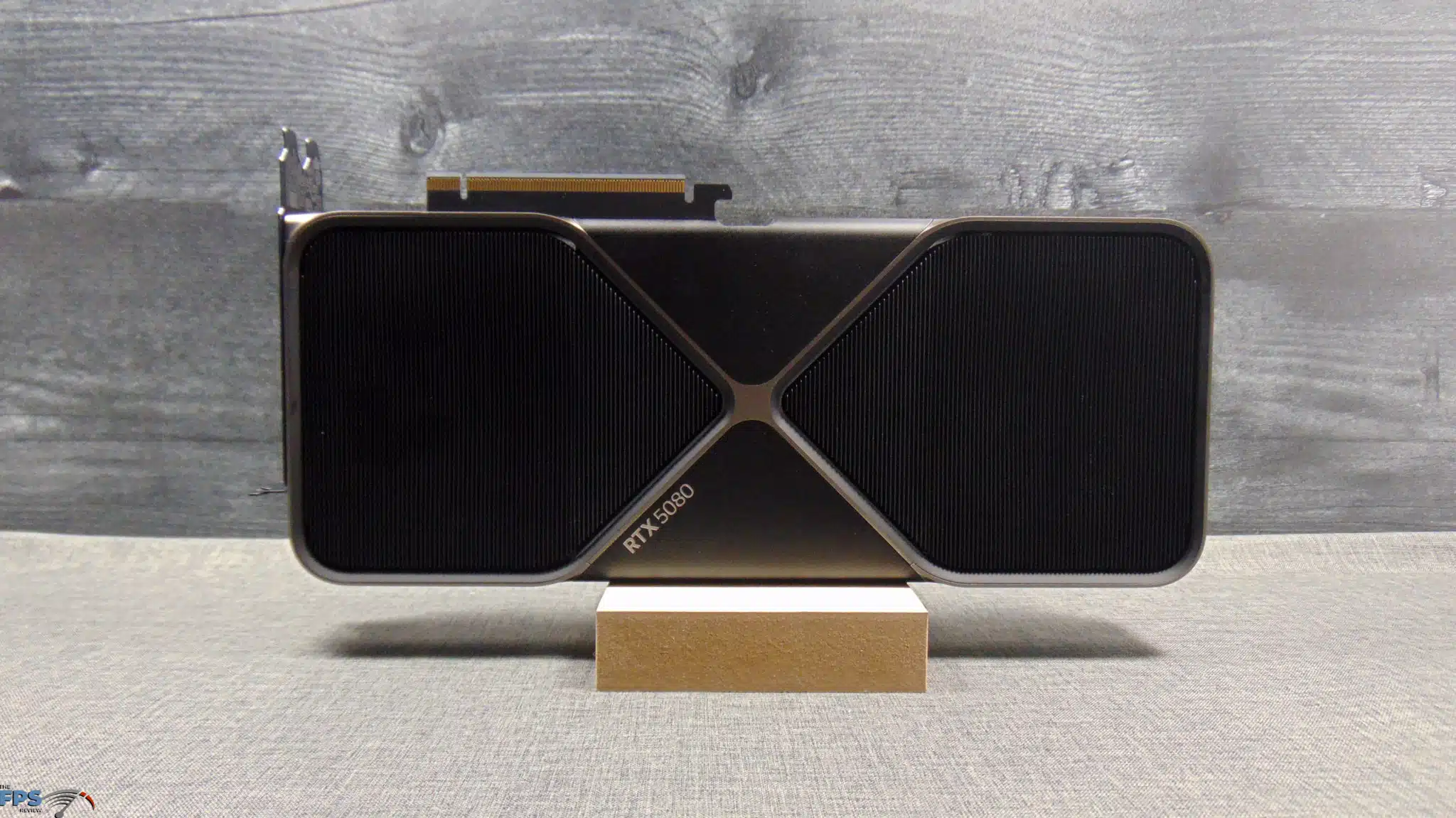
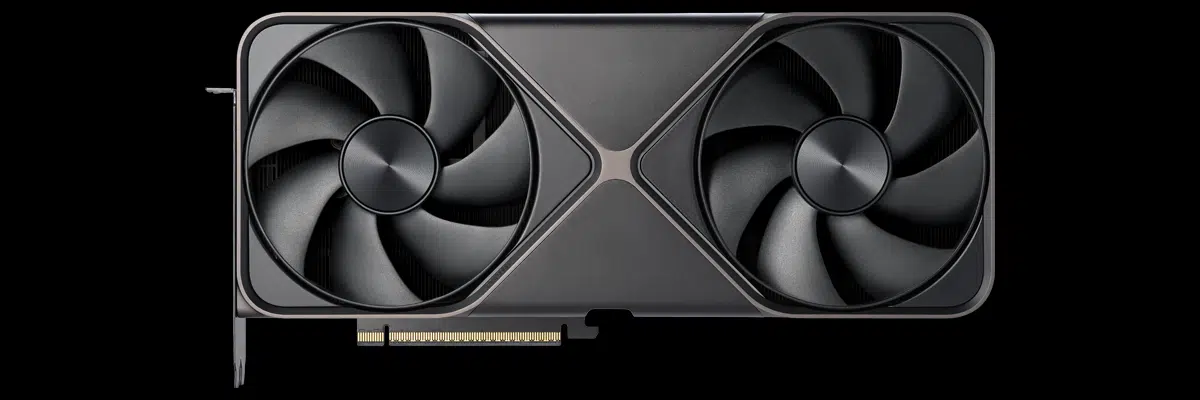
The NVIDIA GeForce RTX 5080 Founders Edition design matches the GeForce RTX 5090 Founders Edition design using NVIDIA’s new dual-blow-through design. The GeForce RTX 5080 Founders Edition is a true 2-slot design and measures exactly 304mm (12 inches), in length, 137mm (5.4 inches) in width, and 48mm (1.9 inches) in height, or slot depth. This means it measures exactly the same dimensions as the GeForce RTX 5090 Founders Edition, which means both of them measure the same dimensions as the GeForce RTX 4090 FE and RTX 4080/SUPER except in slot-depth, which these are slimmer. The GeForce RTX 5080 Founders Edition also feels lighter than the GeForce RTX 5090 Founders Edition.
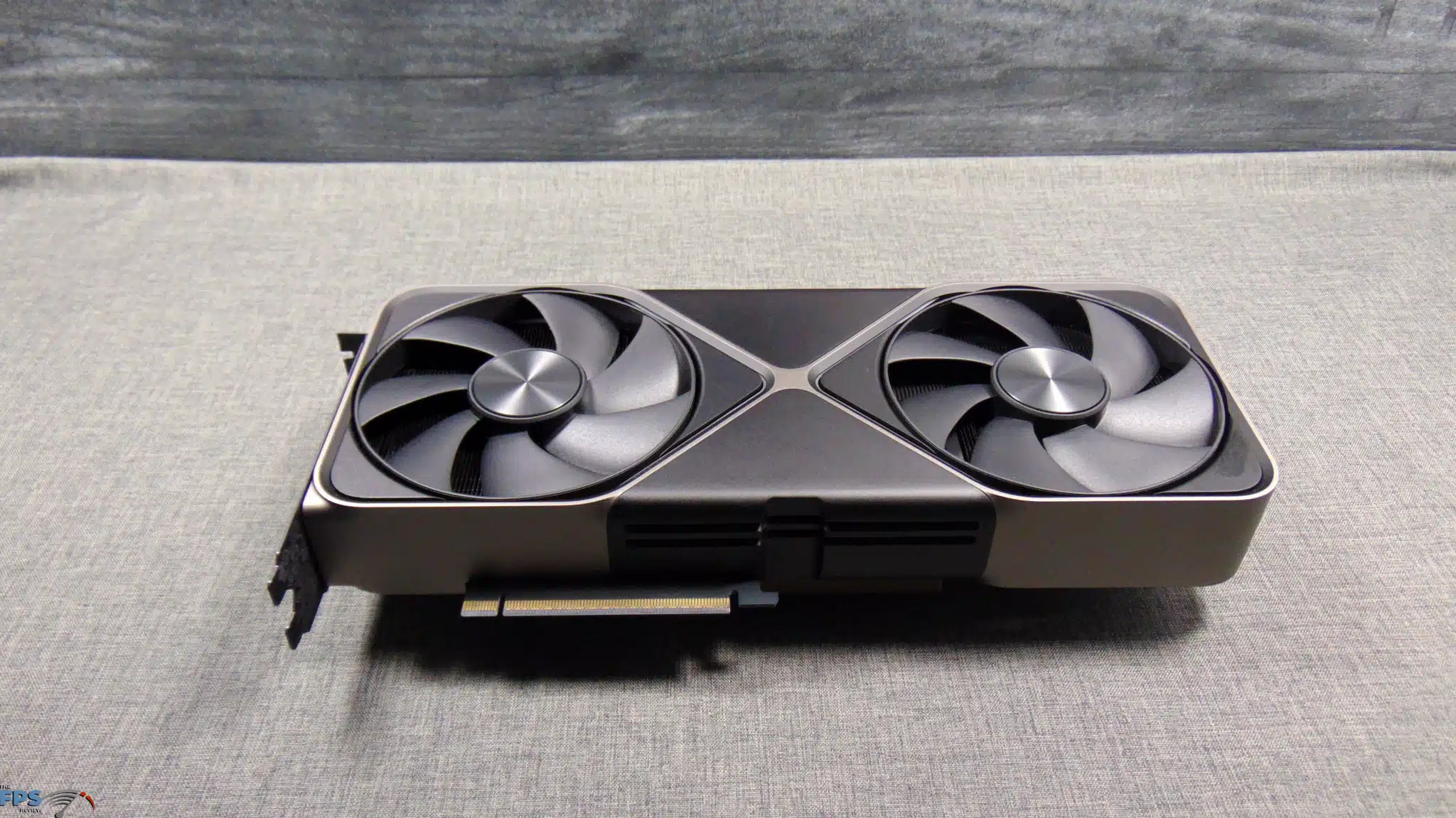
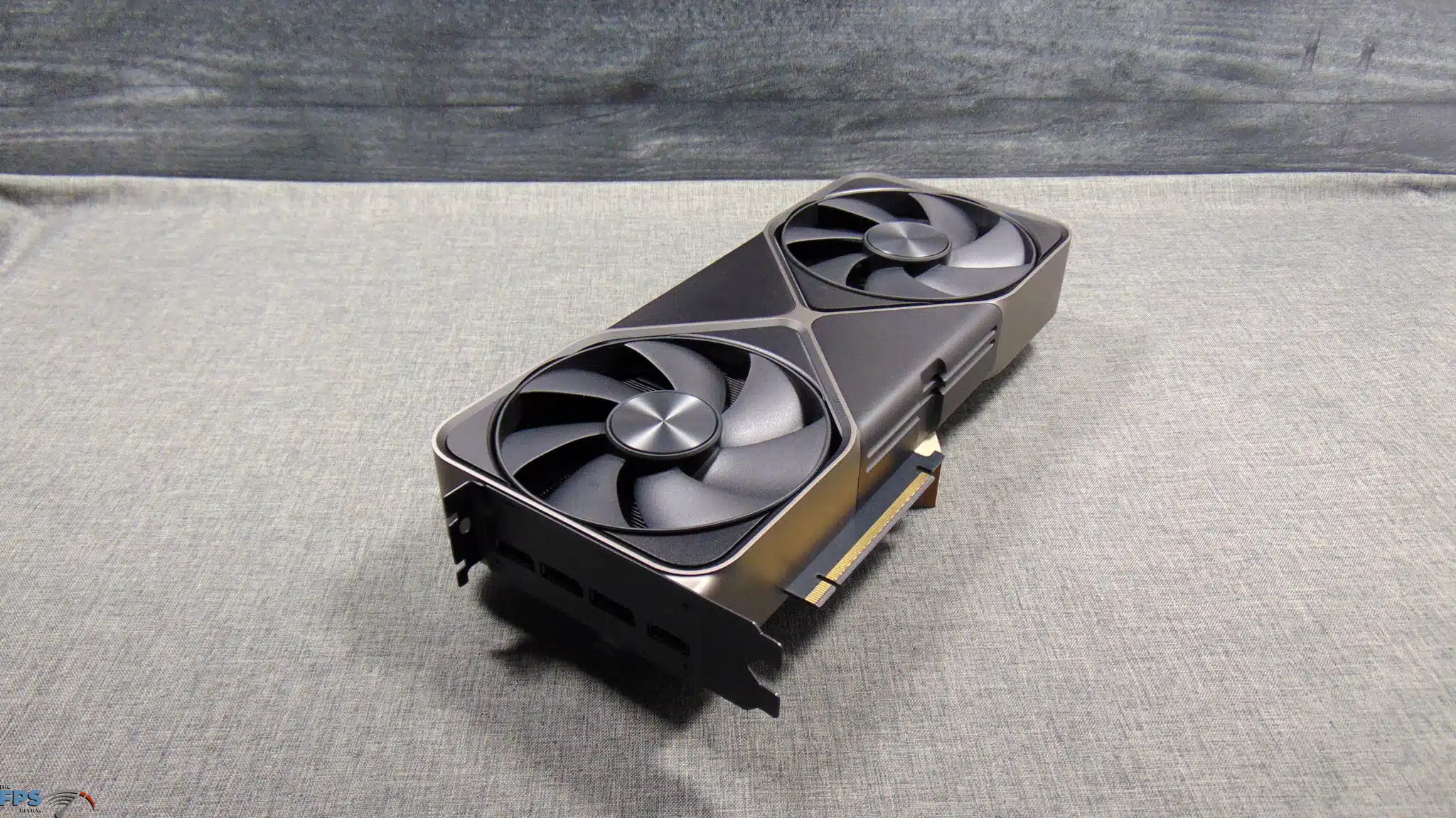
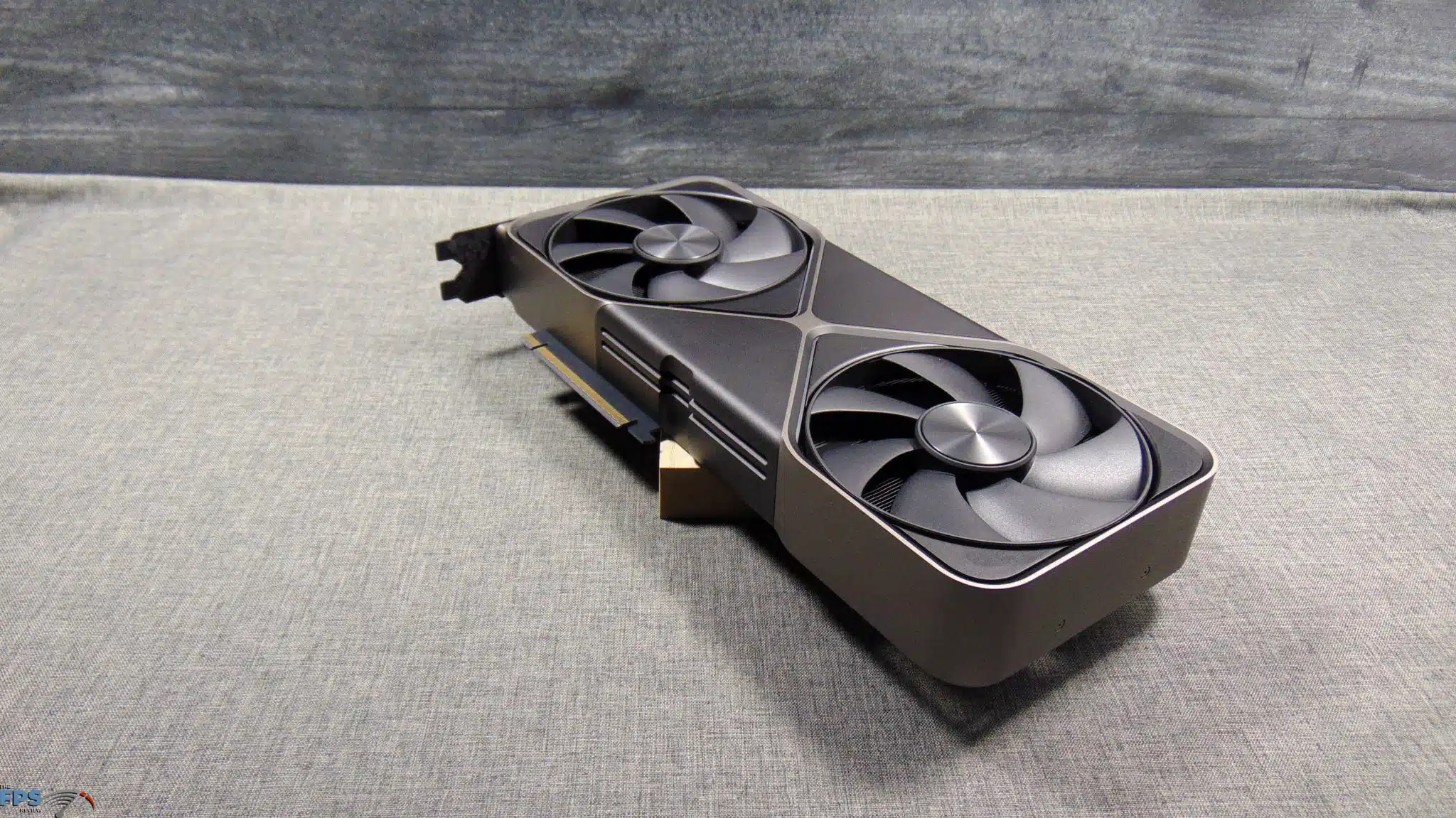
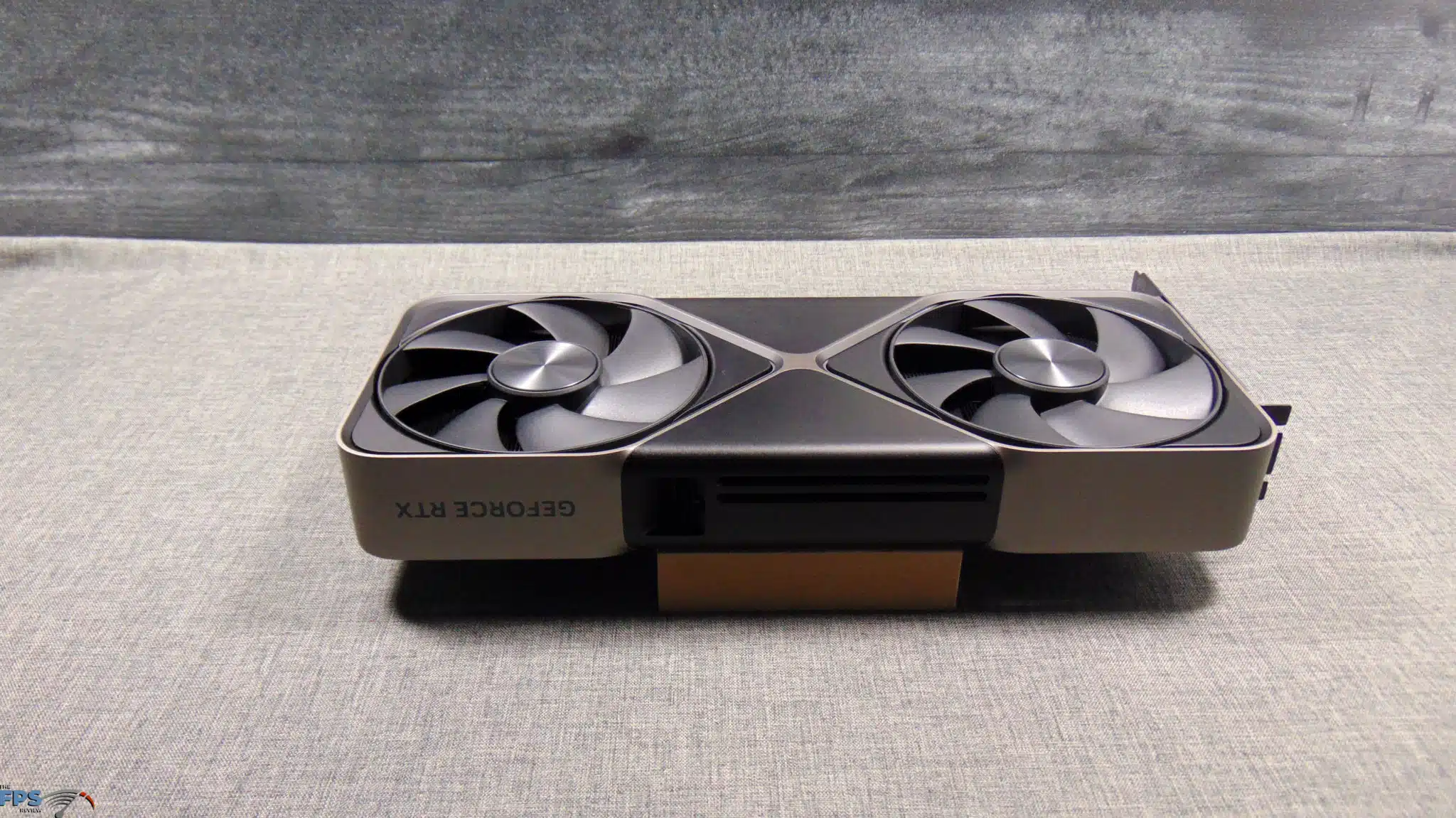

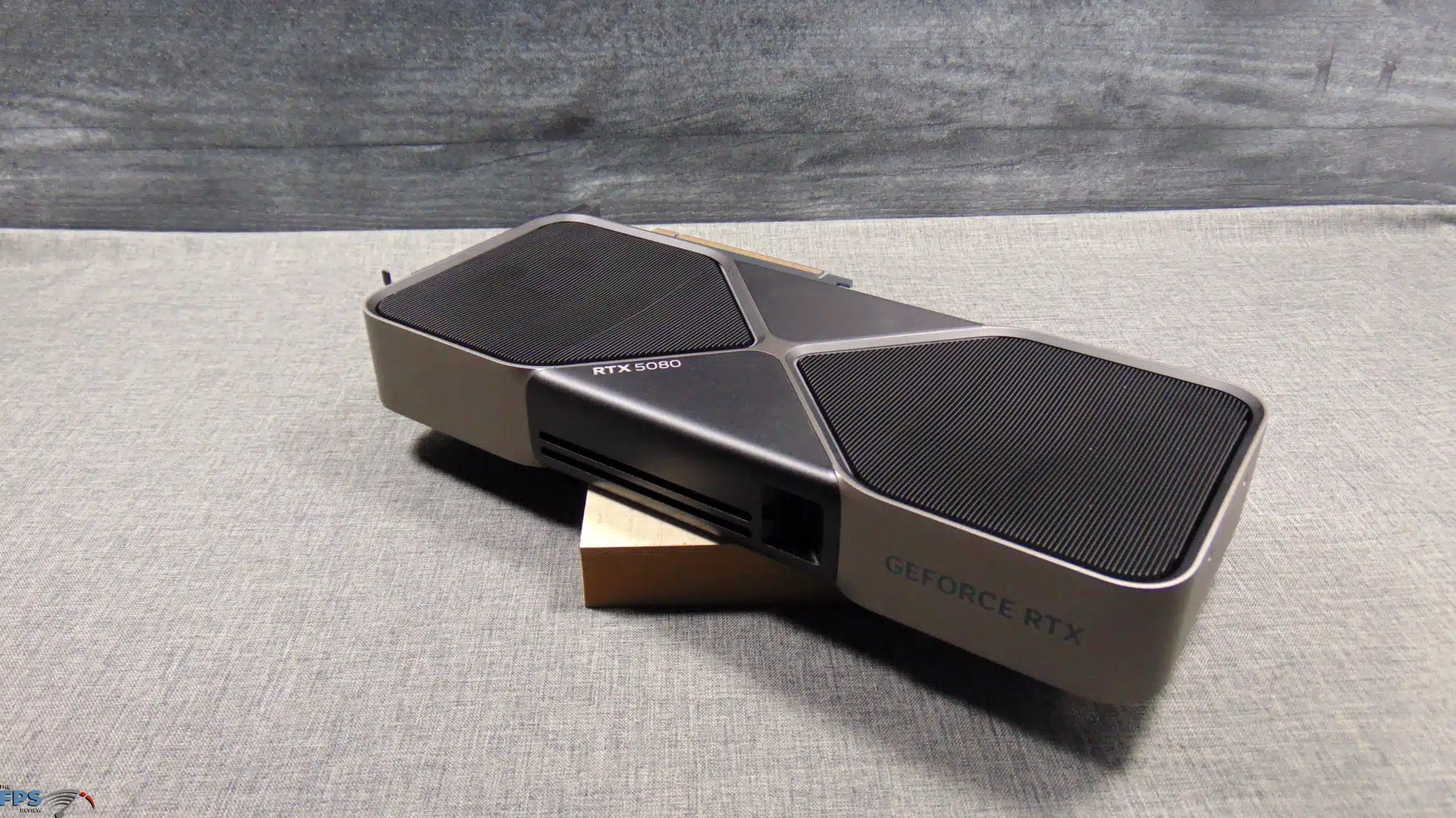
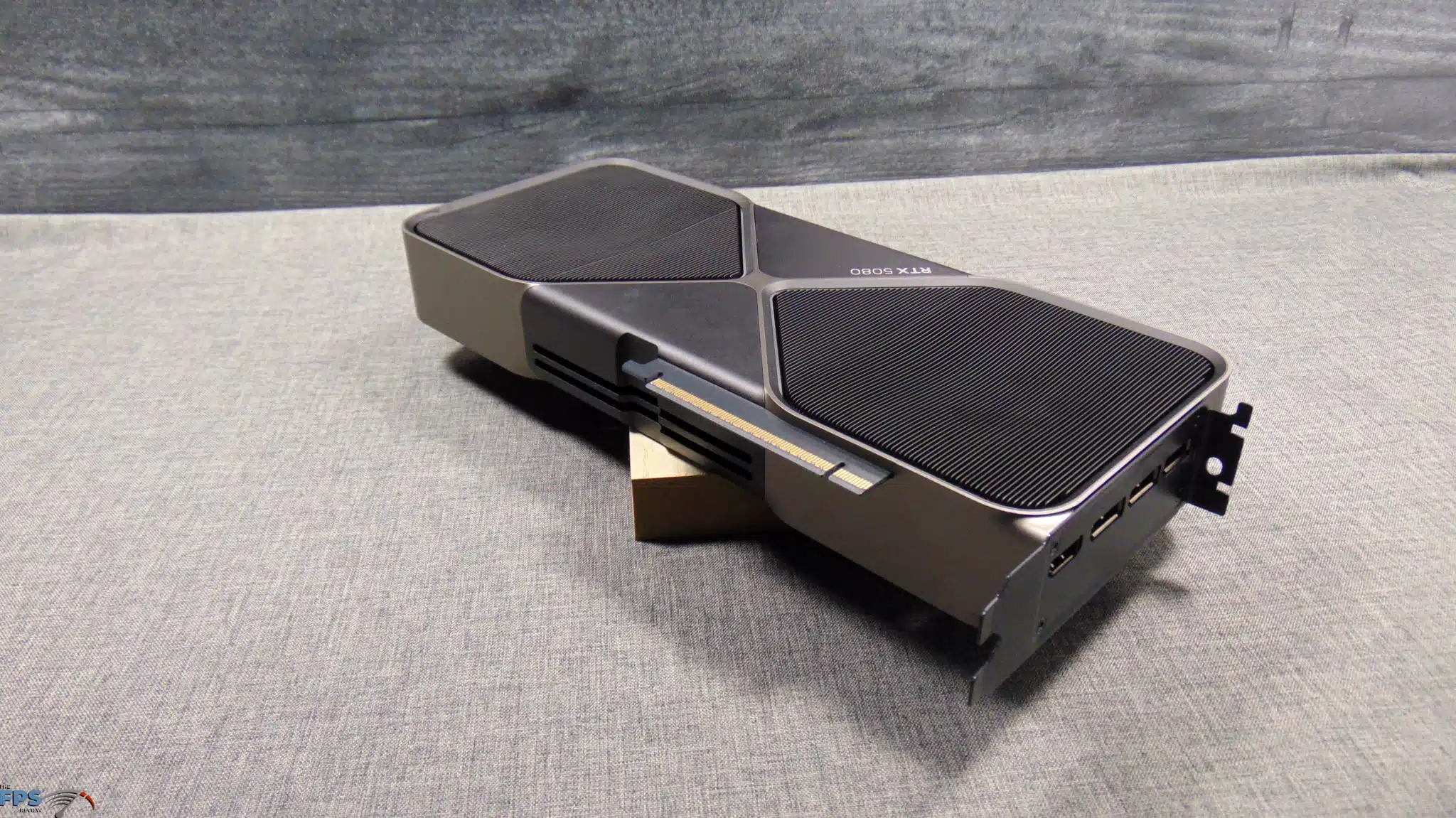
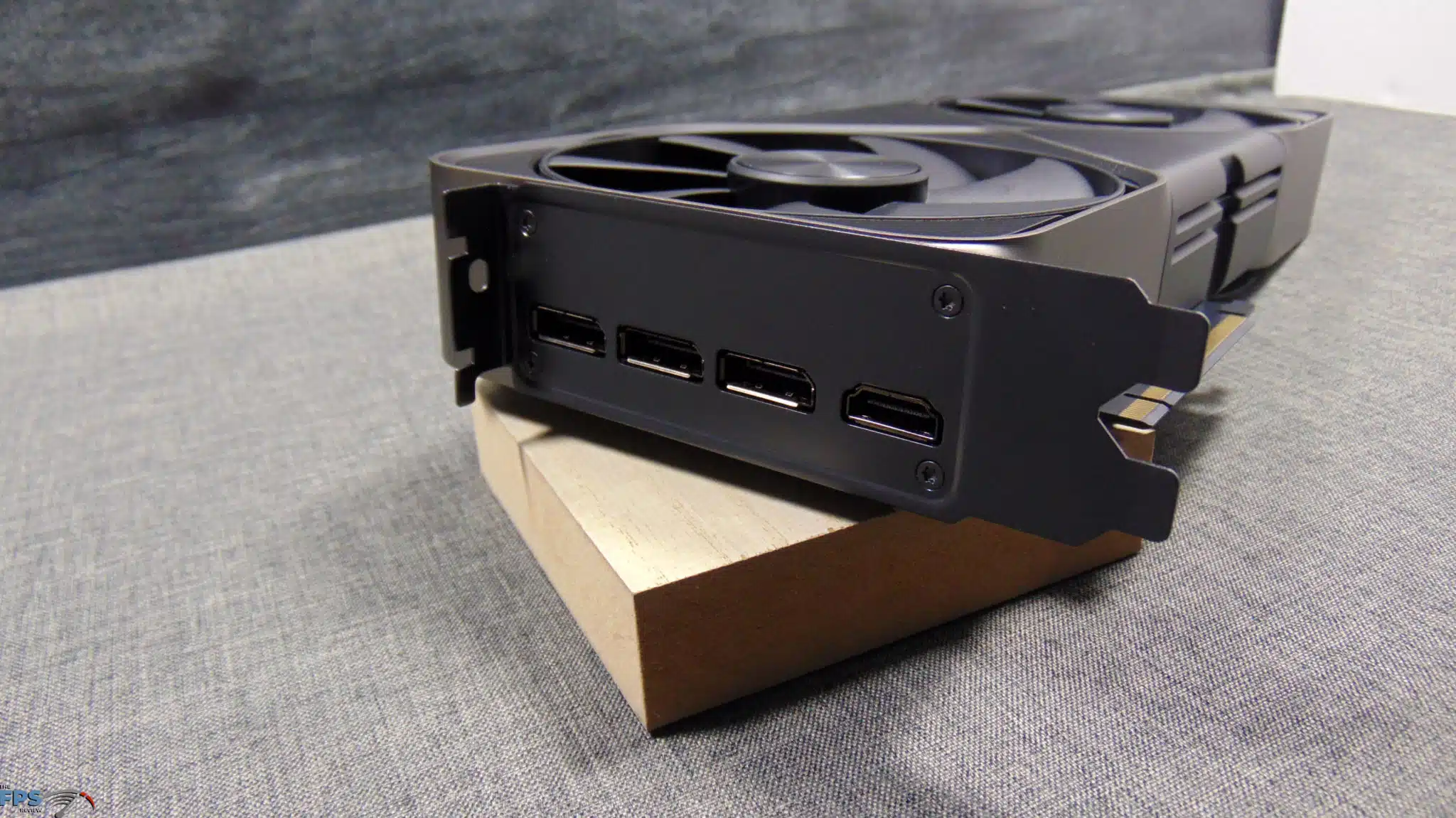
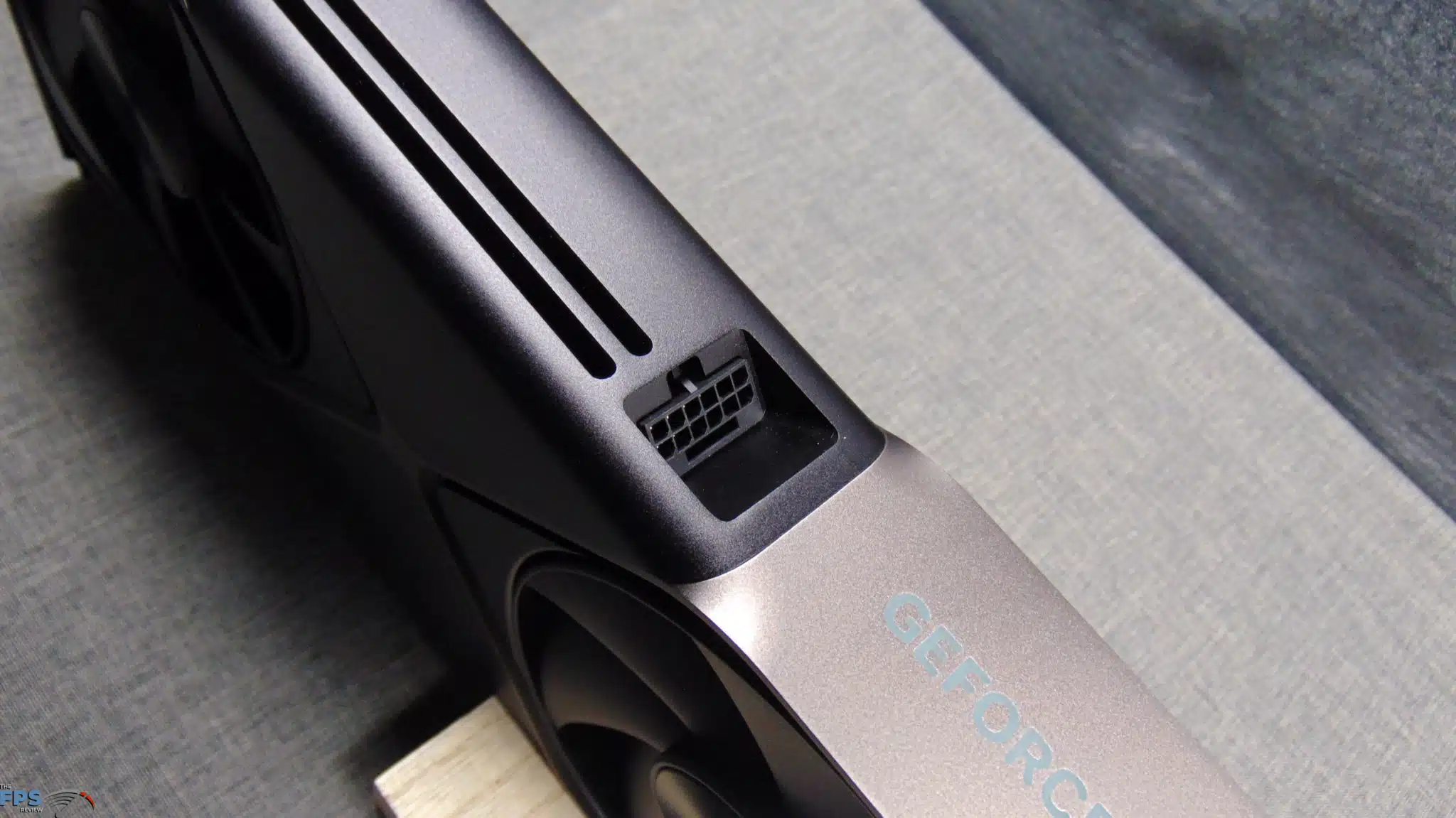
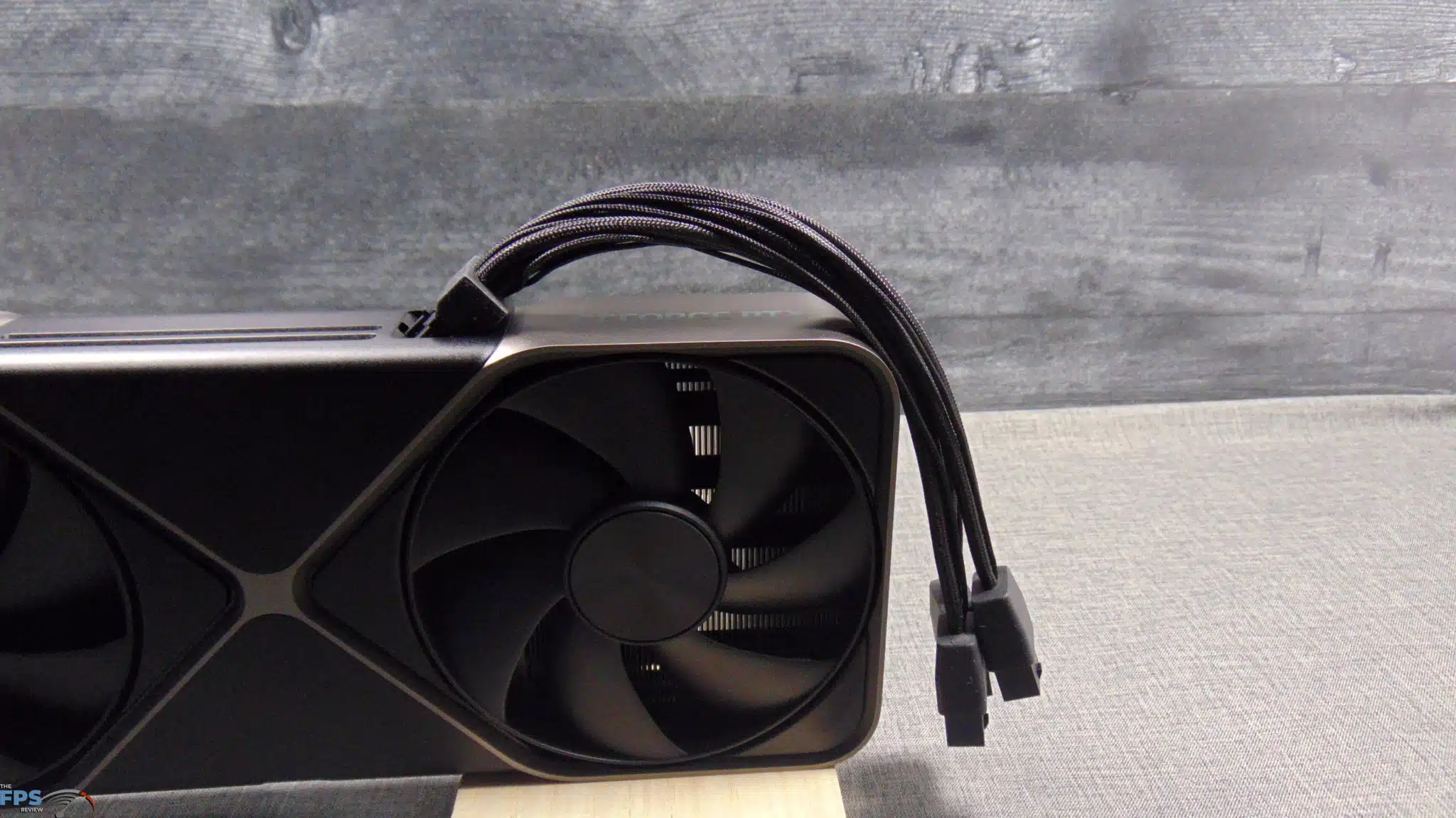
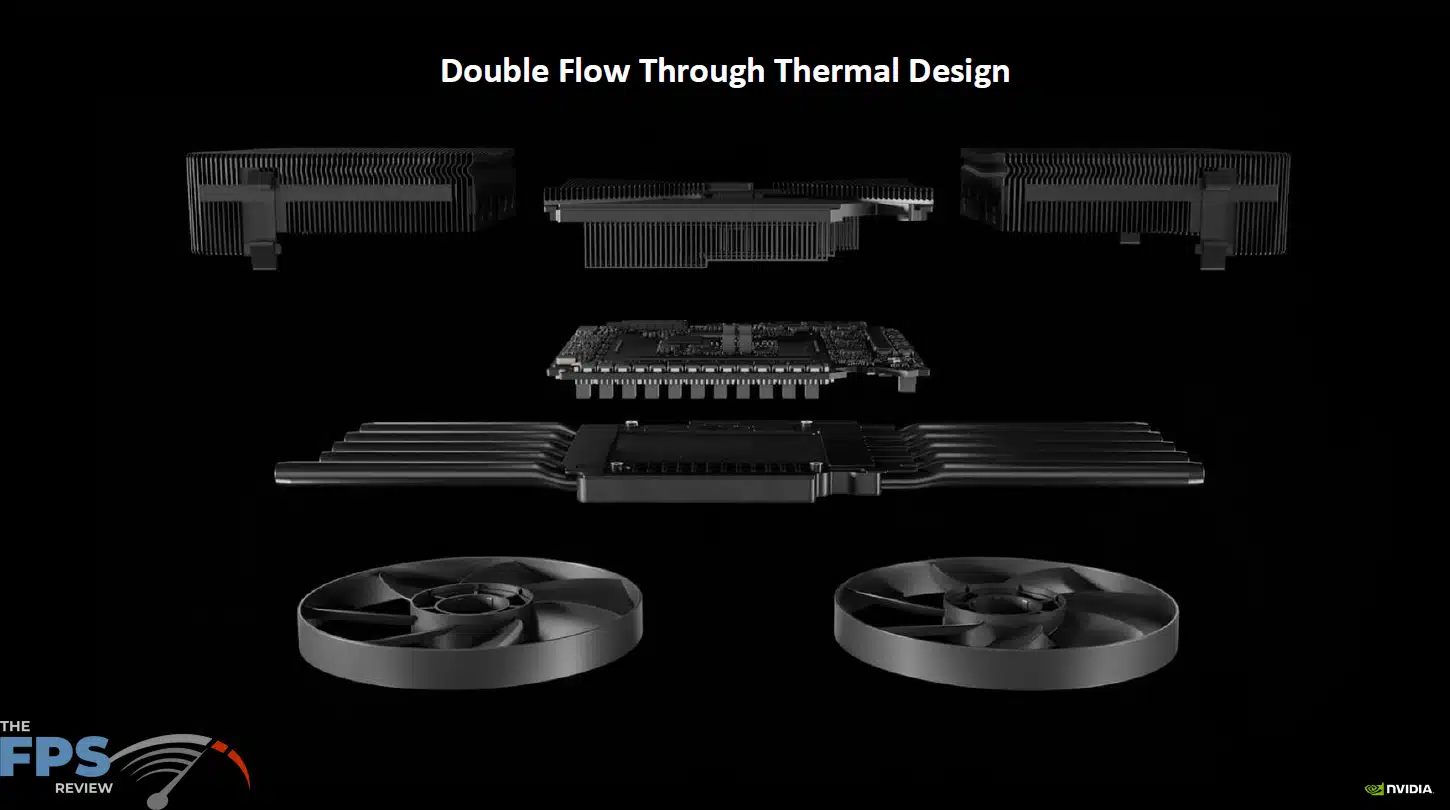
Everything that is true about the GeForce RTX 5090 Founders Edition design is true about the GeForce RTX 5080 Founders Edition design. With the dual-flow-through design, both fans blow through the heatsink and fins, which extend out from the center where the small PCB and GPU sit. The GeForce RTX 5080 Founders Edition also uses the 12VHPWR 2×6 (16-pin) connector and comes with a flexible adapter for 3x 8-pin connectors. NVIDIA recommends an 850W PSU, and the video card’s TDP is 360W. This means you can use power supplies with a 450W 16-pin power cable, you don’t need the higher 600W rated one, though it certainly won’t hurt.
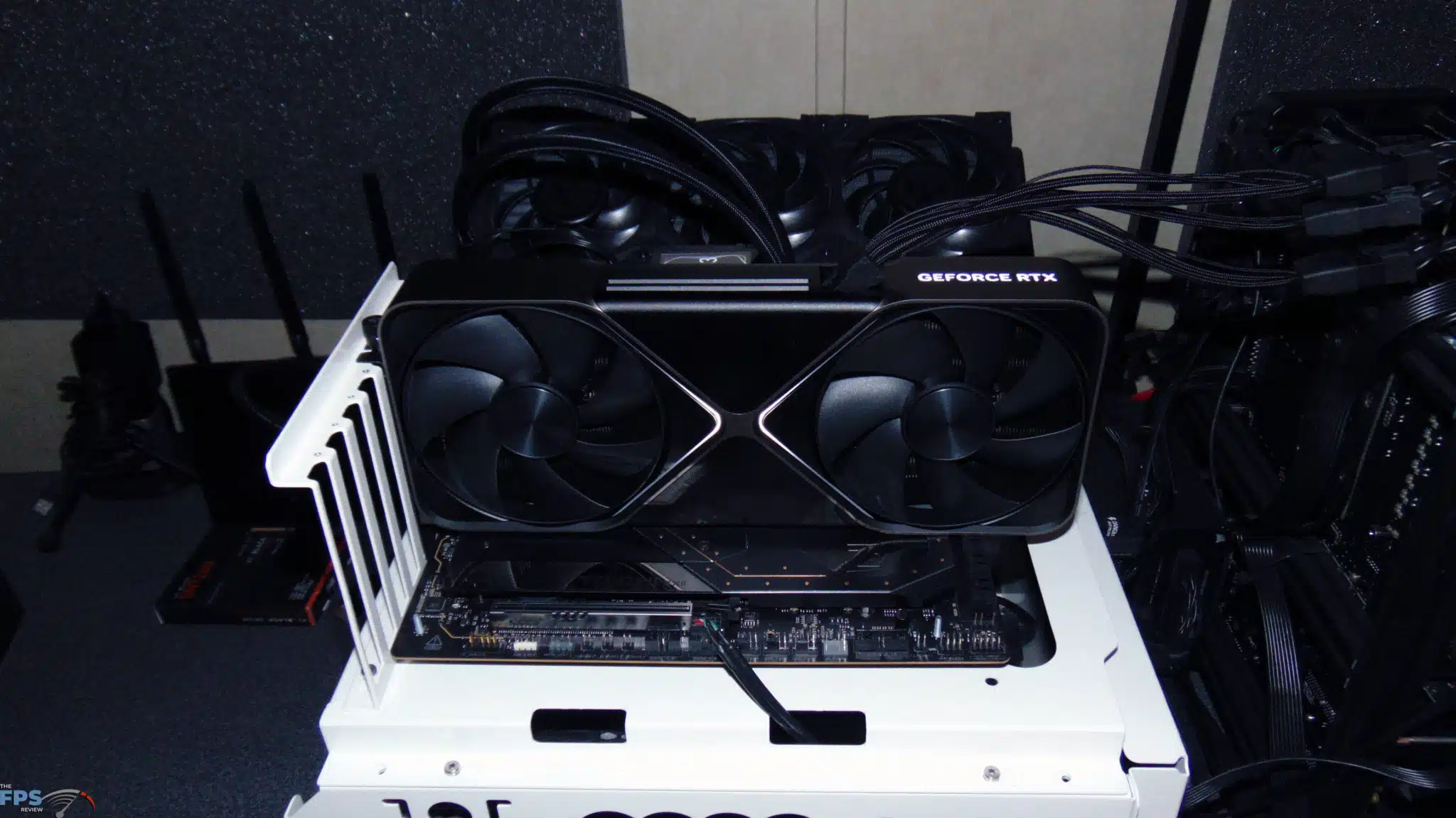
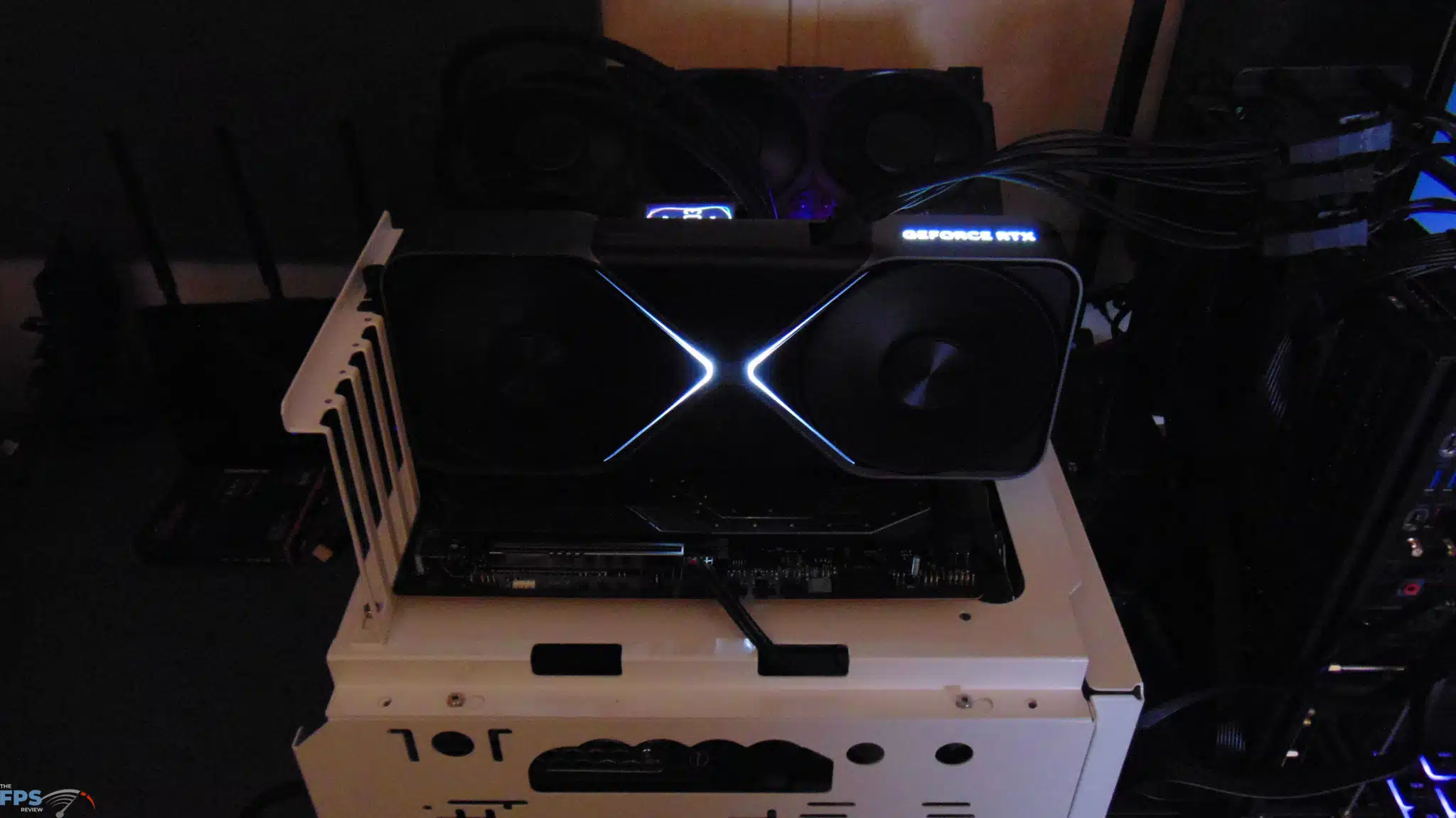
Similar to the GeForce RTX 5090 Founders Edition, there is some LED lighting on the GeForce RTX 5080 Founders Edition. The GeForce RTX logo lights up on the top, and it has the familiar “X” design on the front.
Discussion (19 replies)
Join Discussion →Long story short get an RTX4080 while you can.
No surprise here, given the specs, I didn't expect the RTX 5080 to do any better.
The RTX5070Ti hopefully will be a much better option as it's supposed to be right behind the RTX4080.
I'm very disappointed, I can't remember the last time a next gen x80 card wouldn't beat or at least meet the next up tier.
I remember when I got my 1070 that it was supposed to be on par with the 980ti
Looks like 5080 is a dud. I hope people read reviews before buying them on ebay for hundreds more. Maybe holding on to the 4090 is a good idea. But, the 4090 just increased in resale value!
So why is the 5090 not anywhere twice as fast as the 5080? what's holding it back?
Honestly, I'd love to see some deep dive on if the 5090 is being constrained by CPU. I've seen some side mentions on a couple sources saying it seems that way but no deep dive.
Reminds me of the 1000 series to 2000 series jump, only without the DLSS carrot there to give you a reason to bite.
On a side note, I've seen a few posts claiming that the new transformer DLSS mode is much more improved quality than the old one. So much as DLSS balanced mode being indistinguishable from quality mode and even performance mode being much better than before.
That should be pretty easy to test with time available.
System 1: Ryzen 9700X Down clocked, or even just set to 65w
System 2: Ryzen 9800X3D pushed as high as you can go with clock
run both systems at 4k and see if there is any significant difference
I mean it's a BIT more than that. You might want to use Intel's monitoring tools to see how things are working and better project where there is a bottleneck between the platforms for differences.
That's an interesting idea, give me some ideas (examples) of what to test to accomplish this. I also think it is true that the 5090 is being held back by the CPU, I said as much in my review.
Thanks for that suggestion, as I said above, I personally think that is a great idea to test. Right now, something like that wont be soon, but I've got it written down in my potential reviews doc.
It would need to be basic. at 4k whatever refresh is the GPU at 100% while the CPU is running at max ghz high utilization across cores? That's how I would logically think a held back device would look.
But it would need to be a slim test.. like perhaps raster only... I'm not sure on that.
Jay has a video on how to use the intel tool to track and see if the CPU or GPU is throttling. *shrugs*. It seems kind of esoteric to me. All the info I've seen calling out CPU throttling has been at higher res where NORMALLY that would be at lower rests... so it's interesting.
[embedded media]
Presentmon is the tool that you can use... just a idea. Jays video has some info on how to use it but there are better tutorials online.
Gotta wonder if a cutdown GB202 die is on the table for a $1499 5080 Ti w/ 24 GB VRAM.
It appears the 5080 is a good overclocker. If that is consistent across a bunch of samples then it's a great candidate for water cooling to open up some possible additional headroom.
Good point. A lot of folks are complaining about how close this is to a 4080 SUPER but things could get really interesting when OC'd and liquid cooled since you don't have to worry about hitting a 600W power limit for the cable.