
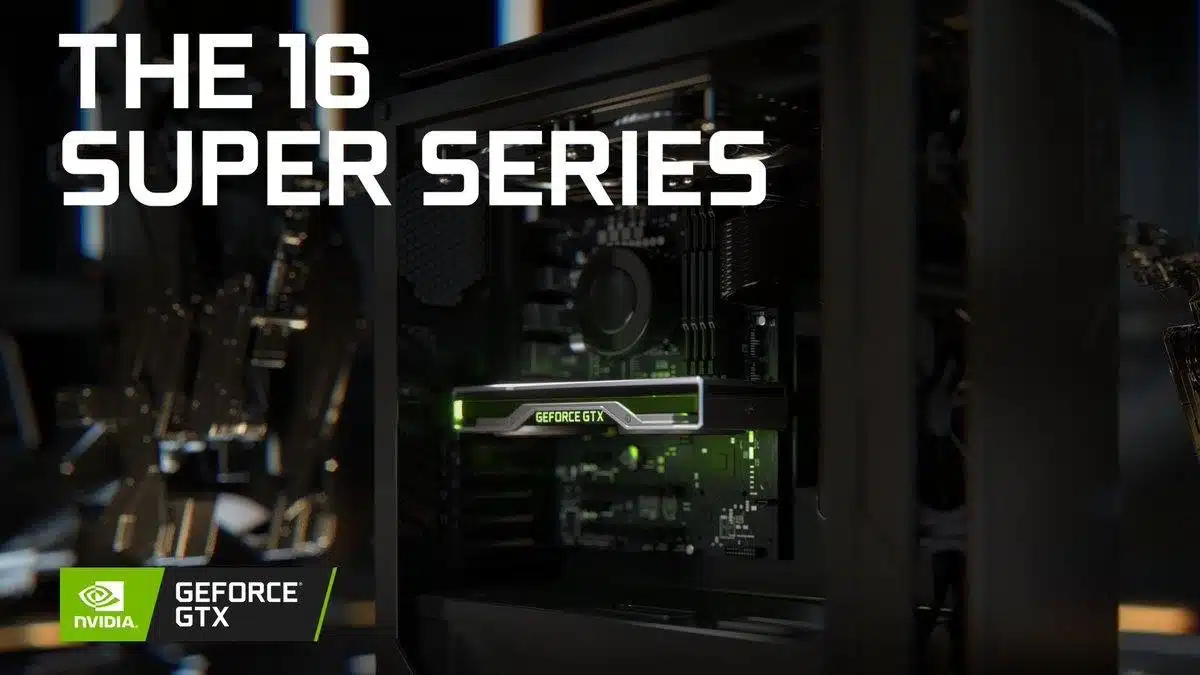
RIP GTX, the long-running series of NVIDIA graphics cards has officially met its end as board partners have announced its discontinuation. The GTX branding was first seen with NVIDIA’s Kepler-based Geforce 7 series in 2005. NVIDIA is well known for mix-matching and rebranding products which then led the GTX branding to take a more prominent stance as the prefix for its product names starting with the GeForce 200 series in 2008 where it would become the mainstay brand until the launch of the Turing-based RTX series in 2018.
Per Tom’s Hardware:
“Finally Nvidia has heard our pleas: The GTX 280 is the first real reworking of the G8x architecture. And, yes, breaking with tradition, “GTX” is a prefix for this new architecture.”
The GTX 16 series graphics cards were the last to use the GTX branding and also shared in featuring Turing processors. NVIDIA has always sought ways to meet industry demands for GPUs and as such has kept the GTX 16 series alive by offering mobile variants and continuing to offer processors to board partners in other markets. It is from board channels that word comes that the last of the GTX 16 series processors are officially discontinued as of Q1 24.
Per Board Channels (via VideoCardz), machine translated:
“According to the NVIDIA GPU product roadmap, the GTX 16 series has been completely discontinued in the first quarter of 2024. Currently, all remaining GPU stock has been allocated to AIC brand manufacturers until their inventories are depleted.
In other words, NVIDIA has officially ceased production of the GTX 16 series GPUs, declaring the historical mission of discontinuing the GTX 1660S, 1660, 1650, and 1630 graphics cards. Going forward, neither NVIDIA nor the core AIC brand manufacturers will supply GTX 16 GPUs to channel partners. It is estimated that the remaining inventory of GTX 16 series in the market will be consumed within the next 1-3 months.”
Driver support for the GTX 16 series continues, as does for even older GTX models. The impact of the GTX series on the PC gaming industry continues to be seen with owners of GTX 1080 Ti, GTX 970, GTX 980 Ti, and GTX Titans continuing to post about their cards either surviving or just being retired. While many innovations occurred before its introduction, the GTX series saw the rise and fall of SLI and 3D gaming, numerous DirectX generations, and for a time even had select x90 models that featured two GPUs on one PCB. So RIP GTX as a job well done in having helped to support PC gaming for nearly two decades.
Discussion (7 replies)
Join Discussion →Oh wow, "GTX" won't be used any more. All existing cards from here on out are "RTX".
Yep, at least until some other kind of rebranding happens that revives it.
So all laptop cards will be RTX from now on.... Somehow I doubt that. I suspect we will see a rebrand of GTX cards as some AI themed moniker. Because the ray tracing compute to date does nothing for AI performance. It's those Cuda cores that matter for that. I say we will see some AIEX cards come out loaded up with more cuda cores for 'AI' that just happen to be amazing at rasterization. They might throw a few tensor cores at it to say it can still do reflections but the market target will change for the GTX cards.
Ok well that's kind of funny.... since they locked DLSS to RTX tensor cores, and the big thing was "Use AI to increase your performance"
GTX doesn't have any RT or Tensor cores to my knowledge.
So while the RT cores may not do much, it was the tensor cores that did the AI grunt work.
Or at least that's how I understood it.
Crap it appears I was completely wrong on that. Why did I think Cuda cores did that...
The GTX 16 series had a Turing processor, same found in the RTX 20 series but, if I remember correctly, the tensor cores were disabled on them. I also seem to remember reading that theoretically there was some way to run DLSS on them but it was abysmal. The GTX 16 series was kind of an odd beast as far as GTX went.
It was bound to happen I guess.