
Introduction
In today’s graphics card review, we have a factory overclocked Radeon RX 9070 GRE review, and this one has a pretty big factory overclock with a higher board power to boot! The AMD Radeon RX 9070 GRE is not new; it debuted as a China-exclusive launch in May of 2025. AMD is launching the Radeon RX 9070 GRE (Global Launch announced at Computex 2026) in the US and globally for 2026 with an MSRP starting at $549. Sitting between the Radeon RX 9070 and Radeon RX 9060 XT, the Radeon RX 9070 GRE offers a mainstream solution for gamers aimed at 1440p gameplay. Today, we are going to review the SAPPHIRE PULSE Radeon RX 9070 GRE GAMING OC video card sent to us directly by SAPPHIRE with an MSRP of $549.
It may be a tough time for the DIY GPU market in 2026, but AMD has chosen to expand its coverage of offerings to the US and other regions by making the “GRE” model available. There is precedent for this, as AMD did the same thing with the AMD Radeon RX 7900 GRE back in 2024. The Radeon RX 7900 GRE had originally launched to a China-exclusive market in 2023, then at the beginning of 2024, AMD brought it to the global market. Much in the same way, the Radeon RX 9070 GRE (based on RDNA4) is now a “new” model that will be available to the global market in 2026.
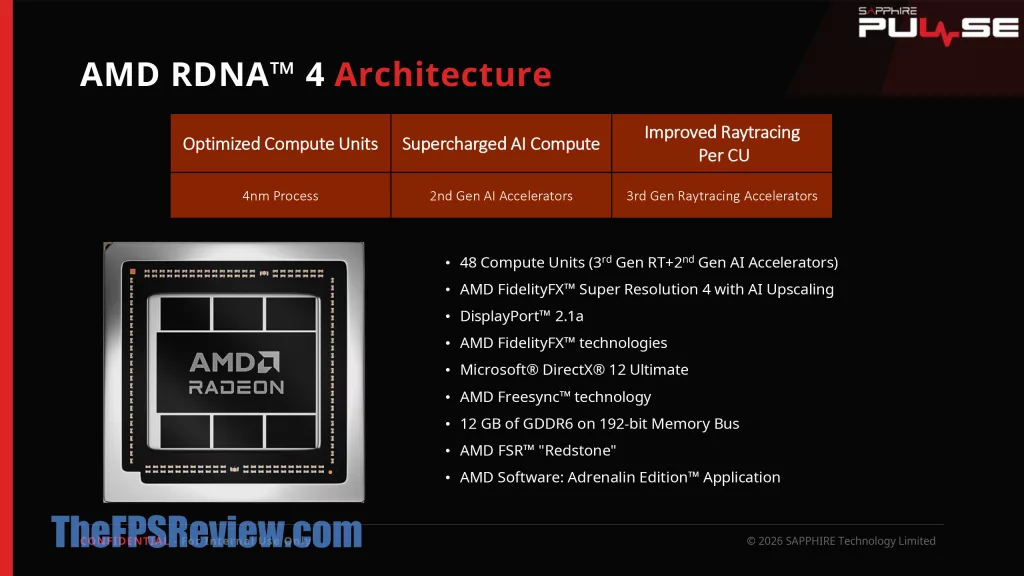
The Radeon RX 9070 GRE is based on the Navi 48 GPU die and RDNA 4 architecture; it is closer to the Radeon RX 9070 than the Radeon RX 9060 XT in terms of the core. You can read about the specifications (HERE) with the press deck. It consists of 48 Compute Units, 3,072 Shading Units, 48 RT Accelerators, 96 HW AI Accelerators, 96 ROPS, and 192 TMUS. It has a Game Clock of 2220MHz and a Boost Clock of up to 2.79GHz. It has 12GB of GDDR6 on a 192-bit memory bus, at 18Gbps, providing 432GB/s of memory bandwidth. The Total Board Power is 220W, and it does support PCI-Express 5.0 x16 full bandwidth. It supports DisplayPort 2.1a and HDMI 2.1b.
SAPPHIRE PULSE Radeon RX 9070 GRE GAMING OC
Before we dive into the SAPPHIRE PULSE Radeon RX 9070 GRE GAMING OC, this is a factory overclocked model and is clocked with a Game Clock of 2340MHz and a Boost Clock of up to 2920MHz! That Boost Clock is well above the AMD reference boost clock of 2790MHz. That is achieved by the SAPPHIRE PULSE Radeon RX 9070 GRE GAMING OC also having a higher Total Board Power of 240W versus 220W of the AMD Radeon RX 9070 GRE reference spec. That means that the SAPPHIRE PULSE Radeon RX 9070 GRE GAMING OC has a higher power limit by default, allowing it to achieve the higher factory overclock out of the box. All of this with the same $549 MSRP.


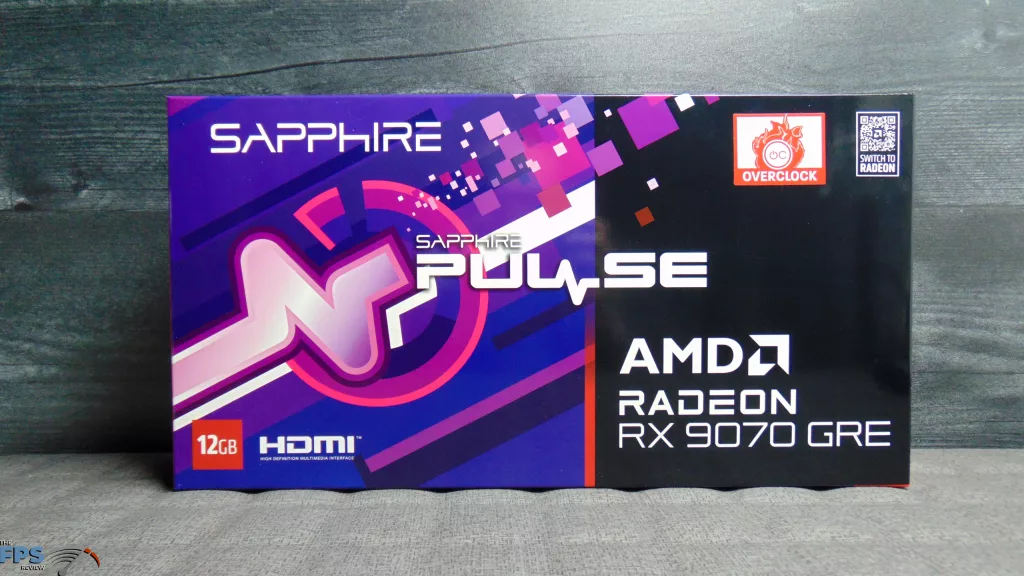
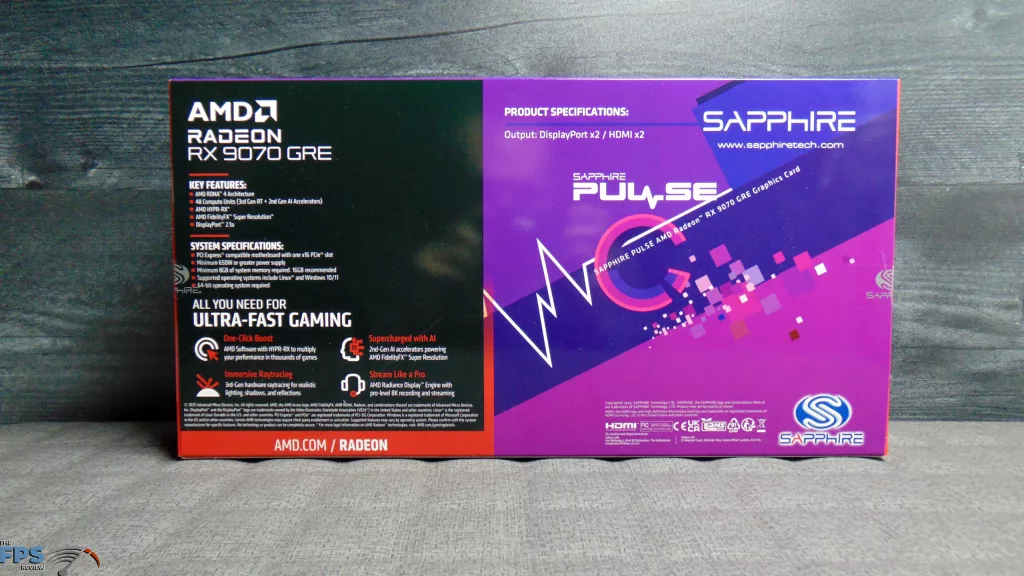
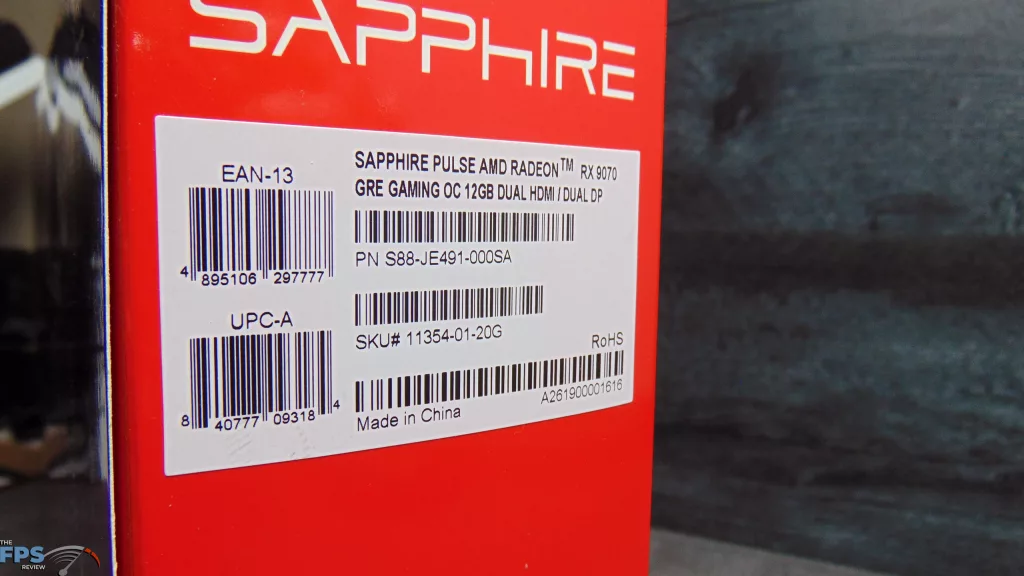
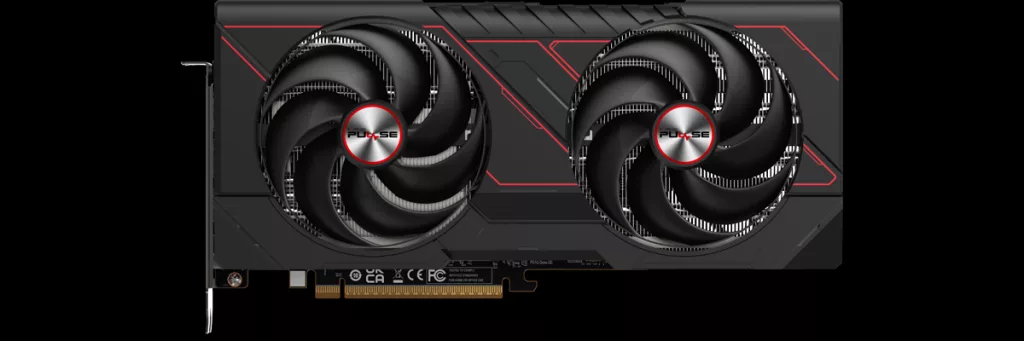
The SAPPHIRE PULSE Radeon RX 9070 GRE GAMING OC is in SAPPHIRE’s “PULSE” line of video cards, which sits as SAPPHIRE’s mainstream-value or value-driven performance line. The PULSE series of graphics cards sits under the PURE and NITRO+. The PULSE series is defined by its capable and durable configuration with custom cooling designs in a dual-fan cooling configuration and classic black and red design patterns from SAPPHIRE. The video card comes in a very nice-looking box, with an appealing color scheme of its own, with the purples. The SKU for this video card is: 11354-01-20G.
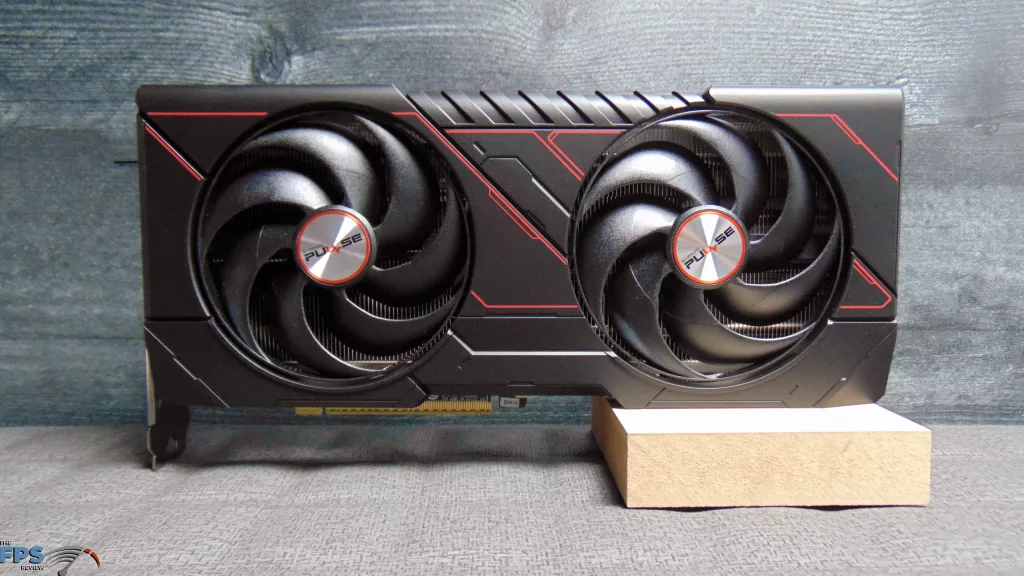
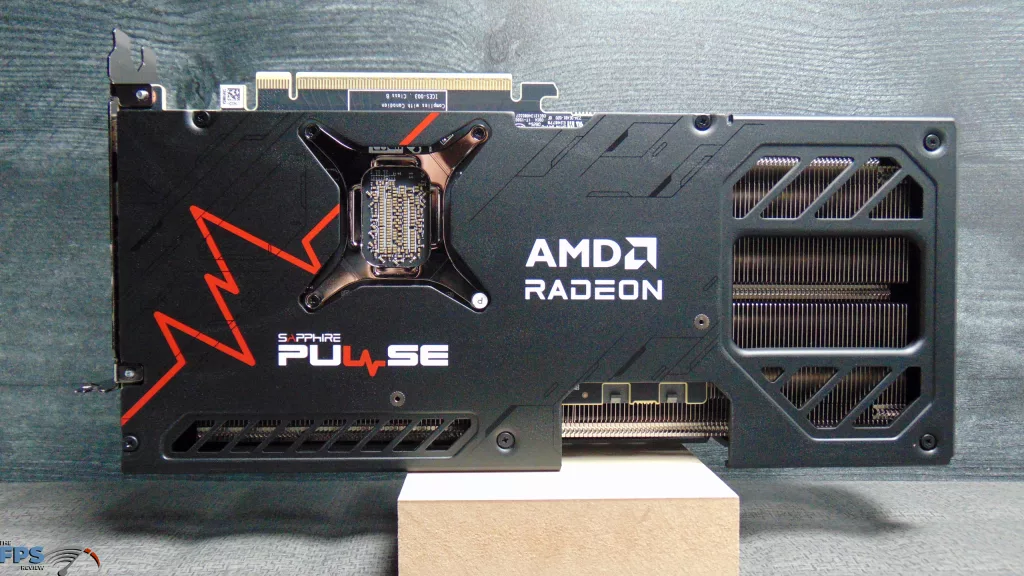
The SAPPHIRE PULSE Radeon RX 9070 GRE GAMING OC is a very compact video card, which is very nice, it isn’t very heavy at all and fits well in your hands, and in our case. This video is actually sized right to fit well in SFF builds or small or tight builds with this dual-fan configuration. The card measures 280mm x 133mm x 51.5mm (11″ inches x 5.2″ inches x 2″ inches) in size. This is technically a 2.5-slot form factor video card, but it is very compact and just doesn’t take up a lot of space. You will find 2x DisplayPort and 2x HDMI on board for display configuration. It also utilizes two standard 8-pin PCIe power connectors.








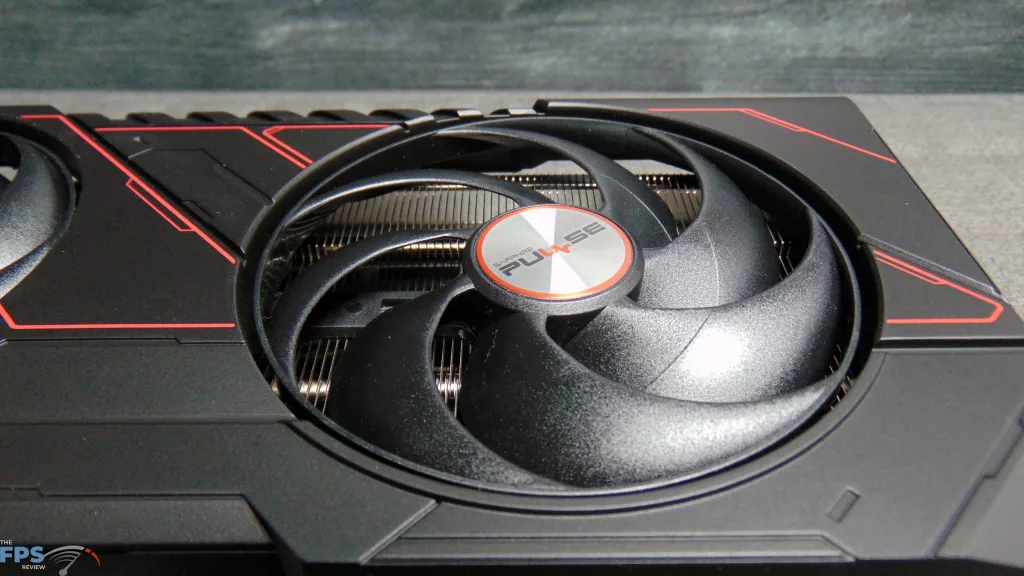
The SAPPHIRE PULSE Radeon RX 9070 GRE GAMING OC is based on SAPPHIRE’s Dual-X Cooling configuration with a dual-fan configuration in this model. It utilizes two AeroCurve double ball bearing fans. The AeroCurve fan blade has a precision blade geometry design in order to reduce air friction and increase static pressure with reduced noise levels.
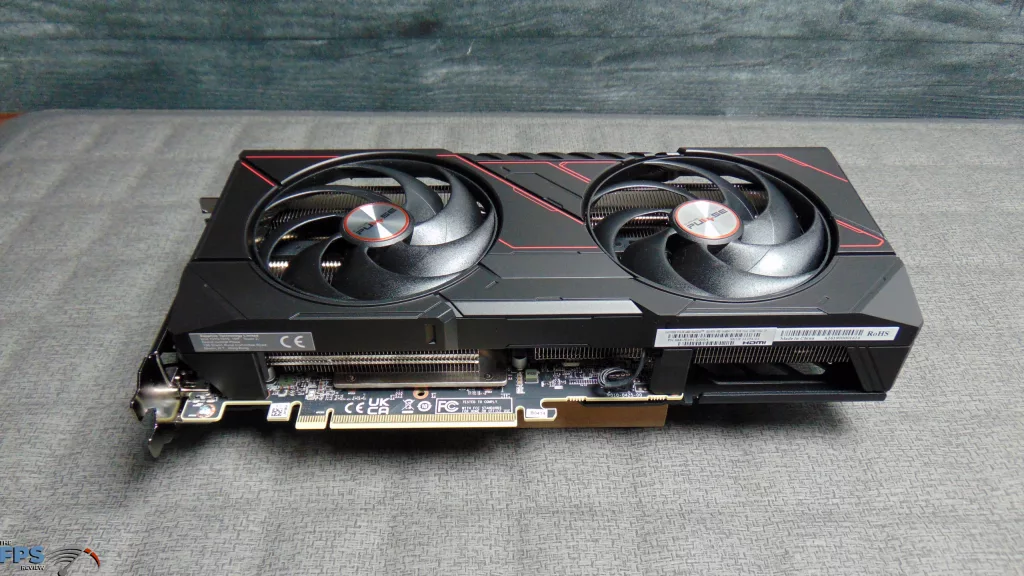
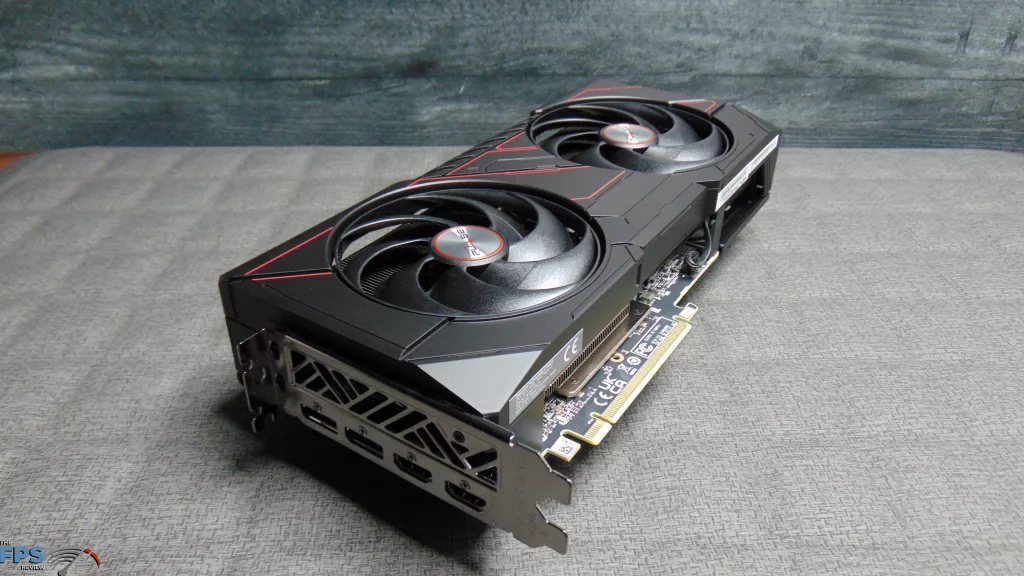
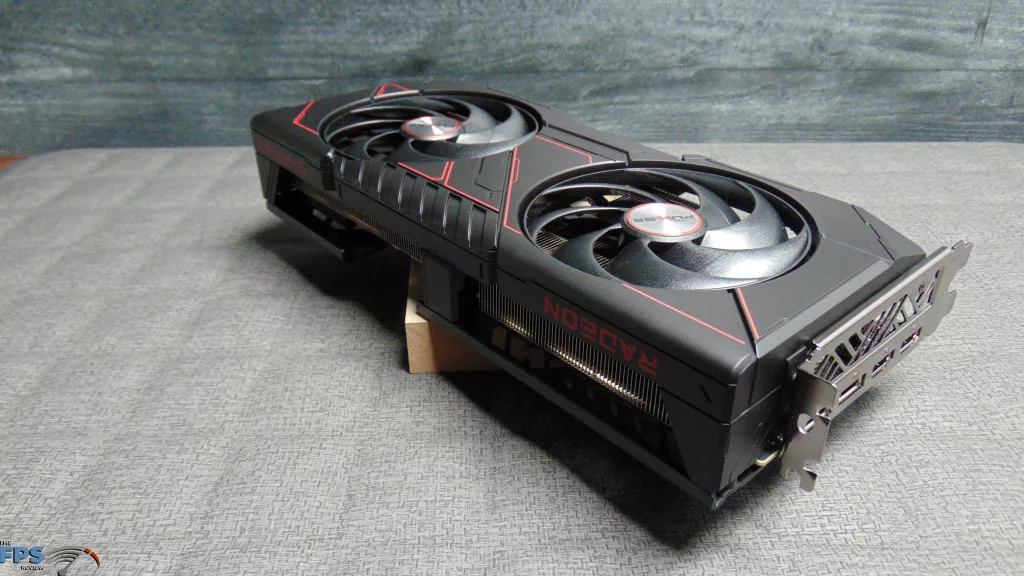
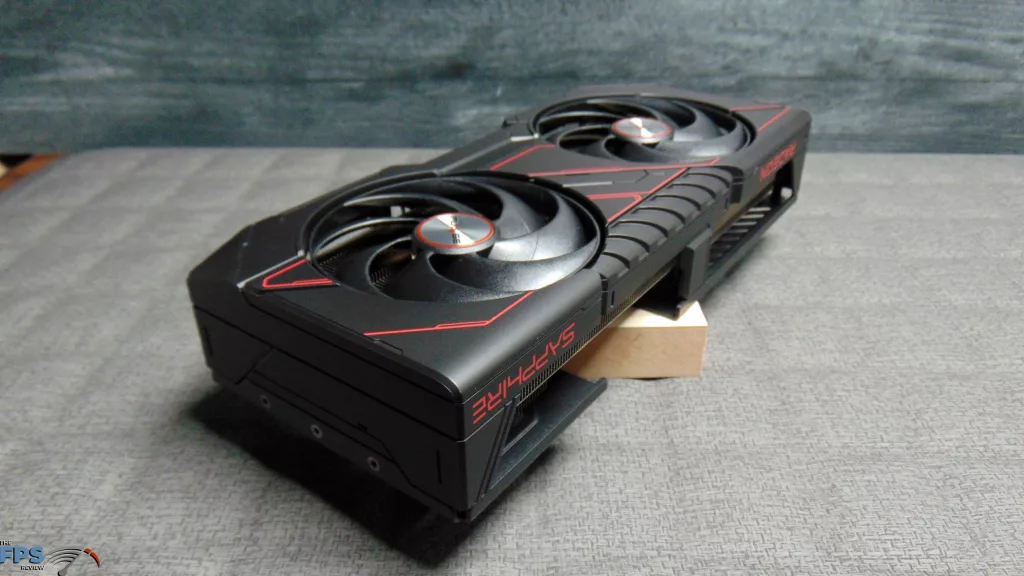
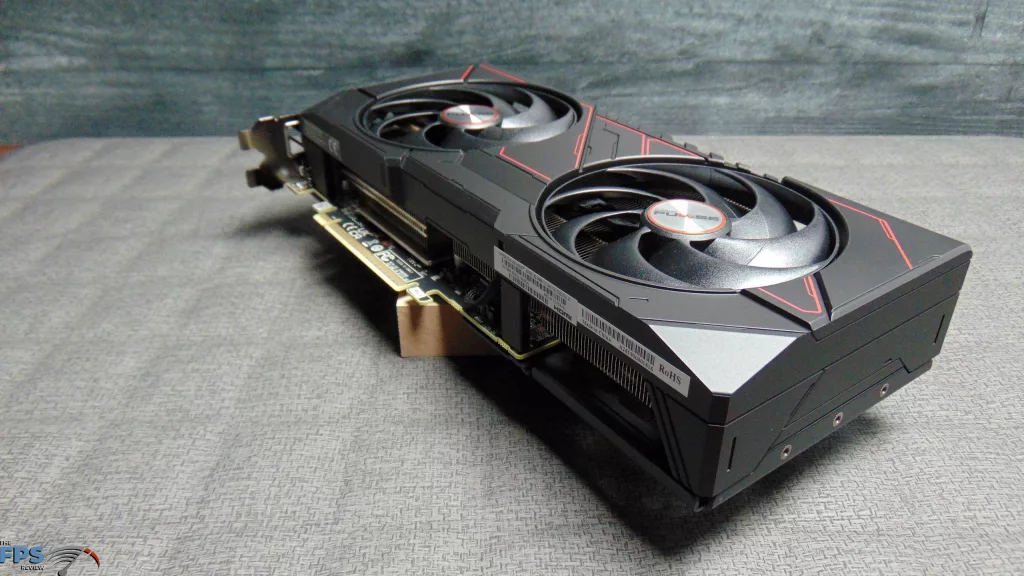
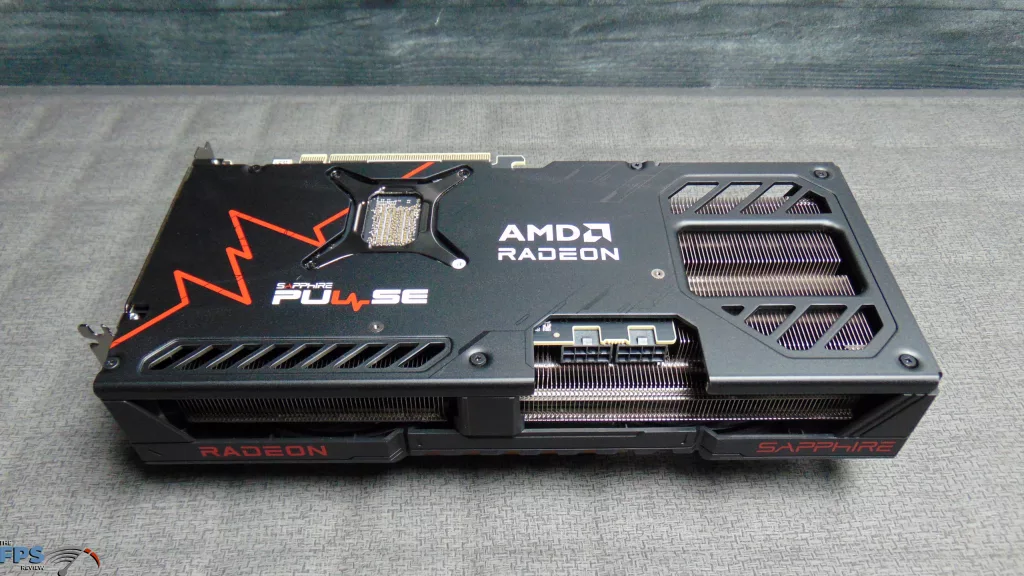
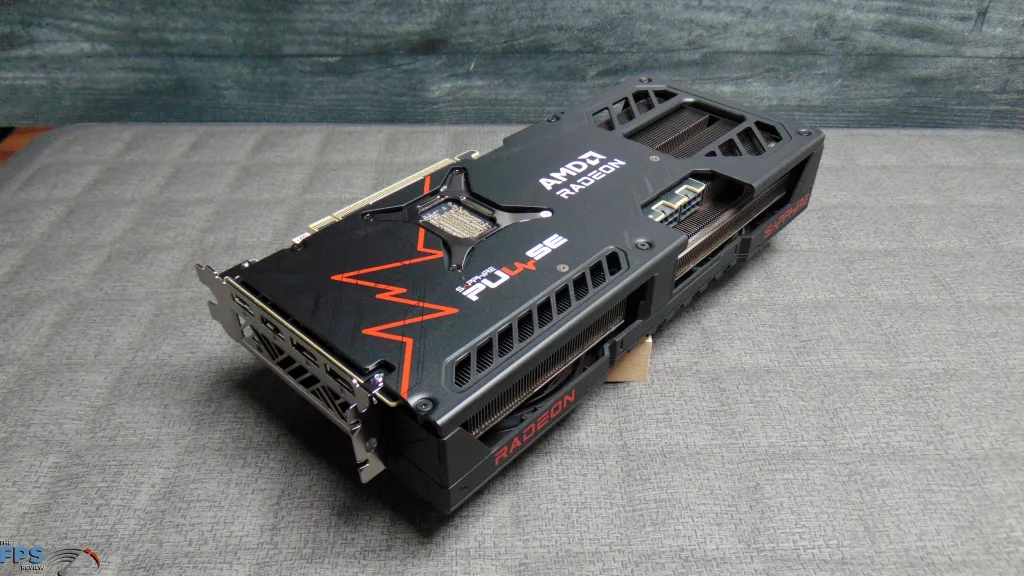
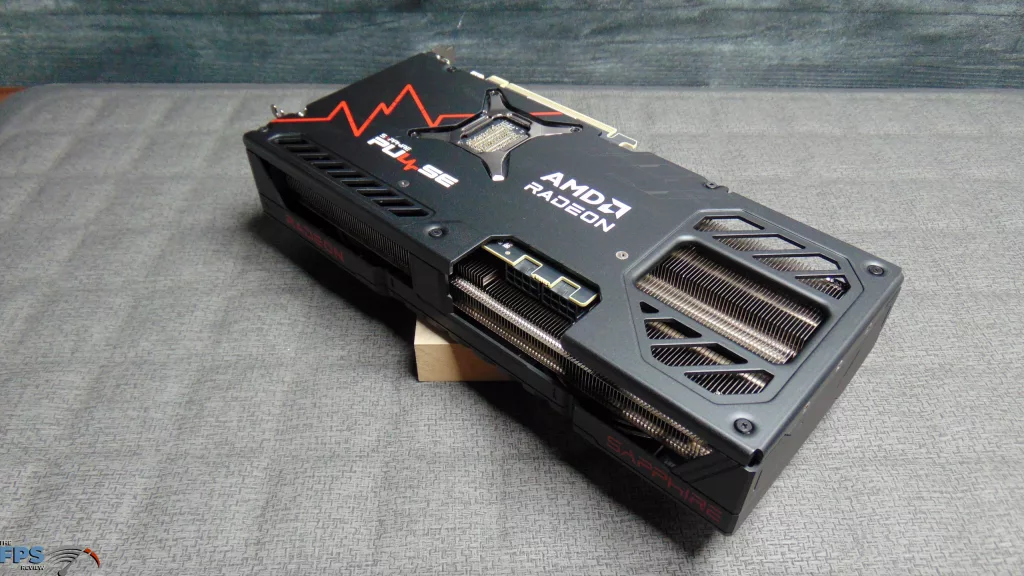
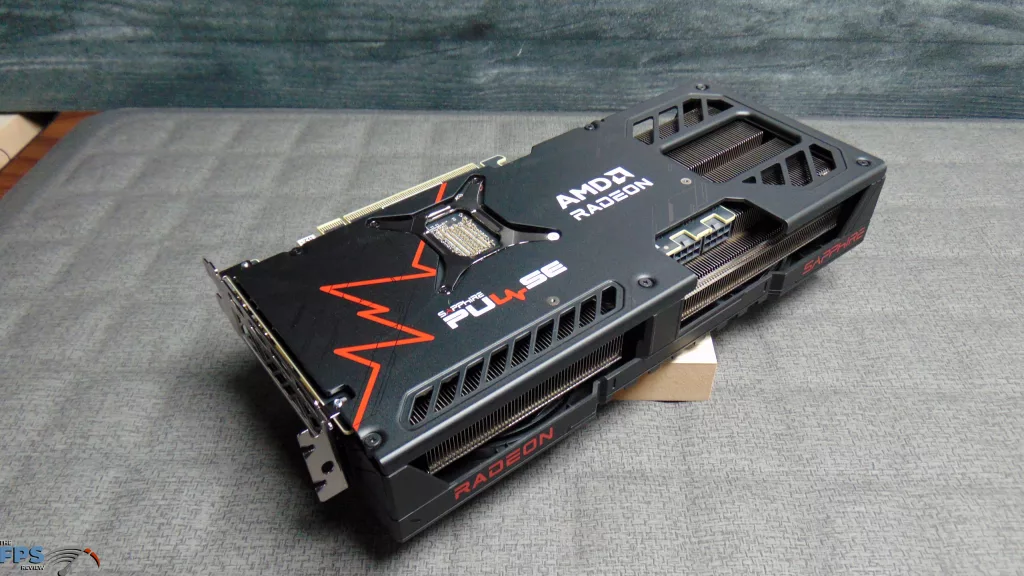
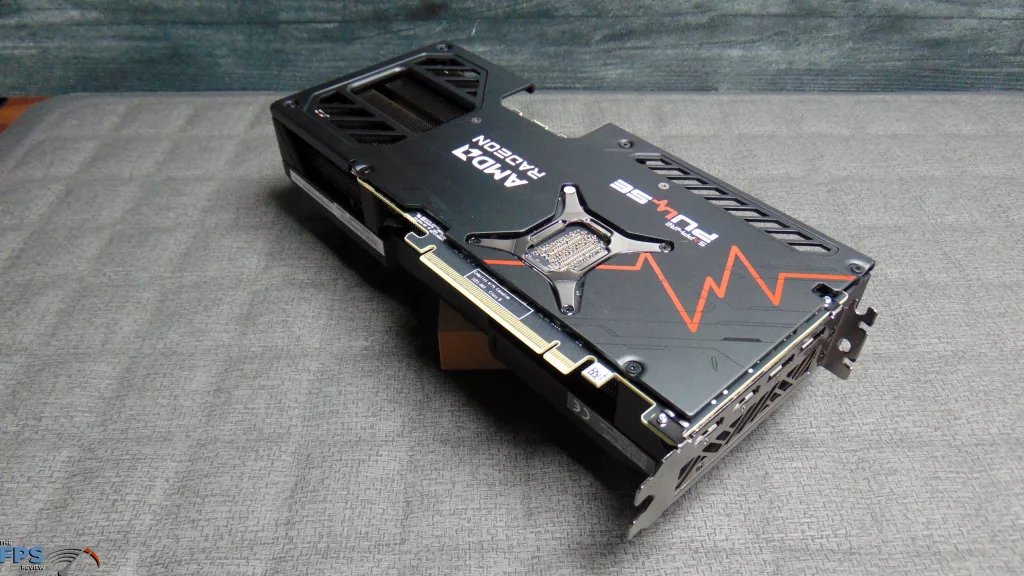
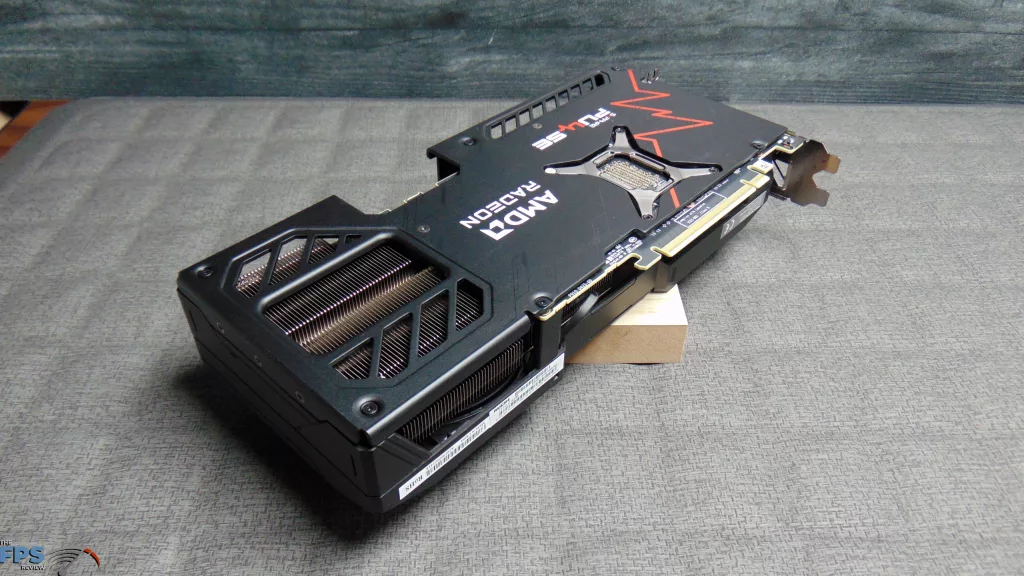
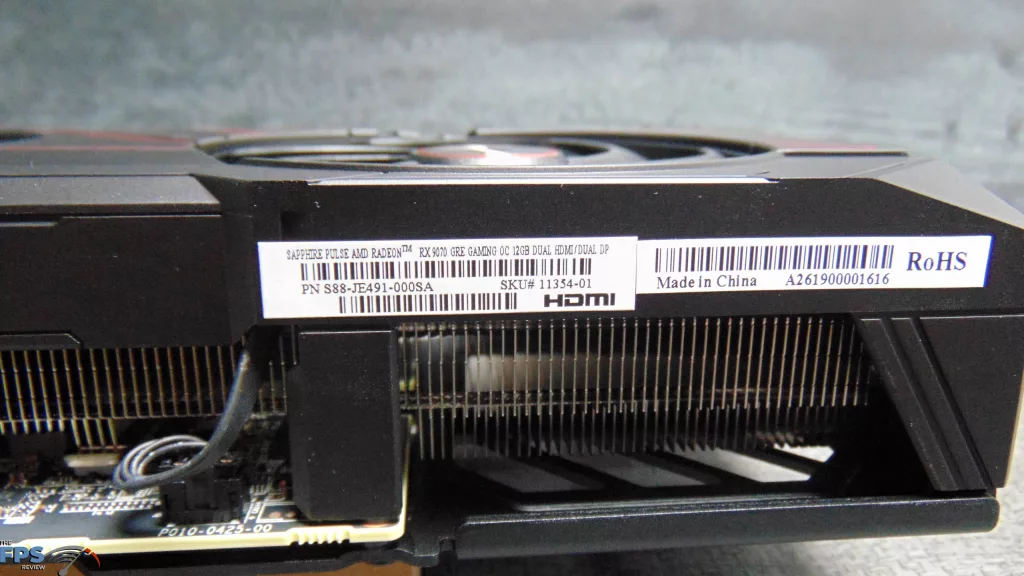
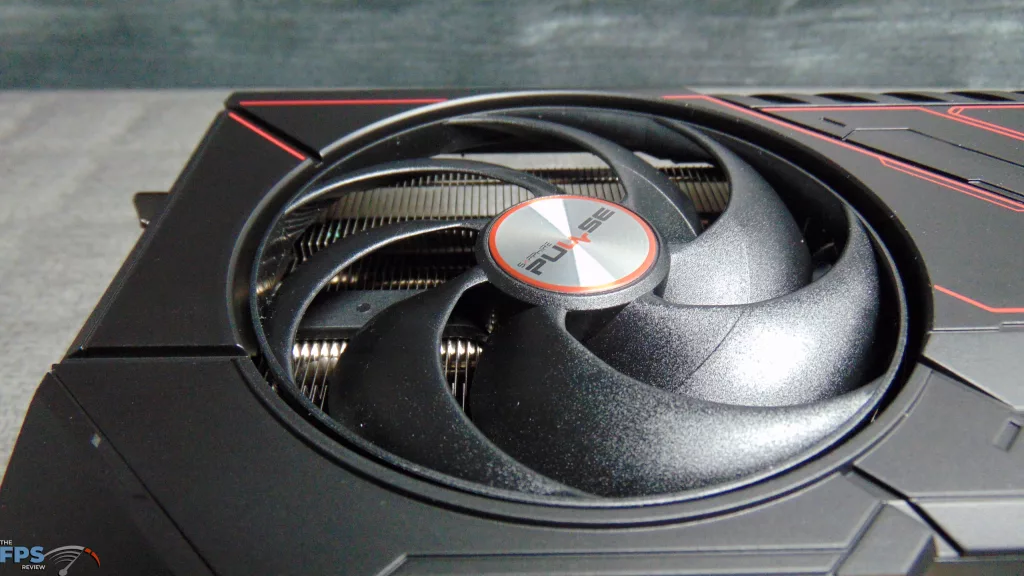
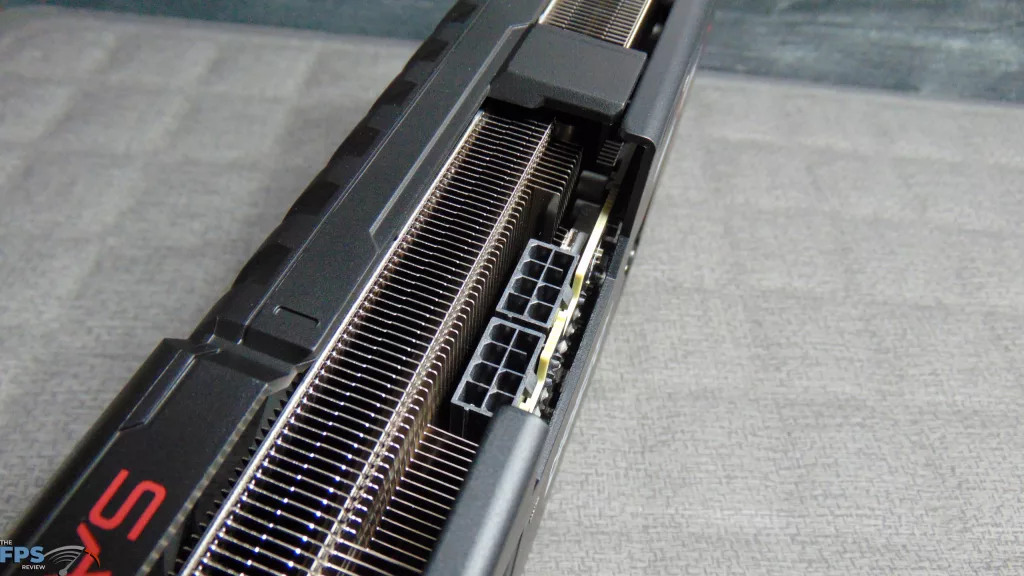
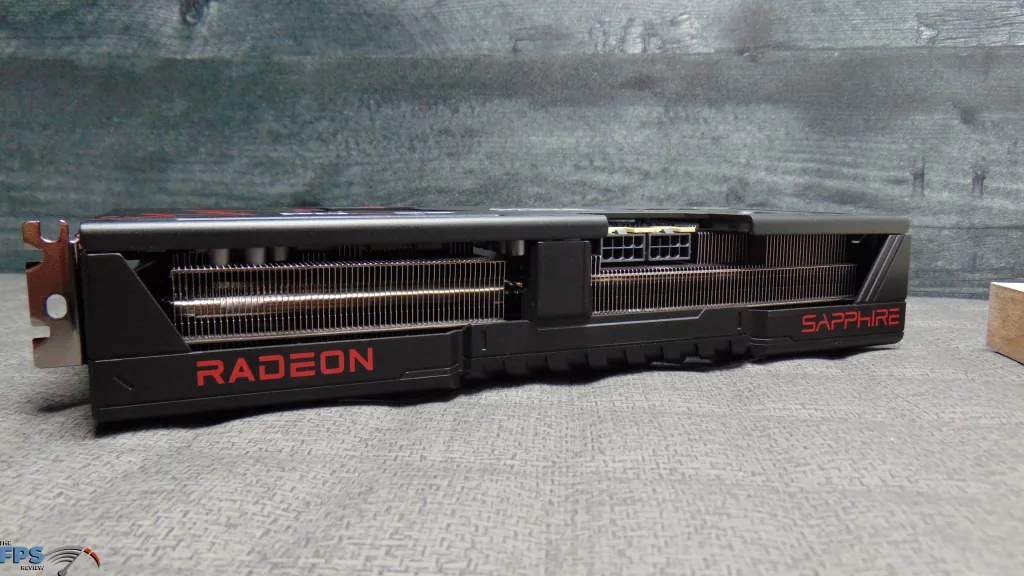
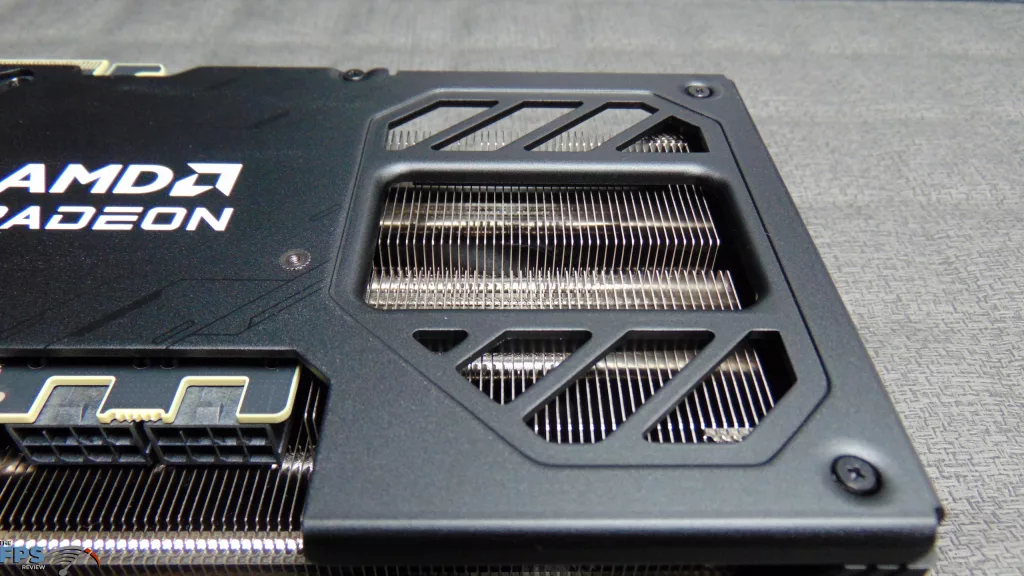
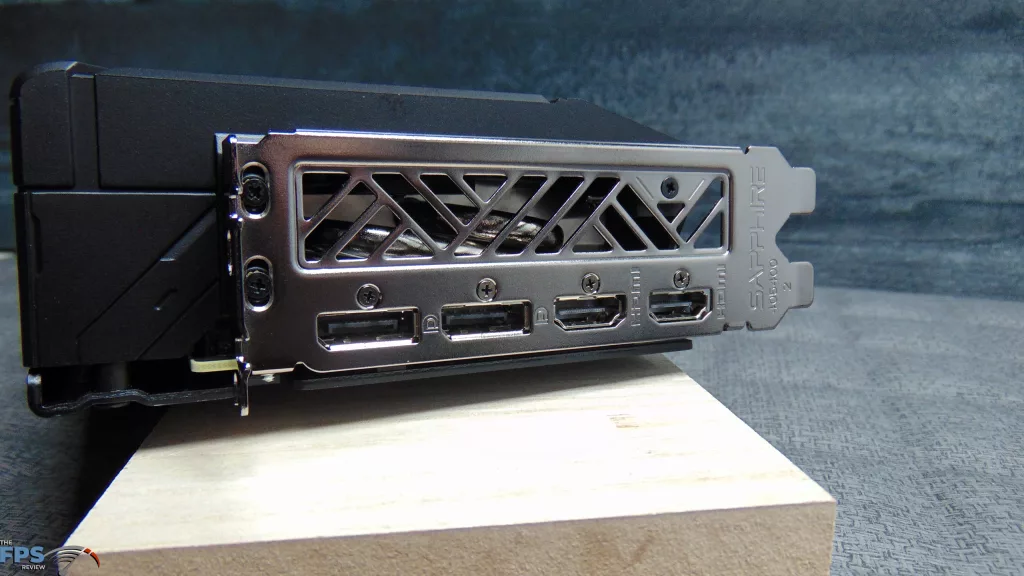
The heatsink is designed with airflow paths to channel air efficiently through the fins. The heatsink makes contact with the VRMs, GPU, and memory modules with a Direct-Contact design. The heatpipes are custom-designed composite heatpipes for efficiency. SAPPHIRE uses a Honeywell PTM7950 TIM for thermal conductivity. It also has a free-flow air design to cool the heatsink through the backside. This model, however, does not have a dual-BIOS.

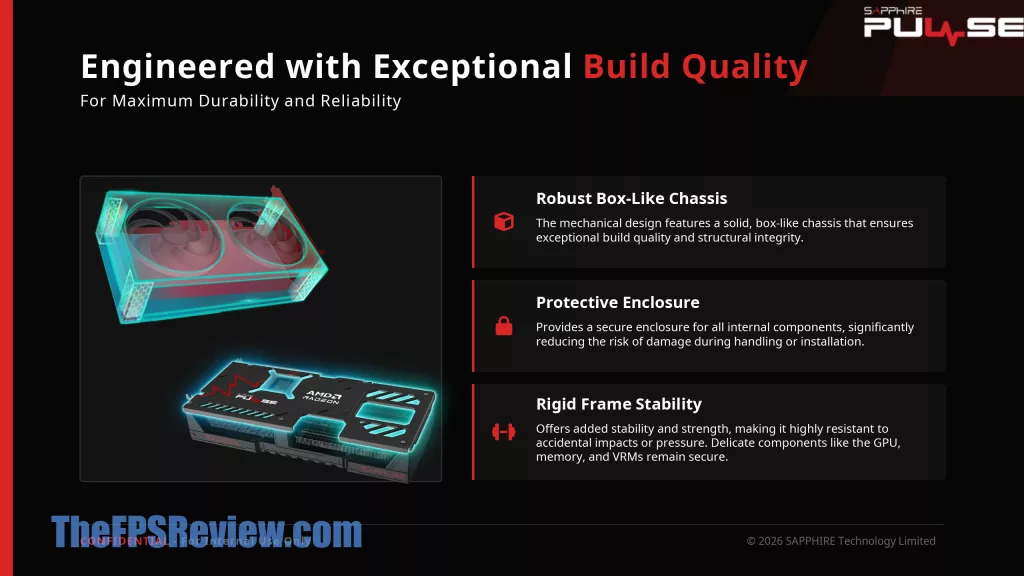
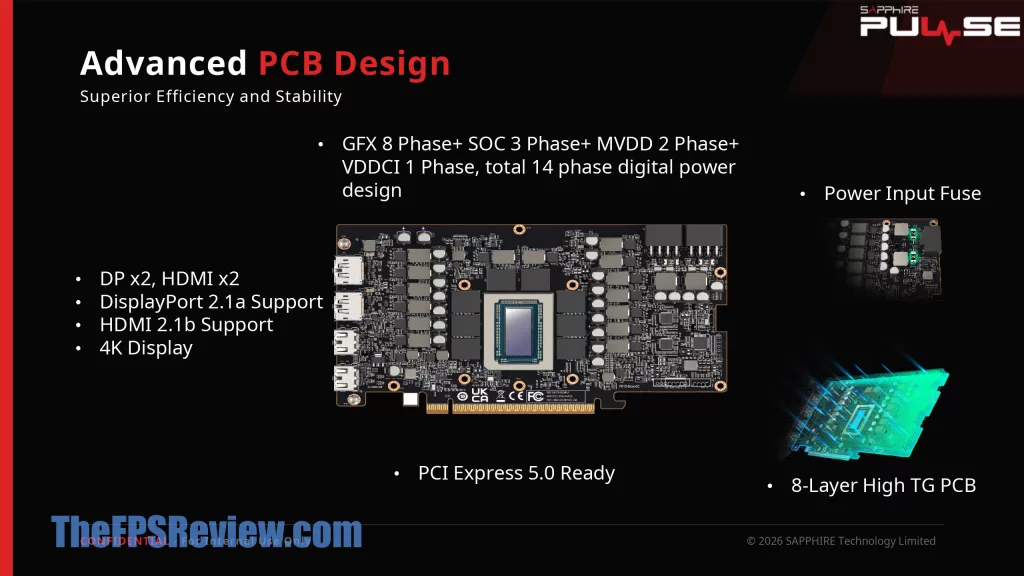
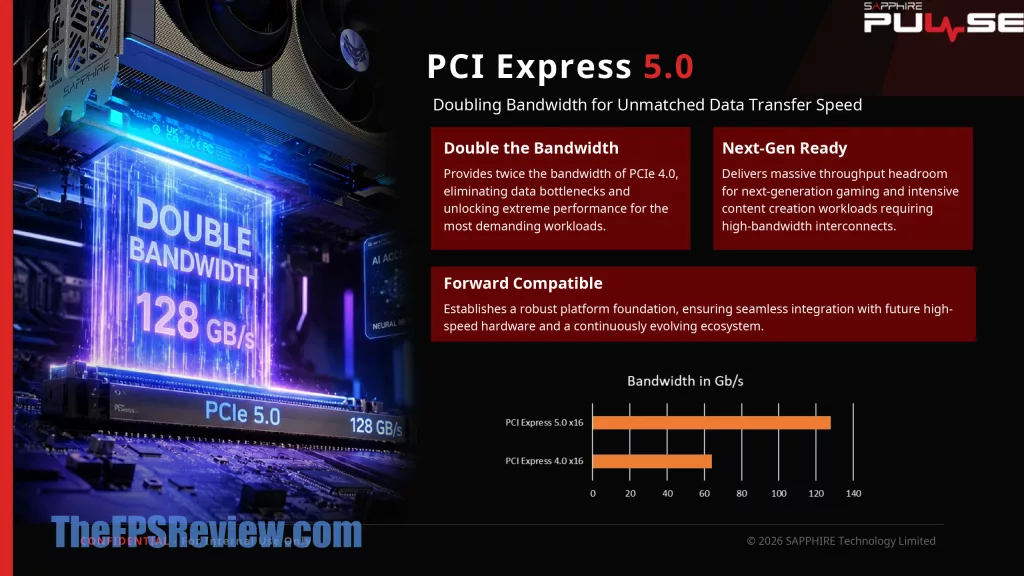

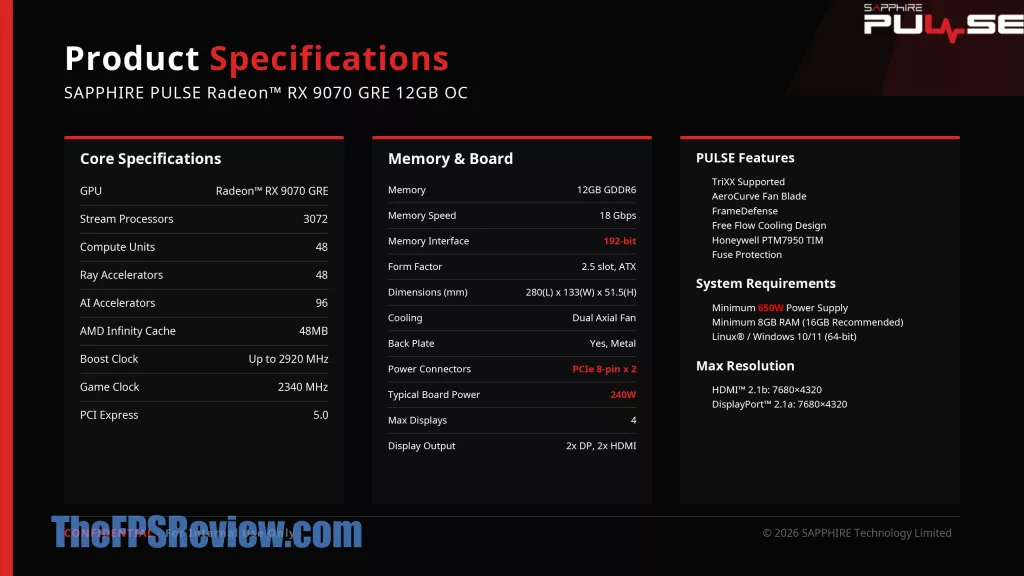
The SAPPHIRE PULSE Radeon RX 9070 GRE GAMING OC is also well built, with a robust box-like chassis for a solid one-piece fit enclosure. It also has a full metal backplate to provide stability. In terms of hardware specs, the SAPPHIRE PULSE Radeon RX 9070 GRE GAMING OC uses a 14-phase digital power design (8 GFX Phase/3 SOC/2 MVDD/1 VDDCI). It does have a power input fuse as well for security, and an 8-Layer High TG PCB. It fully supports PCI-Express 5.0 x16. SAPPHIRE also has a new version of TriXX Software supported with a newer modern UI and live data monitoring, along with quick performance profiles.
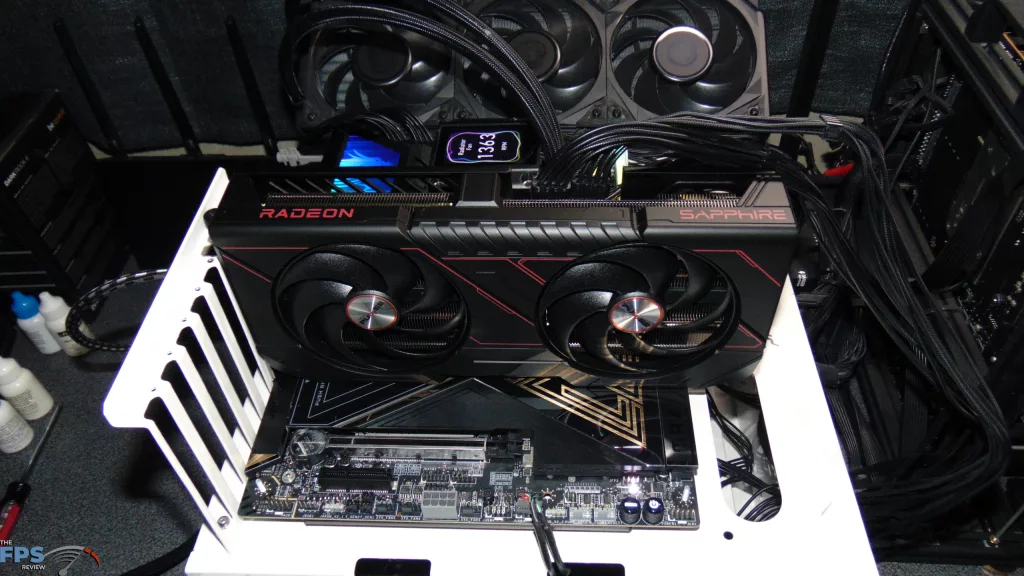
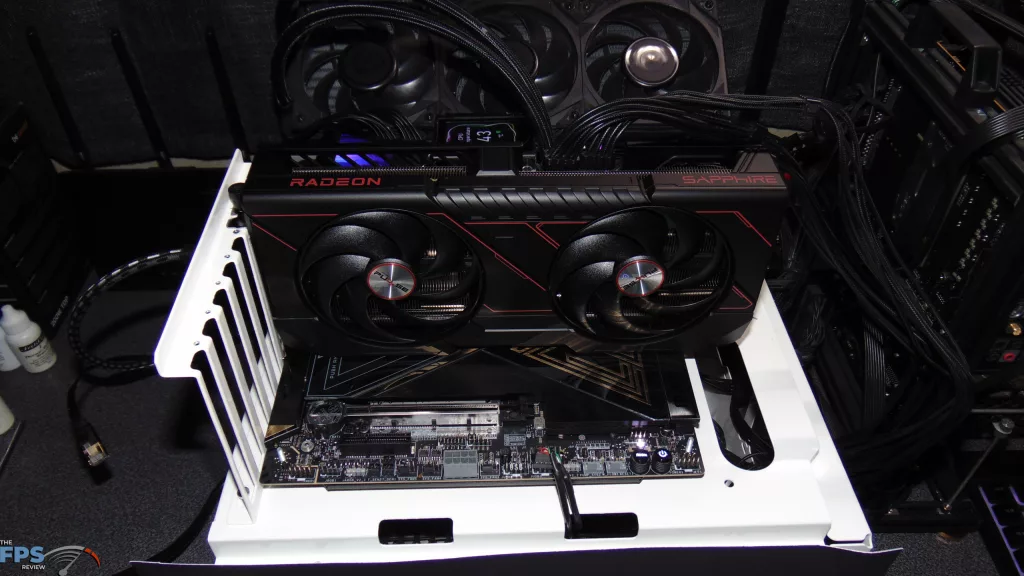
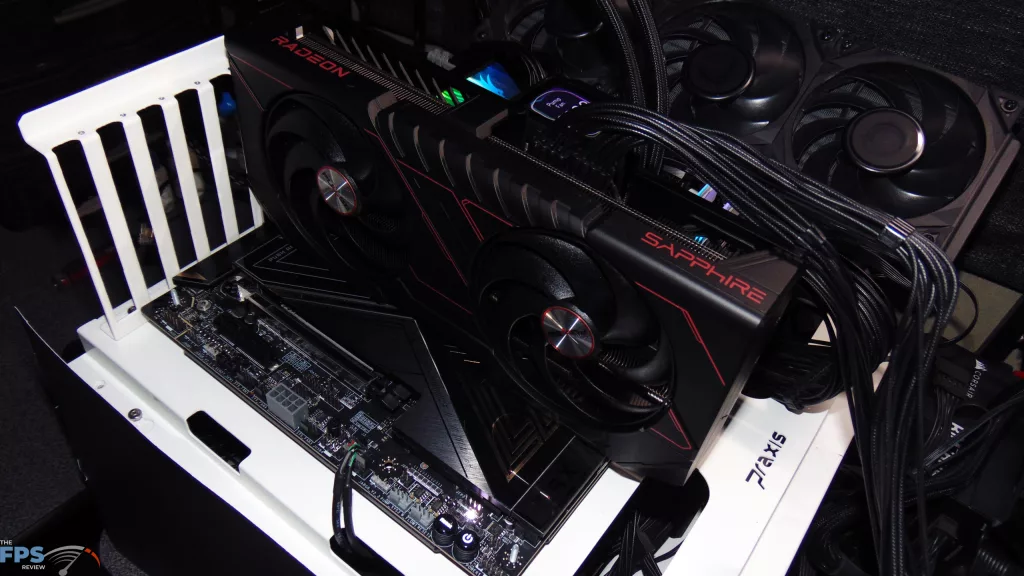
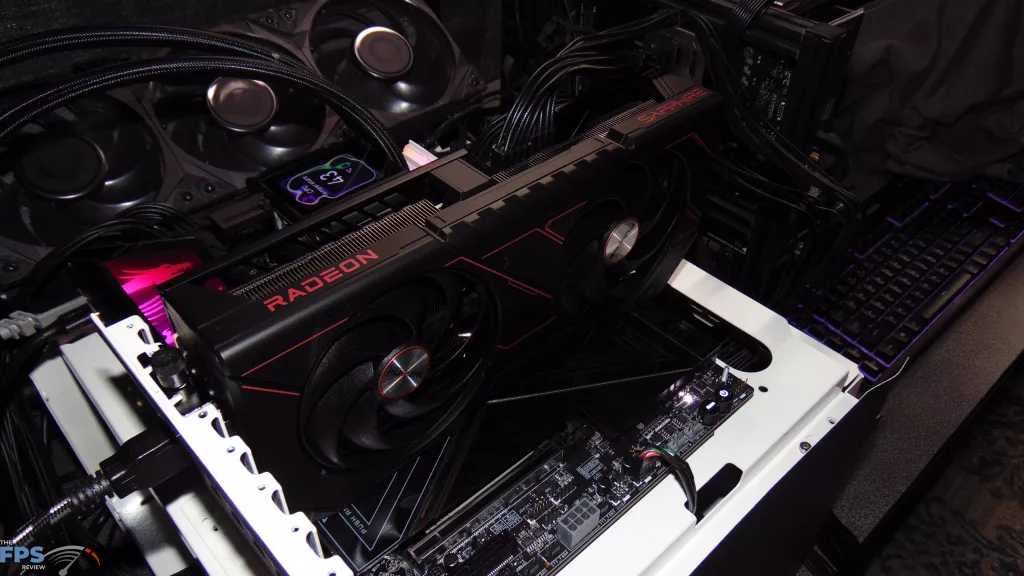
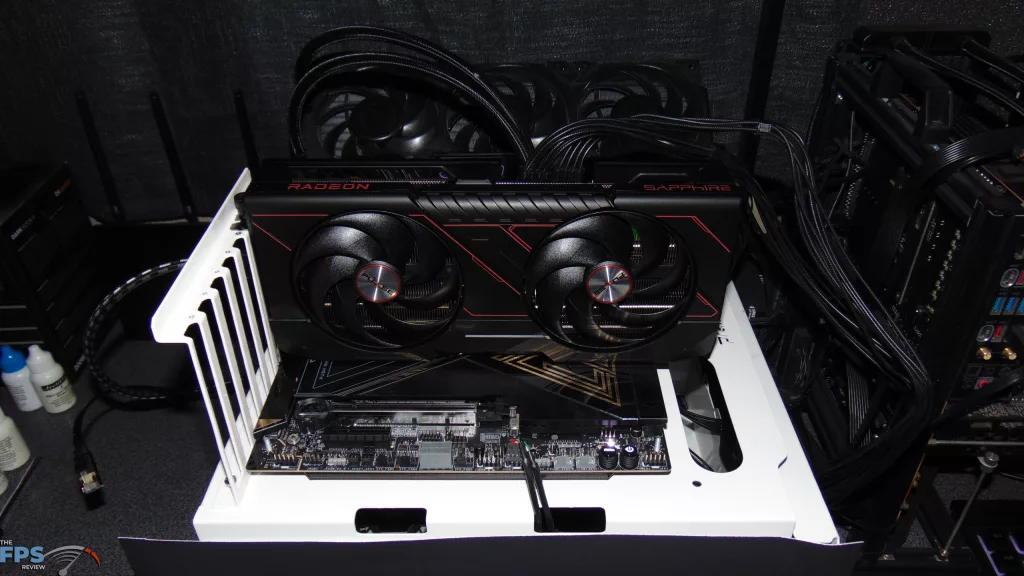
The SAPPHIRE PULSE Radeon RX 9070 GRE GAMING OC is a “stealth” video card, in that it has no RGB or LED lighting and just has hints of red against the black theme.
Discussion
Join Discussion →No replies yet. Be the first to reply on the forum.