
Introduction
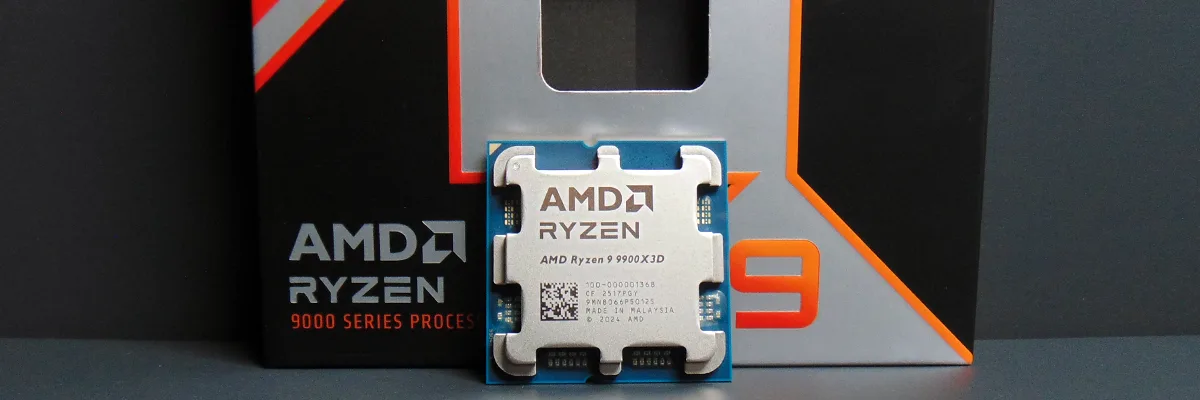
The AMD Ryzen 9 9900X3D CPU marks AMD’s entry into the Ryzen 9 9000 series with the additional 3D V-Cache on board. This is AMD’s answer to providing a 12-Core CPU, but geared for gamers and creatives alike with extra L3 Cache to provide an improved gaming experience. In essence, it’s a gaming-focused CPU, but with a lean toward providing performance for creative content as well. The AMD Ryzen 9 9900X3D was technically launched in March of 2025 and had an MSRP at launch of $599. In today’s review, we purchased a Ryzen 9 9900X3D so that we can look at the entire Ryzen 9 9000 series CPU lineup on the AM5 platform, with fresh gaming performance data tested in October of 2026.





AMD Ryzen 9 9900X3D Information
While the AMD Ryzen 9 9000 series CPUs based on the Zen 5 architecture were launched in August of 2024, it wasn’t until three months into 2025 that AMD launched its “X3D” (AMD 3D V-Cache) Ryzen 9 series CPUs. The AMD Ryzen 7 9800X3D was launched in November 2024, just before the Ryzen 9 series. In March of 2025, AMD then launched both the AMD Ryzen 9 9950X3D and the AMD Ryzen 9 9900X3D. We had previously reviewed the Ryzen 9 9950X3D at launch, which is AMD’s highest core count 16-Core/32-Thread CPU with 3D V-Cache.
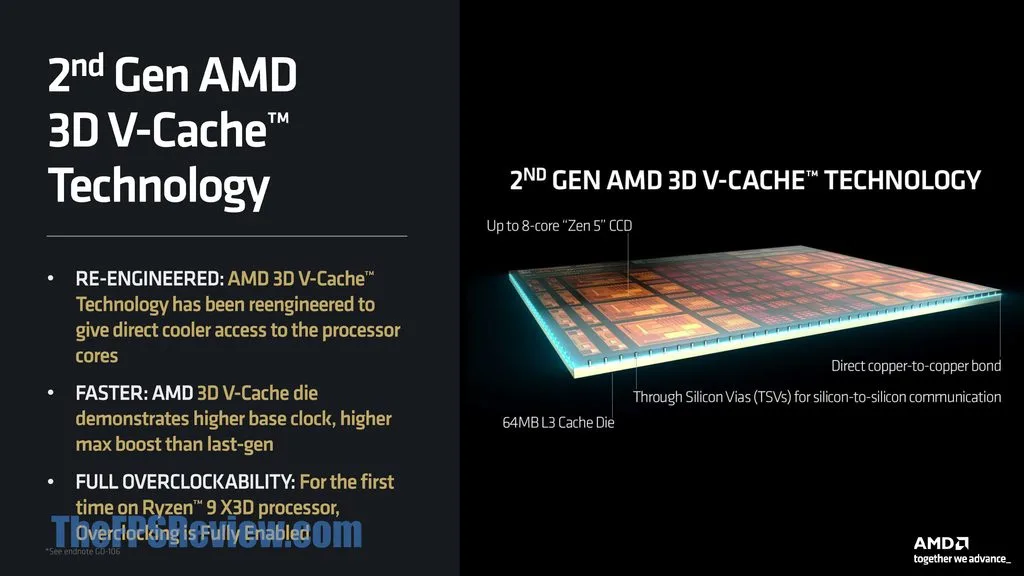
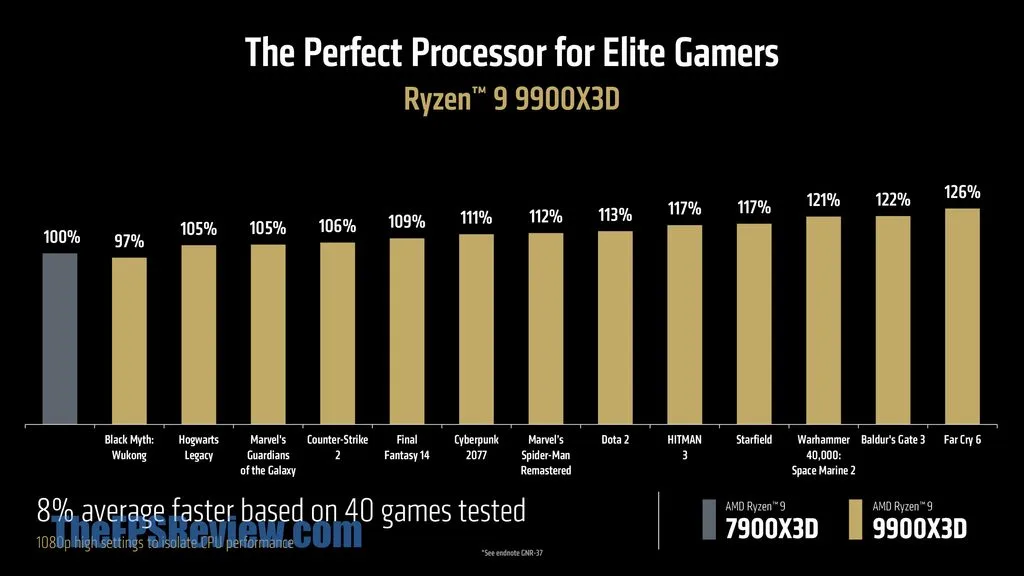
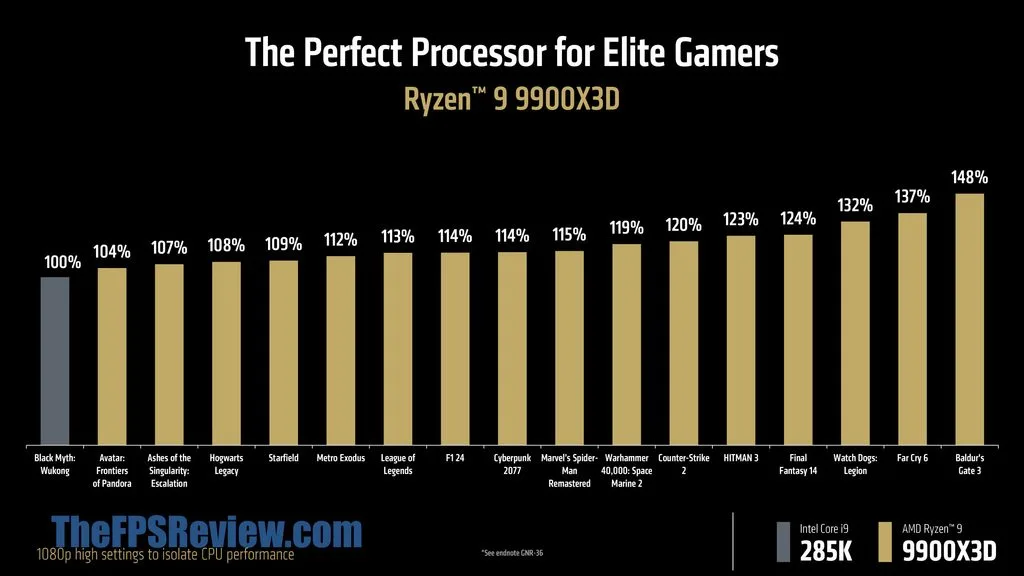
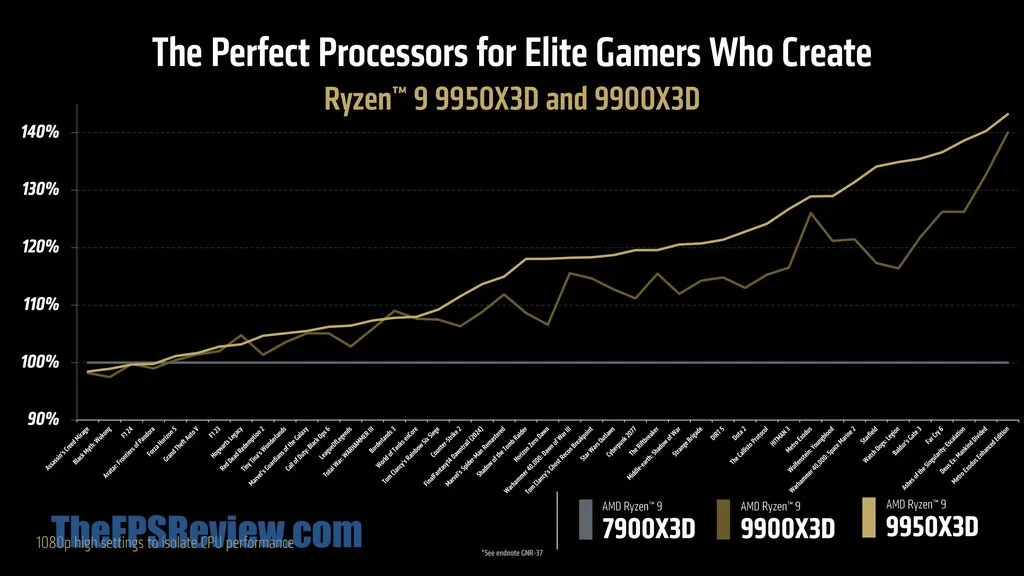
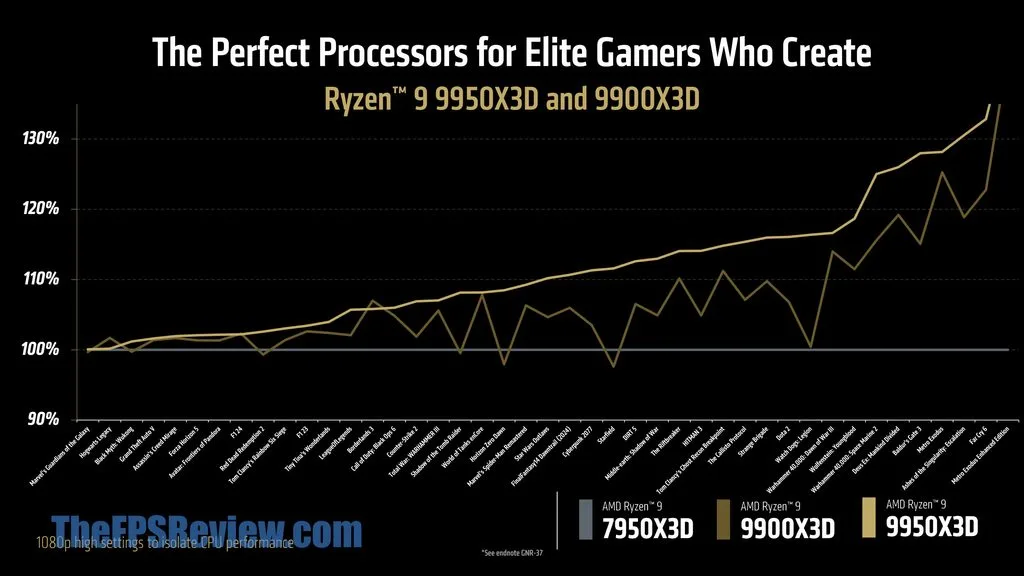
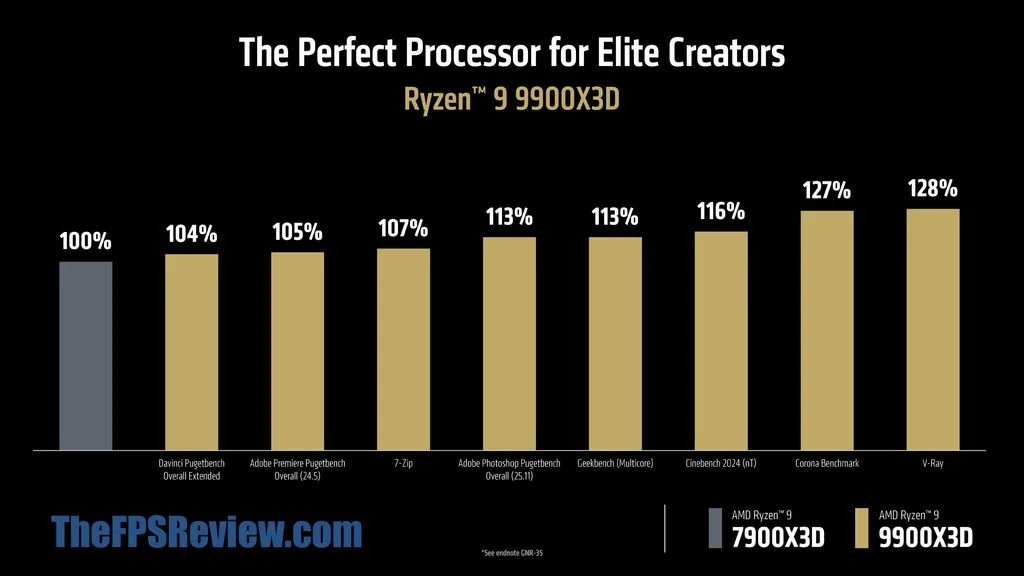
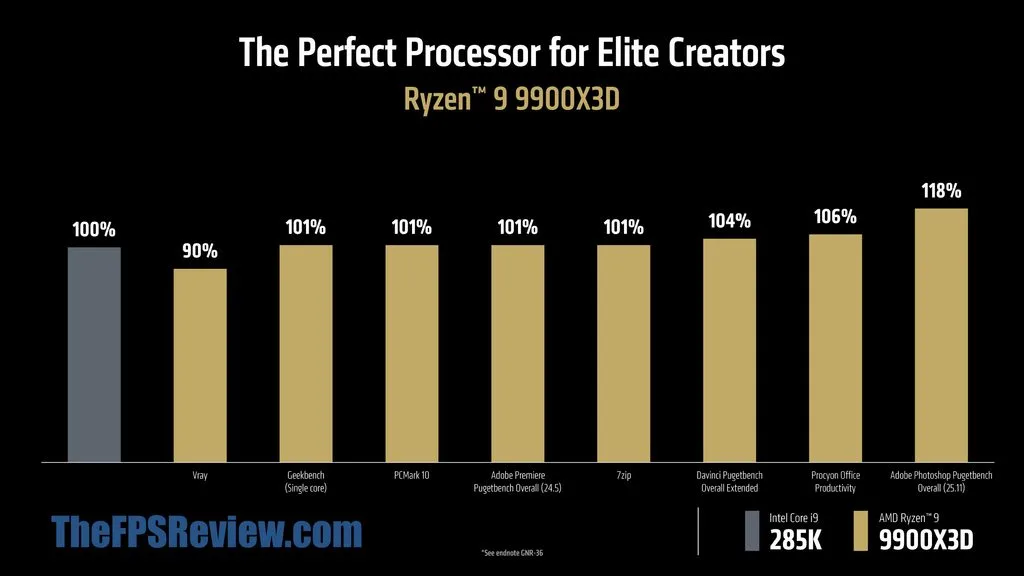
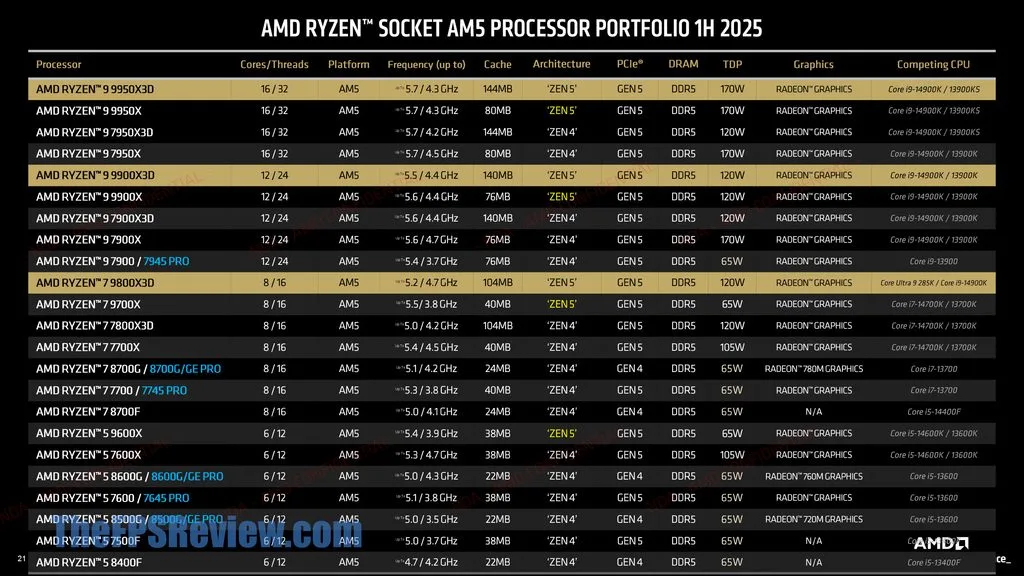
The big thing about the AMD Ryzen 9 9900X3D, and all Zen 5 X3D CPUs, is the use of AMD’s 2nd Generation 3D V-Cache technology. In summary, it is all about moving that cache to a different location. Instead of having it above the CCD die, as it was in earlier versions, AMD has moved it to underneath the die. In this way, the CCD die has better heat exchange with the integrated heat spreader. This will then allow the CPU to maintain higher clock speeds in demanding scenarios, or for maximum burst frequency.
| AMD Ryzen 9 9950X3D | AMD Ryzen 9 9900X3D | AMD Ryzen 9 9900X | AMD Ryzen 9 7900X3D | |
|---|---|---|---|---|
| CPU Family | AMD Ryzen 9000 Series (Granite Ridge) | AMD Ryzen 9000 Series (Granite Ridge) | AMD Ryzen 9000 Series (Granite Ridge) | AMD Ryzen 7000 Series (Raphael) |
| Cores | 16 | 12 | 12 | 12 |
| Threads | 32 | 24 | 24 | 24 |
| L3 Cache | 128 MB | 128 MB | 64 MB | 128 MB |
| Total Cache | 144 | 140 | 76.9MB | 140 |
| Base Clock | 4.3 GHz | 4.4 GHz | 4.4 GHz | 4.4 GHz |
| Boost Clock | 5.7 GHz | 5.5 GHz | 5.6 GHz | 5.6 GHz |
| TDP | 170 W | 120 W | 120 W | 120 W |
| MSRP | $ 699 | $ 599 | $ 499 | $ 599 |
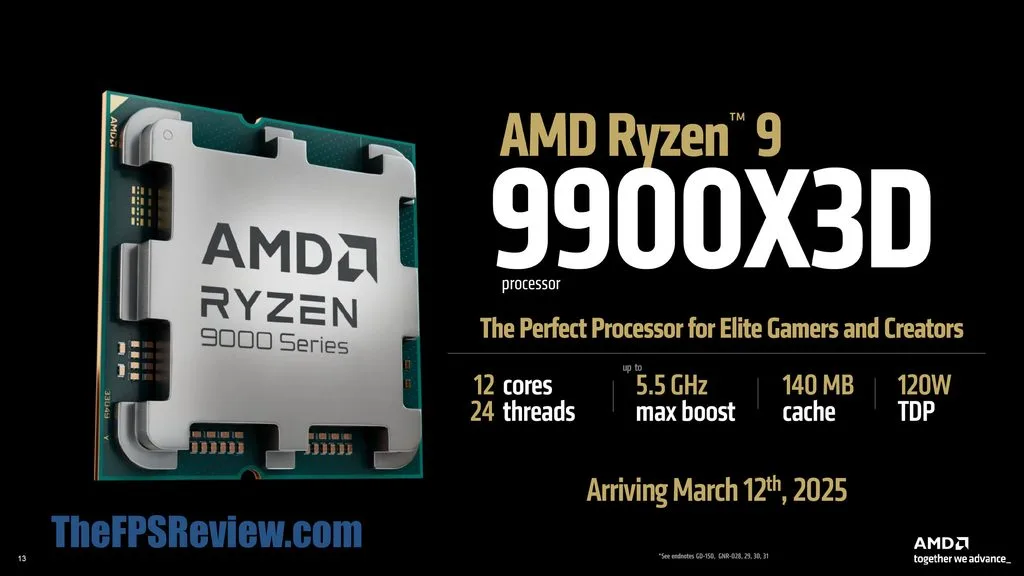
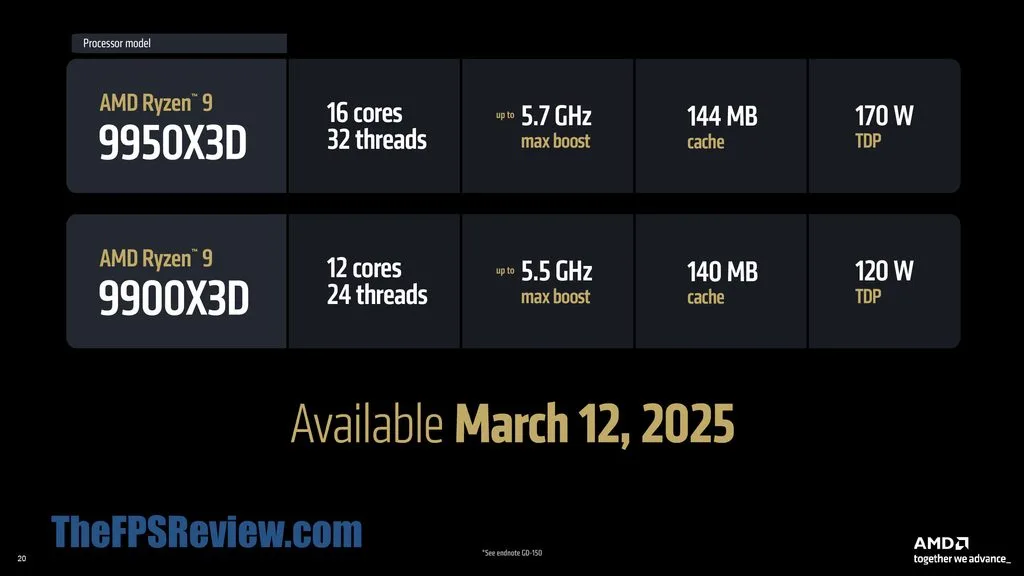
The AMD Ryzen 9 9900X3D is a 12-Core/24-Thread CPU, clocked at a 5.5GHz max boost, and has a total of 140MB of cache on board and a 120W TDP. This is a direct ‘upgrade’ (for gaming) over the AMD Ryzen 9 9900X. For comparison, the AMD Ryzen 9 9900X runs at a 4.4GHz base clock, as does the Ryzen 9 9900X3D. However, the AMD Ryzen 9 9900X3D runs at a slightly lower 5.5GHz max boost clock, while the AMD Ryzen 9 9900X can run at up to 5.6GHz. The Ryzen 9 9900X has a total L3 cache size of 64MB, while the Ryzen 9 9900X3D has an L3 Cache size of 128MB. The total cache size on the Ryzen 9 9900X is 76MB, while the total cache on the Ryzen 9 9900X3D is 140MB. Both CPUs have the same 120W TDP and a PPT of 162W.
If we compare the AMD Ryzen 9 9900X3D to its predecessor, the Ryzen 9 7900X3D, we can see that both of them are very similar in specifications, outside of the architecture difference (Zen 5 vs Zen 4). The AMD Ryzen 9 7900X3D is also a 12-Core/24-Thread CPU and had a launch MSRP of $599 as well. The Ryzen 9 7900X3D has the same 4.4GHz base frequency, but has a slightly higher max boost clock of 5.6GHz. It also has 128MB of L3 Cache and a total cache size of 140MB. The TDP is the same at 120W, and the PPT is 162W.
Naturally, the AMD Ryzen 9 9900X3D has fewer cores and cache than the higher-end AMD Ryzen 9 9950X3D, which sits at the top of AMD’s SKUs at the moment for Zen 5. The Ryzen 9 9950X3D has 16-Cores/32-Threads and is clocked with a faster max boost clock of 5.7GHz. The Ryzen 9 9950X3D also has 128MB of L3 Cache, but because of the added cores, the total cache size is 144MB. The Ryzen 9 9950X3D also benefits from a higher 170W TDP and 200W PPT.
AMD Ryzen 9 9900X3D Installation
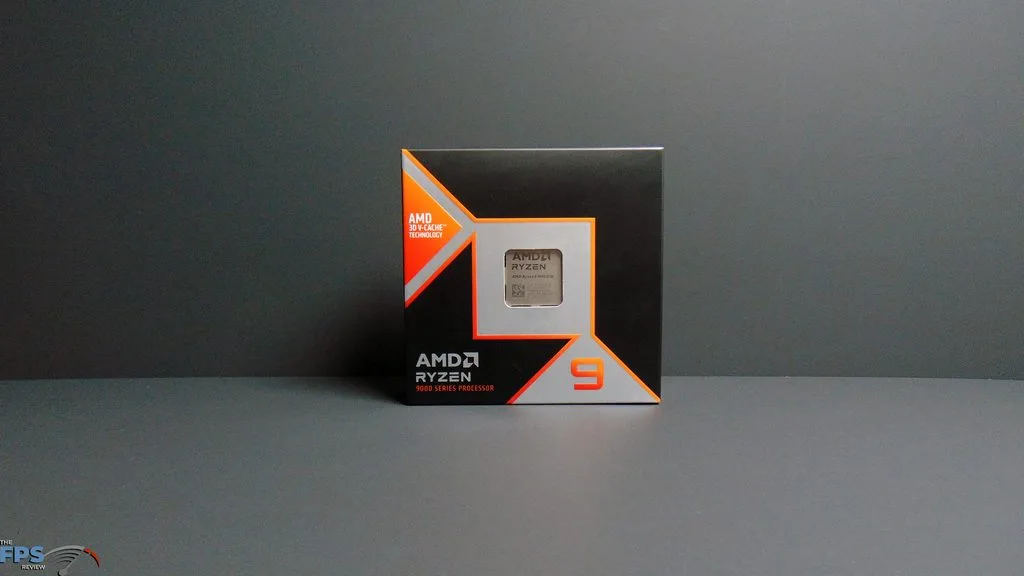
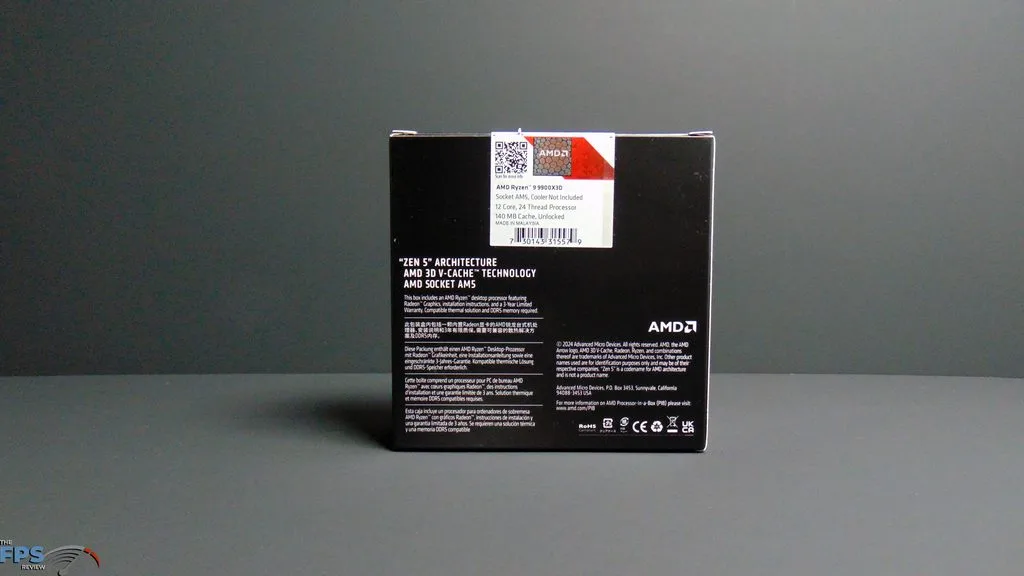
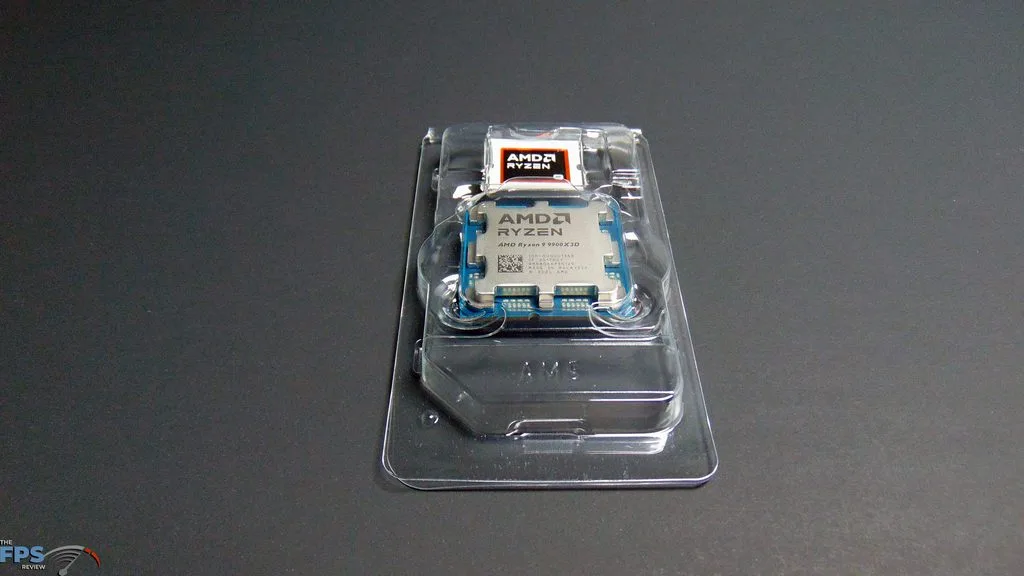
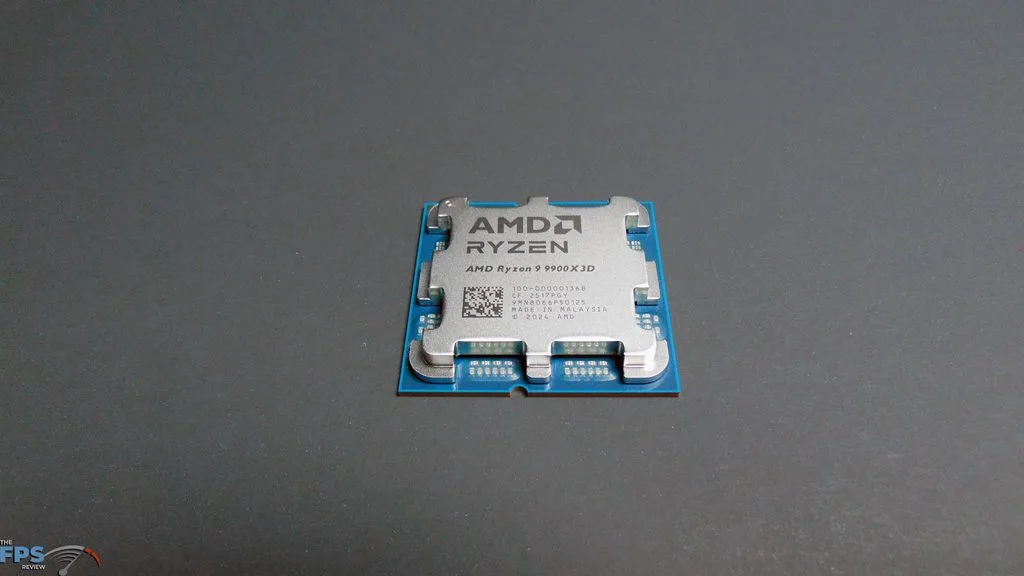
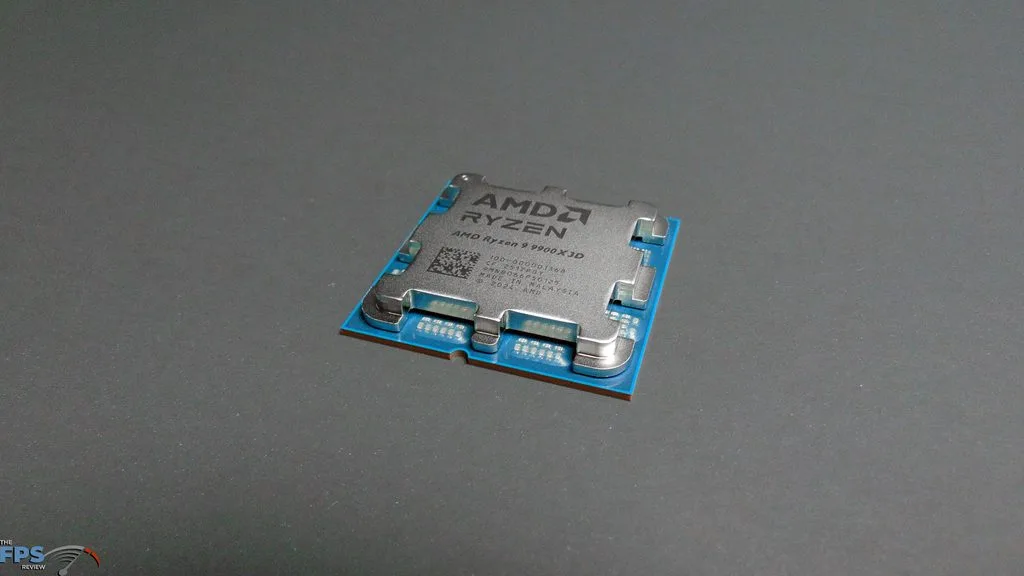
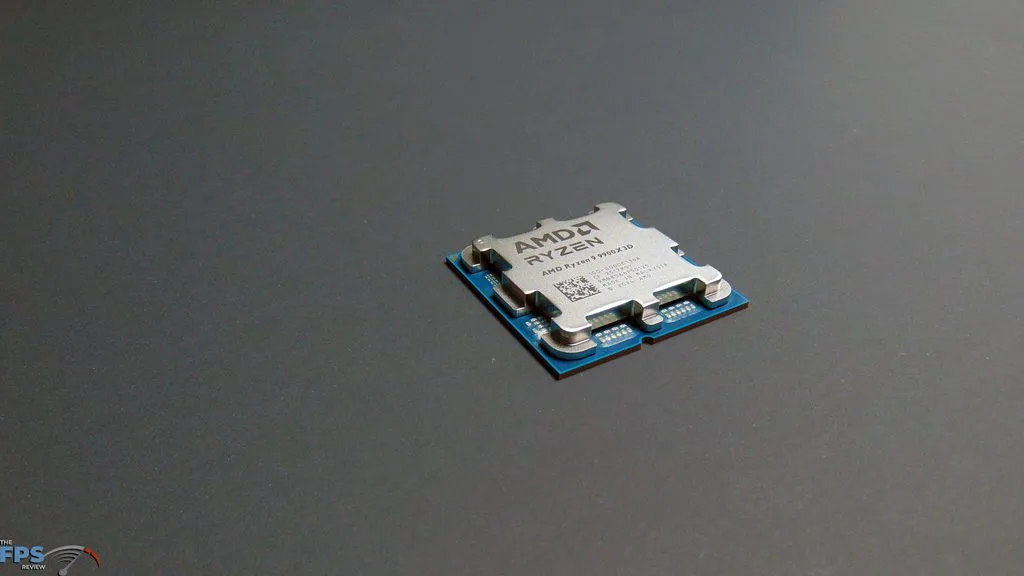
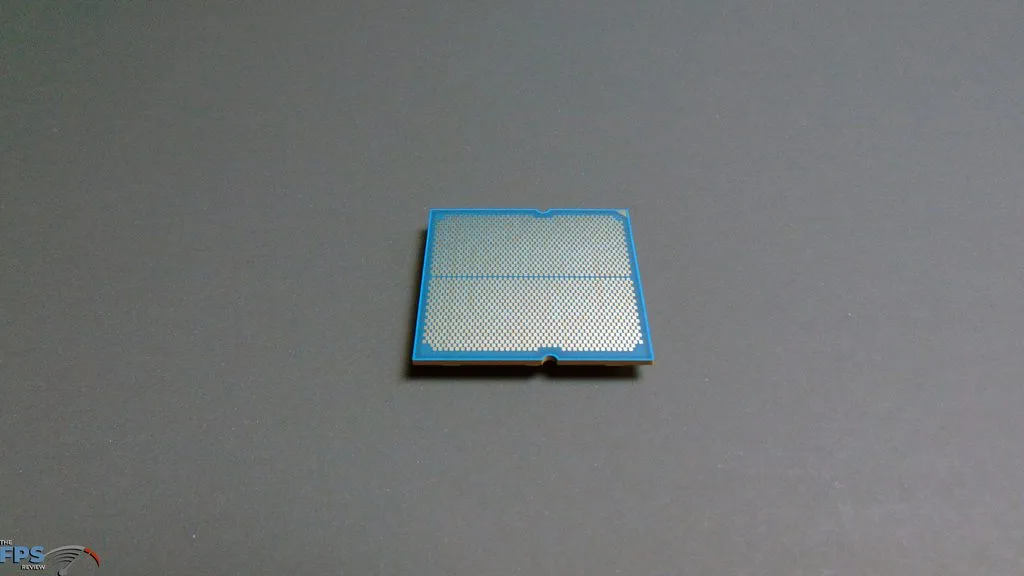
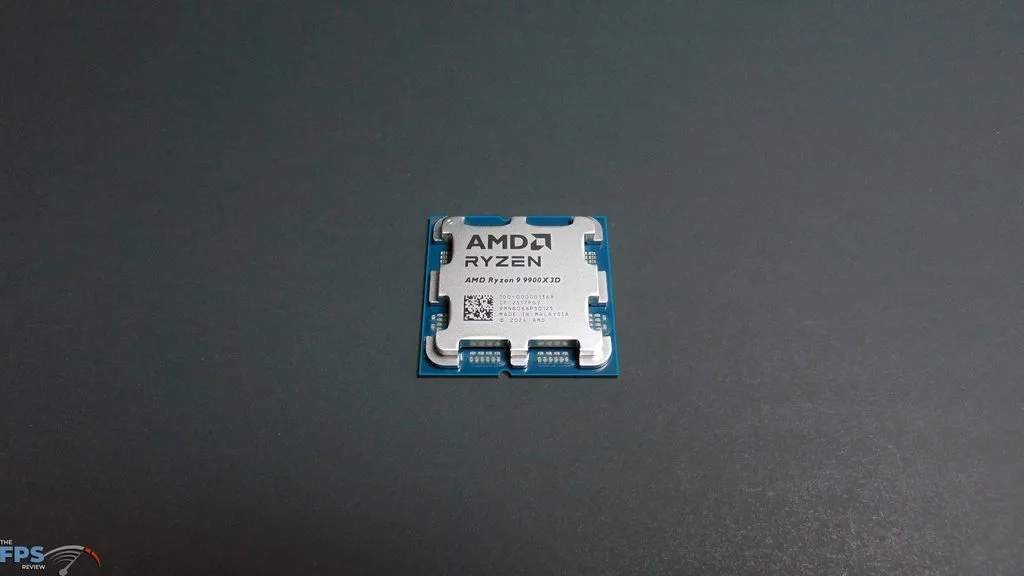
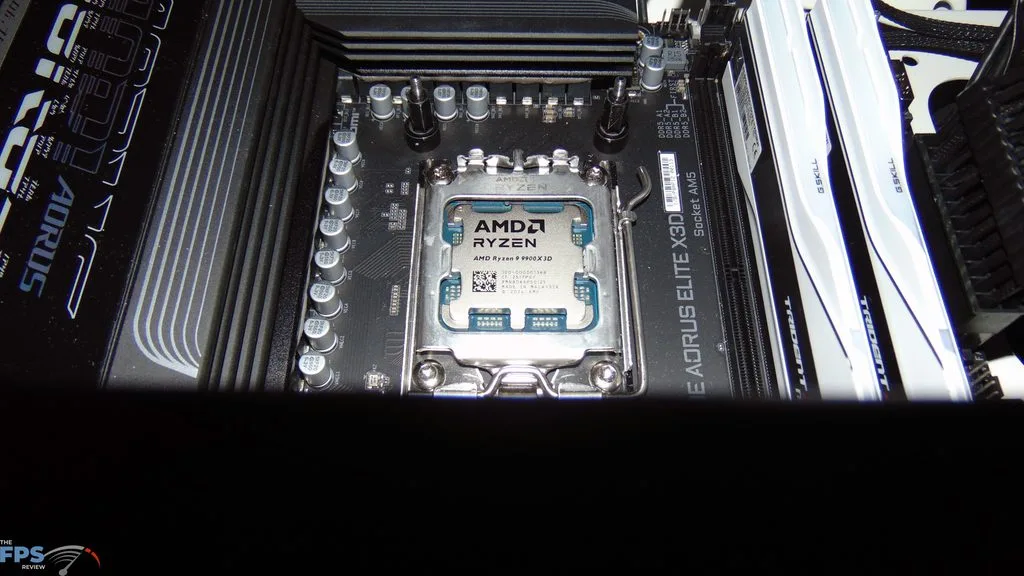
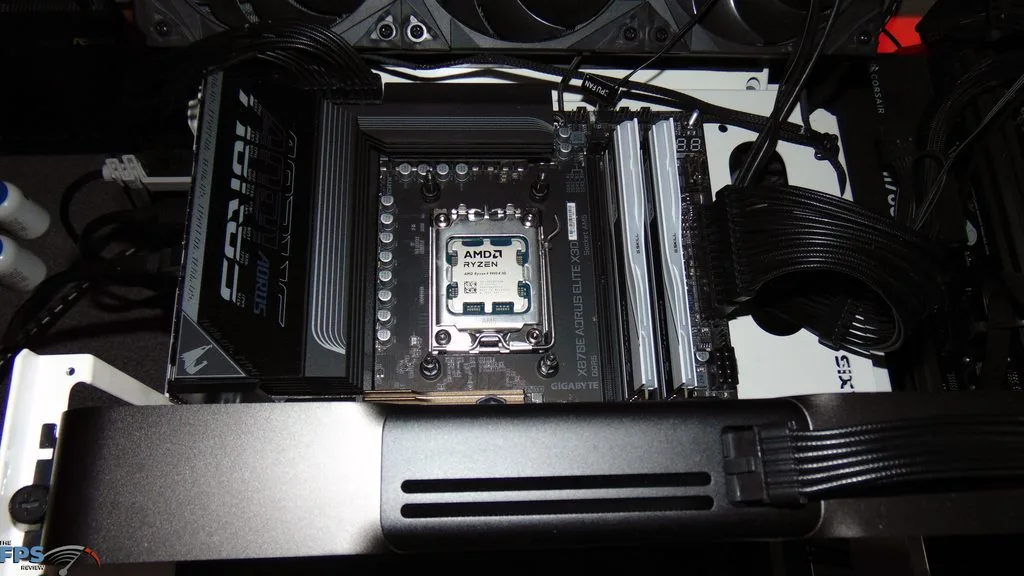
Our retail AMD Ryzen 9 9900X3D arrived in a slim box, with no heatsink or fan included. The CPU is of typical AM5 physical size and socket, and had no trouble installing it or configuring it on our motherboard. Importantly for making sure AMD’s X3D CPUs are working correctly is that we install the latest AMD Chipset drivers, and so we installed version 8.08.12.551 which was the latest version at the time of testing. We also made sure we had the latest Windows and XBOX app updates, and we are now using Windows 11 26H2. We also had EXPO enabled for the memory.
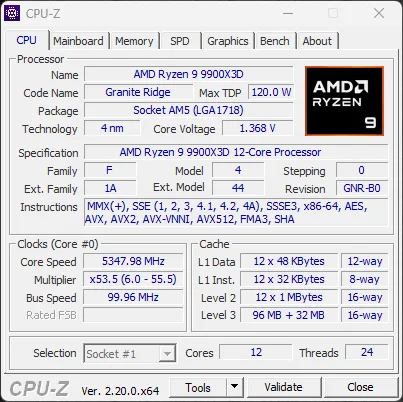
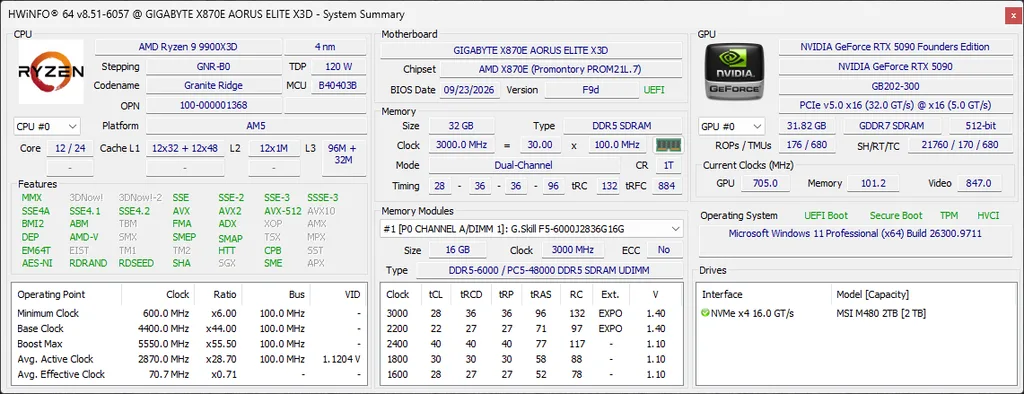
Discussion
Join Discussion →No replies yet. Be the first to reply on the forum.