

Introduction
Ever since AMD launched its Zen 4 architecture and Ryzen 7000 series CPUs, gamers everywhere have been asking about the 3D V-Cache models. It is finally here, AMD is launching its first of the Zen 4 3D V-Cache CPUs today with its AMD Ryzen 9 7950X3D Gaming Processor with an MSRP of $699.99. Both the Ryzen 9 7900X3D and Ryzen 9 7950X3D will be available on January 28th, 2023, however, AMD is only sampling the Ryzen 9 7950X3D for testing today.



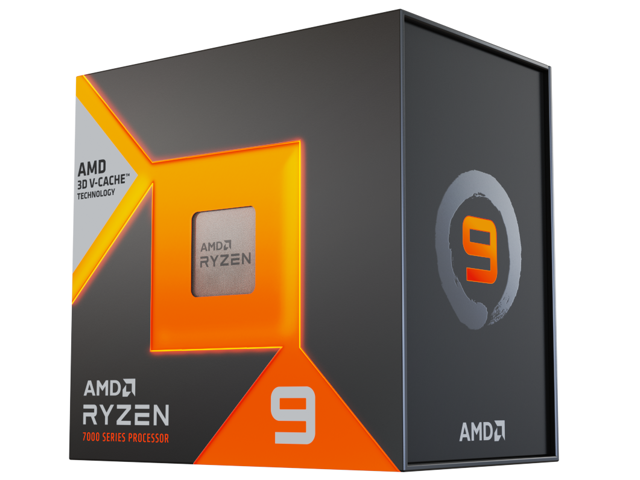
We are going to review the Ryzen 9 7950X3D with a gaming focus in this review. This is a gaming-oriented review of the Ryzen 9 7950X3D, and we will have a separate productivity-focused article to come. To put a focus on gaming, we are going to test the Ryzen 9 7950X3D at 4K, 1440p, and 1080p in 11 games with and without Ray Tracing.
That’s right, we are putting it to the test at all three common resolutions so that gamers will get a broad focus on the overall picture the Ryzen 9 7950X3D paints for gaming. By including games with and without Ray Tracing, and testing with a fast NVIDIA GeForce RTX 4090 Founders Edition video card we think you’ll be armed with all the knowledge you need to make an informed buying decision. The AMD Ryzen 7 5800X3D was a great success, so let’s see how the Ryzen 9 7950X3D shapes up.
AMD Ryzen 9 7950X3D Specs
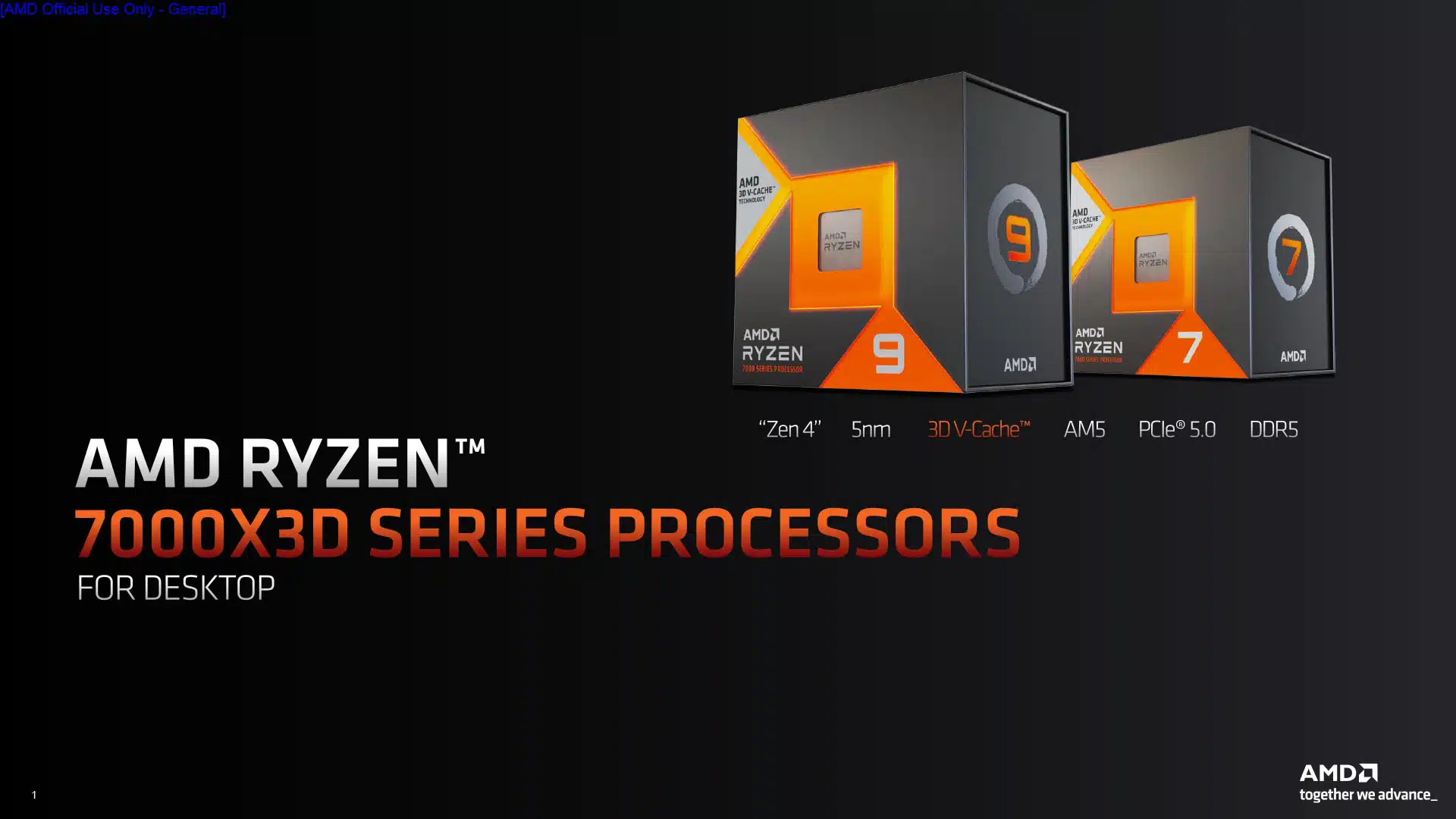
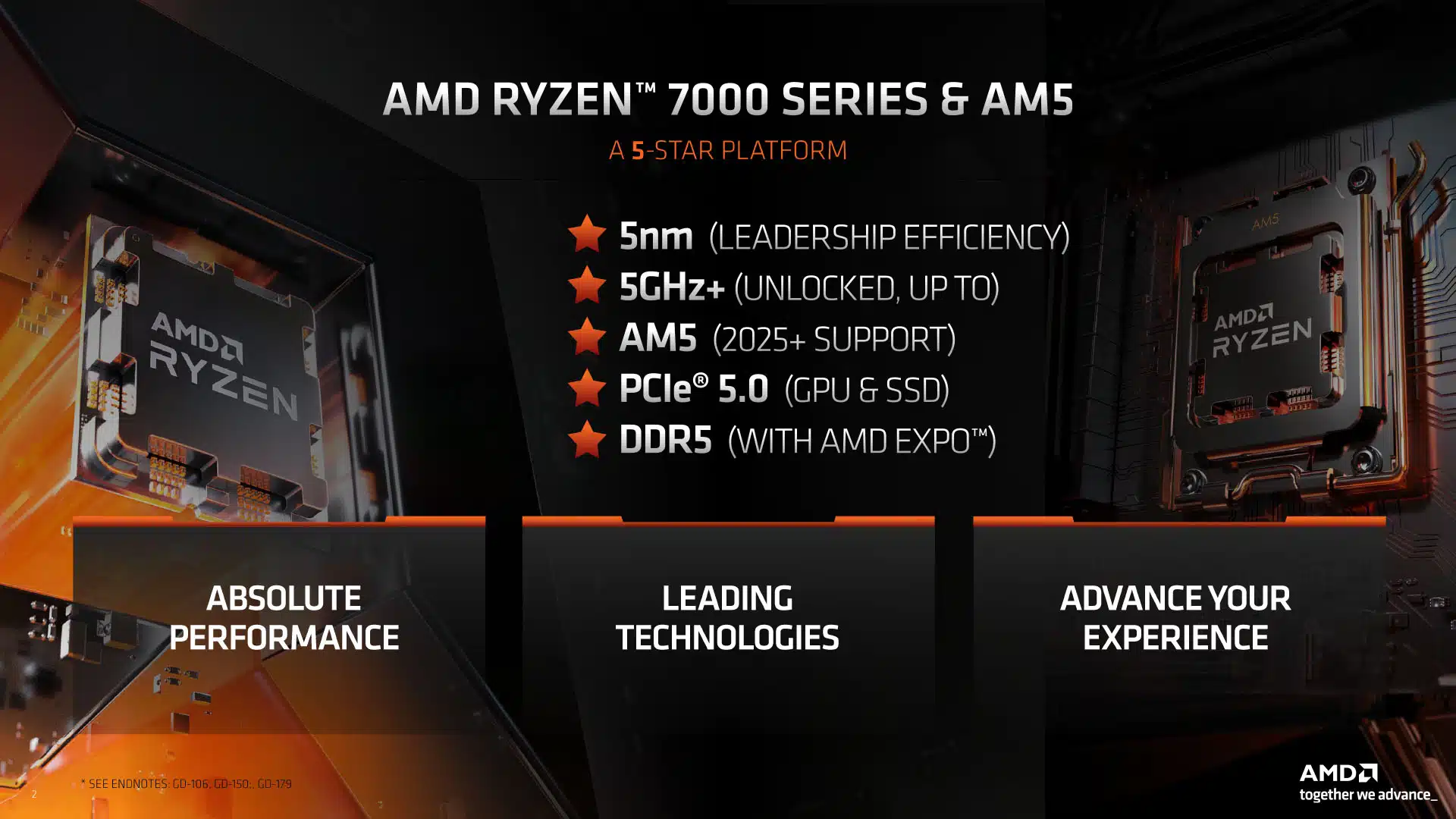
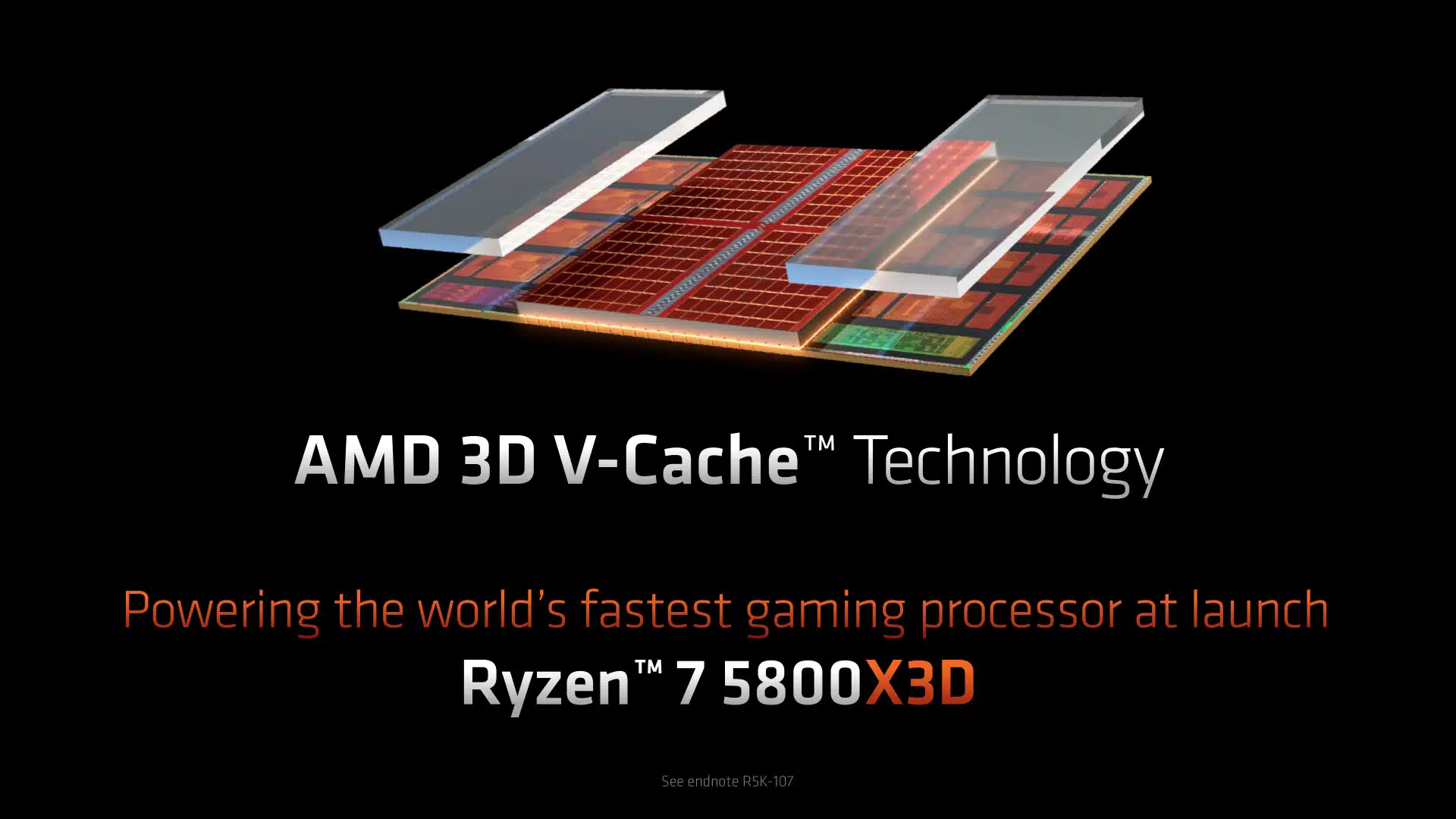
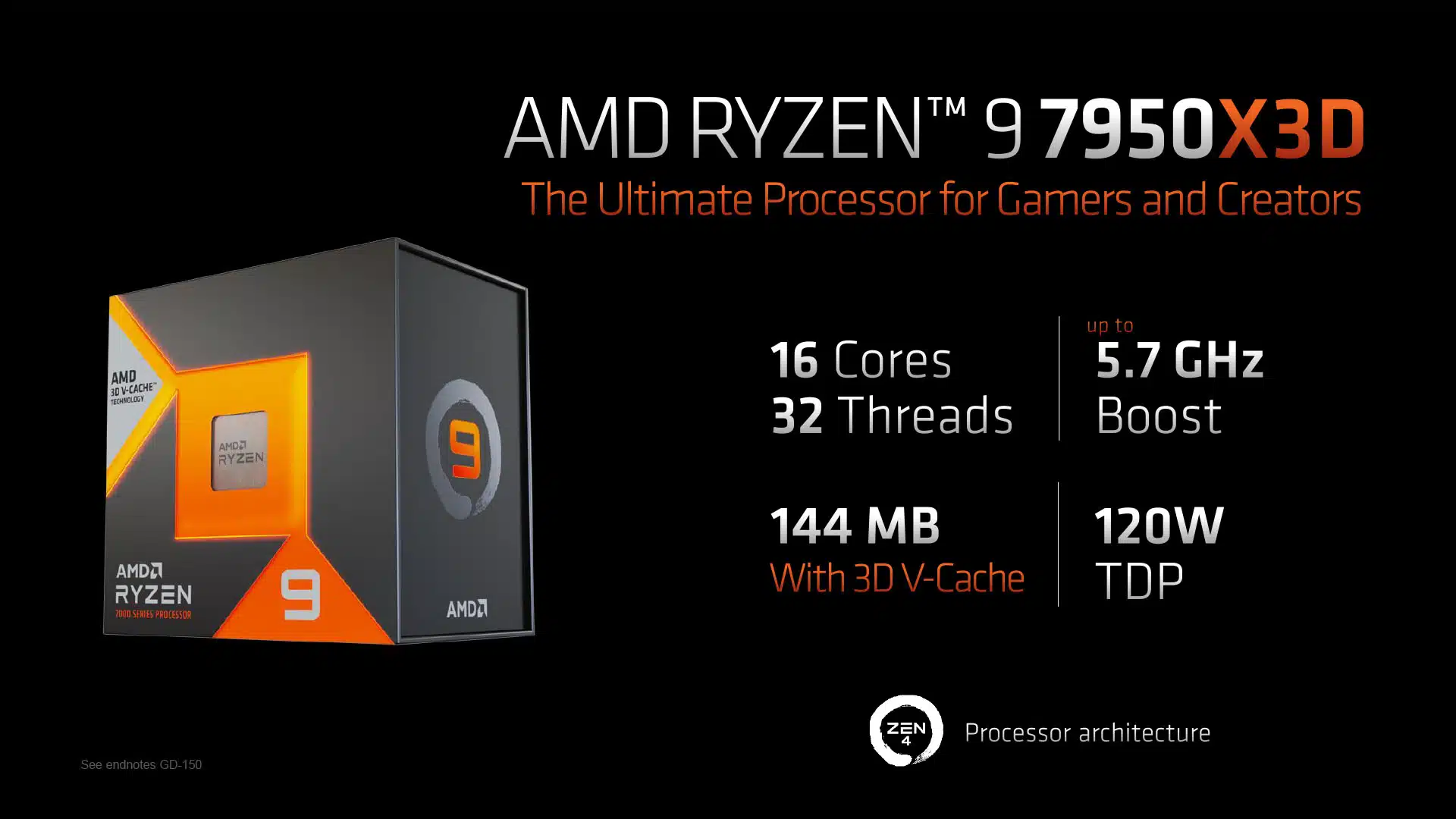
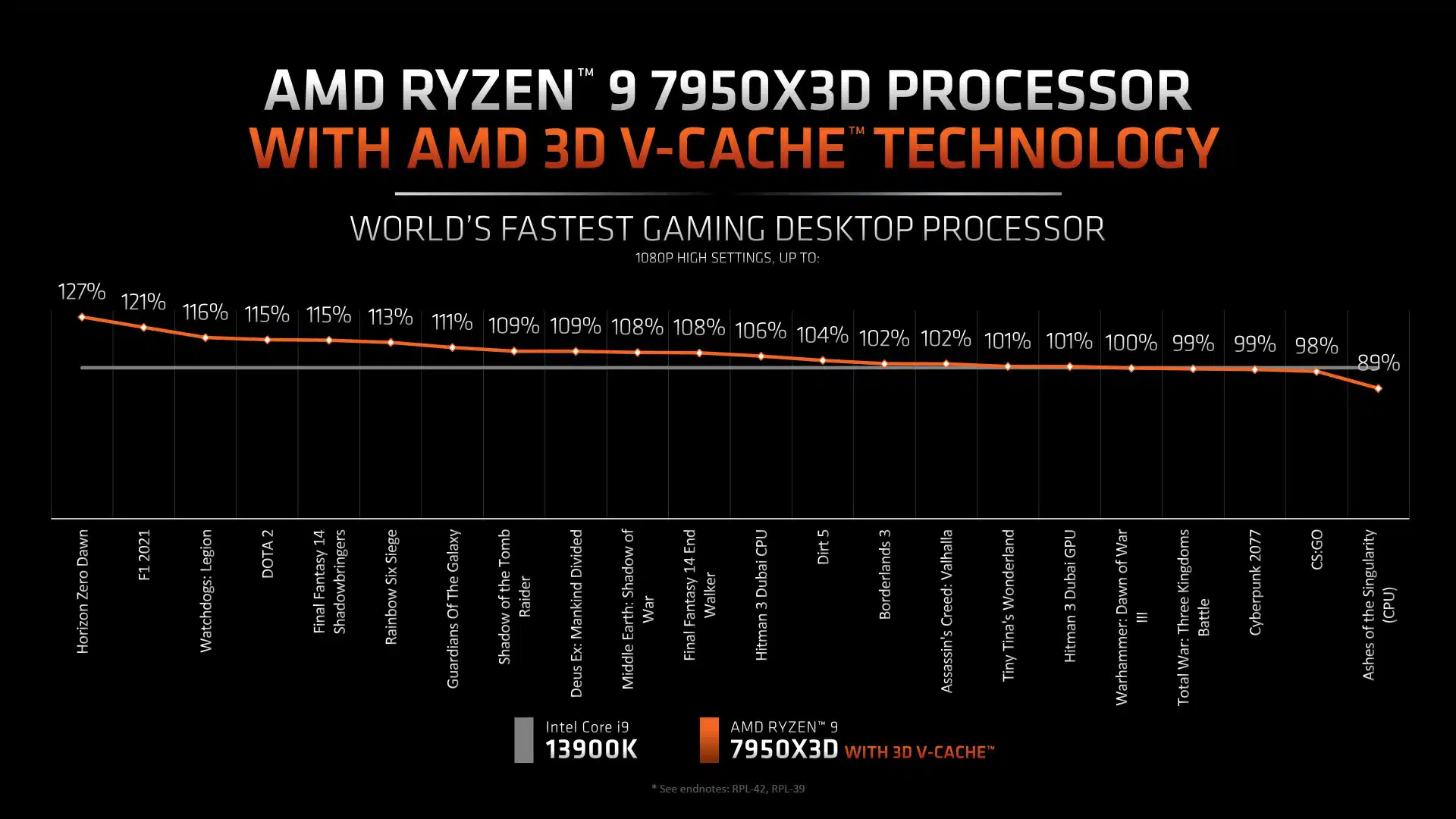
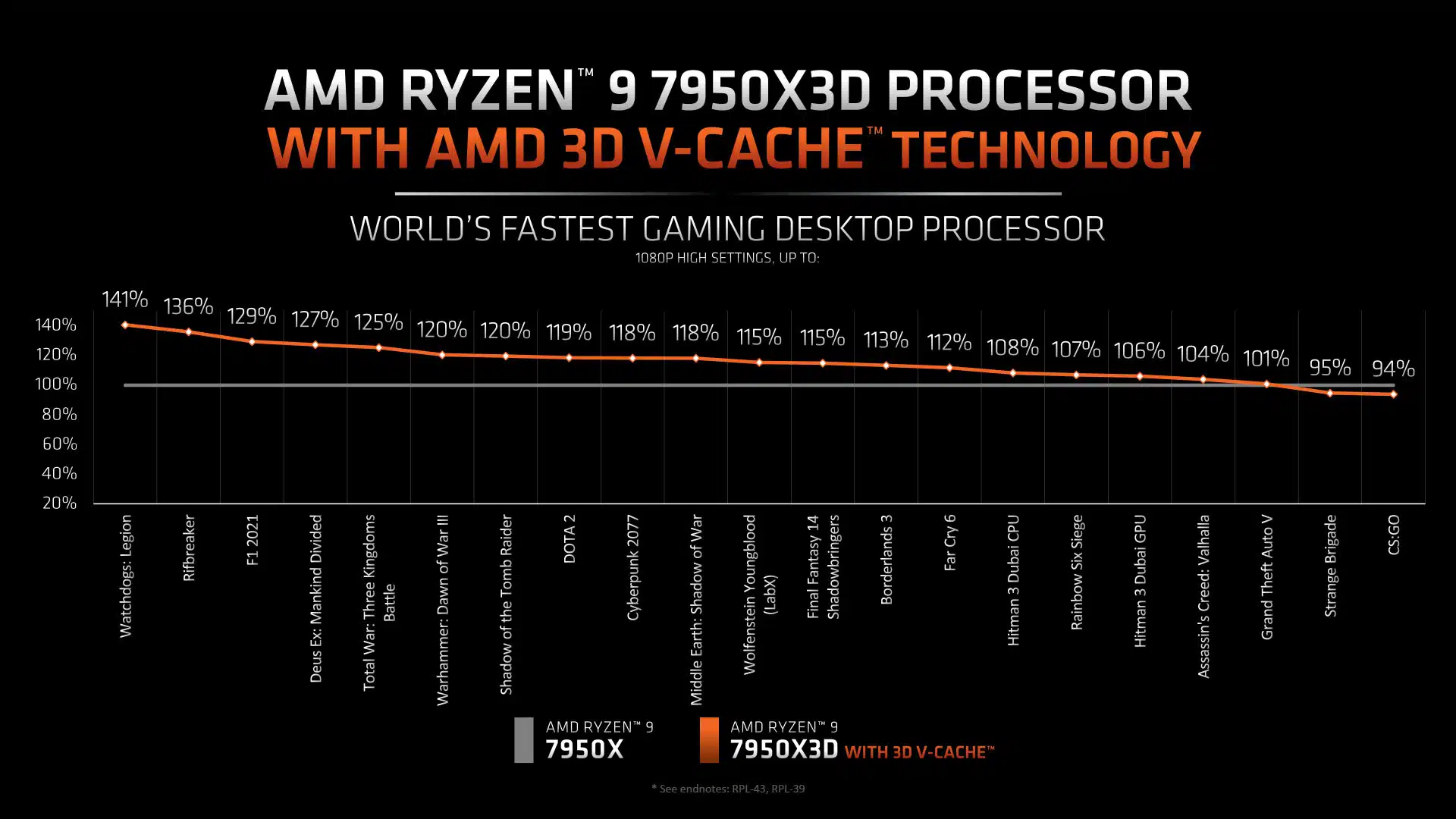
Naturally, the AMD Ryzen 9 7950X3D (codenamed Raphael-X) extends upon the Ryzen 9 7950X and what it already brought to the table based on the AMD Zen 4 architecture. This is the 5nm manufacturing process, AM5 platform, PCIe 5.0, and DDR5 support that all Ryzen 7000 series CPUs share. The AMD Ryzen 9 7950X3D is a 16-core/32-thread CPU that can boost up to 5.7GHz and has 144MB of total combined cache with 3D V-Cache and a TDP of 120W. For comparison, the AMD Ryzen 9 7950X is a 16-core/32-thread CPU that can boost up to 5.7GHz and has 80MB of total combined cache with a TDP of 170W.
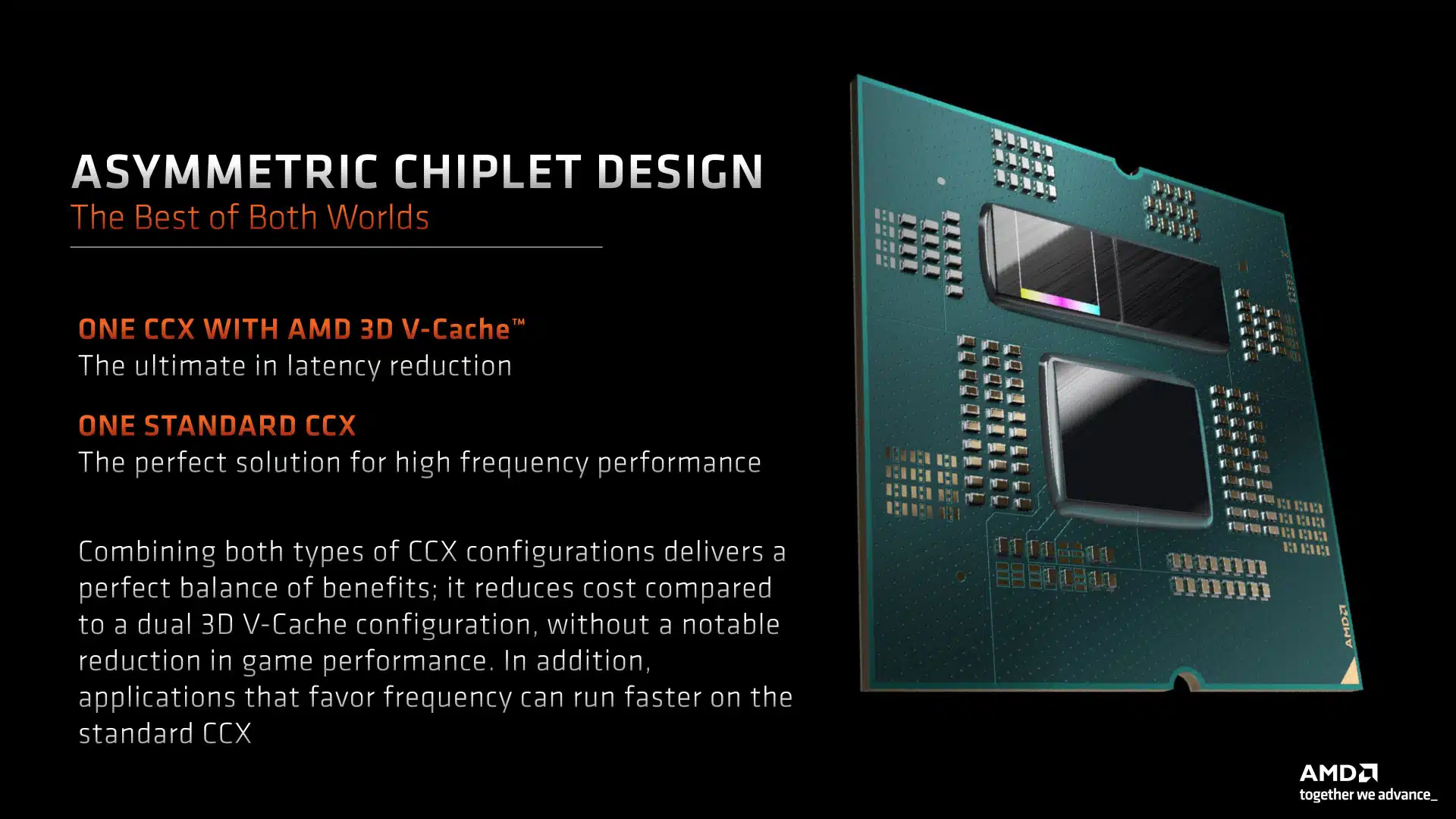
AMD Zen 4 3D V-Cache on the Ryzen 9 7950X3D works in a unique way AMD calls Asymmetric Chiplet Design. In this implementation of 3D V-Cache, the V-Cache only exists on one CCD while the other CCD is the standard implementation. This allows the CCD without 3D V-Cache to run at the intended boost clock frequency. When an application favors frequency, it can run on the standard CCD, and games can run on the CCD with 3D V-Cache, as long as Windows manages this correctly.
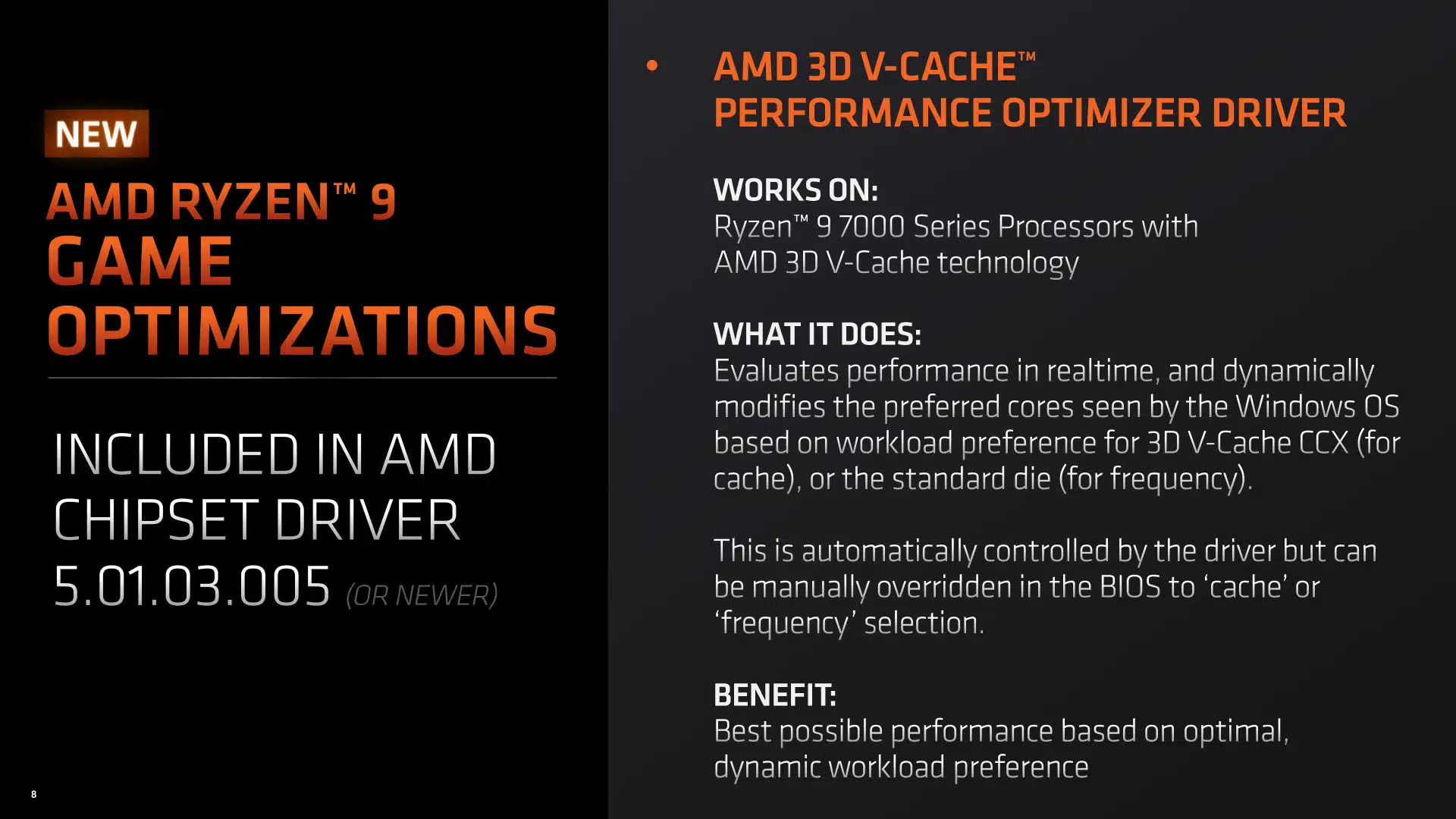
How Windows is going to manage this comes down to software implemented by AMD via an SBIOS update and its chipset drivers. The AMD Chipset drivers will include new software called AMD 3D V-Cache Performance Optimizer Driver. This driver evaluates in real-time and dynamically modifies the preferred cores seen by the Windows OS based on workload preference.
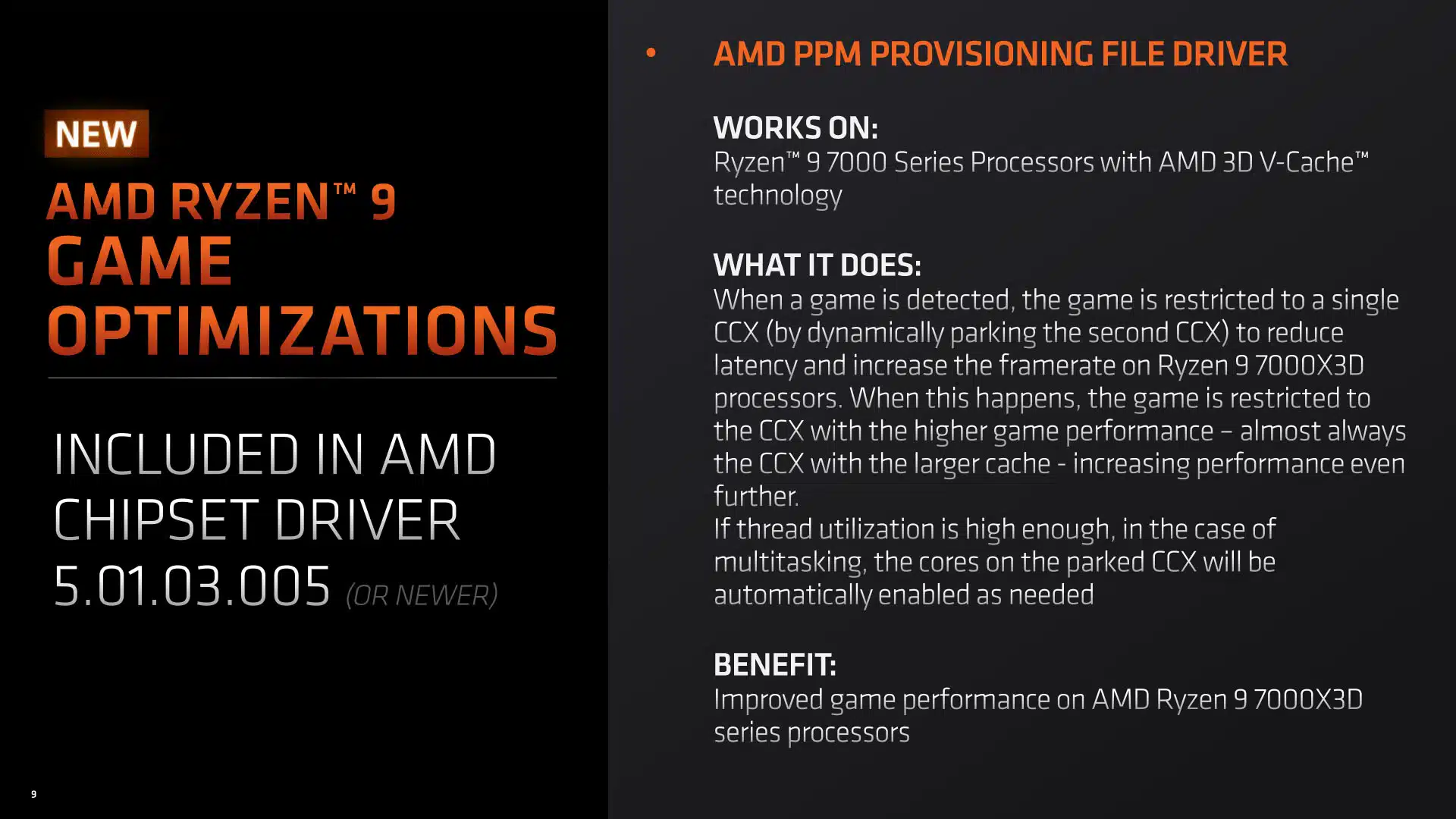
There is also another component to this called AMD PPM Provisioning File Driver which will also install with the AMD Chipset drivers. When a game is detected, the game is restricted to a single CCD by parking the second CCD to reduce latency and increase performance. The game should then be restricted to the CCD with the higher game performance, almost always the CCD with the larger cache. If utilization is high enough, the cores on the parked CCD will be automatically enabled.
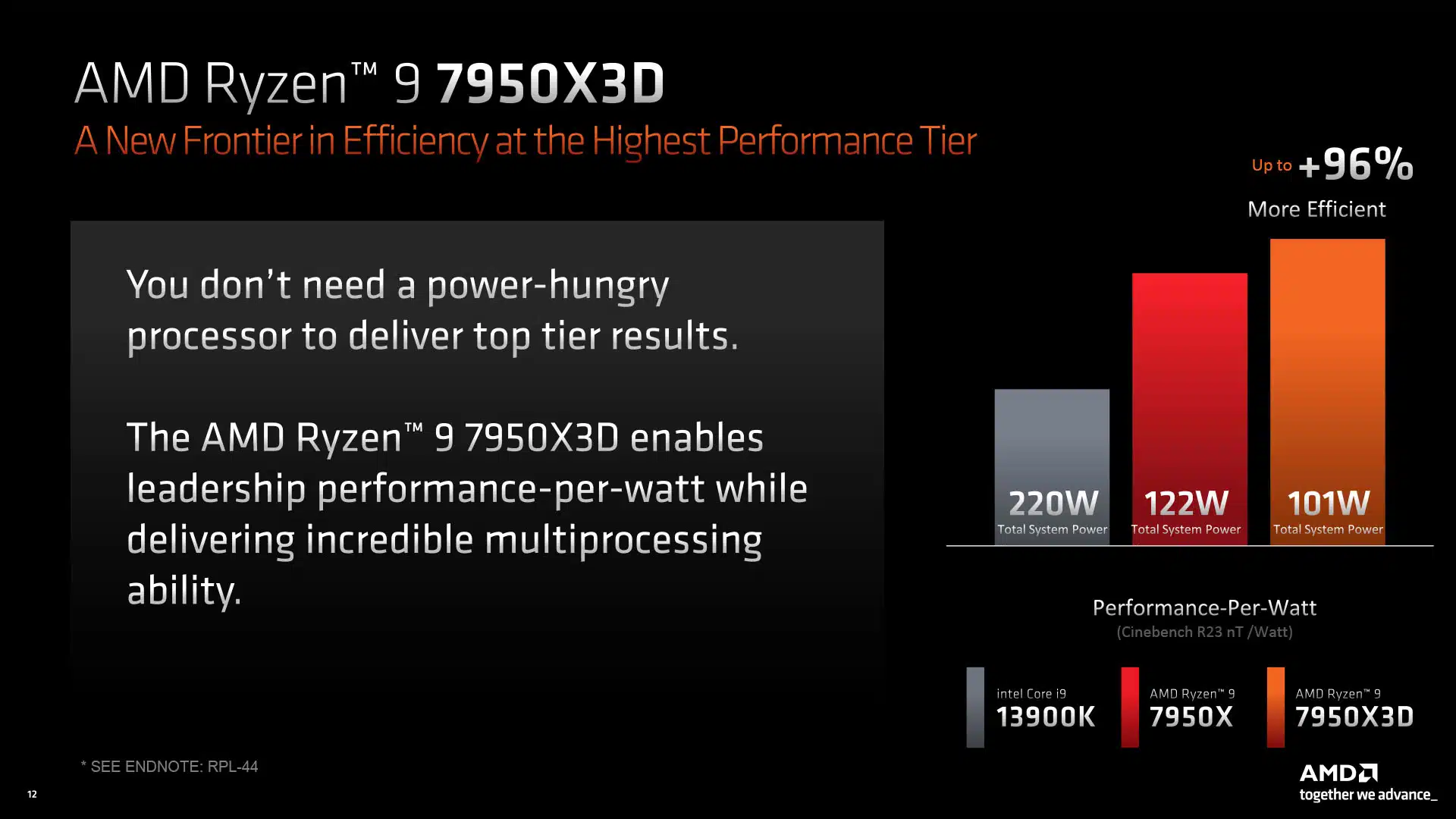
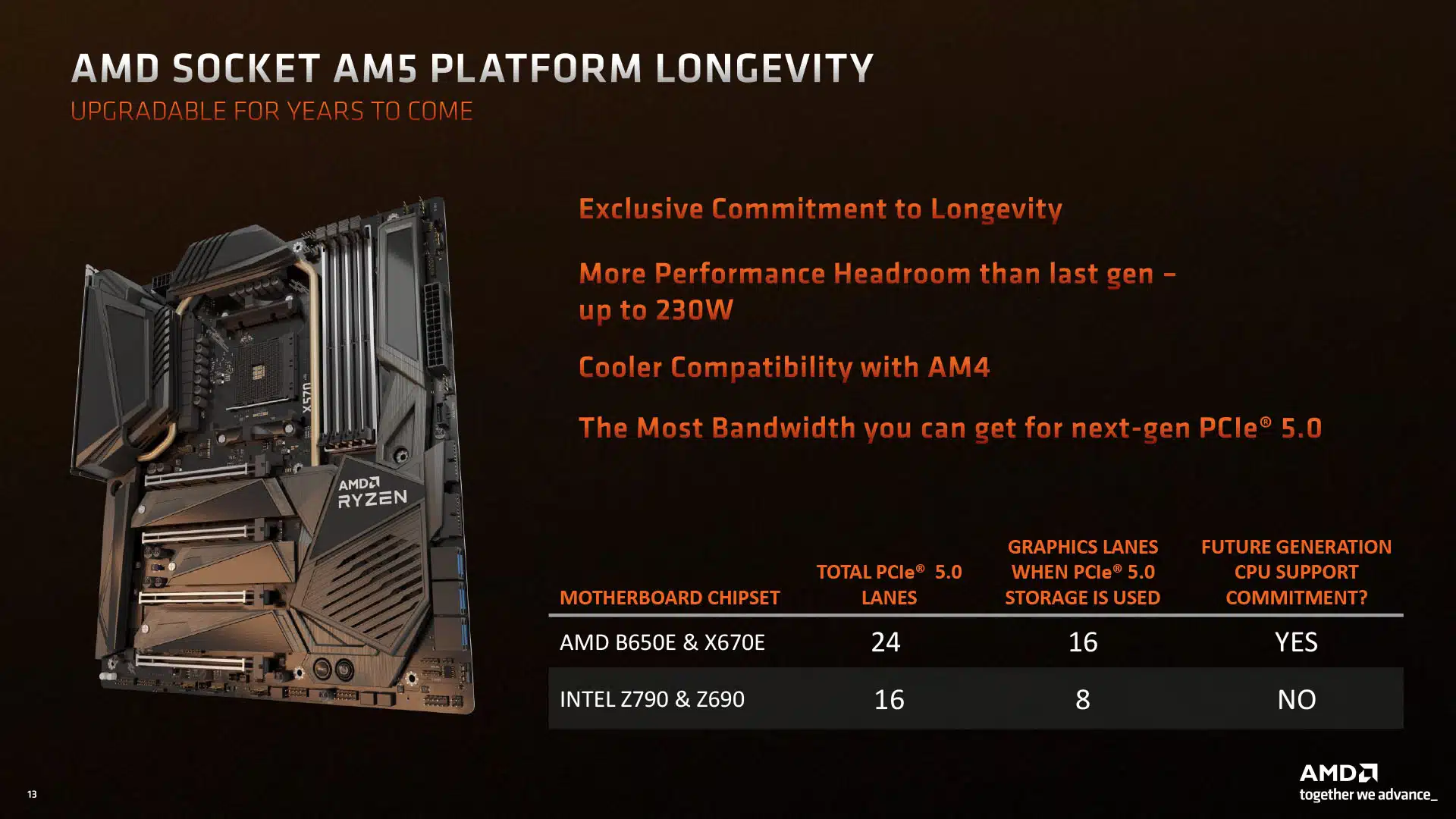
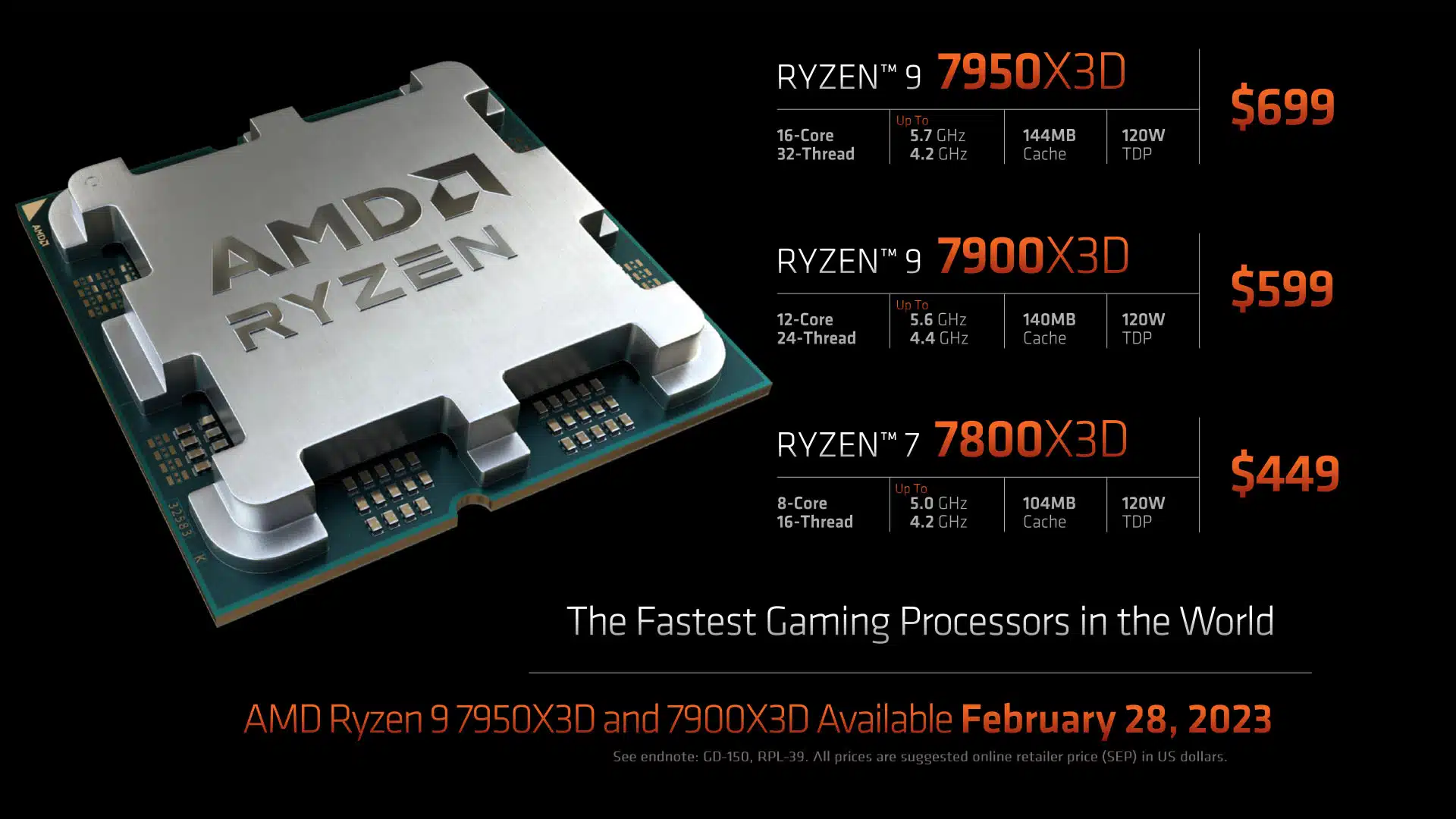
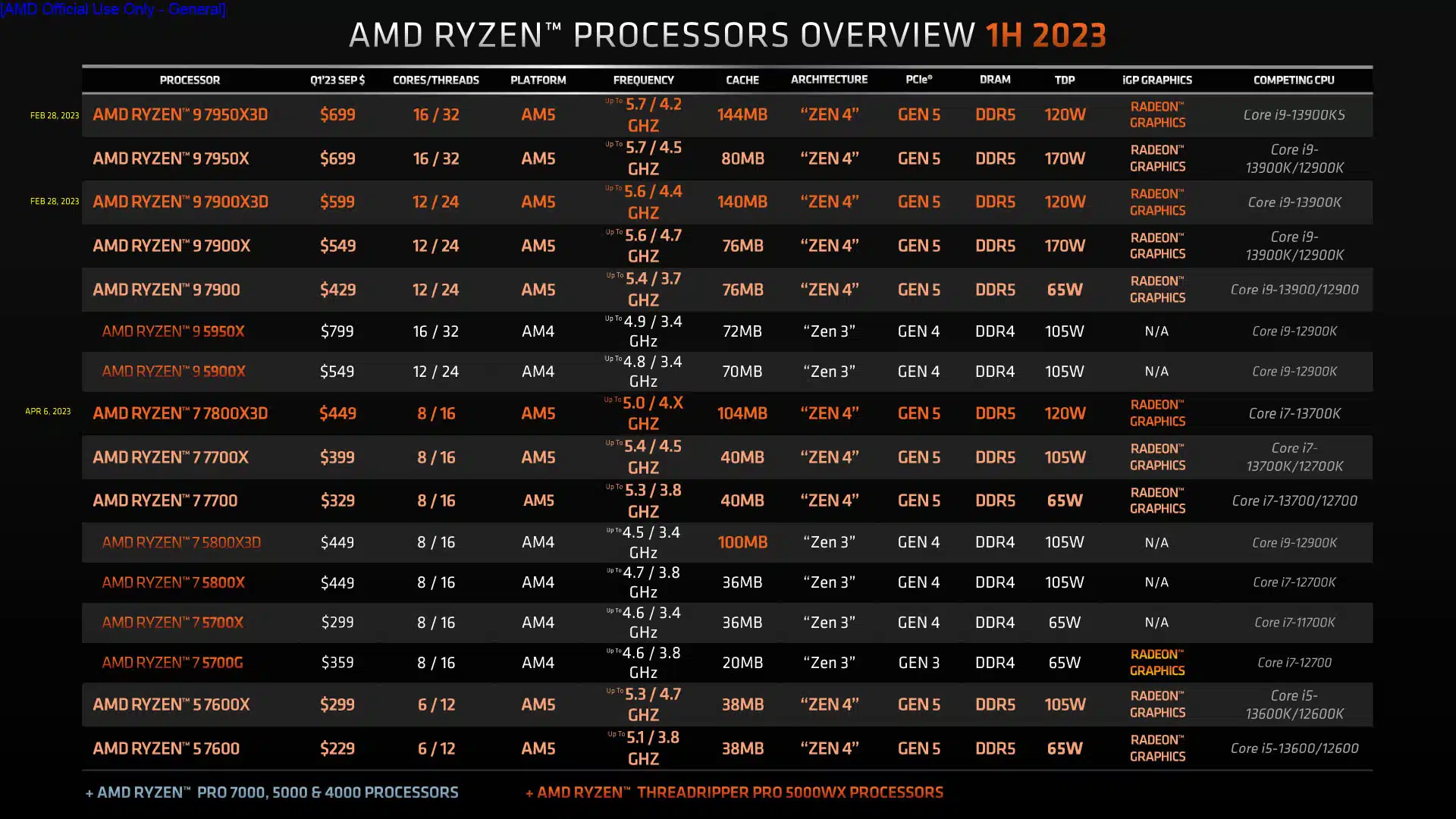
AMD is putting the Ryzen 9 7950X3D at $699.99 MSRP, and officially it is keeping the Ryzen 9 7950X also at $699.99. However, recent prices as of this writing have the Ryzen 9 7950X available at around $599 (Newegg / Amazon) or slightly lower.
Important Note about Performance Reviews Across the Web on 7950X3D
One of the things to be aware of is that the reviews you see in regard to Ryzen 9 7950X3D could vary in results wildly. This is due to a few possible reasons. The first difference will be game choice. Some games benefit more than other games when it comes to 3D V-Cache performance improvements. That is why we are using 11 games today, to give a broad perspective. The other issue will be GPU used and tested game resolution. If you are GPU-bound, you won’t see much difference, if you are CPU bound, you might, depending on the game being used. These are obvious concerns, but worth noting as you read reviews around the web and compare them with our results. Some more not-so-obvious differences that might arise that will now affect results are as follows.
It is possible XBOX Game Bar did not get updated properly, and some games aren’t getting recognized properly for X3D to work efficiently. We will talk about the XBOX Game Bar KGL update necessity on the following page. It is also possible there are bugs or issues with the CCD partitioning optimizations in place by AMD that have to be ironed out and optimized further. Some games may not be behaving correctly. Finally, it is strongly recommended to benchmark 7950X3D with a freshly installed Windows installation and games so that the games can run their pre-computed shader optimizations again on the 7950X3D CPU. If these things are not done properly, or there are game issues and optimization issues, results can and will be different across reviews.
For our review today, we have updated XBOX Game Bar completely to the latest version KGL 2225. We have formatted our drive and installed Windows 11 freshly on the 7950X3D CPU with all Windows updates. We have installed the latest AMD chipset driver as provided by AMD for 7950X3D. We have installed each game freshly on the 7950X3D and allowed them to run their shader optimizations at launch, to optimize shader compilation for the 7950X3D CPU. We have disabled Virtual Based Security. We have Game Mode On. We have Resizable BAR on.
If reviewers have ported their drive from one platform to another, or one CPU to another, for testing, results may not be favorable toward the 7950X3D. We did not do this, all of our CPUs and platforms have fresh installations of Windows and games on that platform and CPU. We did see an issue where a freshly formatted Windows and new game installation on the 7950X3D resulted in better performance than if we migrated Windows from one CPU to another. We wanted to put this section up front here so that we can be very transparent about our testing configuration so you know what you are getting with our results and know that we strived for the absolute best result.
Discussion (19 replies)
Join Discussion →Thank you Brent for the wonderful article. Kinda glad I stuck with my 7700X for my office machine. It's a very nice CPU for what I use it for. Going with the 7800X3D wouldn't be that much of a bump at all it would seem.
We don't know how the 7800X3D will be yet. Considering it only has 1 CCD to worry about, it could be much more efficient, with less latency, and just the bees knees ?♂️ My prediction will be it will be very power efficient. I do worry about the frequency difference, however, for productivity.
Seems like if you're already on a 5800X3D it's not much, if at all, an upgrade. At least for gaming at 1440 or 4K.
Thanks @Brent_Justice for the great review and now I can't wait until the one for the 7800X3D.
I forgot to bring this up in the review, so I'll add it here:
This CPU may potentially not be a good CPU for multi-tasking while gaming, for example, streamers or content creators recording gameplay and streaming at the same time. Since it parks cores while gaming, this could potentially reduce the multi-tasking ability while gaming. Streaming and recording performance could be affected. The entire point of a 16-core CPU could be compromised under such circumstances. My addendum to this is that I have not tested this scenario, and I have no proof that this is true. It is a theory and subject worth discussing.
Really looking at this cpu/motherboard/ram upgrade requirement to come from a previous gen... this gen just feels like a skip for me. My 5900x is trucking along just fine and not feeling like a bottleneck at 1440p at all.
The power usage is the most impressive part but other than that it is a bit of a meh. Why spend the cash to help AMD and MS beta test this scheduler stuff in win10/11? Much like with e-cores of 12th gen Intel last year.
Power usage is impressive, but are we really impressed? It's turning off cores, and running at lower frequencies, and is capped at a lower temp of 89c, and has a lowered TDP, should a lower power profile really surprise or impress under those circumstances? If it could maintain the same clock as 7950X, and keep all cores running at the same time, and still have less power, I'd be more impressed by that.
Minimum FPS always determines playability. In games that benefit from the added cache, the 5800X3D showed much of its benefit in min FPS. We can't draw a conclusion on Zen4 X3D without mins.
I wonder how much MS paid AMD to gimp their CPU by making it rely on XBox Game Bar. Inexcusable.
I think this will depend significantly on what 'streaming' means. The combination of layout tools, audio tools, endpoints, GPU hardware and GPU acceleration used, all would factor in.
For the 'pros', having only eight cores enabled while streaming is probably not going to be an issue. They'll have a workflow set up that leverages hardware processing before (audio equipment with DSPs for major processing steps, to limit VST use in OBS, for example), and after (using an external/secondary box for recording and streaming live). For these folks quality, ease of use (though not necessarily setup and troubleshooting), and reliability are paramount.
If there's a limitation to be found, I expect it to be found first by those trying to do all of this on the same box, 'in the box'. I'd balance that with the knowledge that a 7600X is plenty fast for 'gaming', so a 7950X3D with one CCD disabled or the future 7800X3D will both probably have enough grunt to spare, especially if GPU encoding is leveraged properly.
Since AMD is able to keep performance up while reducing power usage - well, that's impressive. They did so while adding cache and increasing complexity.
Granted there's a pretty clear line drawn from decreased clockspeeds and voltages to lower power usage, and it looks like the 3D V-cache CCD is being binned for lower leakage, which should result in better efficiency at lower clockspeeds. So not inexplicable, but going in the right direction.
No need for conspiracy theories - AMD has been open about working with Microsoft to implement appropriate scheduling behavior for games on their dual-CCD parts that have one 3D V-cache-bearing die. From the benchmarks we've seen, while not perfect at launch (what is?), the solution is certainly working as intended, when it's working as intended.
Also note that AMD needs a software-based solution, since their scheduler isn't implemented in hardware (like Intel's P+E core solution), and that Intel still needed to work with OS developers to ensure that the P+E core arrangement was also supported.
For a personal example, while trying to run the FSPR Handbrake benchmark, I found that my 12700K running on Windows 10 last year would not properly schedule the Handbrake encode. This resulted in performance over an order of magnitude slower than expected, and I begrudgingly upgraded to Windows 11. I believe that this functionality has been backported to Windows 10 since, but as I've made 11 work for my needs, I haven't gone back and tested it.
As for 'why the Xbox Game Bar', well, I guess we should ask, how else should they have done it? How should it be exposed to gamers?
The AMD Chipset driver is required - that seems to be a good place for it.
I go to AMD Adrenalin software for my AMD video card settings. AMD has Precision Boost Overdrive for CPUs. None of that requires any XBox bullshit from Windows.
I'm still keeping an eye on this one but I'm not as enthusiastic about it as I was before. Here's hoping some updates, wherever they need to be, help it reach more of its potential. Since most of my builds end up running close to 10 years a pop I was hoping this, or the 7900X3D would be the platform to build my next with. The 7800X3D is sounding promising but I just don't know. Meanwhile, prices to do something with a 13900K keep dropping.
There's not an urgent benefit for you to upgrade from your 5800X3D. At least according to current benches. A couple titles it's better, but for the most part at 1440 and 4k there isn't much of a difference.
Unless productivity apps are more important to you. In which case, yeah, a huge improvement.
It's all good. I was thinking of a completely new build to replace the 4930K rig with but the intent is that whatever comes next is built to perform as needed for the next 7-10 years.
Here's the house layout:
1. 5800X3D is the main rig in the living room.
2. 3700X is in the bedroom
3. 4930K is in the cave.
Basically whatever comes next will push 5800X3D to the cave and it'll go in the living room as the new main rig. GPU-wise, the jury is totally out until we hear more about what's next.
@Brent_Justice Thanks for the great review. I noticed on page 2 that your screenshot of the Xbox Game Bar overlay menu is from a camera. Yeah, I ran into the same issue as well. You can't take screenshots of the Game Bar. Pretty annoying. Gotta grab your phone or another camera and literally take a picture of your display's screen.
I agree 100%. I'm kinda disappointed only one CCD gets the 3D cache. The CPU I would most likely get for myself would be the 7900X3D, but that has the same issue as the 7950X3D, with the 3D cache only being on one CCD. I don't like asymmetrical designs. Intel can f*ck off with their big.LITTLE P-core/E-core bullsh1t. Like I think most enthusiasts, I'm excited to see how the 7800X3D turns out. Although Brent brought up a good point in his review, the 3D cache has far less impact compared to the regular 7950X than the 5800X3D did compared to the 5800X. We still need to see how the 7900X3D and 7800X3D turn out, but I think overall the 3D cache matters a lot less for Zen 4 than it did for Zen 3. I don't think the price jump over the non-3D CPUs is worth it, at least for the 7950X3D.
I usually keep Xbox Game Bar disabled, but I guess if I had one of these Zen 4 X3D CPUs I would have to re-enable it.
AMD software to make sure the OS and applications are using the right CCDs appropriately reminds me of AMD's Dual Core Optimizer software back when they came out with their first dual-core CPUs. I had to use that software on my Opteron 165 system. I remember back then also having to disable one of the cores for some games, cuz games at the time would get confused when they saw two cores (or two physical CPUs), which would result in worse performance, crashes, or odd behavior.
TechPowerUp said in their review: "It seems that the game detection failed in some titles like Spider-Man and God of War, which post higher numbers when we override the AMD software and use the 'prefer cache' BIOS setting. If you encounter such a case, it's really easy to fix though. Press Win+G to open Microsoft Game Bar overlay, click on settings and tick the 'remember this is a game' checkbox. Done! No fiddling with executable names or the registry. Still, I suspect that a vast majority of people will not be aware of this solution, or even the fact that the game detection might not work on all games, that's why AMD must ensure they track down these cases and fix them quickly."
So I assume you can do the same thing with a new game that is not in the KGL game list, and just add it yourself.
I heard rumors that Zen 5 is gonna be quite the difference in CPU architecture, while Zen 4 was still basically just an upgrade of the Zen 3 and 2 design. Maybe you should wait to check out the Zen 5s, if you want to build a system to last 10 years. I hope all Zen 5 CPU models get 3D cache, and on all CCDs. My current system is the first one that I kept using for almost a decade (gonna be 9 years old this coming Fall), usually I move to a new system after about 4 years. I didn't plan things that way though, it just kinda happened cuz I'm broke! LAWLZ