
GIGABYTE GeForce RTX 5080 WINDFORCE SFF 16G Features
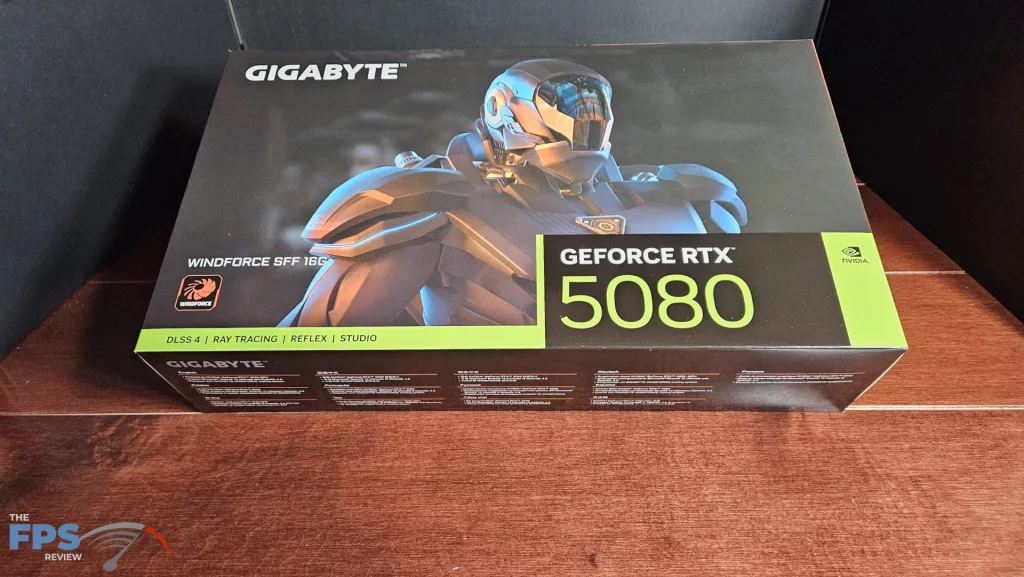
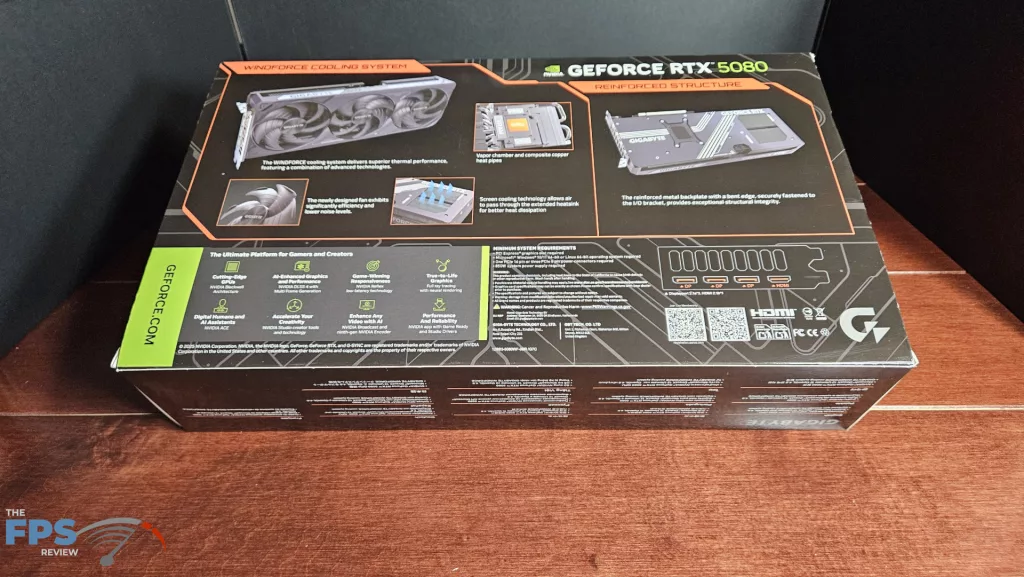
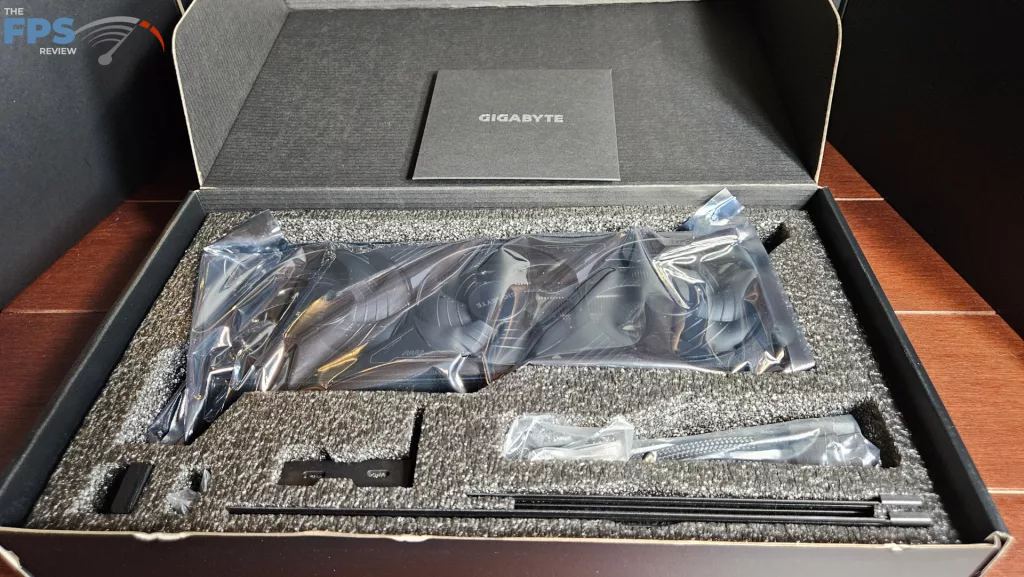
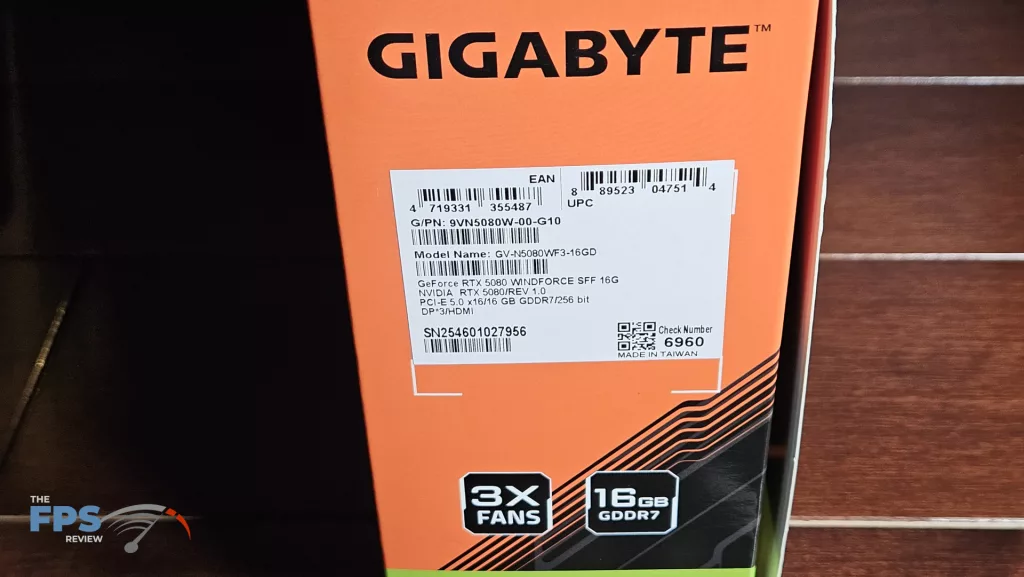
This video card was a private purchase. It was loaned out to us for testing purposes. The card was received in a full retail package. The quality control tapes on the anti-static bag were undisturbed. The retail packaging is standard. Opening the inside box shows a foam lid with a pocket for a small CD-sized booklet. Besides the video card, there is a card support and a triple-headed power adapter.
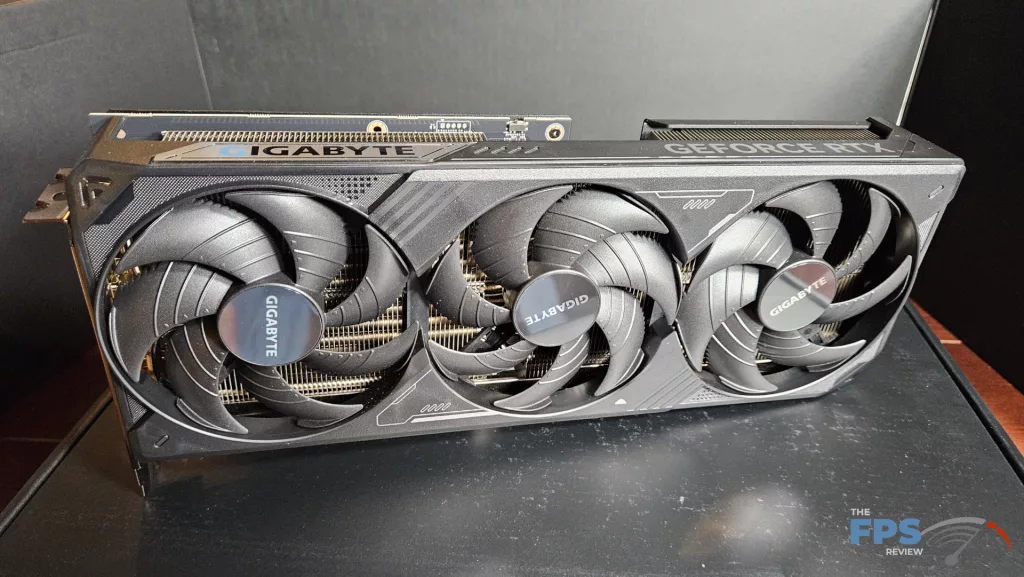
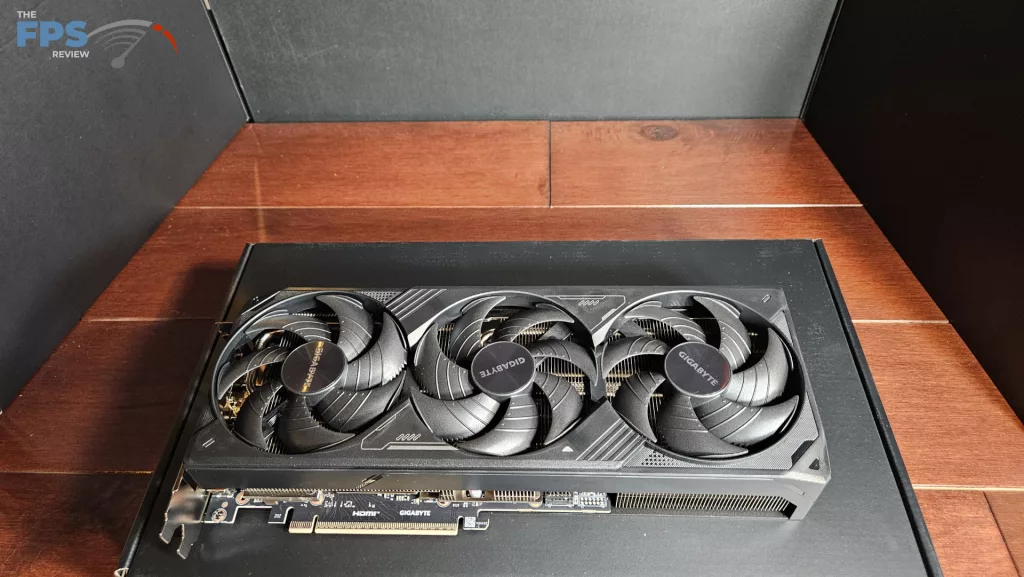
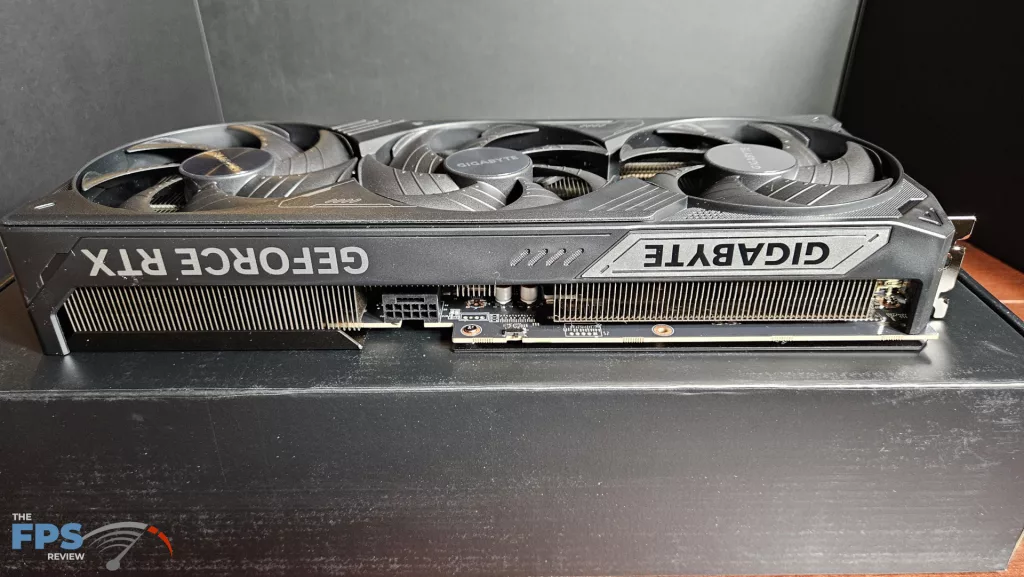
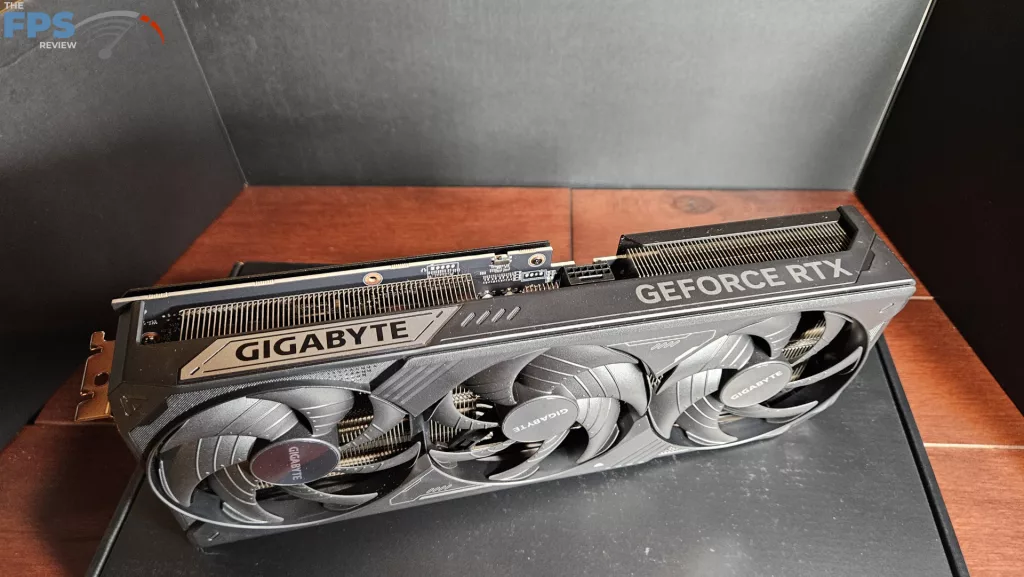
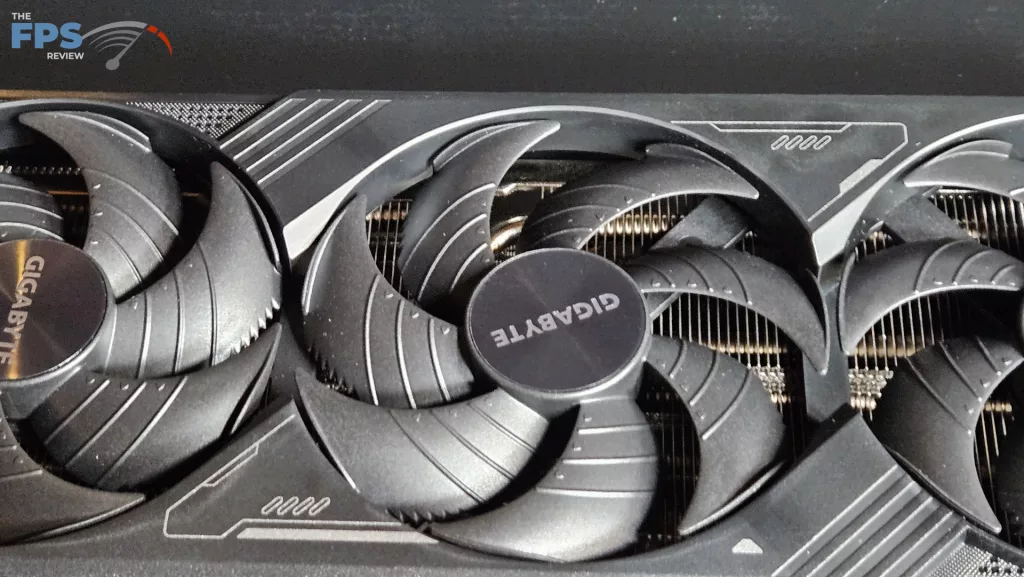
The top shroud is black plastic with a few raised embossed areas. The fan cowls are also raised at the edges. The “Hawk” fans are 100mm and specifically built to reduce noise while pushing more airflow. Due to the reduced size of the card, GIGABYTE enlists their “Windforce” cooling system built around “server-grade thermal conductive gel, innovative Hawk fans with alternate spinning, composite copper heat pipes, a large copper plate, 3D active fans, and screen cooling.”
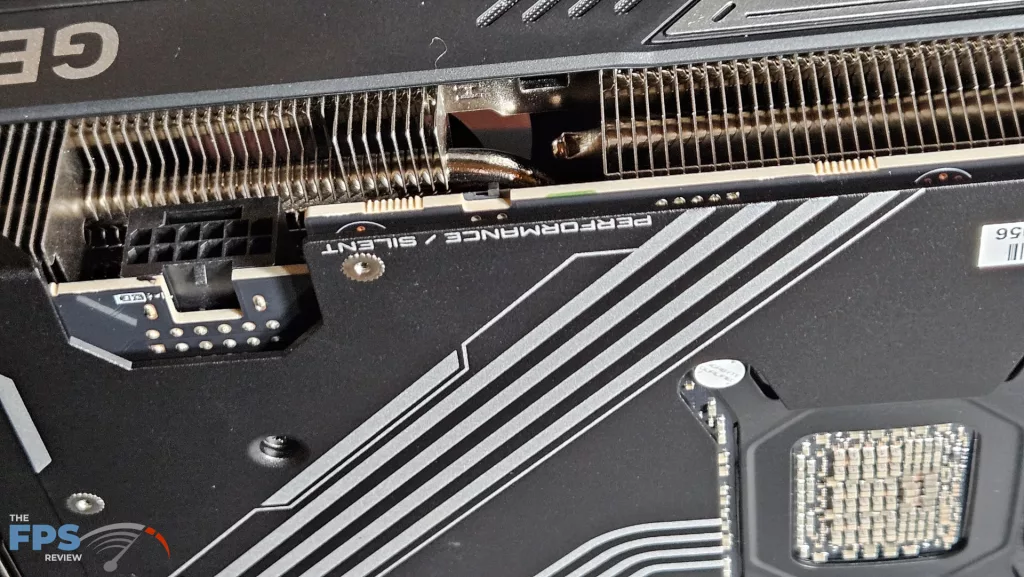
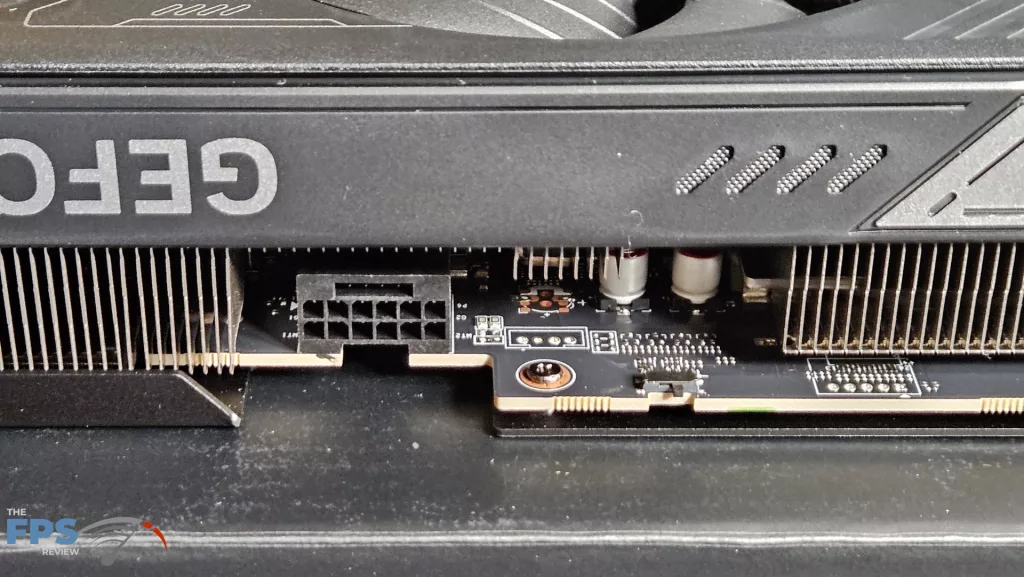
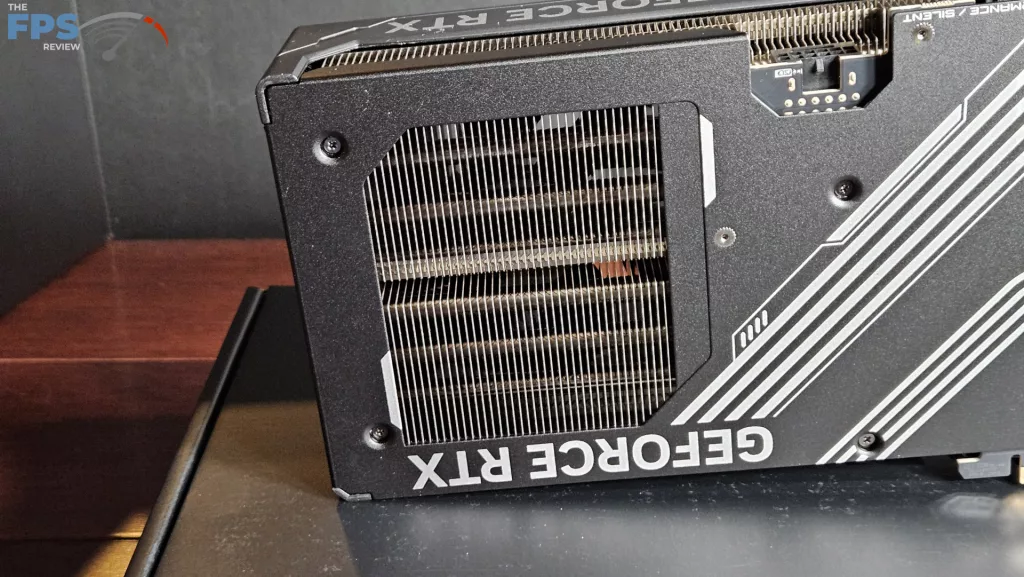
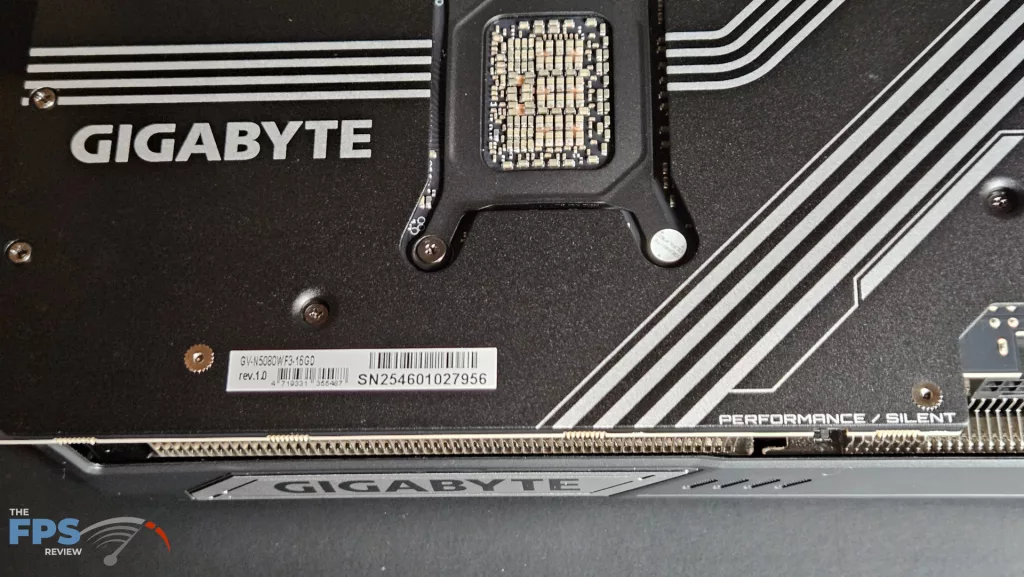
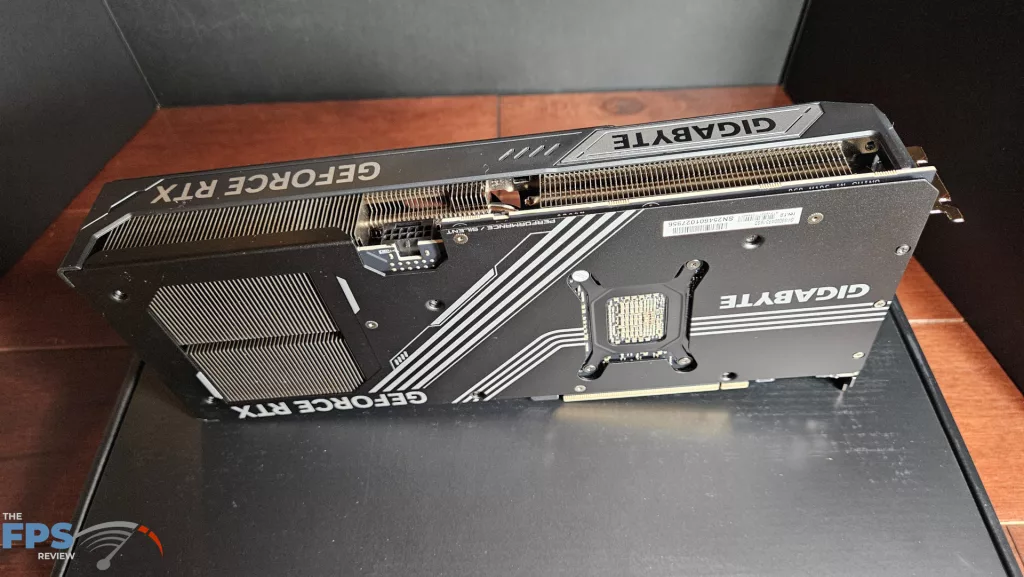
You can see that the heatsink is quite large. It extends the full length of the shroud and uses a large central vapor chamber. The backplate is a powder-coated metal with a large cutout area on the far end. This “screen cooling” aids in air movement over the heatsink. The backplate extends to the shroud edges to provide support for the weight of the heatsink. As we stated earlier, there are no RGBs or other fancy additives. We do notice a small “BIOS switch” adjacent to the power connector. This is labeled “performance or silent”. This switch controls fan curves only and adds no performance to the GPU itself.
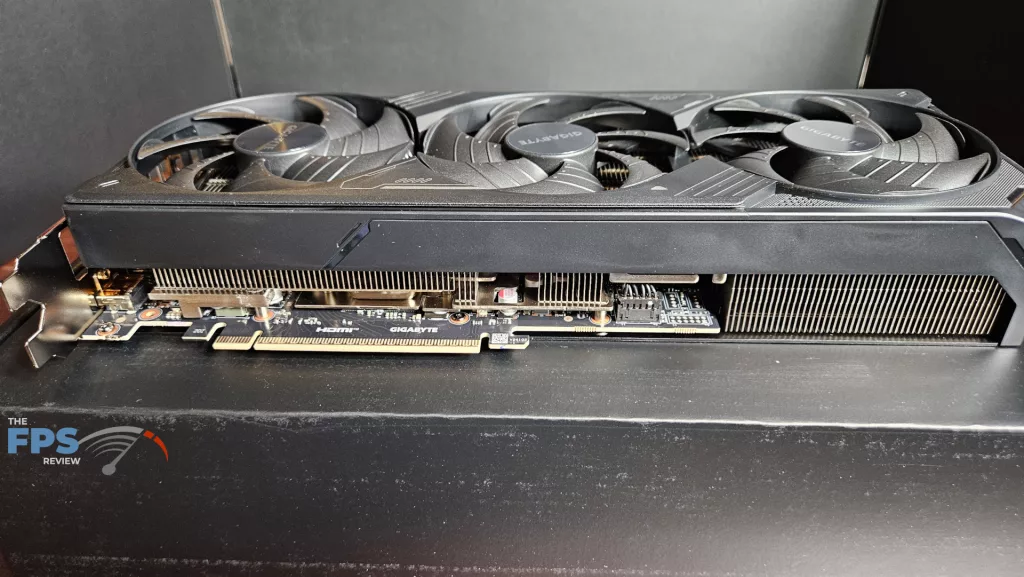
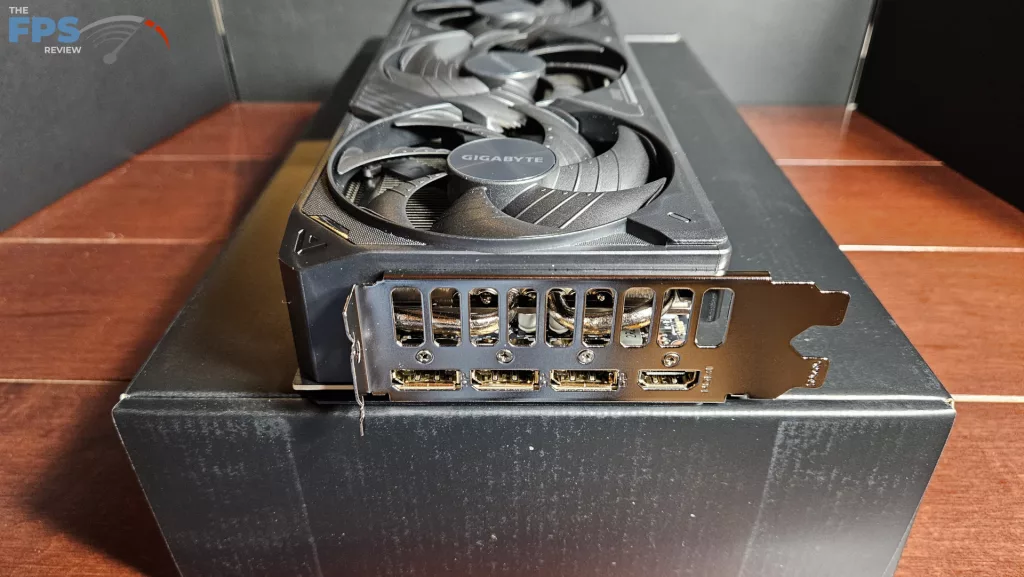
Since the GIGABYTE GeForce RTX 5080 WINDFORCE SFF 16G is a reference-based card, the Boost clock is set at the default 2617MHz. Power is supplied to the video card by the 12V 2×6 connector (adapter included). The TGP is listed at 360 Watts, and an 850W PSU is recommended. The card supports PCIe Gen5 x 16. The front I/O panel has three DisplayPort 2.1 ports and one HDMI 2.1 port. Included in the packaging is a GPU support stand as well.
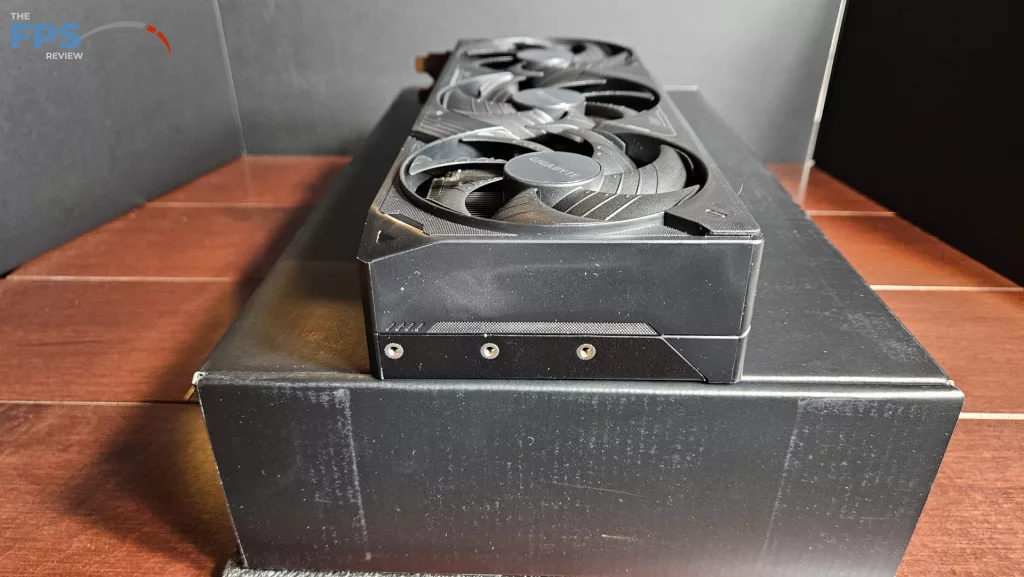
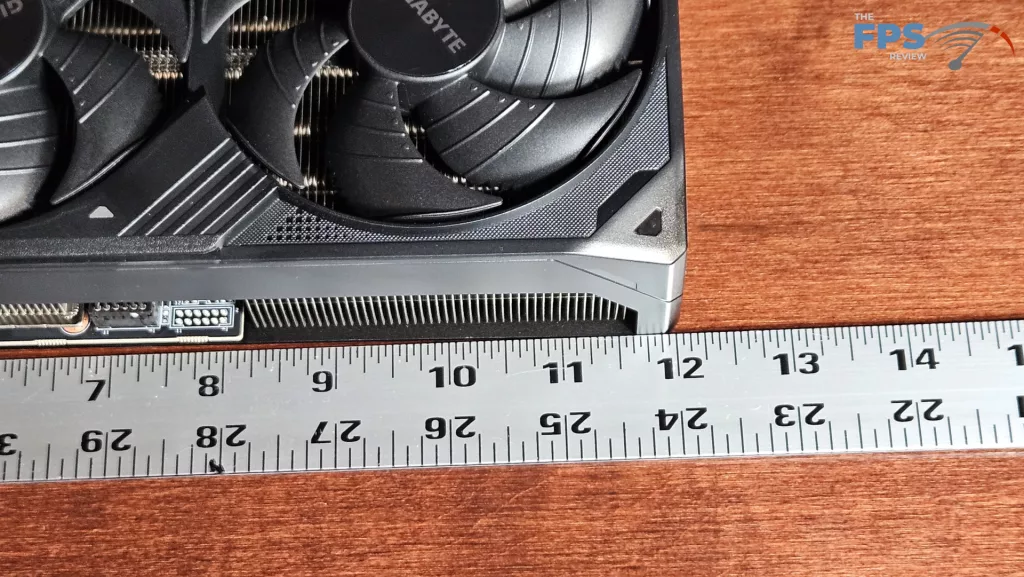
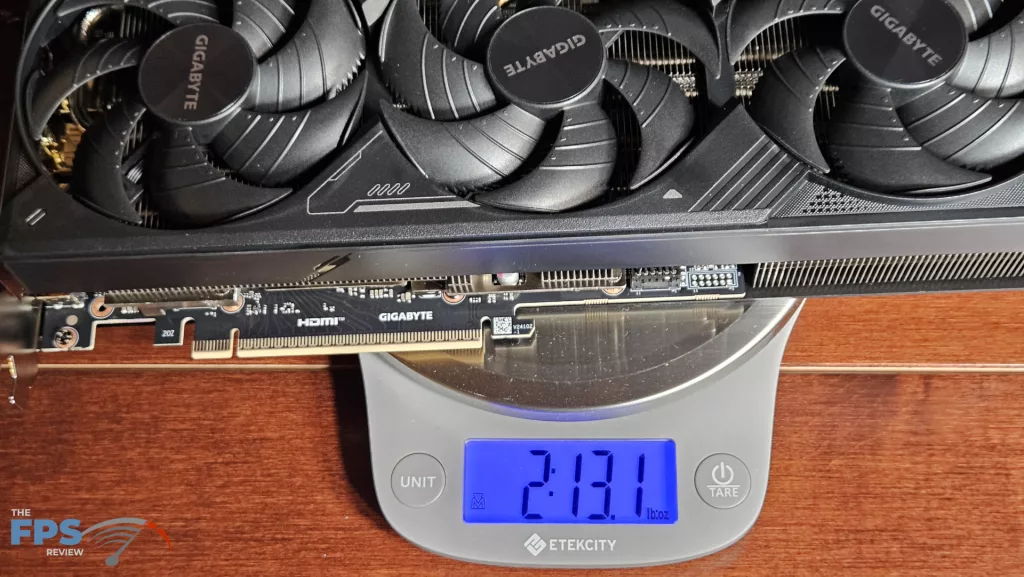
A support bracket attaches to the rear of the card via bolts and then is fixed to an adjustable standard. Instructions are included in the small front booklet jacket. Overall, the video card measures 12 x 4 1/2 x 2 inches or 304 x 126 x 50mm, which is right at the far edge of NVIDIA’s SFF program limits. Still a very diminutive size compared to the standard RTX 5080 cards we have reviewed. The card weighs in at 2 pounds 13 ounces.
Discussion (2 replies)
Join Discussion →Love that manufacturers jumped into the SFF pond with powerful cards such as these. While they can reach their limits at 4K, they tend to shine at 1440p.
I have been questioning nvidia cards length since the 4000 series (except for the 4090), as the PCB is rather short in comparison.
My case is barely enough to fit a RTX3070Ti, fitting a RTX5070Ti was out of the question, much less a 5080. Thankfully we now have options.