
Introduction
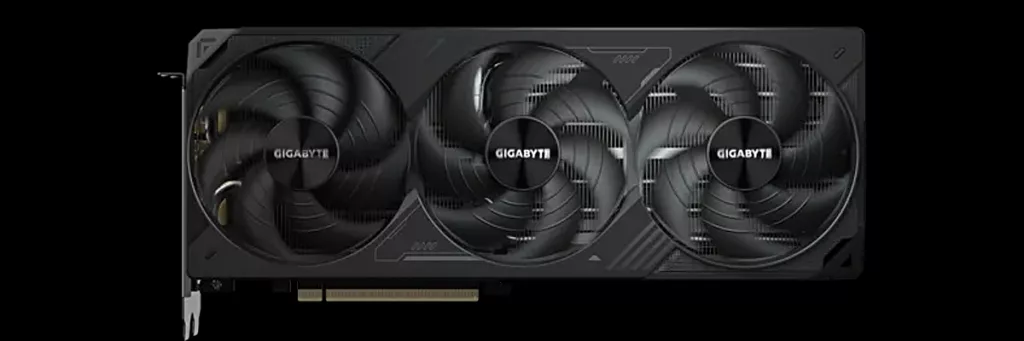
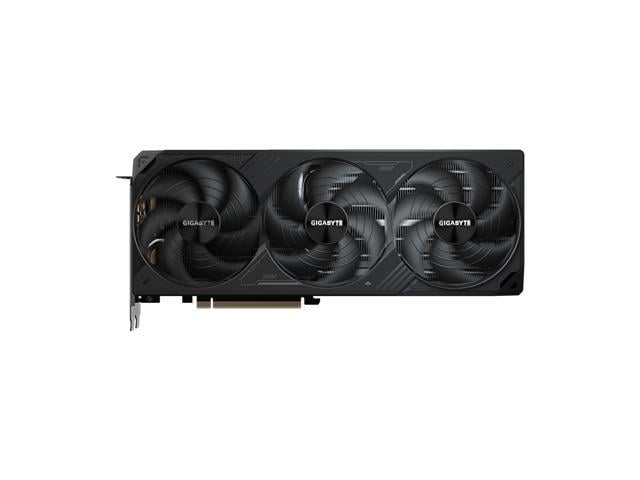
Today, we are taking a break from the tidal wave of motherboard releases to evaluate a graphics card in 2026 (you heard that right). The GIGABYTE GeForce RTX 5080 WINDFORCE SFF 16G (GV-N5080WF3-16GD) is on the bench for our testing.
GIGABYTE offers quite a selection of RTX 5080 video cards, 8 in all, ranging from the top-tier Aorus WATERFORCE and MASTER to the more reference-based WINDFORCE models. There are, in fact, three models that support NVIDIA’s SFF protocol: the WINDFORCE SFF OC, the WINDFORCE SFF, and the AERO SFF OC. The common theme in the SFF protocol is that the video card is built to specifications that support small-form-factor PC cases. The buyer should be confident that the video card purchased will indeed fit any and all PC cases that are also defined as NVIDIA SFF specification.
Mentioned above, the GIGABYTE GeForce RTX 5080 WINDFORCE SFF 16G is a reference-based RTX 5080 video card. As such, it is Boost-clocked at 2617MHz out of the box. Framed in a black shroud, there are no RGBs or fancy additives on this card. These conditions are meant to keep the price as close to the original MSRP at release in January 2025.
Briefly, the NVIDIA GeForce RTX 5080 consists of 7 GPCs, 42 TPCs, and 84 SMs with 128 CUDA Cores per SM. When you add all this up, the NVIDIA GeForce RTX 5080 has 10,752 CUDA Cores, 336 5th Gen Tensor Cores, 84 4th Gen RT Cores, 112 ROPs, and 336 Texture Units. The GPU Boost Clock is set at 2617MHz. Memory consists of 16GB of GDDR7 on a 256-bit memory bus at 30Gbps, giving it 960GB/s of memory bandwidth. The TGP (Total Graphics Power) is 360W.
The card we used today was purchased privately from Newegg for $1399. The warranty period is listed as 3 years. As most of us know, the video card pricing is very fluid at this point, so it is a good idea to look around before buying.



NVIDIA SFF Program
To be brief, NVIDIA has started a program, “SFF-Ready Enthusiast GeForce Cards,” that will ensure both builders and DIY enthusiasts that they can locate video cards that meet strict Small Form Factor specifications. At one time, SFF was a very small fraction of PC building, but it has grown quite popular in the last few years. To help make building easier, NVIDIA has begun its program with a number of video card manufacturing partners.
From NVIDIA: “Manufacturer product pages and listings on global retailers have text labeling graphics cards that meet the guideline as “SFF-Ready Enthusiast GeForce Cards”, and cases as being “Compatible with SFF-Ready Enthusiast GeForce Cards”, instantly identifying parts that fit together and allowing you to buy and build with confidence. SFF-Ready Enthusiast GeForce Cards are RTX 70-class or higher from the GeForce RTX 50 and GeForce RTX 40 Series, with the following dimensions: 50mm or 2.5 slots maximum depth, 151mm maximum height including power cable bend radius, and 304mm maximum length.
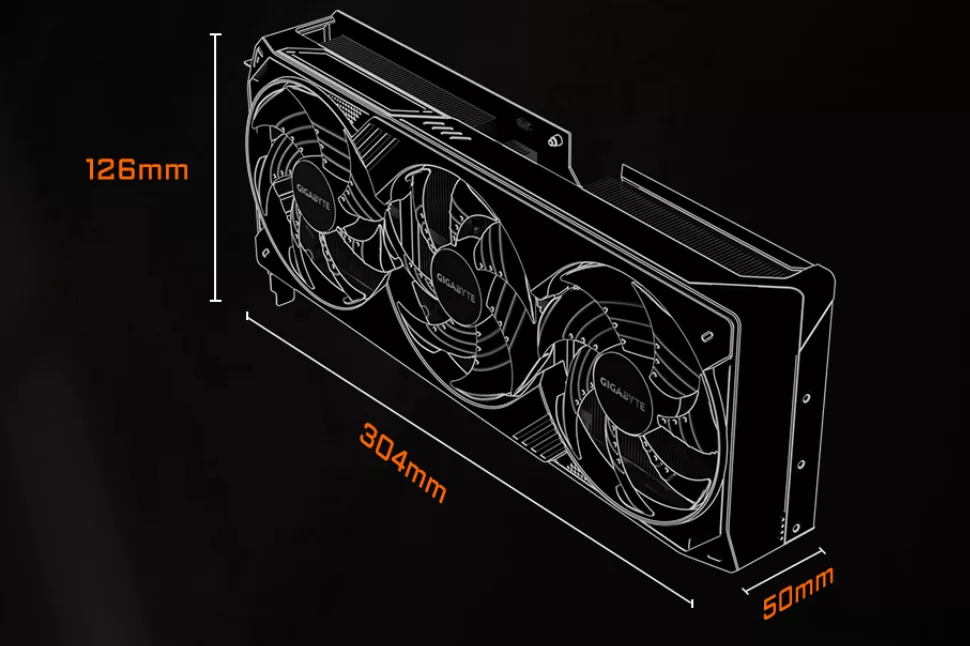
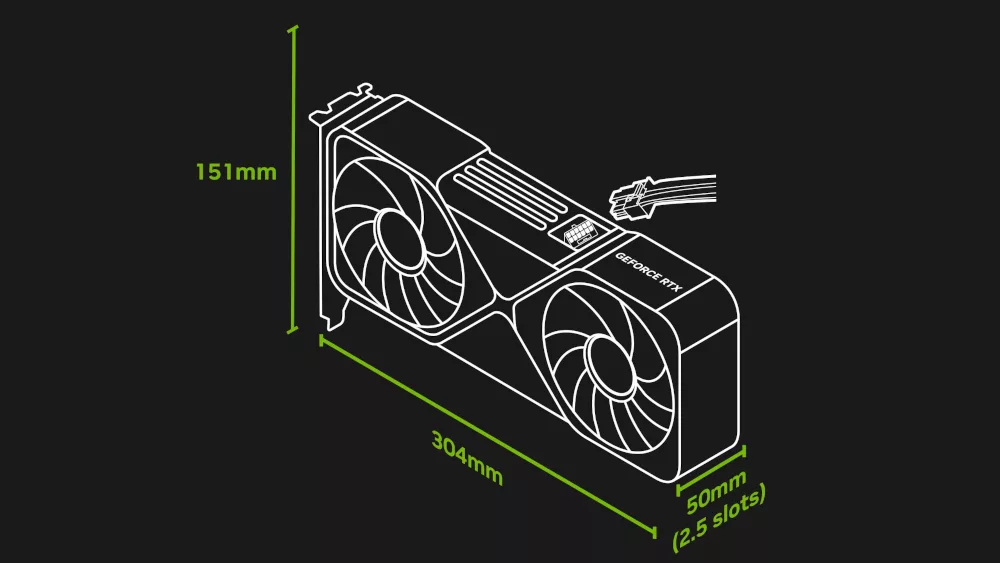
In keeping with this program, NVIDIA hopes to give some security to builders and DIY enthusiasts that they will be able to both locate and upgrade components that are compatible with an SFF chassis. This is aimed at reducing time spent looking up specifications and scouring forums for information on “will this fit ?”
Discussion (2 replies)
Join Discussion →Love that manufacturers jumped into the SFF pond with powerful cards such as these. While they can reach their limits at 4K, they tend to shine at 1440p.
I have been questioning nvidia cards length since the 4000 series (except for the 4090), as the PCB is rather short in comparison.
My case is barely enough to fit a RTX3070Ti, fitting a RTX5070Ti was out of the question, much less a 5080. Thankfully we now have options.