
Conclusion
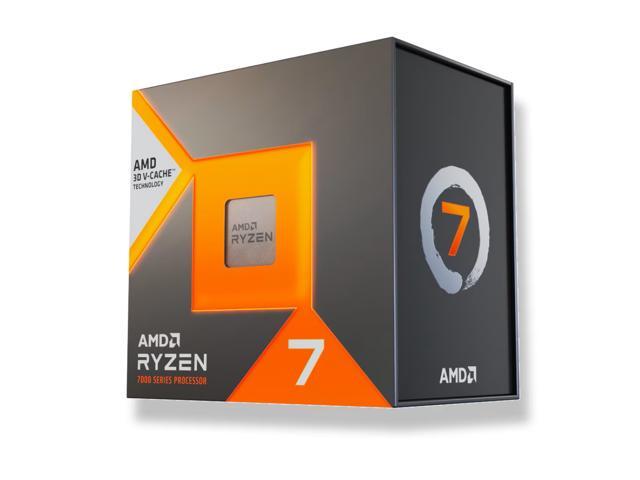
The AMD Ryzen 7 7700X3D was unexpectedly announced at Computex 2026 and launched in July of 2026. Unexpected because we are currently in AMD’s Ryzen 9000 series Zen 5 era, with Zen 4 CPUs having been released several years ago at this point. The AMD Ryzen 7 7700X3D is positioned below the AMD Ryzen 7 7800X3D, as it is simply a downclocked Ryzen 7 7800X3D, same specs, just lower clock speeds. We have seen AMD promote the AM5 platform; however, there are now a lot of options for gamers up and down the scale in terms of X3D variants on both the Zen 4 and Zen 5 architectures.
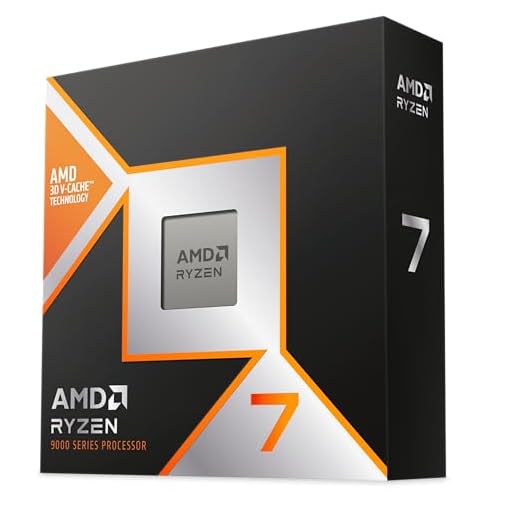
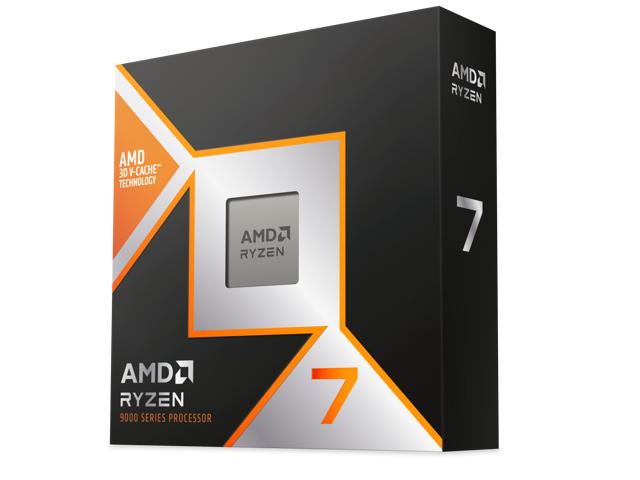
In today’s AMD Ryzen 7 7700X3D versus AMD Ryzen 7 9800X3D Review, we wanted to see how AMD’s newest value-oriented X3D gaming CPU compared to AMD’s most popular current-generation X3D gaming CPU. This will tell us how much difference there really is in performance between Zen 4 and Zen 5 X3D CPUs for gaming, and a little synthetic testing as well. We have already looked at how the AMD Ryzen 7 7700X3D vs Ryzen 7 7800X3D compares.
The AMD Ryzen 7 7700X3D is an 8-core/16-thread CPU with Zen 4 architecture and 96MB of AMD 3D V-Cache. The base clock is set at 4GHz, and the Turbo Boost frequency is set at 4.5GHz. The AMD Ryzen 7 9800X3D is also an 8-core/16-thread CPU but based on the Zen 5 architecture and 96MB’s of AMD’s 2nd Generation of 3D V-Cache. The base clock is set at 4.7GHz and the Turbo Boost frequency is set at 5.2GHz. Otherwise, they both have a 120W TDP and a PPT of 162W. The Ryzen 7 7700X3D has an MSRP of $329, and the Ryzen 7 9800X3D has an MSRP of $479.
Final Points
When looking at the performance differences, it is clear that there are some big gains with the Ryzen 7 9800X3D over the Ryzen 7 7700X3D, and there are some smaller gains. In non-gaming scenarios, testing synthetic all-core/multi-core and single-core performance, the AMD Ryzen 7 9800X3D actually has a pretty substantial performance difference over the Ryzen 7 7700X3D. Though both CPUs are 8-core/16-thread CPUs, the Ryzen 7 9800X3D is a much more capable and powerful CPU for anything non-gaming-related. It ripped through with about 30-33% more multi-core performance, which is very impressive. It’s also faster in single-thread/core workloads by about 20%, or even 30% depending on the workload. These are very significant gains considering both CPUs have the same core count. So after you are done with your gaming session, you’ll know you are getting faster render times when editing video, for example.
Since we are primarily focused on the gaming experience, though, we need to talk about that. It is clear that the AMD Ryzen 7 9800X3D was faster across the board, everything considered. To what degree will depend on the game, the game settings, and the video card being used. We did experience gaming performance gains in the average FPS, mostly averaging around 10-12% faster performance. Hogwarts was a standout at 25%. However, there were also a lot of games that were in a much smaller range of advantage, at least for the average.
Where the AMD Ryzen 7 9800X3D really shined, and impressed us the most in terms of gameplay experience, was the 1% Low performance. We saw some massive gains with the Ryzen 7 9800X3D over the Ryzen 7 7700X3D in the 1% Lows specifically. Even in games where the average was small, the 1% Lows were drastically improved. Alan Wake 2 was 36% faster, Crimson Desert was 20% faster, Cyberpunk 2077 was 23% faster, Stalker 2 was 21% faster, Dying Light was 15% faster, and Hogwarts was 16% faster. These are differences that, well… make a difference! The higher 1% Lows, especially in games like Stalker 2 that are already slower framerates, really help to boost smoothness and the experience overall.
When we compare the AMD Ryzen 7 7700X3D at its MSRP of $329 with the AMD Ryzen 7 9800X3D at its MSRP of $479, you can really start to see the true value of the Ryzen 7 7700X3D for gaming. That is a 45% price difference, but we don’t really get a 45% performance improvement with the Ryzen 7 9800X3D over a 7700X3D for gaming. Current online pricing is a little different today (Summer of 2026), the Ryzen 7 9800X3D is around $440, and the Ryzen 7 7700X3D is around its MSRP currently. That is still over a $100 difference, which can certainly be a deciding factor in your budget. If you simply want the faster gaming CPU, the Ryzen 7 9800X3D is it; those 1% Lows will be happy, but if you still want a solid value-oriented gaming setup, the Ryzen 7 7700X3D isn’t a bad catch.



Discussion (4 replies)
Join Discussion →Seems a big uograde.. but all the other costs make me think.. if i was on the previous Gen I would stick there. Make it a 2 gen leap to feel worth while.
I'm still on Zen3/DDR4 but right now sure as heck isn't the time to jump from that platform.
It is curious this Zen4 is being released now, and I'm actually surprised it's as competitive as it is (with respect to price/performance and all)
Could be yields that couldn't cut it at the 7800X3D spec. But they must have a lot of them to release it as a new SKU. I dunno.
Its a decent config for a budget gamer, or wanting a small, not power hungry, cool running build.
Or more concerned with the GPU that's another 100 bucks you can put toward your GPU tier.