
Introduction
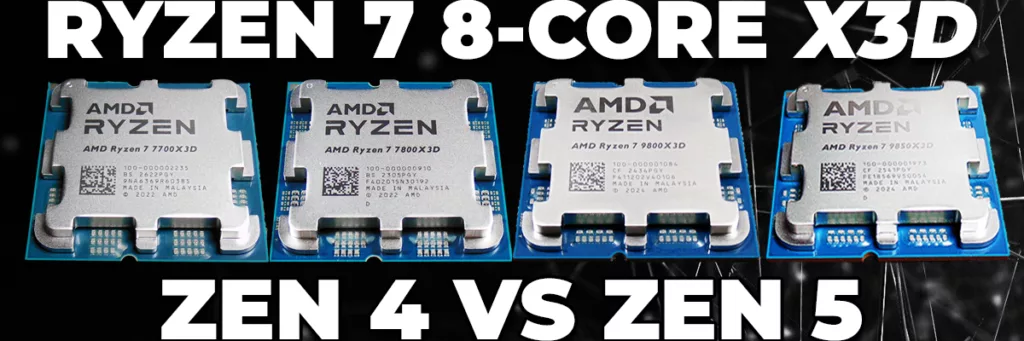
How do AMD’s Ryzen 7 8-Core “X3D” (3D V-Cache) CPUs scale in 2026 with new, updated, and refreshed gaming benchmarks? We aim to find out. We have compared all four Zen 4 and Zen 5 AMD “X3D” Ryzen 7 8-Core CPUs, side-by-side, in this performance roundup. We have re-tested performance, all refreshed in 2026, with the latest BIOS, chipset drivers, Windows Updates, and new games that were not out yet when these CPUs were launched.
We’ve put them all through the wringer: AMD Ryzen 7 9850X3D versus AMD Ryzen 7 9800X3D versus AMD Ryzen 7 7800X3D versus AMD Ryzen 7 7700X3D. In this way, we can see how AMD’s X3D CPUs compare across the Zen 4 and Zen 5 architectures, and find out if Zen 5 X3D CPUs really are better than the Zen 4 CPUs. We can also get an updated look at the AMD Ryzen 7 9850X3D to see what it offers over the Ryzen 7 9800X3D in gaming performance. We can also gauge whether it is worth it to upgrade to a Zen 5 X3D CPU over a Zen 4 X3D CPU.




AMD’s Zen 4 and Zen 5 8-Core X3D Lineup
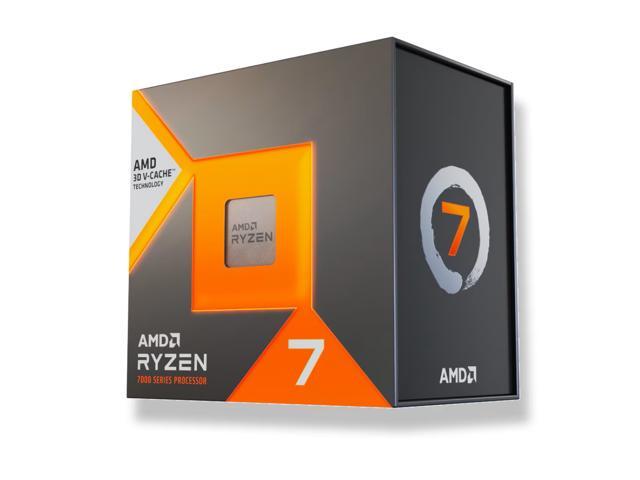
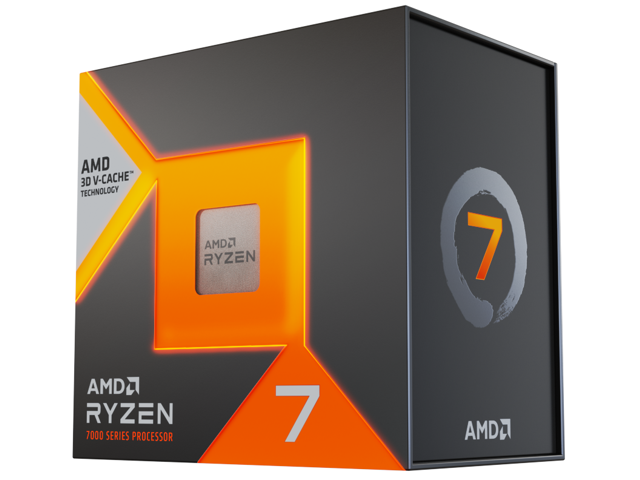
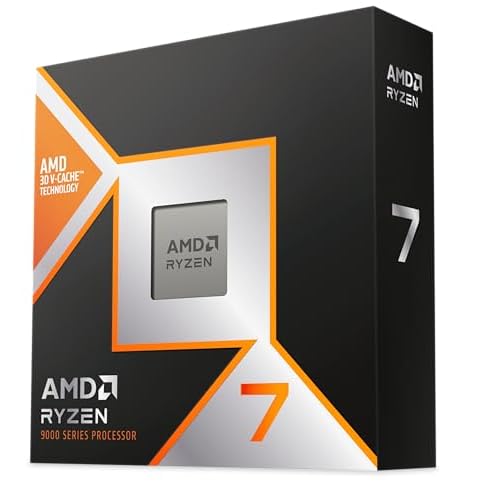
With the launch of the AMD Ryzen 7 7700X3D in July of 2026, AMD’s final-form lineup of Zen 4 and Zen 5 8-Core X3D CPUs is here. The first one launched was the AMD Ryzen 7 7800X3D in January of 2023 with the introduction of the Zen 4 architecture on the AM5 platform. This was AMD’s first foray into a 3D V-Cache CPU in the new Zen 4 family architecture. The MSRP at launch was $449. It was then followed in November of 2024 with the launch of the AMD Ryzen 7 9800X3D. The Ryzen 7 9800X3D was based on AMD’s newer Zen 5 architecture and also newer 2nd Generation 3D V-Cache. The Ryzen 7 9800X3D launched at an MSRP of $479. That CPU was then followed by the AMD Ryzen 7 9850X3D, which launched in January of 2026 at an MSRP of $499. Finally, the newest CPU is the AMD Ryzen 7 7700X3D, based on the Zen 4 architecture, launched in July of 2026 at an MSRP of $329.
| AMD Ryzen 7 7700X3D | AMD Ryzen 7 7800X3D | AMD Ryzen 7 9800X3D | AMD Ryzen 7 9850X3D | |
|---|---|---|---|---|
| CPU Family | AMD Ryzen 7000 Series (Raphael) | AMD Ryzen 7000 Series (Raphael) | AMD Ryzen 9000 Series (Granite Ridge) | AMD Ryzen 9000 Series (Granite Ridge) |
| Cores | 8 | 8 | 8 | 8 |
| Threads | 16 | 16 | 16 | 16 |
| L3 Cache | 96 MB | 96 MB | 96 MB | 96 MB |
| Total Cache | 104.5MB | 104.5MB | 104.6MB | 104.6MB |
| Base Clock | 4 GHz | 4.2 GHz | 4.7 GHz | 4.7 GHz |
| Boost Clock | 4.5 GHz | 5.0 GHz | 5.2 GHz | 5.6 GHz |
| TDP | 120 W | 120 W | 120 W | 120 W |
| MSRP | $ 329 | $ 449 | $ 479 | $ 499 |
All four of these CPUs share some commonalities. These are 8-Core/16-Thread CPUs of the AMD Ryzen 7 family across Zen 4 and Zen 5 architectures. The Ryzen 7 7700X3D and Ryzen 7 7800X3D are Zen 4, while the Ryzen 9800X3D and Ryzen 7 9850X3D are Zen 5. All four CPUs have the same L3 Cache size of 96MB and the same Total Cache size of 104MB, so none have an advantage or difference in the 3D V-Cache capacity.
However, the newer Zen 5 X3D CPUs utilize AMD’s 2nd Generation 3D V-Cache, which flips the cache underneath the CPU, allowing for higher sustained clock speeds. Therefore, the Ryzen 7 9800X3D runs at a much higher Base Clock and Boost Clock. The Ryzen 7 9850X3D runs even higher still, as it is a binned X3D part geared for higher clock speeds. That is the only difference compared to the Ryzen 7 9800X3D.
All four CPUs technically have a TDP of 120W and a PPT of 162W, but the Ryzen 7 Zen 5 X3D CPUs are allowed to run closer to their PPT due to the clock speed. Pricing is within $50 of each other across the 7800X3D to 9850X3D, and the newer 7700X3D has a much lower price. Of course, actual availability and online pricing will vary in 2026.
Discussion
Join Discussion →No replies yet. Be the first to reply on the forum.